

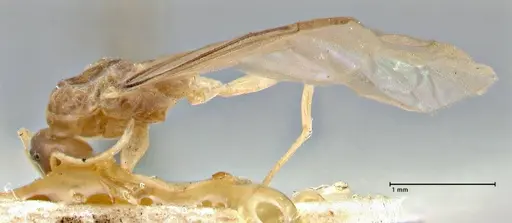
Tapinoma acuminatum
- Scientific Name
- Tapinoma acuminatum
- Tribe
- Tapinomini
- Subfamily
- Dolichoderinae
- Author
- Forel, 1907
- Distribution
- Found in 2 countries
Tapinoma acuminatum Overview
Tapinoma acuminatum is an ant species of the genus Tapinoma. It is primarily documented in 2 countries , including Rwanda, Tanzania, United Republic of. Detailed taxonomic data and occurrence records can be further explored via authoritative databases such as AntWeb or the Global Biodiversity Information Facility (GBIF).
Tapinoma acuminatum
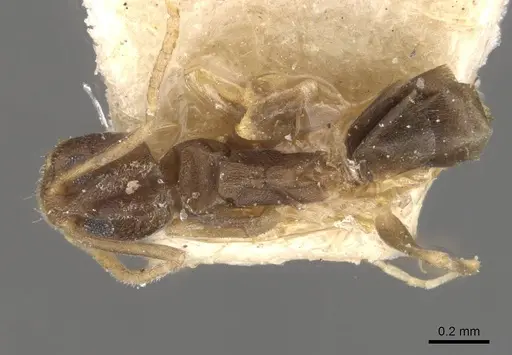
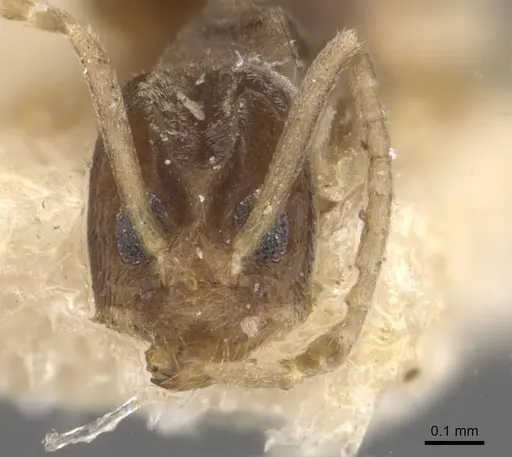
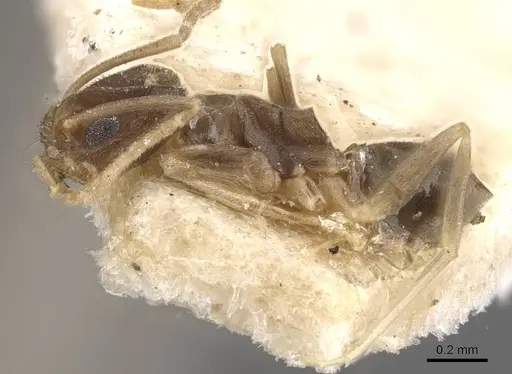
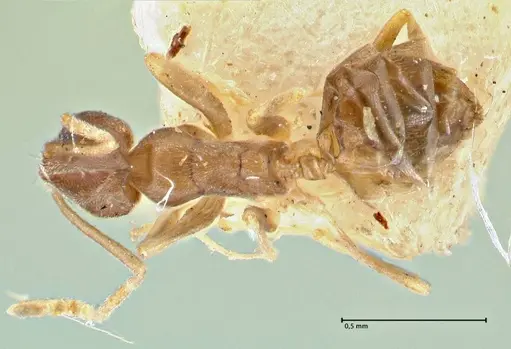
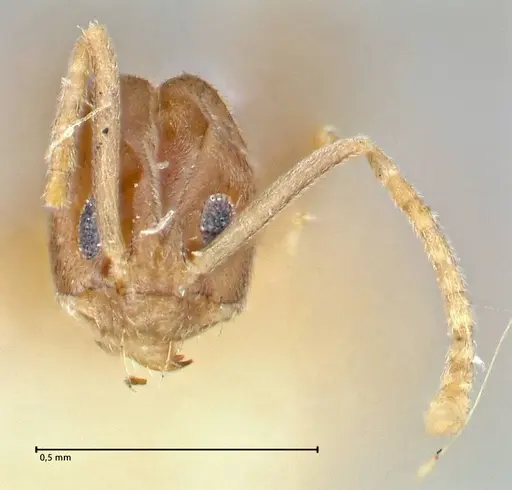
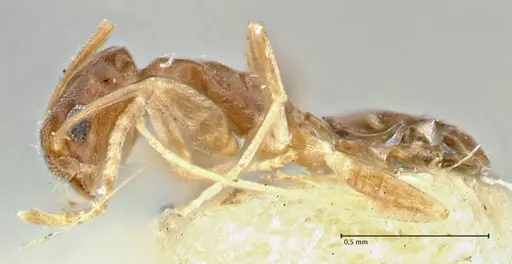
Tapinoma acuminatum is a small, dark ant species belonging to the Dolichoderinae subfamily, native to the Afrotropical region. Workers are tiny at just 2-3mm, with the characteristic peaked propodeum (the rear body section comes to a pointed dorsal tip) that defines the lugubre species-group [1]. The species was first described from Kenya in 1907 and has since been recorded in Tanzania and Rwanda, where it was documented for the first time in Akagera National Park in 2026 [2]. These ants are part of the genus Tapinoma, which is known for their ability to produce formic acid as a chemical defense rather than having a functional stinger.
Quick Summary
- Difficulty: Medium
- Origin & Habitat: Afrotropical region, found in Kenya, Tanzania, and Rwanda. Inhabits tropical savanna and woodland habitats, typically nesting in soil or under stones in warm, relatively dry to moderately humid conditions.
- Colony Type: Unconfirmed, colony structure (single-queen or multi-queen) has not been documented for this specific species. Most Tapinoma species are monogyne (single-queen colonies), but some can form multi-queen colonies.
- Size & Growth:
- Queen: Estimated 4-5mm based on genus patterns for small Tapinoma species [3]
- Worker: Estimated 2-3mm based on genus patterns [3]
- Colony: Likely several hundred workers based on typical Tapinoma colony sizes [3]
- Growth: Moderate, inferred from typical Dolichoderinae development
- Development: Estimated 6-8 weeks at optimal temperature based on related Tapinoma species [3] (Development time is estimated from genus-level data, specific timing for T. acuminatum has not been studied)
- Antkeeping:
- Temperature: Keep at 24-28°C, these are tropical ants that prefer warm conditions. A heating cable on one side of the nest can create a temperature gradient [3].
- Humidity: Moderate humidity around 50-70%. Keep the nest substrate slightly moist but allow some drying between waterings. Avoid overly damp conditions.
- Diapause: Unlikely, as a tropical species from East Africa, they probably do not require a true hibernation period. They may show reduced activity during cooler periods.
- Nesting: In captivity, they do well in test tubes for founding colonies and Y-tong (AAC) or plaster nests for established colonies. They prefer compact nesting chambers scaled to their tiny size.
- Behavior: Tapinoma acuminatum is likely a generalist forager that collects honeydew from aphids and small insects. Like other Dolichoderinae, they communicate through chemical signals and may use trail pheromones to recruit nestmates to food sources. They are not aggressive but will spray formic acid if threatened. Their small size means escape prevention is important, they can slip through tiny gaps. Workers are active and persistent foragers.
- Common Issues: tiny size makes escape likely without fine mesh barriers, tropical species may struggle in cool rooms below 22°C, limited information means care is based on genus-level estimates rather than species-specific research, wild-caught colonies may carry parasites that can devastate captive populations, overfeeding can lead to mold problems in small nests
Temperature and Heating
As a tropical species from East Africa, Tapinoma acuminatum prefers warm temperatures in the range of 24-28°C. This is typical for Tapinoma species, which are generally warmth-loving ants [3]. In captivity, you can maintain this temperature using a heating cable placed on one side of the nest to create a gentle gradient, or by keeping the colony in a warm room. Avoid placing them in cool areas below 22°C, as this can slow their activity and potentially harm brood development. Room temperature within this range is acceptable if your home stays consistently warm.
Housing and Nest Setup
For a newly caught queen or small colony, a simple test tube setup works well for the founding stage. Make sure the tube has a water reservoir with a cotton plug to maintain humidity, but avoid flooding. Once the colony grows to 20+ workers, you can transition them to a Y-tong (AAC) nest or a plaster/acrylic formicarium. These ants are tiny, so they do well in nests with compact chambers and narrow passages. The nest material should retain some moisture but not become waterlogged. A small outworld for foraging allows you to offer food away from the nest area.
Feeding and Diet
Like most Tapinoma species, T. acuminatum is likely a generalist that feeds on honeydew from aphids and scale insects, along with small insects and other protein sources [3]. In captivity, offer a mix of sugar water or honey as an energy source, and protein-rich foods like small fruit flies, pinhead crickets, or other tiny insects. Feed small amounts initially and remove uneaten food within 24-48 hours to prevent mold. Since these ants are very small, their food items should be appropriately sized, tiny prey is better than large chunks.
Escape Prevention
Due to their very small worker size (around 2-3mm), excellent escape prevention is essential. These ants can squeeze through surprisingly tiny gaps. Use tight-fitting lids on test tubes and formicaria, and apply Fluon or another barrier to the edges of any openings. Fine mesh with holes smaller than 1mm is recommended for any ventilation openings. Check your setup regularly and reseal any gaps that appear. Even small escape routes that seem insignificant with larger ants can allow these tiny ants to slip through.
Colony Development and Growth
The colony starts with a claustral founding queen who seals herself in a chamber and raises her first workers (nanitics) using stored fat reserves. Based on typical Tapinoma development, you can expect the first workers to emerge in 6-8 weeks under warm conditions [3]. The initial batch of workers will be smaller than mature workers. Growth rate is moderate, the colony will gradually expand as the queen continues laying eggs. Unlike some fast-growing species, Tapinoma colonies tend to develop steadily rather than explosively. Patience is key, as it may take several months to reach a colony size of 100+ workers.
Frequently Asked Questions
How long does it take for Tapinoma acuminatum to produce first workers?
Based on genus-level data, expect 6-8 weeks from egg to first worker at optimal temperature (24-28°C). This is an estimate since specific development timing for T. acuminatum has not been studied.
Can I keep Tapinoma acuminatum in a test tube?
Yes, test tubes work well for founding colonies. Use a water reservoir with cotton to maintain humidity, and ensure the tube is sealed with a tight-fitting plug. Transition to a larger nest once the colony reaches 20-30 workers.
What temperature do Tapinoma acuminatum ants need?
Keep them warm at 24-28°C. These are tropical ants from East Africa that prefer consistent warmth. A heating cable on part of the nest can help maintain optimal temperatures.
Are Tapinoma acuminatum good for beginners?
This species is rated as Medium difficulty. While they are relatively small and manageable, their tiny size requires excellent escape prevention. The limited species-specific information means care is based on genus estimates rather than documented requirements.
How big do Tapinoma acuminatum colonies get?
Based on typical Tapinoma colony sizes, expect several hundred workers at maturity. The exact maximum for this species has not been documented.
Do Tapinoma acuminatum need hibernation?
Unlikely. As a tropical species from Kenya, Tanzania, and Rwanda, they probably do not require a true hibernation period. They may show reduced activity during cooler periods but do not need cold exposure.
What do Tapinoma acuminatum eat?
They likely feed on honeydew from aphids and small insects. In captivity, offer sugar water or honey for energy and small insects like fruit flies or pinhead crickets for protein.
Why are my Tapinoma acuminatum escaping?
Their small size (2-3mm) means they can escape through tiny gaps. Use fine mesh (less than 1mm holes), apply Fluon to edges, and check all seals regularly. Even seemingly insignificant gaps can allow escape.
Can I keep multiple queens together?
Not recommended without documented evidence. While some Tapinoma species can form multi-queen colonies, the colony structure of T. acuminatum has not been studied. Combining unrelated queens risks fighting and colony failure.
References

This caresheet is licensed under CC BY-SA 4.0 .
Literature
Loading...Loading products...