

Tanipone zona
- Scientific Name
- Tanipone zona
- Subfamily
- Dorylinae
- Author
- Bolton & Fisher, 2012
- Distribution
- Found in 1 countries
Tanipone zona Overview
Tanipone zona is an ant species of the genus Tanipone. It is primarily documented in 1 countries , including Madagascar. Detailed taxonomic data and occurrence records can be further explored via authoritative databases such as AntWeb or the Global Biodiversity Information Facility (GBIF).
Tanipone zona
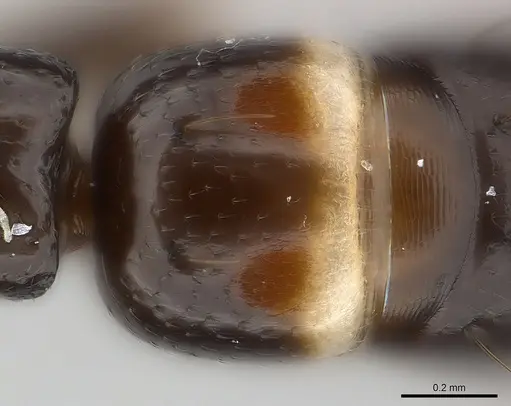
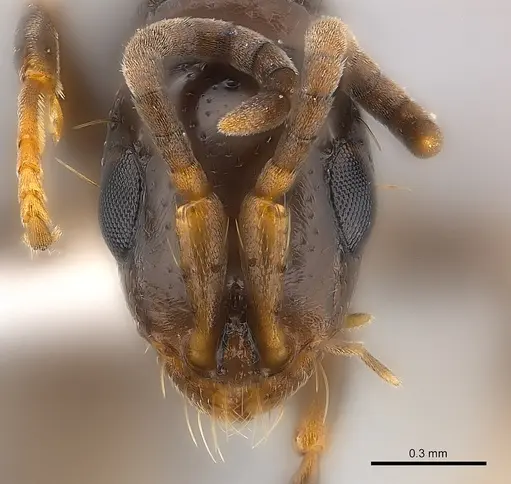
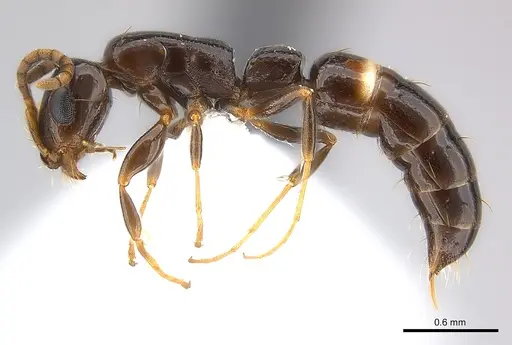
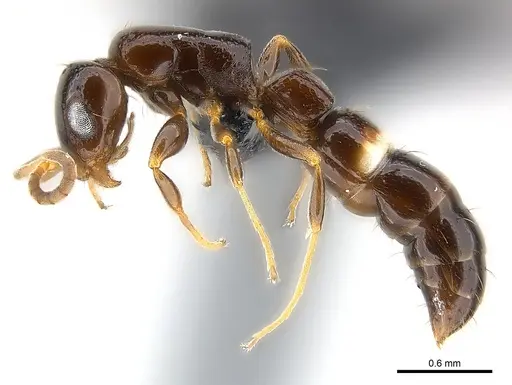
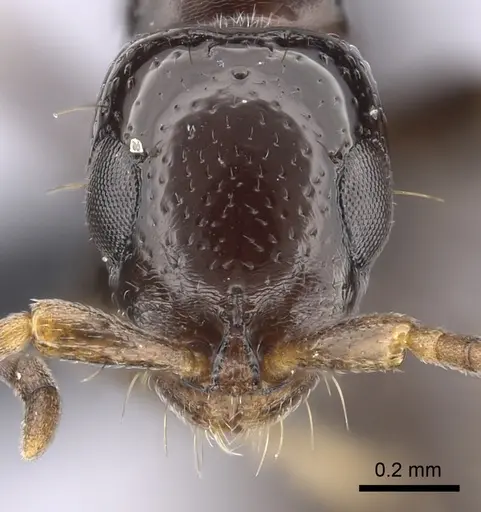
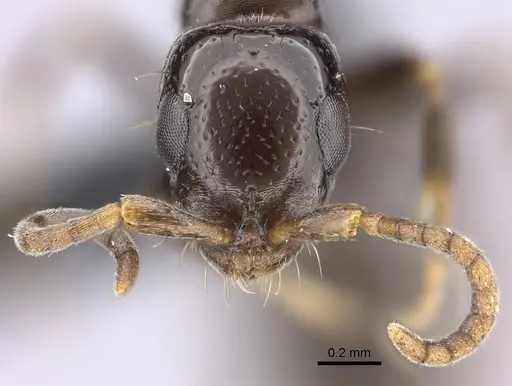
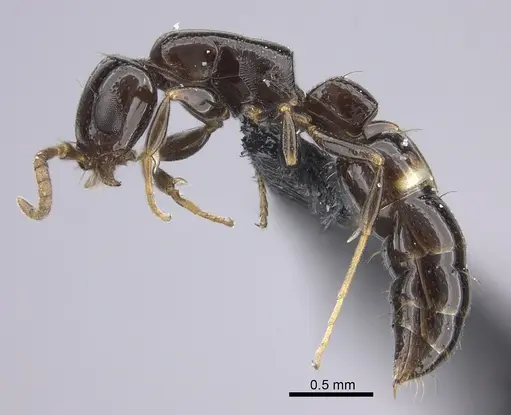
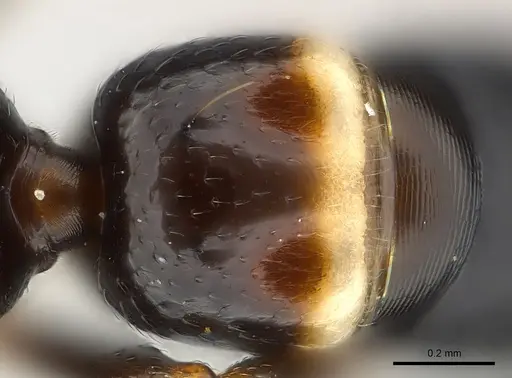
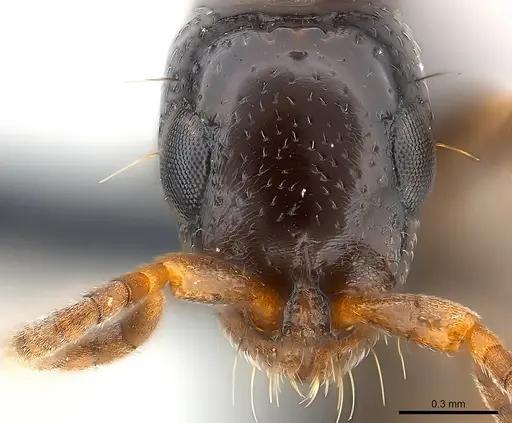
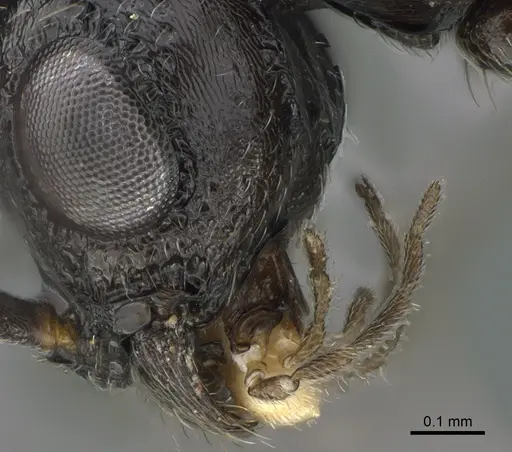
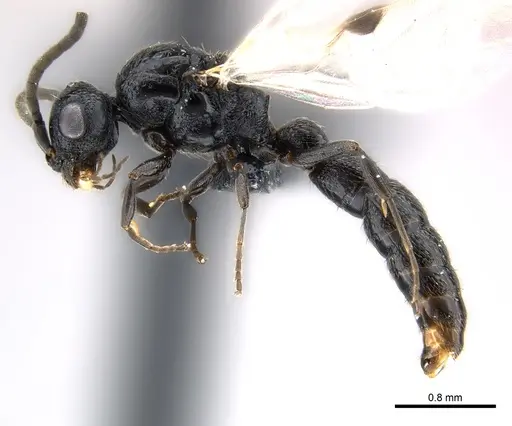
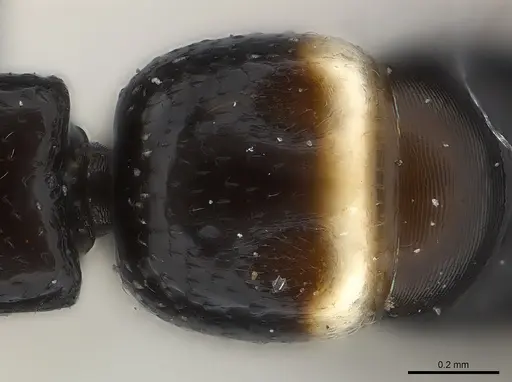
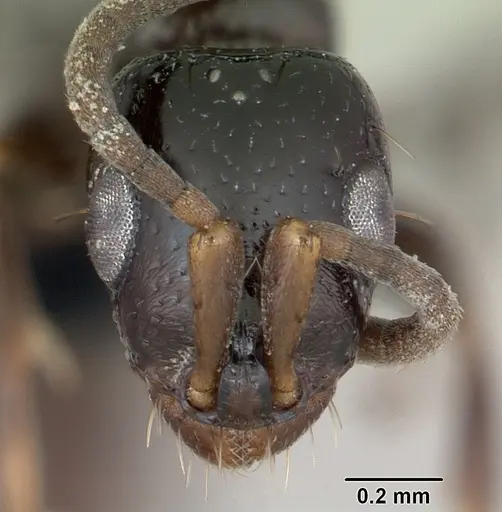
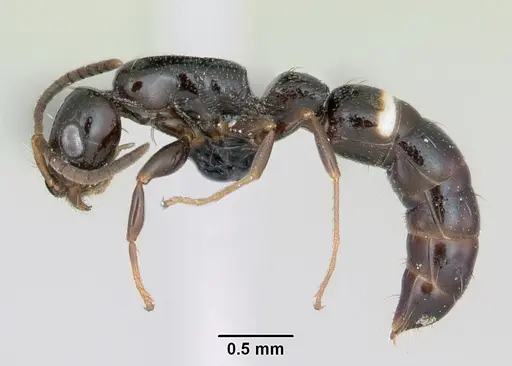
Tanipone zona is a small predatory ant species endemic to Madagascar, belonging to the Dorylinae subfamily (army ant relatives). Workers measure just 0.68-0.81mm in head length, making them one of the smaller ant species you'll encounter [1]. They are dark brown to blackish brown with a distinctive continuous pale band across the third abdominal segment (AIII), which helps distinguish them from their close relative Tanipone maculata [1]. This species is primarily terrestrial, found foraging on the ground in Madagascar's diverse habitats ranging from spiny forest to littoral rainforest [2]. As a member of the cerapachyine group, they are predatory hunters, though their exact prey preferences in the wild remain unstudied.
Quick Summary
- Difficulty: Expert
- Origin & Habitat: Endemic to Madagascar. Found in tropical dry forest, spiny forest, Uapaca woodland, gallery forest, littoral rainforest, and mangroves [2]. This is a ground-dwelling species that forages under stones, in leaf litter, rotten tree stumps, and logs [2].
- Colony Type: Colony structure is unconfirmed. As a Dorylinae species, they likely form moderate-sized colonies, but no specific data exists on queen number or colony size.
- Size & Growth:
- Queen: Undescribed, queen caste has not been documented in scientific literature
- Worker: 0.68-0.81mm head length,0.53-0.63mm head width [1]
- Colony: Unknown, no colony size data available
- Growth: Unknown, no development timing data exists
- Development: Unknown, no direct development data exists for this species (Development timeline is unconfirmed. Based on related Dorylinae patterns, expect several months for complete development at optimal temperatures.)
- Antkeeping:
- Temperature: Keep at 24-28°C. As a tropical Madagascar species, they need warm conditions. A gentle gradient allowing workers to self-regulate is recommended.
- Humidity: Moderate to high humidity, they inhabit areas from dry forest to rainforest. Keep substrate consistently moist but not waterlogged. Provide a gradient from damp to slightly drier areas.
- Diapause: Unlikely, Madagascar species do not typically undergo true hibernation. They may show reduced activity during cooler periods.
- Nesting: Prefer naturalistic setups with moist substrate. They nest in rotting wood, under stones, and in leaf litter in the wild. A plaster nest or naturalistic terrarium with soil substrate works well. Keep nest chambers humid.
- Behavior: Tanipone zona is a predatory ant, though their exact hunting behavior is unstudied. They are ground-foragers and likely hunt small invertebrates. Workers are small (under 1mm) so escape prevention must be excellent, they can squeeze through tiny gaps. Temperament is not well-documented, but related cerapachyines are typically moderate in aggression. Expect them to be more active than typical house ants, similar to other Dorylinae.
Housing and Nest Setup
Tanipone zona requires a naturalistic setup that mimics their ground-dwelling lifestyle. They naturally nest in rotting wood, under stones, and within leaf litter in Madagascar's forests [2]. A naturalistic terrarium with a deep soil layer (at least 5-7cm) works well. Use a moisture-retaining substrate like a mix of soil and coco fiber. Add pieces of rotting wood, bark, or stones to provide hiding places and foraging surfaces. Because workers are extremely small (under 1mm), escape prevention is critical, use fine mesh on any ventilation holes and ensure all connections are sealed tightly. A plaster nest inserted into the terrarium can provide a humid chamber for brood, but allow the ants access to both the nest and the naturalistic area.
Feeding and Diet
As a Dorylinae ant, Tanipone zona is predatory and should be fed small live prey. Offer tiny insects like fruit flies, small pinhead crickets, springtails, and other micro-arthropods. Since workers are only 0.68-0.81mm, prey items should be appropriately sized, no larger than the ants themselves. Feed every 2-3 days, removing uneaten prey to prevent mold. Sugar sources like honey water or sugar water may be accepted occasionally, but protein-rich live prey should form the primary diet. Do not overfeed, small portions prevent mold issues in the humid setup they require.
Temperature and Humidity
Maintain temperatures between 24-28°C, mimicking Madagascar's tropical climate. A slight temperature gradient allows workers to regulate their body temperature. Use a low-wattage heating cable on one side of the setup if room temperature is below 24°C. Place the heating on the SIDE of the nest, not underneath, to prevent excessive drying. Humidity should be moderate to high, these ants inhabit areas ranging from dry forest to rainforest [2]. Keep the substrate consistently moist but never waterlogged. Mist occasionally and ensure the nest area retains humidity. Good ventilation is essential to prevent mold while maintaining humidity.
Behavior and Activity
Tanipone zona is a ground-dwelling predator that forages primarily on the forest floor [2]. They have been collected from pitfall traps, under stones, and in leaf litter samples, indicating they actively search for prey on the ground. Workers are very small, so expect them to be subtle foragers rather than dramatic hunters. The genus is related to army ants, so they may show raiding or group foraging behavior, though this is not well-documented for this specific species. Their distinct pale abdominal band makes them visually identifiable. They are not known to be particularly aggressive but will defend the colony if threatened.
Colony Establishment
Since colony structure data is lacking for this species, assume standard ant founding behavior. If you obtain a founding queen, she will likely seal herself in a chamber (claustral founding is typical for Dorylinae) and raise the first workers alone on stored fat reserves. Provide a quiet, dark location during founding. The first workers (nanitics) will be smaller than mature workers. Once workers emerge, gradually introduce small live prey. Do not disturb the colony during founding, stress can cause queen abandonment. Wild colonies may have ergatoid (wingless) replacement queens, but this is unconfirmed for T. zona.
Frequently Asked Questions
How long does it take for Tanipone zona to raise first workers?
The egg-to-worker timeline is unconfirmed for this species. Based on related Dorylinae patterns, expect 2-4 months at optimal temperature (24-28°C). Patience is essential as this is a slow-growing species with limited documented data.
What do Tanipone zona ants eat?
They are predatory ants that need small live prey. Feed tiny insects like fruit flies, small springtails, pinhead crickets, and other micro-arthropods. Prey should be no larger than the workers themselves (under 1mm). Occasional sugar water may be accepted.
Can I keep Tanipone zona in a test tube?
A test tube is suitable only for founding colonies. Once workers emerge, transfer to a naturalistic setup with soil substrate, rotting wood, and hiding places. They need space to forage and humidity control that test tubes cannot provide long-term.
Do Tanipone zona ants sting?
Dorylinae ants have functional stingers, though the sting potency for this specific species is unstudied. Handle minimally and with care. Their small size means any sting would be mild.
Are Tanipone zona good for beginners?
No. This is an expert-level species due to limited documented care information, small worker size requiring excellent escape prevention, and specific humidity/temperature needs. They are not recommended for beginners.
What size colony do Tanipone zona reach?
Colony size is unconfirmed. Based on related Dorylinae, expect moderate colonies of several hundred workers. Growth rate is slow to moderate.
Do Tanipone zona need hibernation?
No. As a Madagascar species, they do not require true hibernation. They may show reduced activity during cooler periods, but standard room temperature maintenance (24-28°C) year-round is appropriate.
Why are my Tanipone zona dying?
Common causes include: temperature too low (below 24°C), humidity too low or too high (mold issues), escape-related losses due to their tiny size, stress from disturbance during founding, or inadequate prey size. Ensure excellent escape prevention and appropriate prey.
When should I move Tanipone zona to a formicarium?
Move from test tube to naturalistic setup once the colony has 20+ workers. The setup should include moist soil substrate, hiding structures (wood, stones), and space for foraging. Ensure the transition is gradual.
Can I keep multiple Tanipone zona queens together?
This is unconfirmed. Combining unrelated queens is not recommended due to lack of data on their colony structure. Assume monogyne (single queen) unless research proves otherwise.
References

This caresheet is licensed under CC BY-SA 4.0 .
CASENT0001187
View on AntWeb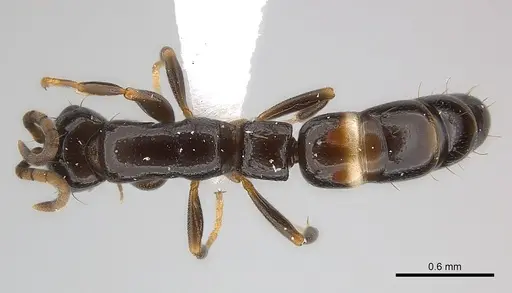
CASENT0010023
View on AntWeb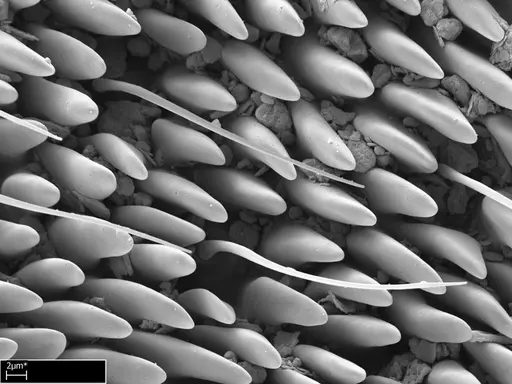
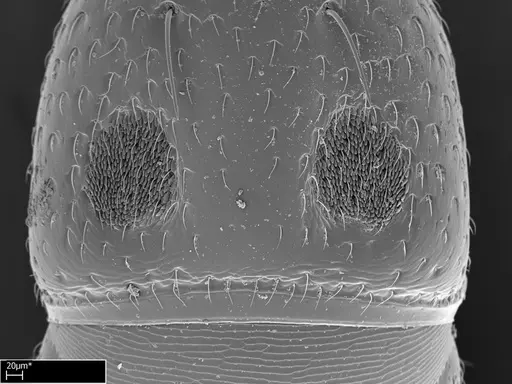
CASENT0020379
View on AntWeb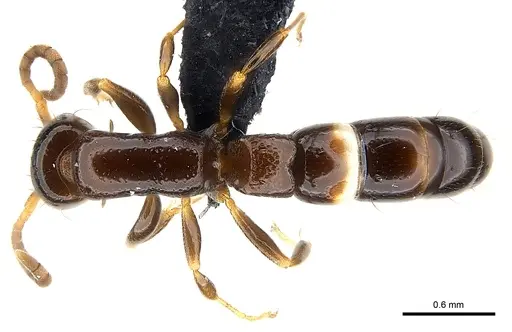
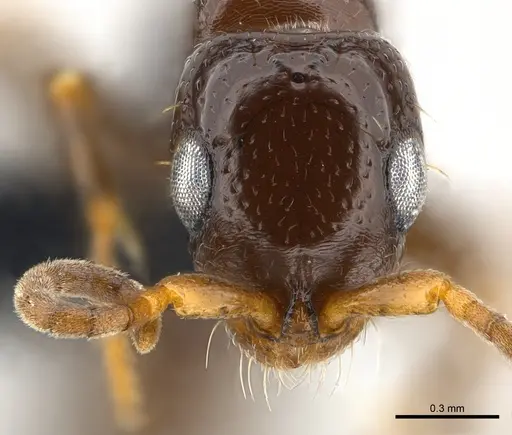
CASENT0020383
View on AntWeb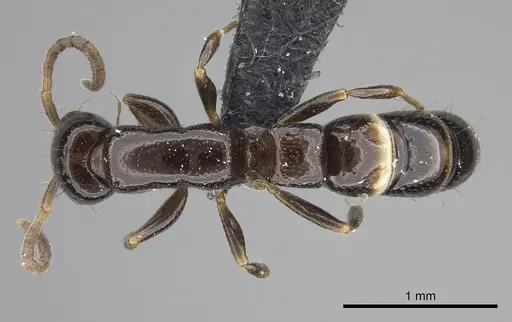
CASENT0137652
View on AntWeb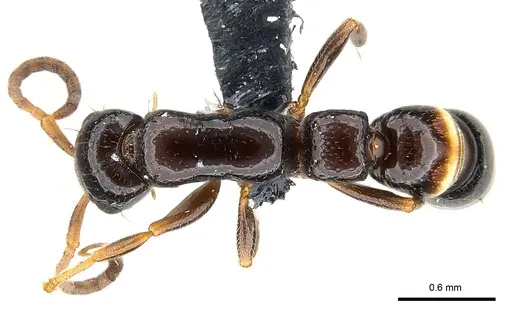
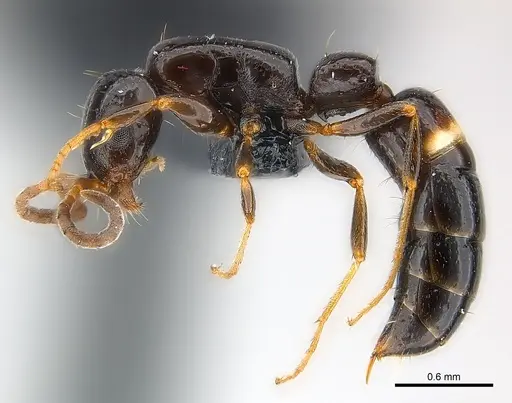
CASENT0168822
View on AntWeb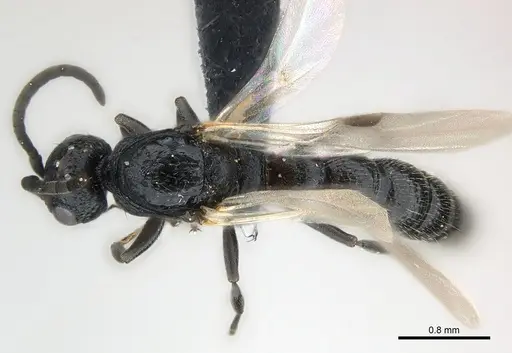
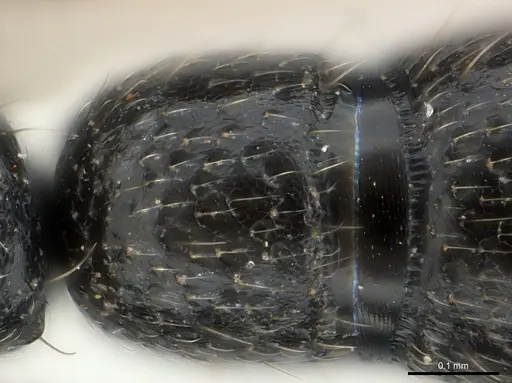
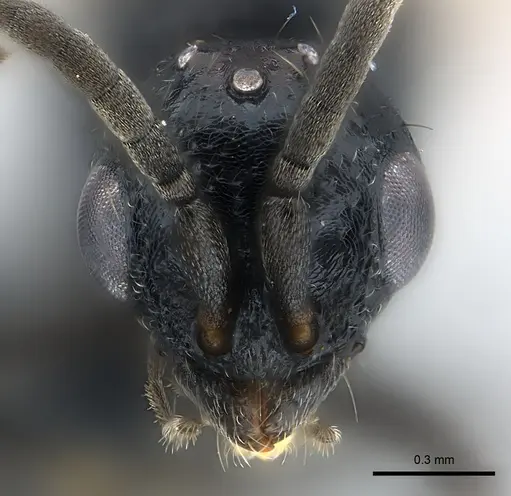
CASENT0491199
View on AntWeb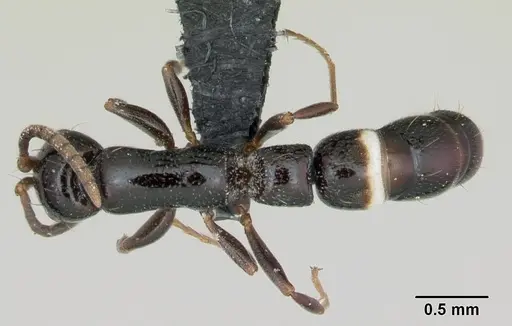
Literature
Loading...Loading products...