

Tanipone varia
- Scientific Name
- Tanipone varia
- Subfamily
- Dorylinae
- Author
- Bolton & Fisher, 2012
- Distribution
- Found in 1 countries
Tanipone varia Overview
Tanipone varia is an ant species of the genus Tanipone. It is primarily documented in 1 countries , including Madagascar. Detailed taxonomic data and occurrence records can be further explored via authoritative databases such as AntWeb or the Global Biodiversity Information Facility (GBIF).
Tanipone varia
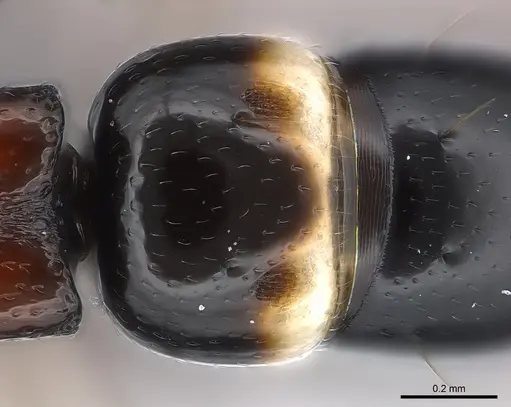
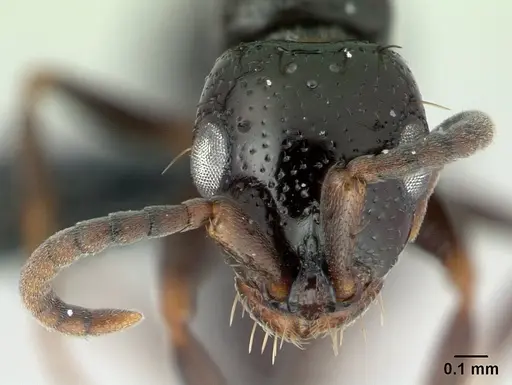
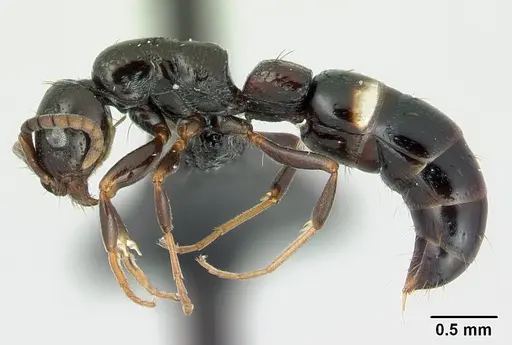
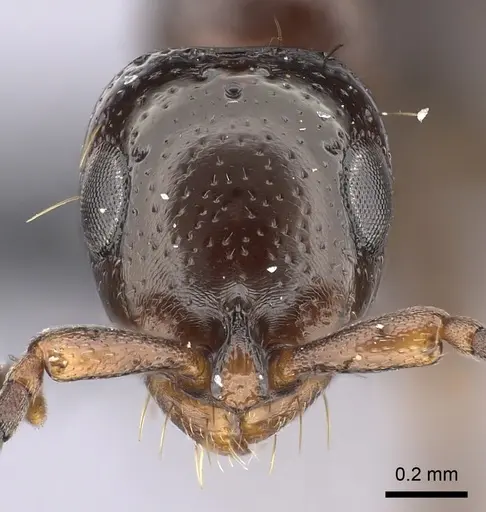
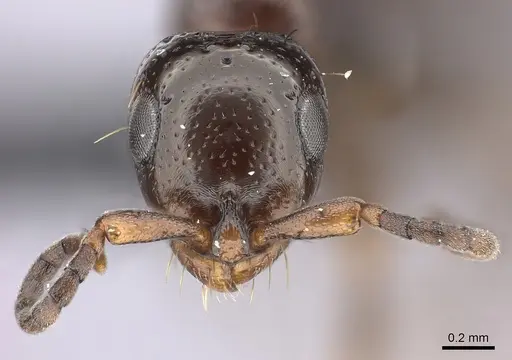
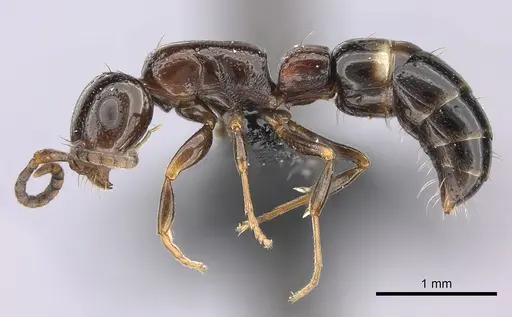
Tanipone varia is a tiny predatory ant endemic to Madagascar, specifically found in the Toliara province. Workers measure just 0.82-0.92mm in head length, making them one of the smaller ant species you'll encounter in the hobby [1]. These ants belong to the Dorylinae subfamily, the army ants, and are members of the maculata species group. They display remarkable color variation, individuals range from orange-brown to dark brown and even blackish-brown, which is reflected in their species name 'varia' meaning 'variable' [1]. The abdomen (AIII) typically shows a pair of pale spots near the tip, separated by darker cuticle [1].
In the wild, these ants inhabit tropical dry forests, spiny forest, and desert scrub areas. They are ground-dwelling predators, found beneath stones, in leaf litter, and inside rotten logs where they hunt for small invertebrates [2]. Their small size allows them to navigate through tight spaces in the forest floor ecosystem. As predators, they play an important role in controlling small arthropod populations in their native habitat.
Quick Summary
- Difficulty: Expert
- Origin & Habitat: Madagascar (Toliara province), tropical dry forest, spiny forest, desert scrub forest, and Uapaca woodland [2]
- Colony Type: Unknown colony structure, Dorylinae colony organization varies significantly between species. No specific data on queen number or colony size for this species.
- Size & Growth:
- Queen: Undescribed, no queen measurements available
- Worker: 0.82-0.92mm HL,0.64-0.74mm HW [1]
- Colony: Unknown, likely smaller colonies typical of Dorylinae litter-dwelling species
- Growth: Unknown
- Development: Unknown, likely 4-8 weeks based on typical Dorylinae development (Development timeline unstudied for this species. Estimates based on related Dorylinae patterns.)
- Antkeeping:
- Temperature: Keep warm at 24-28°C, inferred from their tropical dry forest habitat. Provide a gentle temperature gradient.
- Humidity: High humidity preferred, think damp forest floor. Keep substrate consistently moist but not waterlogged.
- Diapause: Unknown, likely minimal or none given their tropical origin. Consider a slight cool period (around 18-20°C) during winter months if colony shows reduced activity.
- Nesting: Litter-dwelling species. In captivity, they do well in naturalistic setups with moist substrate, leaf litter, and small hiding spots. A compact acrylic nest or test tube setup with access to a foraging area works well. They prefer tight, humid spaces close to the ground surface.
- Behavior: Active predators that hunt small invertebrates. As Dorylinae, they likely have a functional stinger and may sting if threatened. Workers are tiny but determined hunters. Their small size means excellent escape prevention is essential, they can slip through remarkably small gaps. They are ground-dwelling and likely forage through leaf litter and soil crevices.
- Common Issues: escape prevention is critical due to their tiny size, use fine mesh and tight-fitting barriers, very small prey requirements, standard ant feeders may be too large, need springtails or similar micro-prey, humidity management is tricky, they need damp conditions but risk of mold in closed setups, limited information makes care challenging, expect a learning curve with this species, predatory diet means they need constant access to live small prey, not suitable if you want low-maintenance ants
Housing and Nest Setup
Tanipone varia is a litter-dwelling species that thrives in compact, humid setups. A small acrylic nest or test tube setup connected to a foraging area works well. The nest chambers should be tight and scaled to their tiny worker size, these ants are only about 0.8mm long, so they appreciate snug spaces that mimic their natural leaf litter environment. Use a moisture reservoir (like a water tube) to maintain humidity without flooding. The foraging area can be simple, a small plastic container with moist substrate and leaf litter for them to explore. Because they are tiny, even small gaps in your setup can become escape routes. Apply fluon to the edges of any container and use fine mesh (at least 0.5mm or smaller) on any ventilation holes. A naturalistic setup with a layer of moist soil, leaf litter, and small stones mimics their wild habitat and allows them to display natural foraging behaviors. [1][2]
Feeding and Diet
As Dorylinae predators, these ants require a protein-rich diet of small live invertebrates. In captivity, they readily accept springtails, tiny soil mites, small fruit flies, and other micro-arthropods. Because workers are so small (under 1mm), standard ant feeders like mealworms are far too large. You'll need to culture your own source of tiny prey, springtail cultures are ideal and widely available. Offer prey every 2-3 days, removing any uneaten insects after 24 hours to prevent mold. While sugar sources are not typically a primary food for predatory Dorylinae, you can occasionally offer a tiny drop of diluted honey or sugar water, but don't expect them to rely on it. The key is consistent access to small live prey, this is not a species that does well on a varied 'human food' diet. Observe your colony: if workers are actively hunting and capturing prey, you're on the right track. [2]
Temperature and Humidity
Being from Madagascar's tropical dry forests, these ants prefer warm conditions. Aim for 24-28°C in the nest area, with a slight gradient toward cooler temperatures in the foraging space. A small heating cable on one side of the nest can help maintain warmth, but be careful not to dry out the substrate. For humidity, think damp forest floor, the substrate should feel consistently moist but never waterlogged. A moisture tube or small water reservoir connected to the nest works better than misting, which can cause mold issues. Monitor for condensation: some condensation is good, but excessive wetness leads to mold that can harm the colony. If you see mold, reduce humidity slightly and improve ventilation. The combination of warmth and humidity mimics their natural understone and leaf litter microhabitats. [2]
Behavior and Temperament
Tanipone varia workers are tiny but active predators. As members of the Dorylinae subfamily, they possess a functional stinger and may deliver a mild sting if handled roughly or if the colony feels threatened. However, given their minute size, the sting is likely barely perceptible to humans. In the colony, they likely exhibit typical army ant behaviors, coordinated foraging raids where workers hunt in groups through the leaf litter. Their small size means they are excellent at escaping through tiny gaps. Always use escape prevention measures, even if the colony seems small. They are not aggressive toward humans but will defend their nest. These ants are fascinating to watch as they coordinate hunts and navigate their environment. Their predatory nature means they are most active when prey is present, so regular feeding stimulates activity. [1]
Acquiring and Legal Considerations
Tanipone varia is endemic to Madagascar and is not established in the pet trade. Wild-caught colonies are the primary source, which comes with ethical and legal considerations. Madagascar has strict regulations on exporting native species, and many Tanipone species are not commercially available. If you obtain a colony, ensure it comes from a legal source with proper documentation. Never release any ant colony into non-native environments, this applies especially to exotic species like T. varia. Even if your colony were to escape in a non-Madagascar location, they would likely not survive local conditions, but releasing them would still be irresponsible. If you lose interest in keeping them, the most ethical approach is to find another experienced keeper who can take the colony. [2]
Frequently Asked Questions
Can I keep Tanipone varia in a test tube?
Yes, a test tube setup can work for founding colonies. Use a small test tube with a water reservoir (cotton ball at one end) to maintain humidity. The tube should be kept warm (24-28°C) and in darkness. However, because they are predatory, you'll need to regularly offer tiny live prey into the tube, which can be tricky. Many keepers transfer to a small acrylic nest once the colony reaches 20-30 workers, giving them more space for hunting and storage.
What do Tanipone varia ants eat?
They are predators that need small live invertebrates. Springtails are the ideal food, small enough for these tiny workers to tackle and nutritious. You can also offer tiny fruit flies, small soil mites, and other micro-arthropods. Standard ant feeders like mealworms are too large. Offer prey every 2-3 days and remove uneaten items within 24 hours. They may occasionally accept sugar water but should not rely on it as a primary food source.
How long does it take for Tanipone varia to produce first workers?
The exact development timeline is unknown for this species. Based on typical Dorylinae development patterns, expect 4-8 weeks from egg to worker at optimal warm temperatures (around 26°C). The first workers (nanitics) will be very small, similar to the worker measurements of 0.82-0.92mm head length. Growth rate is unstudied, so monitor your colony and adjust feeding accordingly.
Are Tanipone varia good for beginners?
No, this species is not recommended for beginners. There is very limited published care information, they require tiny live prey (which needs culturing), and their small size creates challenges with escape prevention and humidity management. They are best suited for experienced antkeepers who are comfortable with species that have specific, less-documented requirements. If you're new to antkeeping, start with more established species like Lasius, Tetramorium, or Messor.
How big do Tanipone varia colonies get?
The maximum colony size is unknown. Based on related litter-dwelling Dorylinae, colonies likely reach a few hundred workers at most. They are not known for the massive colony sizes seen in some army ant species. Their small size and ground-dwelling nature suggest smaller, more compact colonies compared to surface-foraging army ants.
Do Tanipone varia need hibernation?
Probably not. Being from Madagascar's tropical dry forests, they are accustomed to year-round warmth. A slight temperature reduction during winter months (dropping to around 18-20°C) may be appropriate if your colony shows reduced activity, but full hibernation is not necessary or recommended. Sudden temperature drops can stress or kill colonies. If you keep them at stable room temperature (around 22-26°C) year-round, they should do fine.
Why are my Tanipone varia dying?
Common causes include: prey too large (they can only tackle tiny invertebrates), humidity too low (they need consistently damp substrate), temperature too cold (keep at 24-28°C), escape (check for tiny gaps), or mold from over-wetting. Also ensure you're not overfeeding, excess prey decays and causes mold. Review each parameter and make one adjustment at a time. Given the limited species-specific information, some trial and error is expected. If multiple workers die without obvious cause, consider that wild-caught colonies may have parasites.
Can I keep multiple Tanipone varia queens together?
We don't have information about their natural colony structure. Combining unrelated queens is not recommended since this has not been documented for this species. In the wild, they may be monogyne (single queen) or polygyne (multiple queens), we simply don't know. If you have multiple foundress queens, keep them in separate setups until you observe clear compatibility or conflict.
When should I move Tanipone varia to a formicarium?
Wait until the colony has at least 30-50 workers before moving to a larger setup. A test tube works fine for founding, but once the colony is established and you see workers actively hunting, a small acrylic nest or naturalistic setup gives them more space. The key is ensuring the new setup maintains the humidity and temperature they need. Make the transition gradual, connect the test tube to the new nest and let them explore on their own.
References

This caresheet is licensed under CC BY-SA 4.0 .
CASENT0002488
View on AntWeb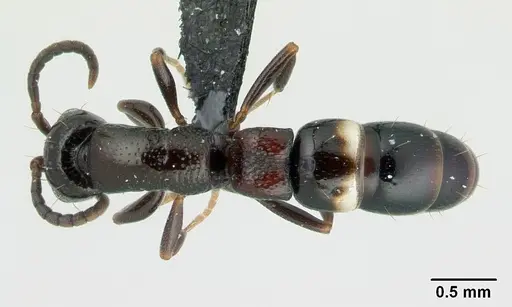
CASENT0021184
View on AntWeb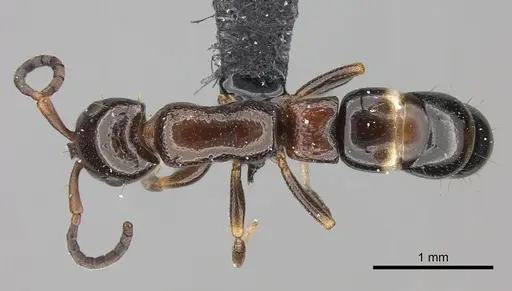
Literature
Loading...Loading products...