

Tanipone subpilosa
- Scientific Name
- Tanipone subpilosa
- Subfamily
- Dorylinae
- Author
- Bolton & Fisher, 2012
- Distribution
- Found in 1 countries
Tanipone subpilosa Overview
Tanipone subpilosa is an ant species of the genus Tanipone. It is primarily documented in 1 countries , including Madagascar. Detailed taxonomic data and occurrence records can be further explored via authoritative databases such as AntWeb or the Global Biodiversity Information Facility (GBIF).
Tanipone subpilosa
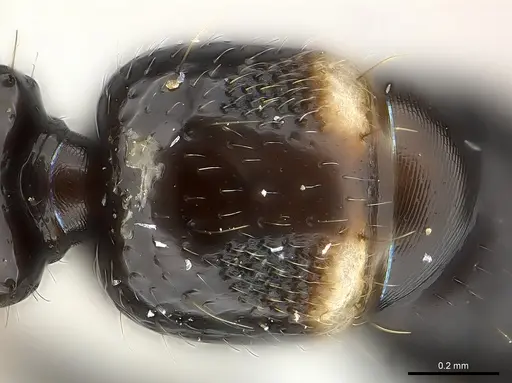
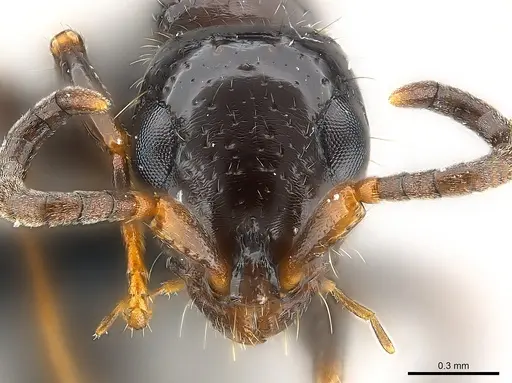
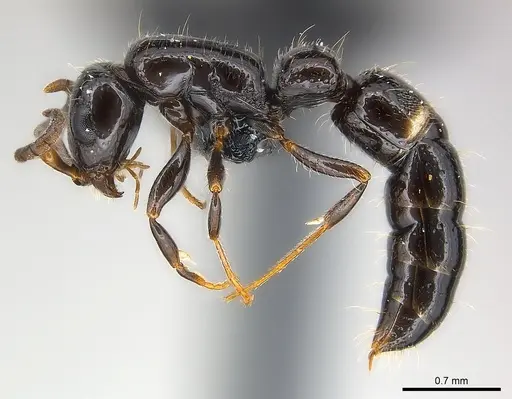
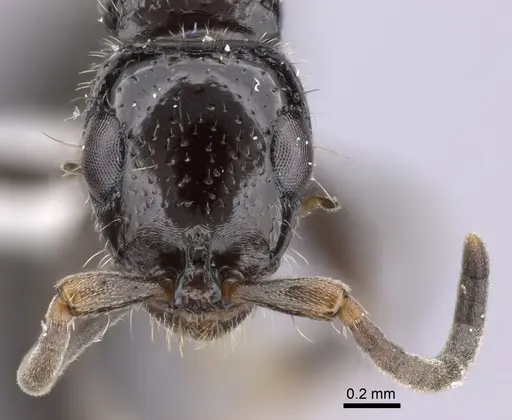
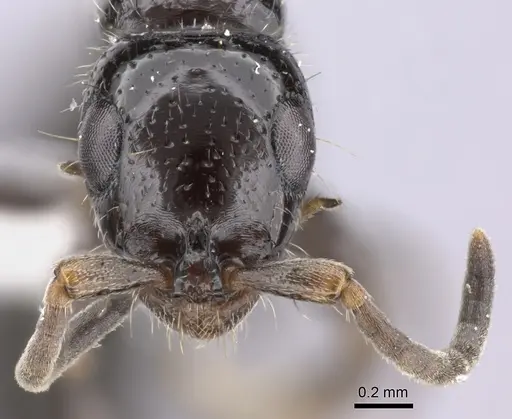
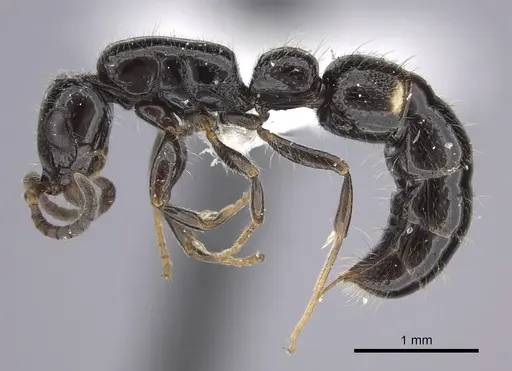
Tanipone subpilosa is a tiny predatory ant species native to Madagascar, belonging to the Dorylinae subfamily (army ants). Workers are among the smallest in the genus, measuring just 0.65-0.79mm in head length, with a uniform brown to blackish-brown body and a distinctive pale band on the third abdominal segment (AIII) [1]. This species is the smallest and most lightly sculptured member of the Tanipone hirsuta species group, characterized by relatively large eyes and sparse body hairs [2]. Found exclusively in tropical dry forests of northern Madagascar, these ants forage both on low vegetation and on the ground, typically at elevations between 60-180 meters [1].
As a Dorylinae species, Tanipone subpilosa is predatory, hunting small invertebrates to feed their colony. This is a rare species in the antkeeping hobby with limited documented captive information, making it best suited for experienced antkeepers interested in obscure Malagasy species.
Quick Summary
- Difficulty: Expert
- Origin & Habitat: Northern Madagascar (Antsiranana Province) in tropical dry forest at 60-180m elevation [1]
- Colony Type: Colony structure unconfirmed, Dorylinae species are typically single-queen colonies but specific data for this species is lacking
- Size & Growth:
- Queen: Undocumented, no queen measurements available
- Worker: 0.65-0.79mm head length (HL),0.49-0.61mm head width (HW) [1]
- Colony: Unknown, no colony size data available
- Growth: Unknown, no development data available
- Development: Unconfirmed, no direct development data exists for this species. Based on typical Dorylinae patterns, expect 4-8 weeks at optimal temperature but this is an estimate. (Development timeline is unconfirmed. Dorylinae ants typically develop relatively quickly compared to larger ants, but specific data for Tanipone subpilosa is not available.)
- Antkeeping:
- Temperature: Keep around 24-28°C, these are tropical forest ants from Madagascar requiring warm, stable conditions. Use a heating cable on one side of the nest to create a gentle gradient if room temperature is below this range.
- Humidity: Maintain moderate to high humidity, tropical dry forest conditions with some moisture. Keep the nest substrate consistently damp but not waterlogged, with some drier areas available for the ants to regulate their own conditions.
- Diapause: Unlikely, being a tropical species from Madagascar, they probably do not require a diapause period. Maintain warm conditions year-round.
- Nesting: Provide a naturalistic setup with moist substrate, these ants forage on the ground and low vegetation. A Y-tong (AAC) nest or well-dampened plaster nest works well. Ensure the nest has tight chambers as they are very small ants.
- Behavior: Tanipone subpilosa is a predatory Dorylinae ant with active foraging behavior. They hunt small invertebrates and are likely aggressive when defending their colony. As very small ants, escape prevention is critical, they can squeeze through tiny gaps. Use fine mesh barriers and ensure all enclosure openings are sealed. Their small size means they are easily lost or crushed during colony maintenance. Dorylinae ants have functional stingers for defense and subjugating prey.
- Common Issues: very small size makes escape prevention challenging, they can slip through standard barrier setups, no captive breeding data exists, establishing a sustainable colony may be difficult, predatory diet requirements mean you need a constant supply of small live prey, tropical species may be sensitive to temperature drops or dry conditions, limited availability in the antkeeping hobby makes obtaining a colony difficult
Species Overview and Identification
Tanipone subpilosa is a rare and obscure ant species described in 2012 by Bolton and Fisher, making it a relatively recent addition to scientific knowledge. It belongs to the Dorylinae subfamily, commonly known as army ants, though this genus is not a typical raiding army ant. Workers are tiny, measuring only 0.65-0.79mm in head length, making them among the smallest ants in the genus [1]. The species is distinguished by its relatively large eyes (EL/HW 0.43-0.48), sparse body sculpturing, and the distinctive pale band at the apex of the third abdominal segment (AIII) [2].
This species is endemic to northern Madagascar, specifically found in the Antsiranana Province. The type localities include Montagne Français and Réserve Analamerana, both in tropical dry forest habitats at low elevations (60-180m). The ants were collected by beating low vegetation and as ground foragers, indicating they are active hunters in the forest understory and on the forest floor [1].
Housing and Nest Setup
Due to their very small size and predatory nature, Tanipone subpilosa requires careful housing setup. A Y-tong (AAC) nest with very tight chambers or a well-moistened plaster nest works best for these tiny ants. The chambers should be appropriately scaled to their minute size, standard chambers designed for larger ants will be too spacious and may cause stress [1].
Because they are ground foragers in tropical forests, maintain moderate to high humidity within the nest. The substrate should remain consistently damp but never waterlogged. You can achieve this by connecting a water reservoir to the nest or using a moistened plaster setup. Include some slightly drier areas within the setup so the ants can self-regulate their moisture preferences.
Escape prevention is critical, their tiny size allows them to squeeze through gaps that would contain larger ants. Use fine mesh (at least 0.5mm) on all ventilation holes and ensure all lids and connections are tightly sealed. A barrier of fluon or similar escape prevention on the rim of the outworld is essential.
Feeding and Diet
As a Dorylinae species, Tanipone subpilosa is predatory and requires a protein-based diet of small live invertebrates. In the wild, they hunt small arthropods in the forest understory and on the ground. In captivity, you should provide a consistent supply of small live prey such as springtails, fruit flies, tiny mealworms, and other micro-arthropods [1].
Feed small prey items every 2-3 days, adjusting based on colony consumption. Remove any uneaten prey after 24-48 hours to prevent mold and mite issues. The colony's protein needs will increase during brood development. Sugar sources may be accepted occasionally but should not be a primary food source, these are primarily predatory ants.
Do not rely on sugar water or honey as a primary food. While some Dorylinae will occasionally accept sweet liquids, their main dietary requirement is live protein. If the colony accepts sugar sources, offer them occasionally as a supplement, but always prioritize live prey.
Temperature and Seasonal Care
Tanipone subpilosa originates from tropical Madagascar and requires warm, stable temperatures year-round. Maintain the nest area at 24-28°C (75-82°F). Temperatures below 22°C may slow activity and potentially harm brood development. Use a heating cable or heating mat on one side of the nest to create a gentle temperature gradient, allowing the ants to regulate their own conditions.
Unlike temperate species, these ants do not require a winter diapause period. Maintain warm conditions throughout the year. Sudden temperature drops should be avoided. If your room temperature falls below the recommended range, use a small thermostat-controlled heater or heating cable to maintain appropriate conditions.
Monitor the colony for signs of temperature stress, workers clustering away from heated areas suggests the nest is too warm, while reduced activity may indicate temperatures are too cool. [1]
Behavior and Colony Dynamics
Tanipone subpilosa is an active predatory ant with foraging behavior both on low vegetation and on the ground. As a Dorylinae species, they likely exhibit coordinated hunting behavior, though the specific hunting strategies of this genus are not well-documented. Workers are small but active, patrolling their territory in search of small invertebrate prey.
Dorylinae ants have functional stingers and will use them for defense when threatened. However, due to their tiny size, the sting is likely negligible to humans. The primary defense concern is preventing escapes, these ants are excellent climbers and can scale smooth surfaces.
Colony dynamics are not well-documented for this species. Based on typical Dorylinae patterns, colonies likely start with a single queen (monogyne) and grow gradually as workers are produced. The colony size is unknown but is probably modest given the very small worker size. [2][1]
Frequently Asked Questions
How long does it take for Tanipone subpilosa to raise their first workers?
The development timeline is unconfirmed for this species. Based on typical Dorylinae patterns, expect 4-8 weeks from egg to worker at optimal temperature (24-28°C), but this is an estimate. No specific data exists for this species, so actual development time may vary.
Can I keep Tanipone subpilosa in a test tube setup?
A test tube setup can work for founding colonies, but due to their very small size (workers are only 0.65-0.79mm), you must ensure excellent escape prevention. Use a cotton plug that is well-packed and consider adding a fluon barrier. For established colonies, a small Y-tong nest or moistened plaster nest with appropriately sized chambers is more suitable.
What do Tanipone subpilosa ants eat?
As a predatory Dorylinae ant, they require small live invertebrates. Feed springtails, fruit flies, tiny mealworms, and other micro-arthropods regularly. Sugar sources may be accepted occasionally but should not be the primary food. Protein is essential for brood development.
Are Tanipone subpilosa good for beginners?
No, this species is not recommended for beginners. They are a rare, poorly-documented species with no captive breeding data available. Their tiny size makes housing and escape prevention challenging, and their predatory diet requires a constant supply of live prey. This species is best suited for experienced antkeepers interested in obscure Malagasy species.
Do Tanipone subpilosa need hibernation?
No, they do not require hibernation. Being a tropical species from Madagascar, they need warm conditions year-round (24-28°C). Maintaining appropriate temperature is more important than attempting to induce a diapause period that would likely harm the colony.
How big do Tanipone subpilosa colonies get?
The maximum colony size is unknown. Based on their very small worker size (0.65-0.79mm), colonies are likely modest in size compared to larger ant species. No published colony size data exists for this species.
Can I keep multiple Tanipone subpilosa queens together?
The colony structure is unconfirmed for this species. Dorylinae are typically monogyne (single-queen), but combining unrelated queens has not been documented for Tanipone subpilosa. Do not attempt to house multiple queens together without specific evidence that they will tolerate each other.
Why are my Tanipone subpilosa dying?
Common causes include: temperature too low (keep at 24-28°C), humidity too dry or too wet, lack of live prey, escape and loss of workers, or stress from excessive disturbance. Ensure proper conditions and minimal interference. Also ensure escape prevention is excellent, they are tiny and easily lost.
Where can I get Tanipone subpilosa ants?
This is an extremely rare species in the antkeeping hobby. It is not commonly available from commercial breeders. You would need to connect with specialized antkeepers or researchers working with Malagasy ant species. Import may be restricted depending on your country's regulations regarding Madagascar-native species.
References

This caresheet is licensed under CC BY-SA 4.0 .
CASENT0110527
View on AntWeb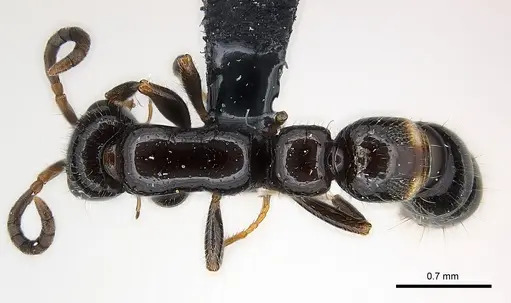
CASENT0410477
View on AntWeb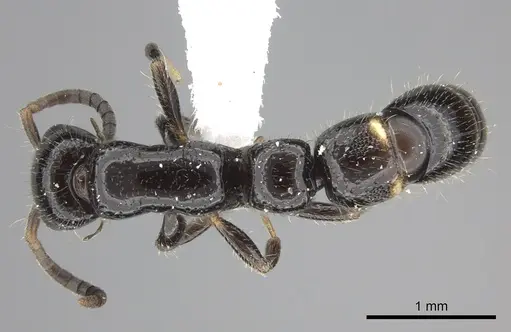
Literature
Loading...Loading products...