

Tanipone scelesta
- Scientific Name
- Tanipone scelesta
- Subfamily
- Dorylinae
- Author
- Bolton & Fisher, 2012
- Distribution
- Found in 1 countries
Tanipone scelesta Overview
Tanipone scelesta is an ant species of the genus Tanipone. It is primarily documented in 1 countries , including Madagascar. Detailed taxonomic data and occurrence records can be further explored via authoritative databases such as AntWeb or the Global Biodiversity Information Facility (GBIF).
Tanipone scelesta
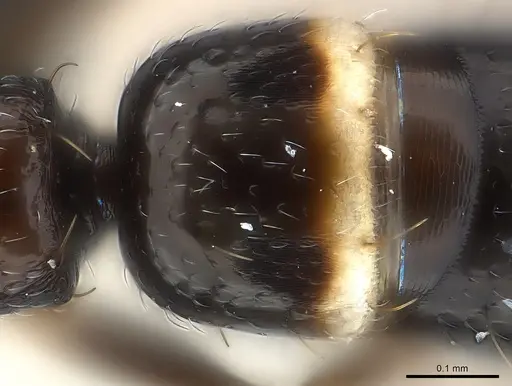
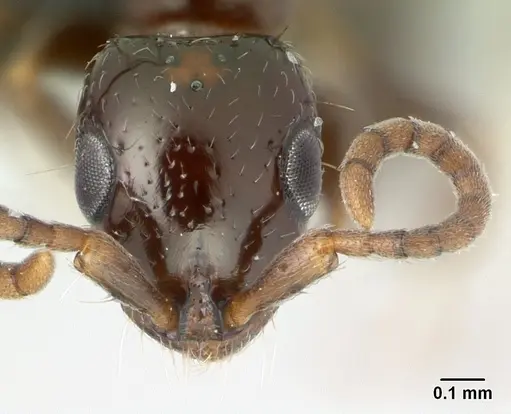
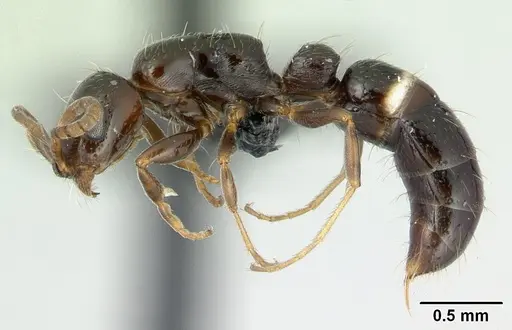
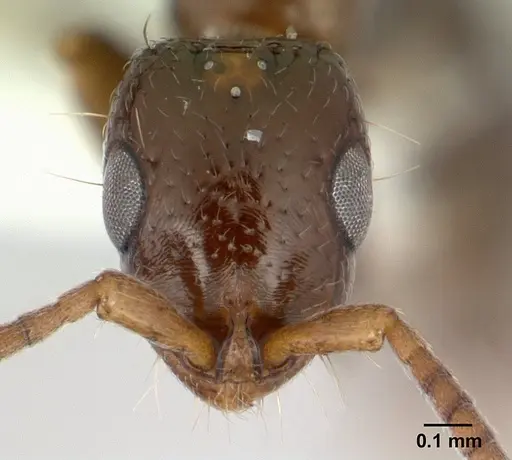
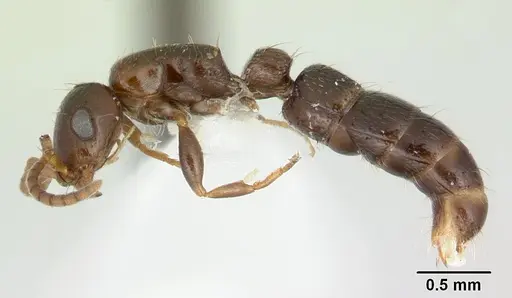
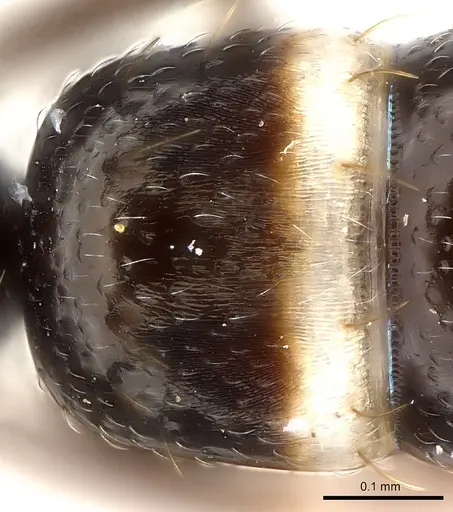
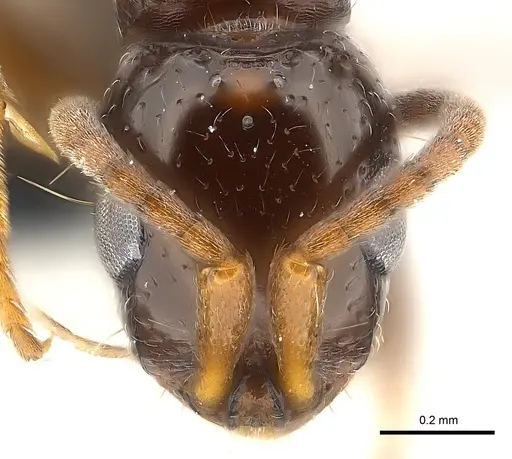
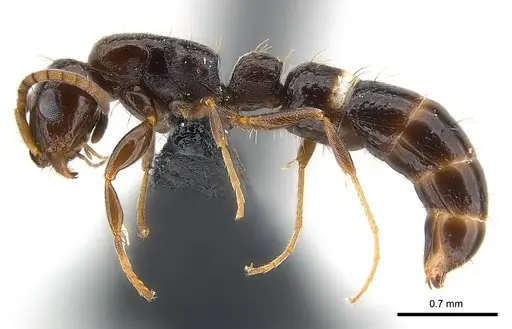
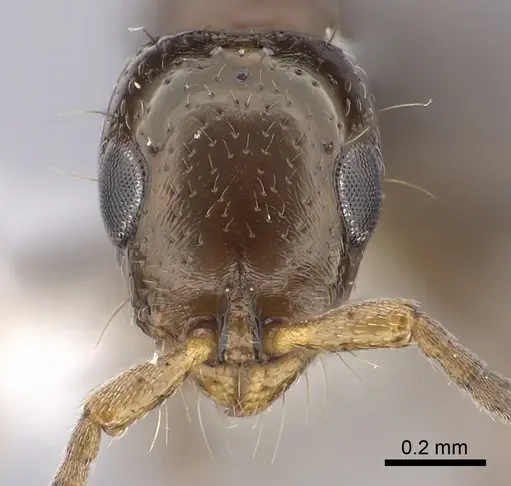
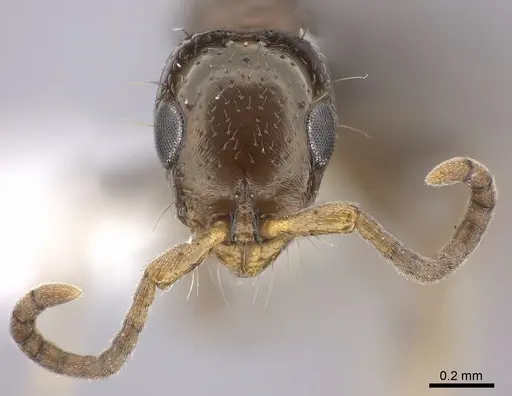
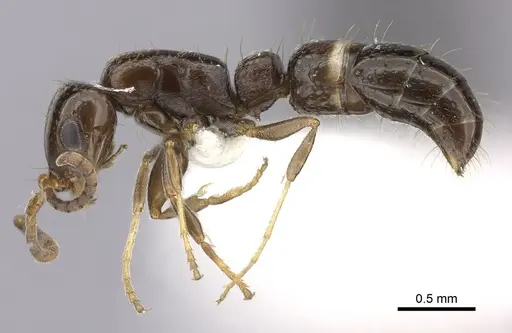
Tanipone scelesta is a tiny ant species native only to Madagascar, belonging to the Dorylinae subfamily (army ant relatives). Workers measure just 0.65-0.79mm in head length, making them among the smaller ants you'll encounter [1]. They are easily recognized by their unusually dense covering of hairs (setae) on the mesosoma and abdomen compared to their relatives [1]. The body is uniformly brown to blackish brown, with a distinctive pale band at the tip of the third abdominal segment visible in most specimens [1].
This species has been documented with ergatoid queens, wingless replacement reproductives that can take over egg-laying duties if the primary queen dies [1]. They are ground-dwelling ants found foraging in savannah, spiny forest, and dry deciduous forest habitats across Madagascar [2].
Quick Summary
- Difficulty: Expert
- Origin & Habitat: Madagascar only, found in savannah shrubland and woodland, spiny forest, tropical dry forest, Uapaca woodland, and Bismarckia woodland [3]. Also recorded from urban gardens [3].
- Colony Type: Colonies likely have a single reproductive queen with ergatoid (wingless) replacement reproductives present. The colony structure is not fully confirmed from available research.
- Colony: Monogyne
- Size & Growth:
- Queen: Ergatoid queens are similar in size to workers, falls within worker range (HL ~0.72mm) [1].
- Worker: 0.65-0.79mm head length,0.80-1.00mm Weber's length [1]. These are very small ants.
- Colony: Unknown, no colony size data available in research.
- Growth: Unknown, no development timing data available.
- Development: Unknown, no direct development data exists for this species. Estimates based on related Dorylinae would suggest several months at optimal temperature. (Development timeline has not been studied. Related army ant species typically take 1-3 months for egg to worker, but this may not apply directly to Tanipone.)
- Antkeeping:
- Temperature: Keep at 24-28°C, they come from tropical Madagascar and need warm conditions. A heating cable on one side of the nest creates a suitable gradient.
- Humidity: Moderate to high humidity, they inhabit dry forest and savannah areas. Keep the nest substrate lightly moist but allow some drying between waterings.
- Diapause: Unlikely, Madagascar is tropical year-round. No diapause requirement is expected, but colonies may slow slightly during cooler periods.
- Nesting: Natural nesting involves ground foragers and specimens found under stones. In captivity, a small test tube setup or Y-tong nest with fine chambers works well. Their tiny size means chambers must be appropriately scaled.
- Behavior: This is a Dorylinae ant, they are predators and likely form small, cryptic colonies. Workers are very small and can escape through extremely tiny gaps. They are not aggressive toward keepers but their small size makes them easy to lose. Escape prevention must be excellent, use fine mesh barriers and tight-fitting lids. They are ground-dwelling and likely nocturnal or crepuscular foragers.
- Common Issues: escape prevention is critical, their tiny size means they can squeeze through gaps invisible to the naked eye, very small colony sizes mean losses have big impact, a few workers dying can halve the colony, no available care information means you are essentially pioneering captive husbandry, wild-caught colonies may carry parasites that can devastate small populations, their predatory nature means they need live prey, they cannot survive on sugar alone
Housing and Nest Setup
Because of their extremely small size, Tanipone scelesta requires careful housing. Use test tubes with cotton-plugged water reservoirs, or a Y-tong (AAC) nest with chambers scaled to their tiny dimensions. The chambers should be tight, these ants feel exposed in large open spaces. A thin layer of substrate (coco fiber or sand) at the bottom of the outworld helps them navigate. Since they are ground-dwelling, provide a dark cover over the nest to mimic their natural under-stone habitat. The outworld should be simple, a small plastic box works well. Fluon or petroleum jelly barriers on the rim are essential for escape prevention. [1][3]
Feeding and Diet
As a Dorylinae ant, T. scelesta is likely a predator. Offer small live prey such as springtails, fruit flies, or tiny crickets. They probably cannot take down large insects, scale prey to their body size. Sugar sources may be accepted occasionally but should not be the primary food. Observe feeding behavior carefully, if they ignore sugar water, focus entirely on protein. Feed small amounts every 2-3 days and remove uneaten prey to prevent mold. Their tiny size means even a single dead springtail can contaminate their space.
Temperature and Seasonal Care
Maintain temperatures between 24-28°C year-round. Madagascar is tropical with minimal seasonal temperature variation, so no hibernation or diapause is needed. A small heating cable under one end of the nest creates a temperature gradient they can choose between. Room temperature may be adequate if your home stays warm (above 24°C). Monitor for signs of stress, if workers cluster away from heat, lower temperature slightly. Avoid temperature swings greater than 3-4°C between day and night. [3]
Behavior and Observation
This species is cryptic and likely nocturnal. Workers forage on the ground surface, searching for small prey. Their dense body setae (hairs) may help with sensory perception, they likely navigate using chemical cues more than vision. Colonies are probably small (tens to perhaps low hundreds of workers based on related species). The ergatoid queen system means if a queen dies, a replacement can take over, this makes the colony more resilient but also means you may not know the queen status. Watch for workers carrying small items, they may take prey back to the nest rather than eating on the spot. [1]
Acquisition and Legal Considerations
Tanipone scelesta is endemic to Madagascar, it is not established anywhere else in the world. If you obtain a colony, it was likely wild-caught from Madagascar. Do not release this species outside its native range, it could become invasive or disrupt native ecosystems. Ensure your source follows applicable export regulations. Because this species has never been kept in captivity before, you are essentially a pioneer. Document your observations carefully, any information you gather about feeding, behavior, or development would be valuable for the antkeeping community. [1]
Frequently Asked Questions
How long does it take for Tanipone scelesta to develop from egg to worker?
The development timeline has not been studied in this species. Based on related Dorylinae (army ant relatives), expect 4-12 weeks at warm temperatures (around 26°C). The first workers (nanitics) will be very small. Without direct data, this is an estimate, your observations would help fill this knowledge gap.
Can I keep Tanipone scelesta in a test tube setup?
Yes, a test tube setup is ideal for this tiny species. Use a small test tube with a cotton-plugged water reservoir. The tube diameter should be appropriate for their size, standard test tubes work but ensure the chamber isn't too large. Cover the tube with a dark sleeve to reduce stress. This species is ground-dwelling and prefers tight, dark spaces.
How big do Tanipone scelesta colonies get?
Colony size is unknown, no research documents maximum colony size for this species. Based on related Dorylinae patterns, colonies are likely small (tens to low hundreds of workers) rather than the massive swarms seen in some army ants. Their cryptic ground-dwelling lifestyle suggests smaller, more dispersed colonies.
What do Tanipone scelesta eat?
They are likely predators, feeding on small invertebrates. Offer live springtails, fruit flies, or other tiny arthropods. Sugar water may be accepted but should not be the primary food source. Scale prey to their tiny body size, even a fruit fly is large prey for these ants.
Are Tanipone scelesta good for beginners?
No, this species is not recommended for beginners. They are extremely small (under 1mm), have no established captive care protocols, and require excellent escape prevention. There is no available information on their specific care requirements. This is a species for experienced keepers willing to experiment and document their findings.
Do Tanipone scelesta need hibernation?
No, they come from tropical Madagascar and do not require hibernation. Keep them at warm temperatures (24-28°C) year-round. They may show slightly reduced activity during cooler periods but will not enter diapause.
Why are my Tanipone scelesta dying?
Without established care information, colony loss is common. Potential causes include: escape (they can squeeze through microscopic gaps), stress from too-large enclosures, improper humidity (too wet or too dry), temperature issues, or starvation. Wild-caught colonies may also carry parasites. Document your setup and conditions to identify problems. Given the lack of captive data, some trial and error is expected.
Can I keep multiple queens together?
The colony structure is not fully confirmed. Ergatoid (wingless) queens are documented, which serve as replacement reproductives within established colonies. However, combining unrelated foundress queens has not been studied. Do not attempt to house multiple queens together without established evidence, the default recommendation is one queen per colony.
What makes Tanipone scelesta different from other ants?
They are one of the smallest ant species kept in captivity, with workers under 1mm. They belong to Dorylinae (army ant relatives) but are not typical army ants, they are cryptic ground-dwellers. Their most distinctive feature is the unusually dense covering of hairs (setae) on their body, which helps distinguish them from related Tanipone species. They are also endemic to Madagascar only.
References

This caresheet is licensed under CC BY-SA 4.0 .
CASENT0002323
View on AntWeb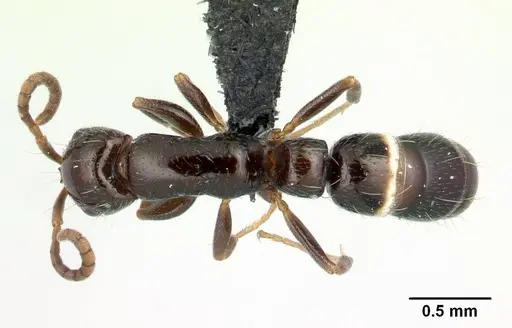
CASENT0004511
View on AntWeb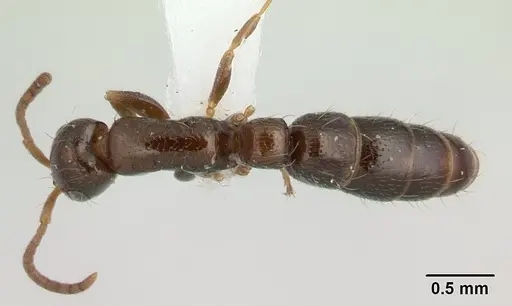
CASENT0073599
View on AntWeb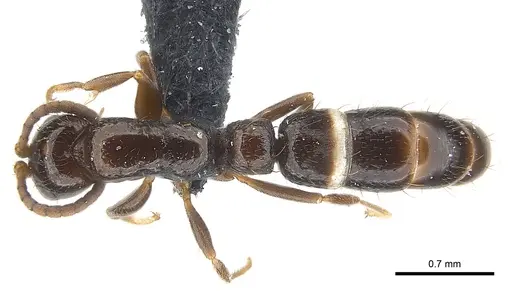
CASENT0430032
View on AntWeb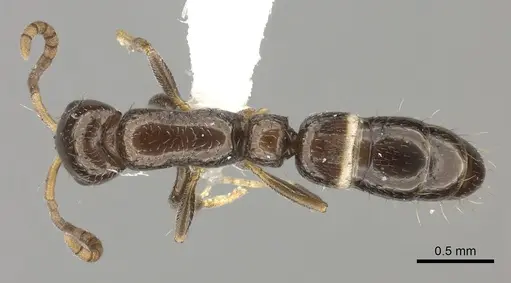
Literature
Loading...Loading products...