

Tanipone pilosa
- Scientific Name
- Tanipone pilosa
- Subfamily
- Dorylinae
- Author
- Bolton & Fisher, 2012
- Distribution
- Found in 1 countries
Tanipone pilosa Overview
Tanipone pilosa is an ant species of the genus Tanipone. It is primarily documented in 1 countries , including Madagascar. Detailed taxonomic data and occurrence records can be further explored via authoritative databases such as AntWeb or the Global Biodiversity Information Facility (GBIF).
Tanipone pilosa
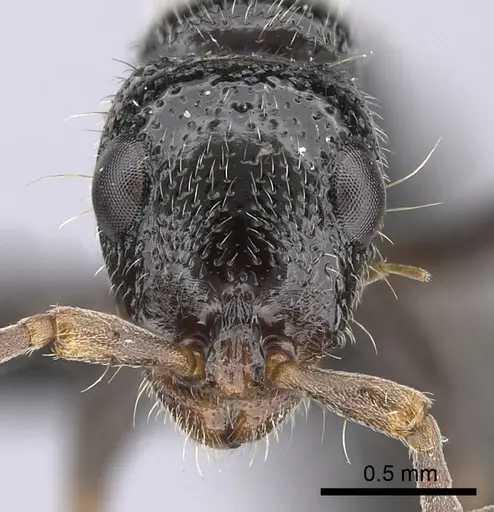
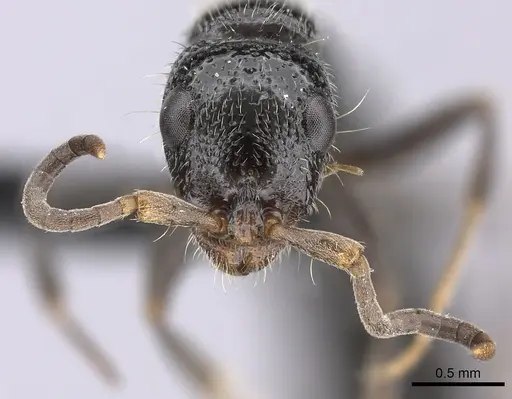
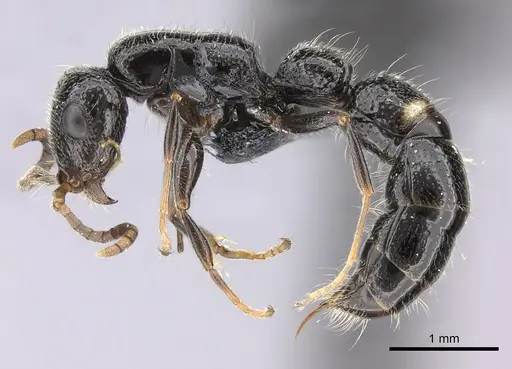
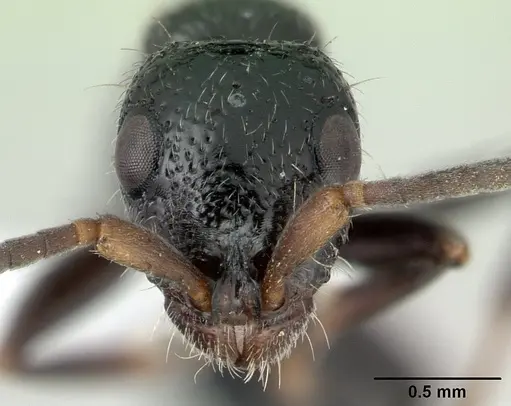
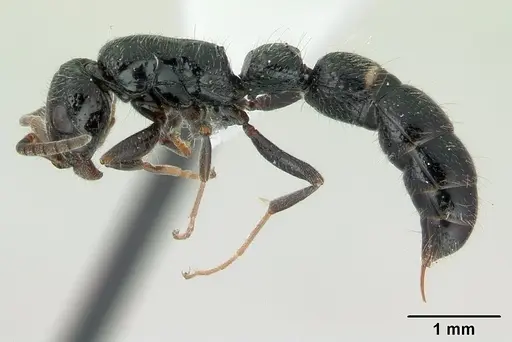
Tanipone pilosa is a small predatory ant species native to Madagascar, belonging to the Dorylinae subfamily (army ants). Workers measure 1.12-1.18mm in head length and are uniformly black with distinctive pale spots on the third abdominal segment (AIII). They belong to the hirsuta species group, characterized by dense pilosity (long hairs covering their body) and glandular patches on the abdomen. Their eyes are positioned more anteriorly compared to the similar-looking Tanipone hirsuta, and they are less strongly sculptured. These ants inhabit tropical dry forests in northern Madagascar where they forage on the ground, on low vegetation, and in rot pockets on tree trunks [1][2].
As Dorylinae, these ants are predatory hunters. They were discovered in Réserve Analamerana at approximately 60m elevation in December 2004. The species was formally described in 2012 by Bolton and Fisher. Their small size and predatory nature make them a specialized but challenging species for experienced antkeepers interested in army ant behavior.
Quick Summary
- Difficulty: Expert
- Origin & Habitat: Northern Madagascar (Prov. Antsiranana) in tropical dry forest at 60m elevation. Found in Réserve Analamerana,28.4km from Anivorano-Nord [1][2].
- Colony Type: Colony structure is unconfirmed. Dorylinae species are typically monogyne (single queen) but this has not been documented for T. pilosa.
- Size & Growth:
- Queen: Unknown, queen has not been described
- Worker: HL 1.12-1.18mm, HW 0.89-0.97mm, WL 1.42-1.54mm [1]
- Colony: Unknown, no colony size data available
- Growth: Unknown, no development data available
- Development: Unknown, no direct measurements. Based on related Dorylinae patterns and tropical location, estimated 4-8 weeks at optimal temperature. (Development timeline is unconfirmed. Related army ants typically have relatively fast development compared to other ant subfamilies.)
- Antkeeping:
- Temperature: Keep at 24-28°C. This species comes from tropical Madagascar where temperatures are consistently warm year-round. A slight gradient allowing cooler areas around 22°C is beneficial.
- Humidity: Moderate humidity (50-70%). Their natural habitat is tropical dry forest, but they also forage in rot pockets on tree trunks indicating they need some moisture. Keep the nest substrate lightly moist but not waterlogged.
- Diapause: No, Madagascar is tropical and does not experience cold winters. These ants likely remain active year-round with no diapause requirement.
- Nesting: In nature they nest in rot pockets on tree trunks and forage on the ground. In captivity, a naturalistic setup with a moist soil layer and small retreats works well. Their small size means they need tight chambers and fine mesh barriers to prevent escape.
- Behavior: These are predatory army ants that hunt small invertebrates. They forage on the ground and on low vegetation, actively hunting prey rather than scavenging. Their small size (under 2mm) means excellent escape prevention is essential, they can squeeze through tiny gaps. As Dorylinae, they are likely aggressive hunters but their small size means they pose no sting threat to humans. They are primarily active during warmer hours of the day in their tropical habitat.
- Common Issues: escape prevention is critical due to their very small size, use fine mesh and tight-fitting lids, lack of available live prey will lead to colony decline, they require constant access to small live invertebrates, wild-caught colonies may contain parasites that can devastate captive colonies, temperature drops below 20°C can slow activity and potentially harm the colony, limited information means keepers must experiment with care conditions, this is not a beginner species
Housing and Nest Setup
Tanipone pilosa requires a setup that accommodates their small size and predatory lifestyle. A naturalistic terrarium-type enclosure works best, with a moist soil layer (about 2-3cm deep) allowing them to create retreats and hunt through the substrate. Include small pieces of rotting wood, cork bark, or leaf litter to simulate their natural rot pocket and ground-foraging habitat. Because they are tiny (workers are only about 1mm body width), escape prevention must be excellent, use fine mesh (at least 0.5mm) on any ventilation holes and ensure all seams are tight. A test tube setup can work for founding colonies but will need to be expanded quickly as the colony grows. Provide a water source via a small test tube with cotton, but avoid flooding the setup. [1][2]
Feeding and Diet
As Dorylinae (army ants), these are obligate predators that require live prey. Their small size means they can only tackle very small invertebrates, springtails, tiny soil mites, booklice, and fruit fly larvae are ideal. Offer prey items at least twice weekly, and remove any uneaten prey after 24-48 hours to prevent mold. They are unlikely to accept sugar sources (honey water, sugar water) since army ants specialize in protein hunting. Do not attempt to feed them large prey items, their workers are only about 1mm wide and need appropriately sized food. A constant supply of small live prey is essential for colony survival and growth. [2]
Temperature and Seasonal Care
Maintain temperatures between 24-28°C with a slight gradient allowing workers to self-regulate. These ants come from tropical Madagascar where year-round temperatures are warm. A heating cable or mat on one side of the enclosure can create the necessary gradient. Avoid temperatures below 20°C as this is outside their natural range and could slow or stop colony activity. Since they are from a tropical environment, they do not require hibernation or diapause, keep them at consistent warm temperatures year-round. Room temperature in most homes (20-24°C) may be slightly cool, consider using a small thermostat-controlled heater for the ant area. [1][2]
Behavior and Temperament
Tanipone pilosa workers are active hunters that forage on the ground and low vegetation. They likely use chemical trails to coordinate group hunting raids, similar to other Dorylinae. Their small size and predatory nature means they are not aggressive toward humans, they pose no sting threat due to their minute size. However, they are efficient escape artists and will quickly find any gap in their enclosure. They are not known to be particularly territorial or aggressive toward other ant species, but will defend their nest if threatened. Their dense pilosity (covering of long hairs) is a distinctive identification feature in the genus. [1][2]
Colony Establishment
Establishing a colony of this species requires either finding a wild colony or obtaining queen(s) from nuptial flights, neither of which has been documented in scientific literature. If you obtain a founding queen, she will likely need to hunt during founding (semi-claustral behavior typical of Dorylinae), so she must be provided with small live prey from the start. Keep the founding setup humid and warm. Do not disturb the queen during the founding period. Given the lack of captive breeding data, expect a period of experimentation to determine optimal conditions. This species is not recommended for beginners due to the limited available care information and specialized predatory requirements.
Frequently Asked Questions
How long does it take for Tanipone pilosa to produce first workers?
The egg-to-worker timeline is unconfirmed for this species. Based on related Dorylinae and their tropical location, expect approximately 4-8 weeks at optimal temperature (around 26°C). However, this is an estimate, actual development time may vary.
Can I keep Tanipone pilosa in a test tube setup?
Yes, a test tube setup can work for a founding colony. Use a small test tube with a water reservoir and keep it humid and warm (24-28°C). However, you will need to expand to a larger naturalistic setup as the colony grows to provide hunting space.
What do Tanipone pilosa eat?
They are predatory army ants that require live small invertebrates. Feed them springtails, tiny soil mites, booklice, fruit fly larvae, and other very small live prey. They are unlikely to accept sugar sources. Constant access to live prey is essential.
Are Tanipone pilosa good for beginners?
No, this is an expert-level species. There is very limited information about their captive care, they require constant access to live prey, and their tiny size makes escape prevention challenging. They are not recommended for beginners.
Do Tanipone pilosa need hibernation?
No, they do not require hibernation. They come from tropical Madagascar where temperatures remain warm year-round. Keep them at consistent warm temperatures (24-28°C) without seasonal cooling.
How big do Tanipone pilosa colonies get?
The maximum colony size is unknown. No wild colony size data has been documented for this species. Related Dorylinae can form large colonies, but actual size for T. pilosa is unconfirmed.
Why are my Tanipone pilosa dying?
Common causes include: lack of live prey (they will starve without constant hunting), temperatures below 20°C, escape through tiny gaps, and parasites from wild-caught colonies. Ensure proper temperature, constant small live prey, and excellent escape prevention.
Can I keep multiple Tanipone pilosa queens together?
This has not been documented. Dorylinae are typically monogyne (single queen), but colony structure for this specific species is unconfirmed. Do not attempt combining unrelated queens without documented evidence they can coexist.
When should I move Tanipone pilosa to a formicarium?
Move from a test tube to a larger naturalistic setup once the colony reaches 20-30 workers and you notice they are actively hunting in the tube. Provide enough space for them to forage and hunt live prey.
References

This caresheet is licensed under CC BY-SA 4.0 .
CASENT0110420
View on AntWeb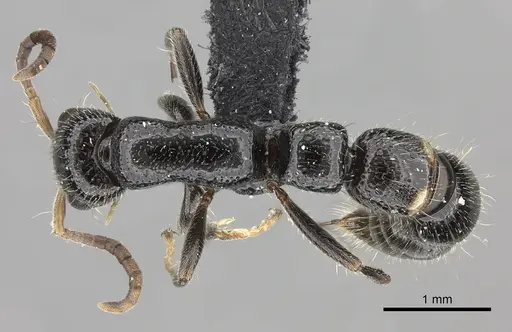
CASENT0410479
View on AntWeb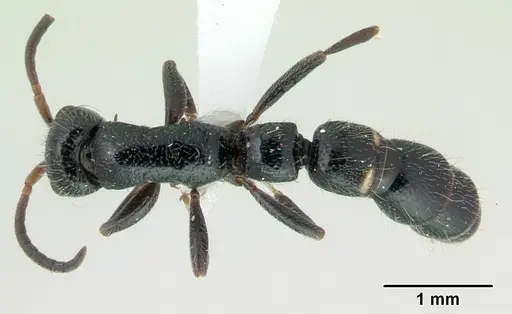
Literature
Loading...Loading products...