

Talaridris mandibularis
- Scientific Name
- Talaridris mandibularis
- Tribe
- Attini
- Subfamily
- Myrmicinae
- Author
- Weber, 1941
- Distribution
- Found in 4 countries
Talaridris mandibularis Overview
Talaridris mandibularis is an ant species of the genus Talaridris. It is primarily documented in 4 countries , including Bolivia, Plurinational State of, Brazil. Detailed taxonomic data and occurrence records can be further explored via authoritative databases such as AntWeb or the Global Biodiversity Information Facility (GBIF).
Talaridris mandibularis
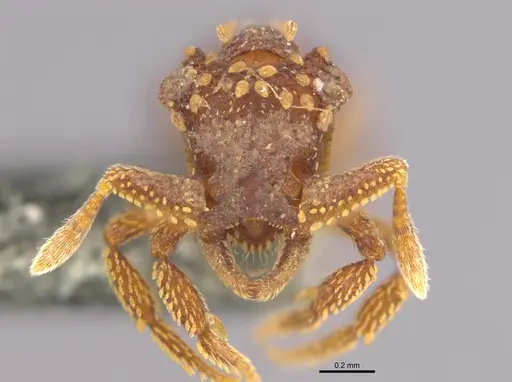
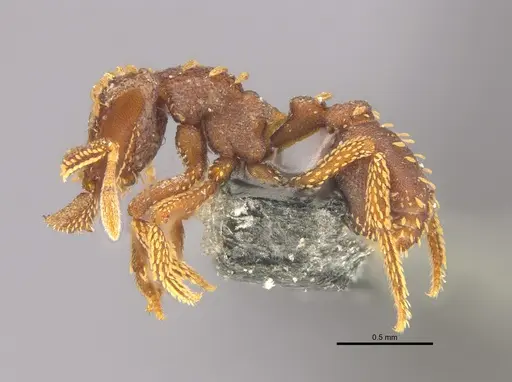
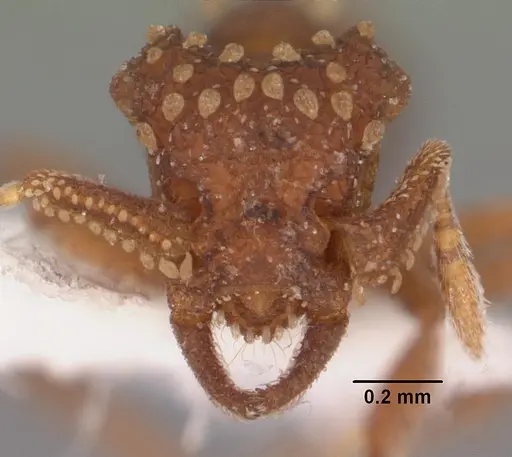
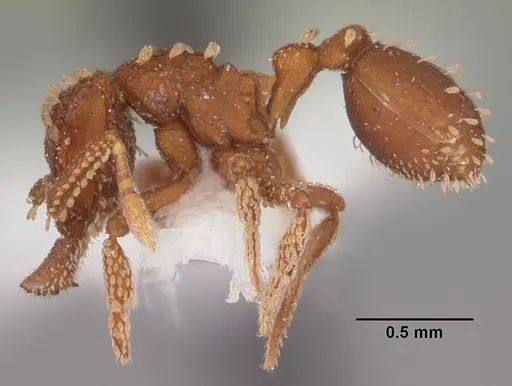
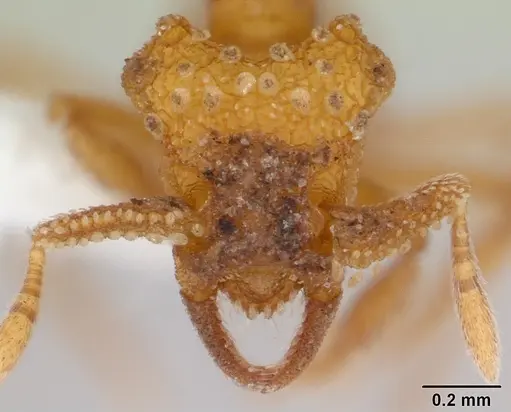
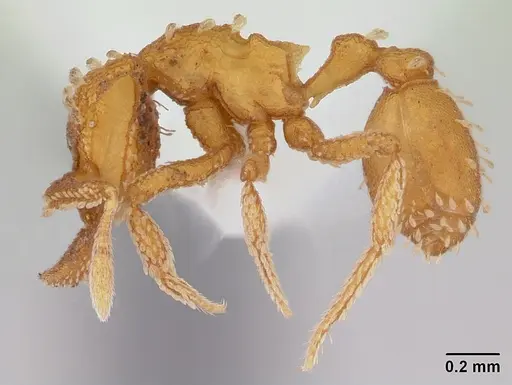
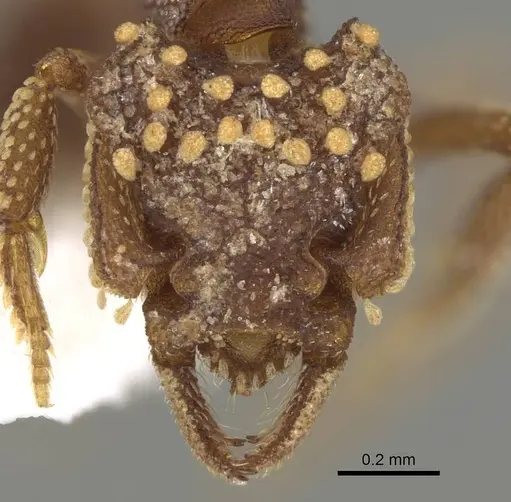
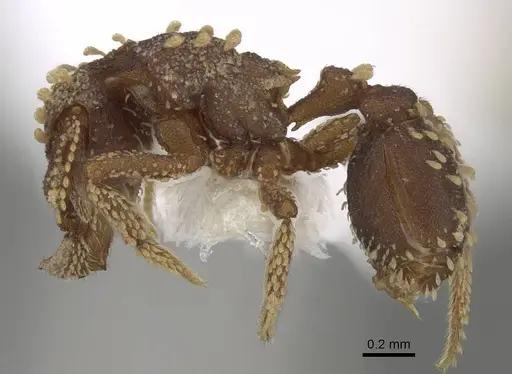
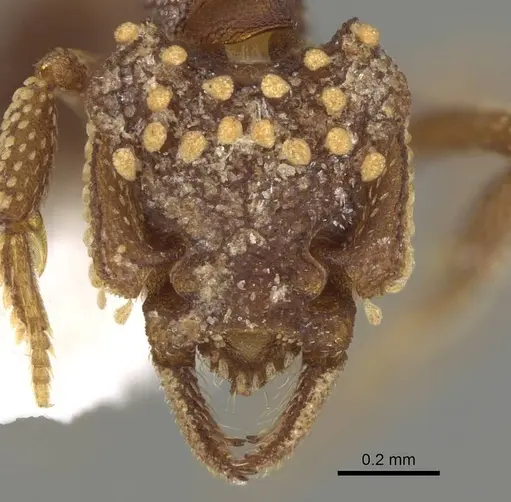
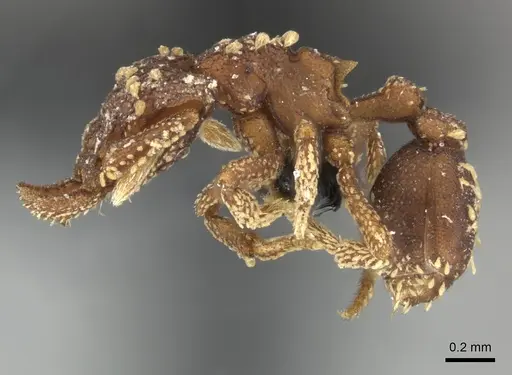
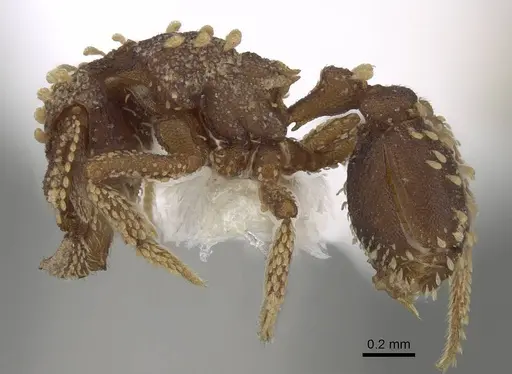
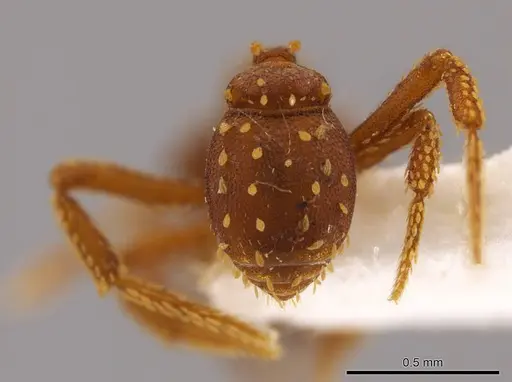
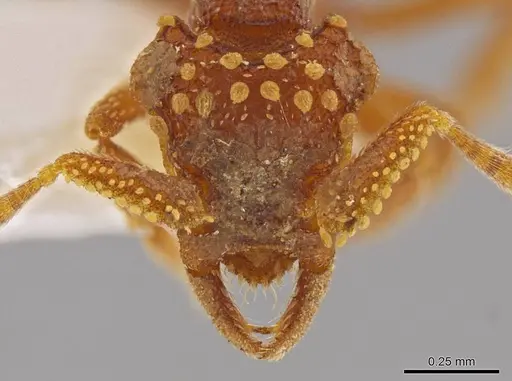
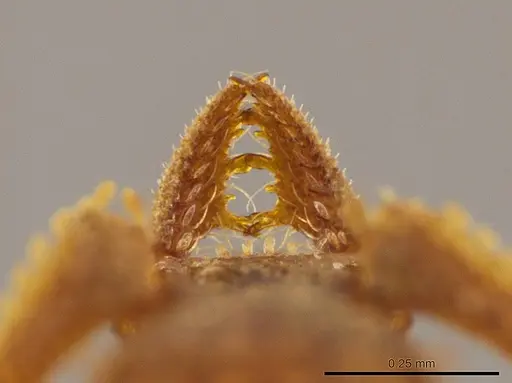
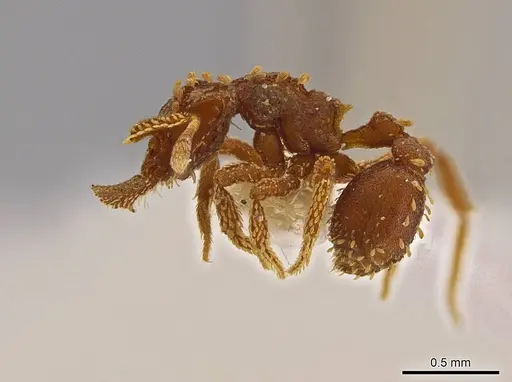
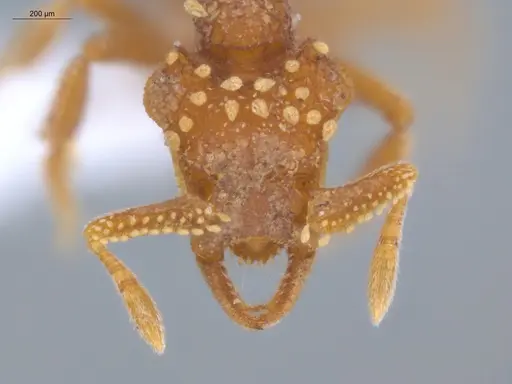
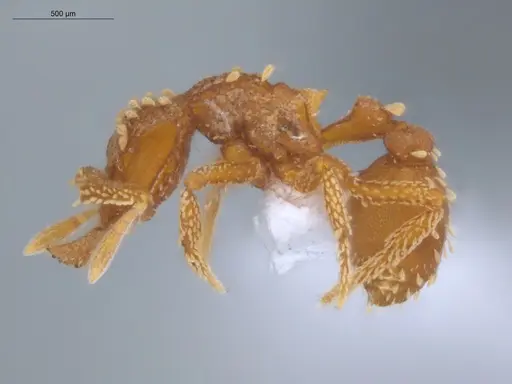
Talaridris mandibularis is a tiny, rarely collected ant measuring just 2.8mm for workers and 3.2mm for queens [1]. It is the sole member of its genus and belongs to the tribe Basicerotini (formerly placed in Attini) [2]. This ant has a distinctive appearance with 7-segmented antennae and uniquely shaped mandibles that curve upward and broaden at the tips, forming a basket-like structure [1]. The body is pale ferruginous (rusty orange) with coarse, scale-like hairs covering its surface, giving it a somewhat fuzzy appearance [1]. Found across northern South America including Brazil, Colombia, French Guiana, Guyana, Trinidad and Tobago, and now confirmed in Pará, Brazil [3][4]. This is a litter-dwelling species that lives in the humid rainforest floor, rarely encountered due to its cryptic habits and small size [1].
Quick Summary
- Difficulty: Expert
- Origin & Habitat: Rainforest species from northern South America (Brazil, Colombia, French Guiana, Guyana, Trinidad and Tobago). Found in leaf litter and humus in humid forest environments at elevations from near sea level to around 500m [1][3].
- Colony Type: Unknown, colony structure has not been documented. Related Basicerotini species are typically monogyne (single queen) but this species has not been studied.
- Size & Growth:
- Queen: 3.2mm [1]
- Worker: 2.8mm [1]
- Colony: Unknown, no colony size data exists for this species
- Growth: Unknown
- Development: Unknown, no development data exists for this species (No research has documented the development timeline. Related tiny Myrmicinae suggest 4-8 weeks at tropical temperatures, but this is purely speculative.)
- Antkeeping:
- Temperature: Estimated 22-26°C based on being a tropical rainforest litter species. Start in the mid-20s and observe colony activity.
- Humidity: High humidity required, rainforest floor litter species. Keep substrate consistently moist but not waterlogged. Aim for 70-80% humidity in the outworld.
- Diapause: Unknown, tropical species may not require true diapause but may show reduced activity in cooler months.
- Nesting: Natural nesting occurs in leaf litter and humus on the forest floor. In captivity, a small test tube setup or miniature acrylic nest works well. Provide moist substrate and small prey items.
- Behavior: This is a cryptic, ground-dwelling ant that forages slowly through leaf litter. Due to its tiny size, escape prevention is critical, these ants can easily slip through standard barriers. Temperament is likely non-aggressive, consistent with other small litter-dwelling ants. No stinging capability documented, Myrmicinae have stingers but this tribe's defense mechanisms are not well studied.
- Common Issues: escape prevention is critical due to tiny 2.8mm size, use fine mesh barriers, no captive husbandry information exists, this is essentially an unstudied species, humidity control is challenging, too dry causes desiccation, too wet causes mold, slow growth and cryptic behavior make it hard to monitor colony health, wild-caught colonies may have high parasite loads due to limited research
Discovery and Rarity
Talaridris mandibularis is one of the rarest ants in the world to keep in captivity. It was described by Weber in 1941 from Trinidad and remains the sole member of its genus [1]. The species has been collected only a handful of times across its range in northern South America. The most recent records include specimens from Caquetá, Colombia (794km west of the closest previous record in Venezuela) and from Pará, Brazil [3][4]. This ant exemplifies how little we still know about tropical ant diversity, even basic biology like colony size, founding behavior, and diet preferences remain completely undocumented.
Identification and Morphology
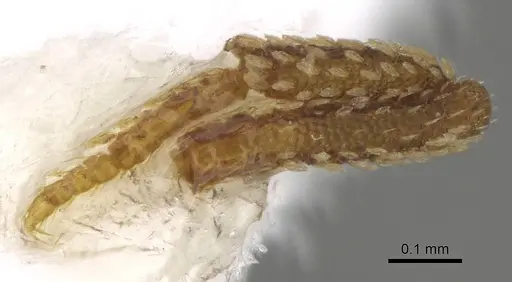
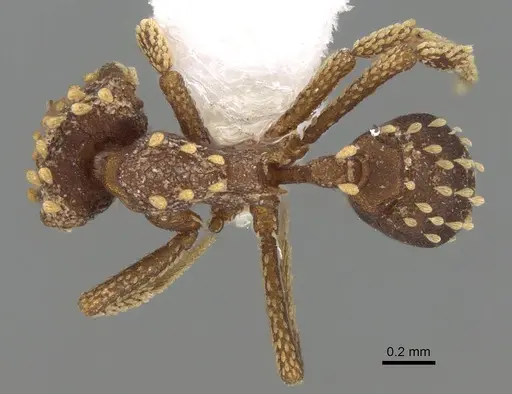
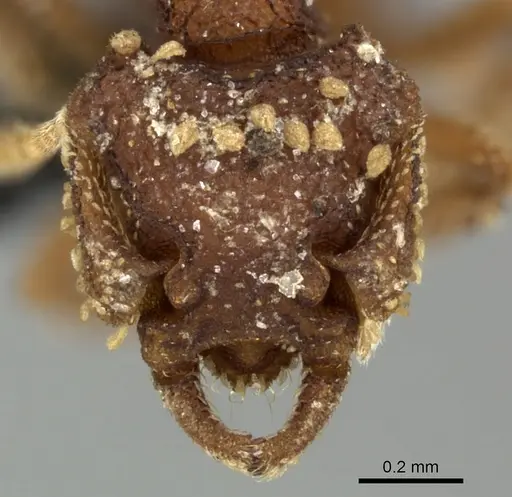
This tiny ant is distinctive but easily overlooked. Workers measure just 2.8mm and have 7-segmented antennae (compared to the similar Rhopalothrix genus) [1]. The most remarkable feature is the mandibles, they are elongate and curve dorsally, finally broadening into an obliquely oriented apical masticatory border with acute teeth. The two mandibles together form a basket-like structure at the front of the head [1]. The body is covered in coarse, scale-like or flattened-clavate hairs, particularly on the appendages. Color is pale ferruginous (rusty orange), with the legs slightly paler than the body [1]. Queens are larger at 3.2mm and have the usual sexual differences including larger eyes and ocelli. Males have never been collected [1].
Distribution and Habitat
Talaridris mandibularis is known from northern South America and Trinidad [1]. Countries with confirmed records include Brazil (Pará state, including Curionópolis and Itaituba), Colombia (Caquetá: PNN Serranía de Chiribiquete), French Guiana, Guyana, Venezuela, and Trinidad and Tobago [3][4]. The type specimens were collected in Trinidad under leaves in bamboo clump areas and ridge forest at elevations between 200-1580 feet [1]. In Colombia, a specimen was collected using a Winkler extractor from leaf litter in a protected area at 794km west of the previous known range [3]. This is a true rainforest litter species, found in the humid microhabitat of decomposing leaves and organic matter on the forest floor.
Taxonomy and Relationships
This species belongs to the tribe Basicerotini (recently moved from Attini based on phylogenetic analysis) and is the sole member of its genus Talaridris [2][5]. It is very similar to Rhopalothrix, and some researchers have suggested the two genera might eventually be merged as more species of Rhopalothrix become known [1]. The genus is part of the Myrmicinae subfamily. Despite being described in 1941 and having a wide distribution across northern South America, this species remains one of the least studied ants in the world. No males have ever been collected, and virtually nothing is known about its colony structure, reproduction, or behavior in the wild [1].
Keeping an Unstudied Species
Talaridris mandibularis represents a significant challenge for antkeepers, there is essentially no captive husbandry information available. This is not a species for beginners. You will need to be prepared to experiment and document your own observations carefully. Start with a small test tube setup with moist cotton, keeping the setup humid but with some ventilation to prevent mold. Temperature should be in the low-to-mid 20s Celsius (22-26°C). Feed small live prey, these are likely predatory on tiny arthropods like springtails, but acceptance is uncertain. The tiny size (2.8mm workers) means escape prevention must be excellent, even standard fluon barriers may not be sufficient. Consider using multiple barriers or very fine mesh. The biggest challenge is that we simply do not know what this species needs to thrive in captivity. Any successful keeper should document their findings thoroughly.
Related Species and Comparative Biology
Since Talaridris itself has no documented biology, we can only infer from related genera in Basicerotini. Members of this tribe are typically small, litter-dwelling ants that forage slowly through the forest floor layer. They are often predatory on small invertebrates. Colony sizes are generally small, likely under 100 workers for most species. The unusual mandible shape suggests specialized prey handling, possibly for grasping very small prey items or fungal particles. The dense covering of scale-like hairs is a notable trait of this tribe, these hairs help the ants bind soil particles to their body as camouflage, a behavior documented in related Basicerotini and Stegomyrmecini species [6]. This camouflage likely helps them avoid predators in the litter layer.
Frequently Asked Questions
How long does it take for Talaridris mandibularis to develop from egg to worker?
This is completely unknown, no research has ever documented the development timeline for this species. Related tiny Myrmicinae suggest 4-8 weeks at tropical temperatures, but this is purely an estimate with no supporting data.
What do Talaridris mandibularis ants eat?
Diet is unconfirmed. As a member of Basicerotini (formerly Attini), they may have varied diets including predation on small invertebrates or possibly fungus cultivation. In captivity, offer small live prey like springtails or fruit fly larvae. Sugar acceptance is unknown, offer occasionally but do not rely on it.
Are Talaridris mandibularis good for beginners?
No. This is an expert-level species due to complete lack of captive husbandry information. There are no care guides, no documented temperature or humidity requirements, and no established feeding protocols. Only experienced antkeepers willing to experiment and document their findings should attempt this species.
How big do Talaridris mandibularis colonies get?
Colony size is completely undocumented. Based on related small litter-dwelling ants, colonies are likely small, probably under 100 workers at maturity. This species has only been collected a handful of times, suggesting colonies are naturally sparse or difficult to locate.
What temperature and humidity do Talaridris mandibularis need?
No specific requirements are documented. As a tropical rainforest litter species from northern South America, they likely need warm, humid conditions. Estimate temperature of 22-26°C and humidity around 70-80%. Start in the middle of this range and adjust based on colony behavior.
Can I keep multiple queens together in one Talaridris mandibularis colony?
This is unknown. Colony structure has never been documented for this species. Do not attempt combining unrelated queens, there is no information on whether they are monogyne, polygyne, or something else entirely.
What type of nest is best for Talaridris mandibularis?
No established protocol exists. Given their tiny size (2.8mm workers) and litter-dwelling nature, a small test tube setup or miniature acrylic nest with moist substrate would be appropriate starting points. Provide a small outworld for foraging.
Where can I acquire Talaridris mandibularis?
This species is essentially unavailable in the antkeeping hobby. It has never been cultured in captivity and is only known from a handful of wild collections. There are no commercial sources. This remains a species for researchers rather than hobbyists.
Do Talaridris mandibularis need hibernation or diapause?
Unknown. As a tropical species from northern South America, they likely do not require a true diapause. However, seasonal activity patterns have never been studied. Do not attempt hibernation without specific evidence that the species can tolerate it.
Why is Talaridris mandibularis so rarely kept?
This species is one of the rarest ants in the world. It has only been collected a handful of times since being described in 1941. The lack of any biological data (colony structure, diet, development, behavior) makes captive husbandry essentially impossible. Even researchers struggle to find specimens.
Is Talaridris mandibularis aggressive or defensive?
No information exists on temperament. Based on related small litter-dwelling ants, they are likely non-aggressive and cryptic. Their primary defense is probably camouflage rather than confrontation. They are far too small to pose any threat to keepers.
References

This caresheet is licensed under CC BY-SA 4.0 .
ANTWEB1038907
View on AntWeb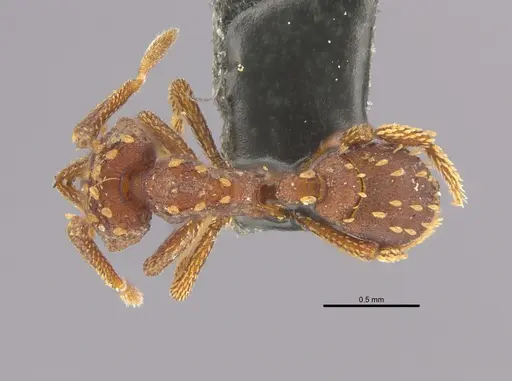
CASENT0102365
View on AntWeb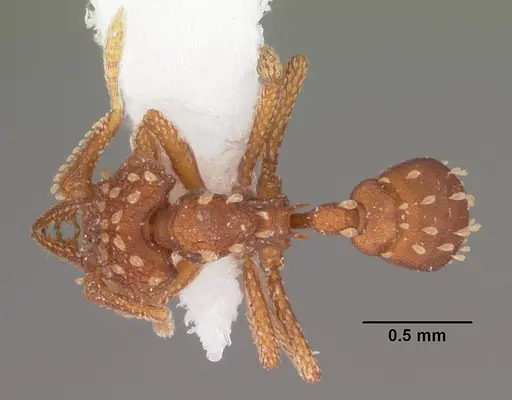
CASENT0178733
View on AntWeb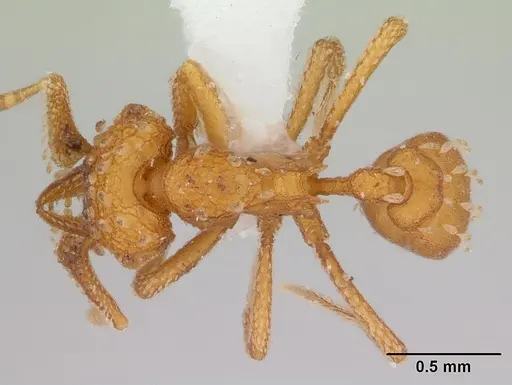
CASENT0235384-D01
View on AntWeb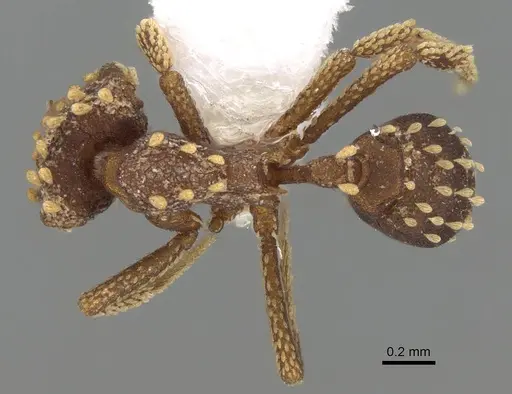
CASENT0235384
View on AntWeb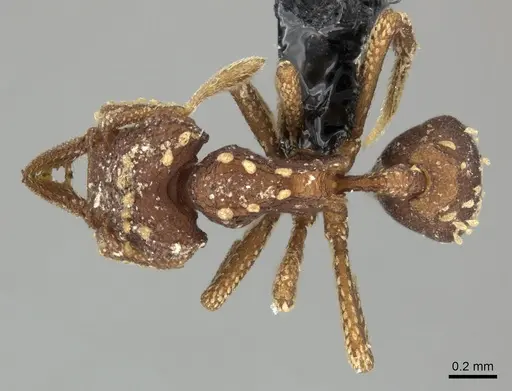
CASENT0639188
View on AntWeb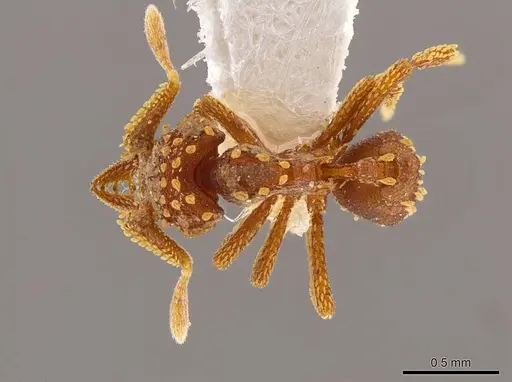
ECOFOG-MI15-0170-10
View on AntWeb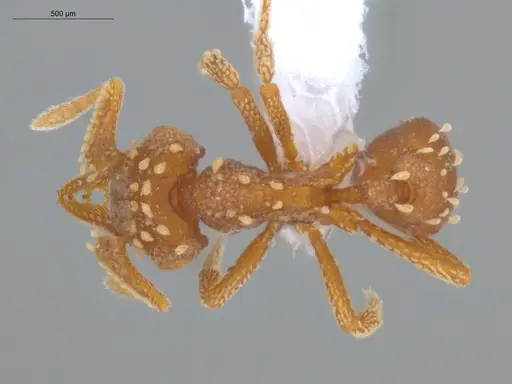
Literature
Loading...Loading products...