

Syscia volucris
- Scientific Name
- Syscia volucris
- Subfamily
- Dorylinae
- Author
- Longino & Branstetter, 2021
- Distribution
- Found in 2 countries
Syscia volucris Overview
Syscia volucris is an ant species of the genus Syscia. It is primarily documented in 2 countries , including Costa Rica, Nicaragua. Detailed taxonomic data and occurrence records can be further explored via authoritative databases such as AntWeb or the Global Biodiversity Information Facility (GBIF).
Syscia volucris
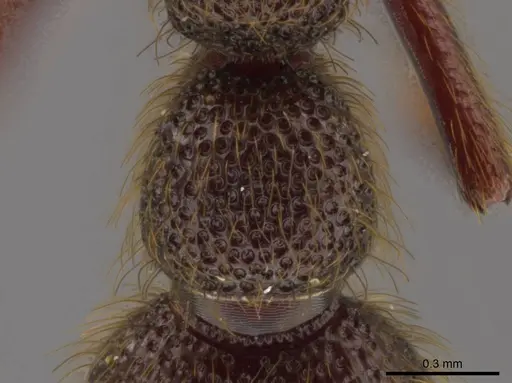
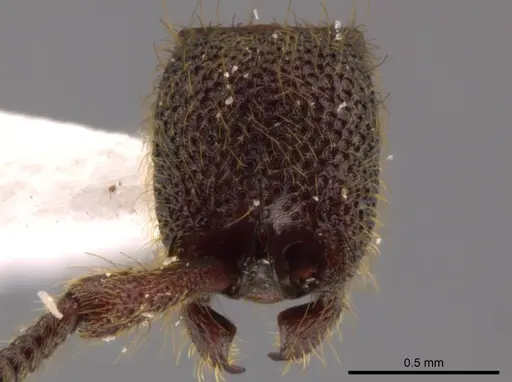
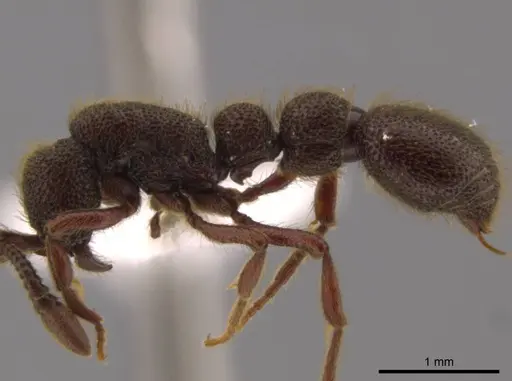
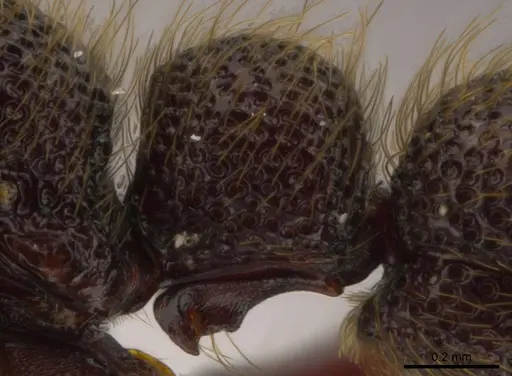
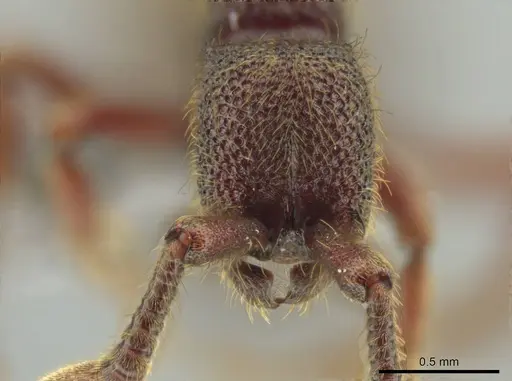
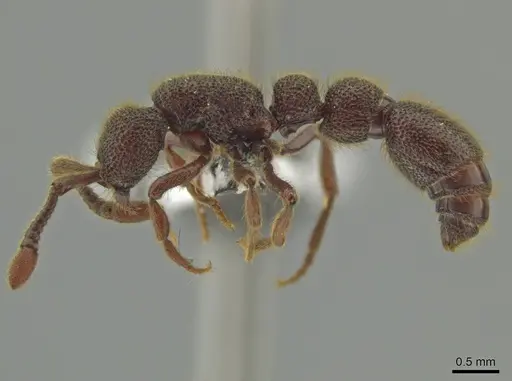
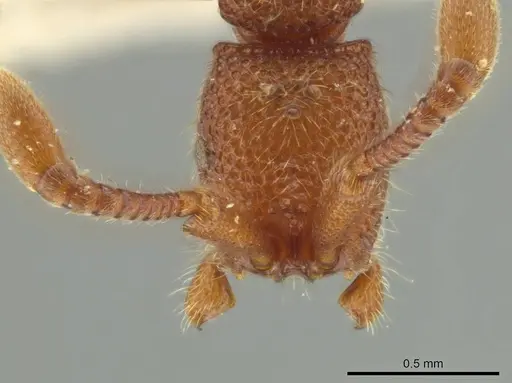
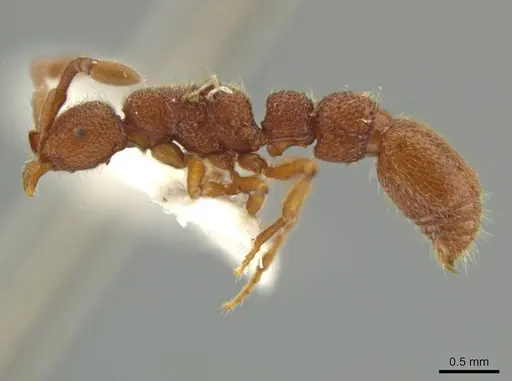
Syscia volucris is a small army ant species native to the rainforests of Central America, found in Honduras, Nicaragua, and Costa Rica [1]. Workers are tiny at just 0.62-0.76mm head width, with a reddish-brown coloration and distinctive coarse standing hairs on their body [2]. This species inhabits lowland to lower montane wet forests from sea level up to about 1180m elevation, where they live in the leaf litter layer [3]. Unlike many army ants that form massive colonies, Syscia volucris appears to maintain smaller colonies and is one of the few species in its genus where alate (winged) queens have been observed [3]. The genus Syscia belongs to the Dorylinae subfamily, the army ants, known for their predatory lifestyle and sometimes nomadic behavior.
Quick Summary
- Difficulty: Medium
- Origin & Habitat: Central America, Honduras, Nicaragua, and Costa Rica. Wet forest habitats from sea level to 1180m elevation [3].
- Colony Type: Colony structure is not fully documented. Both winged alate queens and brachypterous (wing-reduced) queens have been observed, suggesting flexibility in reproductive forms [3]. Workers are small (0.62-0.76mm) and colonies appear to be relatively small based on collection data.
- Size & Growth:
- Queen: 0.64-0.75mm head width,1.19-1.51mm mesosoma length
- Worker: 0.62-0.76mm head width,1.00-1.28mm mesosoma length [3]
- Colony: Likely small to moderate, most collections are from Winkler leaf litter samples suggesting smaller colony sizes [3]
- Growth: Unknown, no direct development data available
- Development: Unconfirmed, no direct development studies. Based on typical Dorylinae patterns, estimate 4-8 weeks at optimal temperature. (Development timeline unconfirmed for this specific species. Related Dorylinae species typically develop relatively quickly.)
- Antkeeping:
- Temperature: Keep around 22-26°C, they are a lowland tropical species from wet forests [3]. A gentle gradient with a heating cable on one side of the nest works well.
- Humidity: High humidity is essential, these ants come from wet forest leaf litter. Keep substrate consistently moist but not waterlogged. Think damp forest floor conditions.
- Diapause: No, as a tropical lowland species, they do not require hibernation. Maintain warm conditions year-round.
- Nesting: Naturalistic setup with moist substrate works best. They live in leaf litter in the wild, so a thin layer of soil or coco fiber with hiding spots like cork bark or flat stones mimics their natural environment. Test tubes can work for founding colonies but may need to transition to more spacious setups as the colony grows.
- Behavior: Syscia volucris is a predatory army ant species. In the wild, they have been observed foraging in lines with workers carrying larvae, suggesting coordinated hunting raids typical of Dorylinae [3]. They are small but active predators, likely hunting micro-arthropods in the leaf litter layer. Their small size (under 1mm) means they can escape through tiny gaps, use fine mesh and excellent escape prevention. They are not aggressive toward humans and cannot sting effectively.
- Common Issues: escape prevention is critical due to their tiny size, they can squeeze through gaps that larger ants cannot, high humidity requirements can lead to mold issues if ventilation is poor, as predators, they need a constant supply of live prey, colonies can fail without adequate protein, small colony size means they are sensitive to disturbance, avoid frequent nest inspections, tropical species are sensitive to temperature drops, cold can kill colonies quickly
Housing and Setup
Syscia volucris is a tiny leaf-litter ant that does well in naturalistic setups. Use a shallow container with a moist substrate layer (coco fiber, soil, or a mix) about 1-2cm deep. Add flat stones, pieces of bark, or leaf litter as hiding spots, these ants naturally live in the forest floor debris layer [3]. A small test tube setup can work for founding colonies, but transition to a more naturalistic setup as the colony grows. Because they are so small, ensure all connections and edges are sealed with fine mesh or fluon. A humidity reservoir (like a water tube or damp cotton) helps maintain moisture without over-wetting the substrate.
Feeding and Diet
As a Dorylinae species, Syscia volucris is predatory and needs live prey. In the wild, they hunt small arthropods in the leaf litter, and one observation shows workers carrying ant larvae as prey [3]. Feed small live prey appropriate to their size: springtails, fruit fly larvae, small pinhead crickets, or other micro-arthropods. Offer prey 2-3 times per week, adjusting based on colony size and consumption. Remove uneaten prey after 24-48 hours to prevent mold. Sugar sources like honey or sugar water may be accepted occasionally but should not replace protein-rich prey.
Temperature and Care
Keep your colony warm at 22-26°C. This is a lowland tropical species from Central American wet forests, so they need consistent warmth year-round [3]. A heating cable on one side of the nest creates a temperature gradient allowing ants to regulate their own temperature. Avoid temperatures below 20°C or sudden temperature swings. Room temperature in most homes should be adequate, but monitor with a thermometer. Cold stress is one of the most common killers of tropical ant species in captivity.
Humidity Management
Syscia volucris requires high humidity to thrive, they come from wet forests where the leaf litter layer stays consistently moist [3]. Keep the substrate damp but not waterlogged. The substrate should feel moist to the touch but no water should pool on the surface. A shallow water reservoir in one corner of the setup helps maintain humidity through evaporation. Good ventilation is important to prevent mold, but avoid excessive airflow that dries out the nest. Balance is key: damp but not stagnant.
Behavior and Foraging
This species exhibits typical Dorylinae foraging behavior. In the wild, they have been observed walking in lines while carrying larvae, suggesting coordinated hunting raids [3]. They are active hunters in the leaf litter layer, pursuing small arthropods. In captivity, they will readily hunt live prey and can be entertaining to watch as they coordinate attacks on prey items larger than individual workers. They are not aggressive toward keepers and pose no stinging threat due to their tiny size and Dorylinae stinger characteristics.
Frequently Asked Questions
How long does it take for Syscia volucris to develop from egg to worker?
The exact development timeline is unconfirmed for this species. Based on typical Dorylinae patterns, expect approximately 4-8 weeks from egg to first worker at optimal temperature (22-26°C). This is an estimate as no specific development studies exist for S. volucris.
Can I keep Syscia volucris in a test tube?
Yes, test tubes work for founding colonies. Keep the water reservoir filled and maintain temperatures in the 22-26°C range. As the colony grows, consider transitioning to a naturalistic setup with more space and substrate for hunting.
What do Syscia volucris eat?
They are predators that need live prey. Feed small live insects like springtails, fruit flies, and tiny crickets. They may occasionally accept sugar water or honey but protein from live prey is essential for colony health.
Are Syscia volucris good for beginners?
This species is rated as medium difficulty. They require warm, humid conditions and live prey, which can be challenging. Their tiny size also makes escape prevention critical. Beginners may want to start with easier species before trying Syscia.
How big do Syscia volucris colonies get?
Based on collection data, colonies appear to be relatively small, likely under 500 workers [3]. This is typical for leaf-litter dwelling Dorylinae rather than the massive colonies seen in some army ant species.
Do Syscia volucris need hibernation?
No, they do not require hibernation. As a tropical lowland species from Central America, they need warm conditions year-round. Maintain temperatures of 22-26°C throughout the year.
Why are my Syscia volucris escaping?
Their tiny size (workers are under 1mm) means they can squeeze through extremely small gaps. Use fine mesh (at least 0.5mm or smaller), seal all connections with fluon, and ensure lid seals are tight. Check for any gaps around tubing connections.
Can I keep multiple Syscia volucris queens together?
Colony structure is not well documented for this species. Both winged and wing-reduced (brachypterous) queens have been observed in the wild [3], but it is unclear whether they form multi-queen colonies. Until more data is available, keeping a single queen is recommended.
What is the best nest type for Syscia volucris?
A naturalistic setup with moist substrate works best. Use a shallow container with damp coco fiber or soil, add flat stones or bark for cover, and maintain high humidity. This mimics their natural leaf-litter habitat better than artificial nests.
References

This caresheet is licensed under CC BY-SA 4.0 .
CASENT0628622
View on AntWeb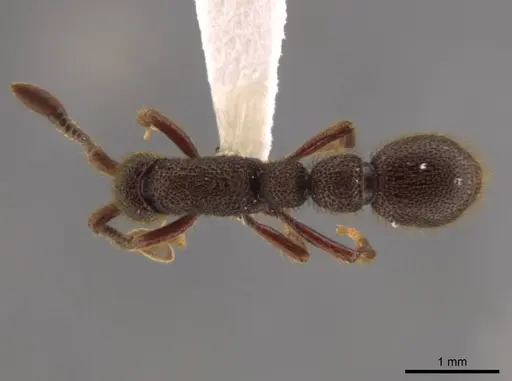
CASENT0644413
View on AntWeb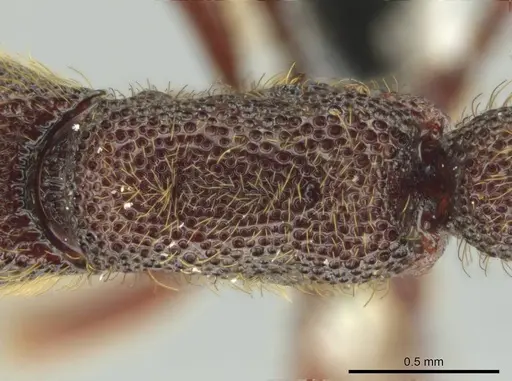
INB0003237379
View on AntWeb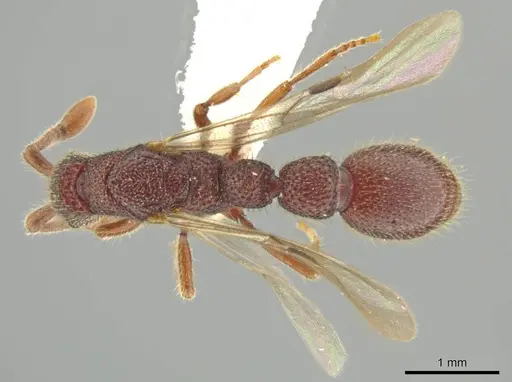
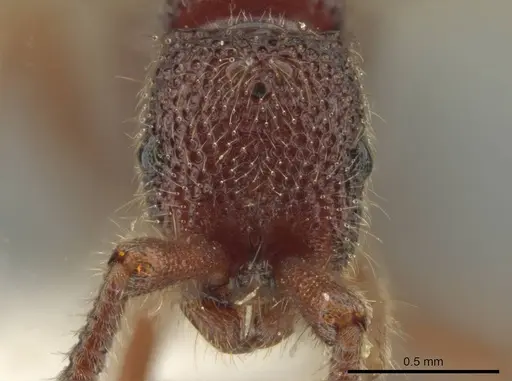
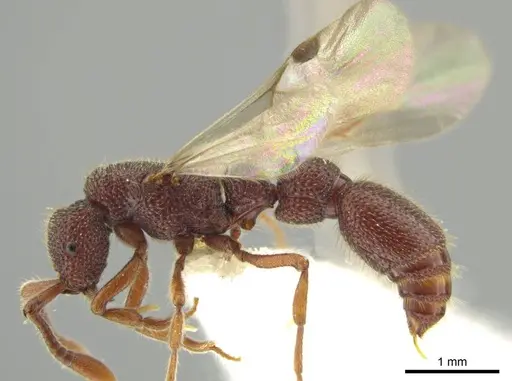
INBIOCRI000522290
View on AntWeb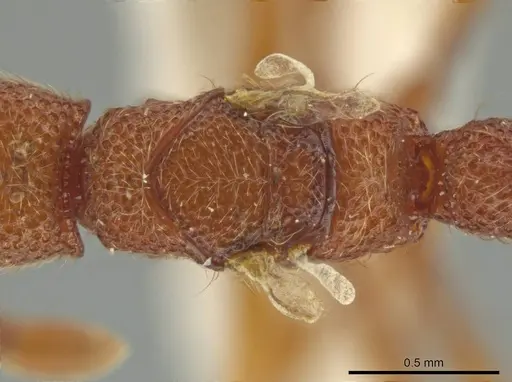
Literature
Loading...Loading products...