

Syscia typhla
- Scientific Name
- Syscia typhla
- Subfamily
- Dorylinae
- Author
- Roger, 1861
- Distribution
- Found in 2 countries
Syscia typhla Overview
Syscia typhla is an ant species of the genus Syscia. It is primarily documented in 2 countries , including China, Sri Lanka. Detailed taxonomic data and occurrence records can be further explored via authoritative databases such as AntWeb or the Global Biodiversity Information Facility (GBIF).
Syscia typhla
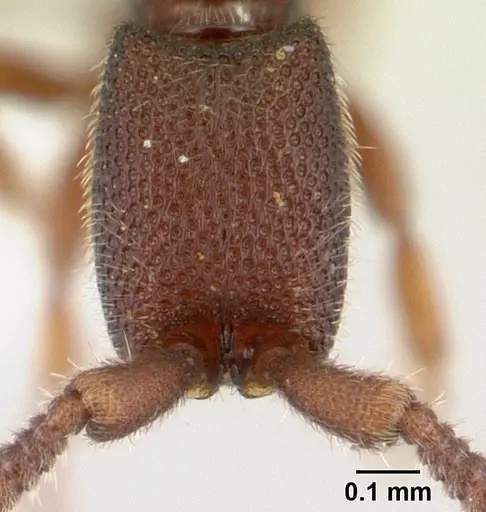
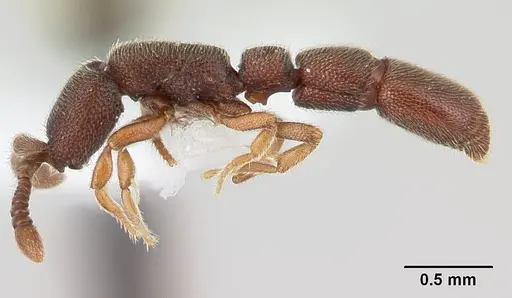
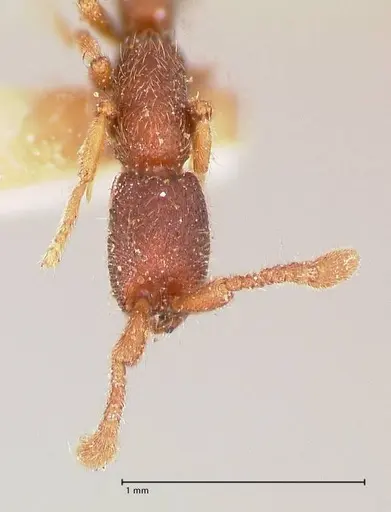
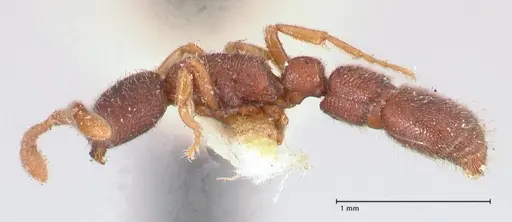
Syscia typhla is a tiny predatory ant belonging to the Dorylinae subfamily, which includes army ants and their relatives. Workers measure just 2.75mm and have a distinctive dark reddish-brown body with 9-segmented antennae and small eyes, a sign of their subterranean lifestyle [1][2]. The species is native to Sri Lanka and West Bengal, India, where it inhabits lowland wet forests [3][4]. This ant is ground-dwelling and lives in soil, typically collected through soil sifting methods [5]. It is critically endangered in Sri Lanka due to habitat loss [6].
Quick Summary
- Difficulty: Hard
- Origin & Habitat: Native to Sri Lanka and West Bengal, India. Found in lowland wet forests and both wet and dry zones of Sri Lanka. A primary forest specialist that is not found in secondary forest or rubber plantations [7][4].
- Colony Type: Colony structure is unconfirmed. As a Dorylinae species, it likely forms small colonies typical of the subfamily.
- Size & Growth:
- Queen: Unconfirmed, queen size has not been documented in available literature
- Worker: 2.75mm [1]
- Colony: Unknown, likely small based on related Syscia species and typical Dorylinae patterns
- Growth: Unknown
- Development: Unconfirmed, no direct development data available. Based on typical Dorylinae patterns and tropical climate, estimated 4-8 weeks at optimal temperature (Development timeline is unconfirmed. Related Dorylinae species in tropical regions typically develop relatively quickly)
- Antkeeping:
- Temperature: Keep at 24-28°C, this species comes from tropical Sri Lanka where temperatures are consistently warm [3]. A gentle gradient is recommended.
- Humidity: High humidity required, they inhabit lowland wet forests in Sri Lanka. Keep substrate consistently moist but not waterlogged [8][9].
- Diapause: Unlikely, Sri Lanka has no true winter, so diapause is probably not required. However, a slight reduction in temperature during cooler months may be beneficial.
- Nesting: Ground-dwelling species that nests in soil. A naturalistic setup with moist substrate or a plaster/acrylic nest with good moisture retention works well. They prefer tight spaces scaled to their tiny 2.75mm size.
- Behavior: This is a predatory ant, likely hunting small invertebrates in soil. They have small eyes indicating limited visual reliance, they probably use chemical cues and vibrations to navigate and find prey. Workers are tiny at 2.75mm, so escape prevention must be excellent. They are likely shy and not aggressive, focusing on hunting small prey rather than defending large territories. As a critically endangered species, any captive colonies should be handled with extreme care and never released outside their native range.
- Common Issues: tiny size means escapes are likely without fine mesh barriers, critically endangered status means wild collection should be avoided if possible, no captive breeding data available, first workers may take longer than expected, high humidity requirements can lead to mold if ventilation is poor, prey acceptance is unknown, may require live micro-prey
Housing and Nest Setup
Syscia typhla is a tiny ground-dwelling ant that requires a setup scaled to its 2.75mm worker size. A naturalistic setup with moist soil or a small acrylic/plaster nest works well. The key is maintaining high humidity while preventing stagnation. Use a small outworld connected to the nest, these ants don't need much space. For escape prevention, use fine mesh (0.5mm or smaller) as they can squeeze through tiny gaps. A layer of moist substrate about 2-3cm deep allows them to create chambers naturally. Avoid large open spaces, they prefer tight, enclosed areas typical of their subterranean lifestyle. [1][8][5]
Feeding and Diet
As a Dorylinae ant, Syscia typhla is likely a predator of small invertebrates. In the wild, they probably hunt micro-arthropods in soil. In captivity, offer small live prey such as springtails, fruit fly larvae, and other tiny insects. Since they have small eyes and are ground-dwelling, they likely locate prey through chemical trails and vibrations rather than visual hunting. Sugar sources may or may not be accepted, offer occasionally but do not rely on them. The key is providing appropriate-sized live prey. Start with springtails and scale up as the colony grows.
Temperature and Humidity
Keep temperatures in the 24-28°C range, this species comes from tropical Sri Lanka where conditions are consistently warm [3]. A slight gradient allows workers to self-regulate. Humidity should be high, they inhabit lowland wet forests in Sri Lanka. The substrate should feel consistently moist but never waterlogged. Use a water reservoir or regular light misting to maintain humidity, but ensure adequate ventilation to prevent mold. A hygrometer helps monitor conditions, aim for 70-80% humidity in the nest area.
Handling and Colony Care
This species is critically endangered in the wild, so any captive colonies should be treated with extreme care [6]. Avoid wild collection if possible, source from established breeders if available. When moving colonies, use extreme caution due to their tiny size. Do not release any specimens outside their native range (Sri Lanka, West Bengal India), this is an invasive risk and potentially illegal. Monitor colonies closely for signs of stress such as workers dying outside the nest or refusal to accept prey. Slow growth is normal for this species, do not overfeed in an attempt to speed development.
Growth and Development
No specific development timeline is documented for this species. Based on related Dorylinae and tropical ant patterns, expect 4-8 weeks from egg to first worker at optimal temperature (24-28°C). First workers (nanitics) will likely be smaller than mature workers. Growth rate is unknown but likely slow to moderate. Be patient, small colonies take time to establish. Do not disturb the queen during founding as stress can cause abandonment. Once workers emerge, the colony can gradually accept larger prey items.
Frequently Asked Questions
How long does it take for Syscia typhla to raise first workers?
The exact timeline is unconfirmed, but based on related Dorylinae species and tropical climate conditions, expect 4-8 weeks from egg to first worker at optimal temperature (24-28°C).
Can I keep Syscia typhla in a test tube setup?
A test tube can work for founding colonies, but due to their high humidity needs and tiny size, a naturalistic setup with moist substrate is often better. If using test tubes, ensure the water reservoir is properly sized and use fine mesh for escape prevention.
What do Syscia typhla ants eat?
They are likely predators. Offer small live prey like springtails, fruit fly larvae, and other tiny insects. Sugar sources may or may not be accepted, offer occasionally but do not rely on them.
Are Syscia typhla ants good for beginners?
No. This species is difficult to keep, they are critically endangered, require high humidity, have unknown prey acceptance, and their tiny size makes escape prevention challenging. They are not recommended for beginners.
Do Syscia typhla ants need hibernation?
Probably not. They come from tropical Sri Lanka which has no true winter. A slight temperature reduction during cooler months may be beneficial but full diapause is unlikely required.
How big do Syscia typhla colonies get?
Colony size is unconfirmed, but based on related Syscia species and typical Dorylinae patterns, colonies likely reach under 100 workers. They are not large colony builders.
Why are my Syscia typhla dying?
Common causes include: incorrect humidity (too dry or waterlogged), temperature stress, refusal to accept offered prey, escape through tiny gaps, and stress from disturbance. Review your setup and ensure conditions match their native lowland wet forest habitat.
When should I move Syscia typhla to a formicarium?
Wait until the colony has at least 20-30 workers and is actively foraging. Moving too early can stress the colony. A small acrylic or plaster nest with good moisture retention works well for this ground-dwelling species.
References

This caresheet is licensed under CC BY-SA 4.0 .
CASENT0106214
View on AntWeb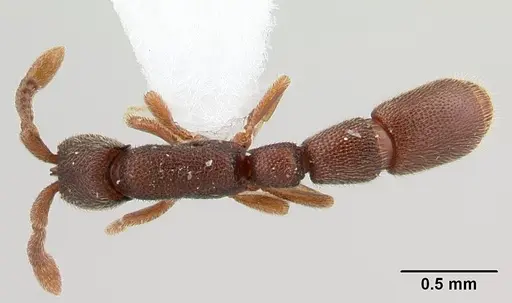
FOCOL0804
View on AntWeb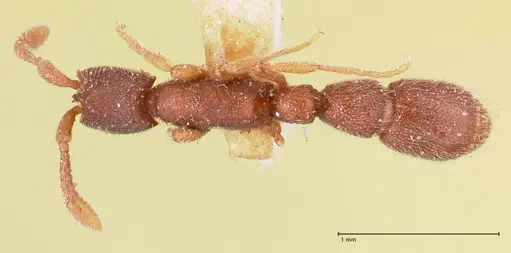
Literature
Loading...Loading products...