

Syscia tolteca
- Scientific Name
- Syscia tolteca
- Subfamily
- Dorylinae
- Author
- Forel, 1909
- Distribution
- Found in 6 countries
Syscia tolteca Overview
Syscia tolteca is an ant species of the genus Syscia. It is primarily documented in 6 countries , including Belize, Costa Rica, Guatemala. Detailed taxonomic data and occurrence records can be further explored via authoritative databases such as AntWeb or the Global Biodiversity Information Facility (GBIF).
Syscia tolteca
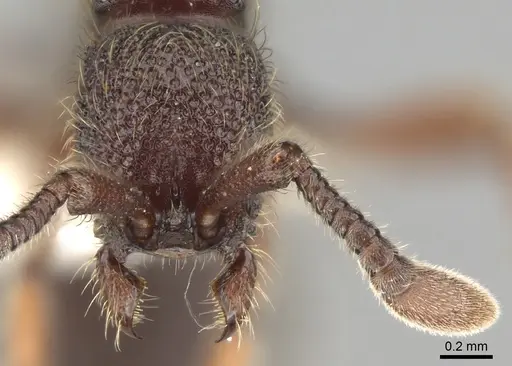
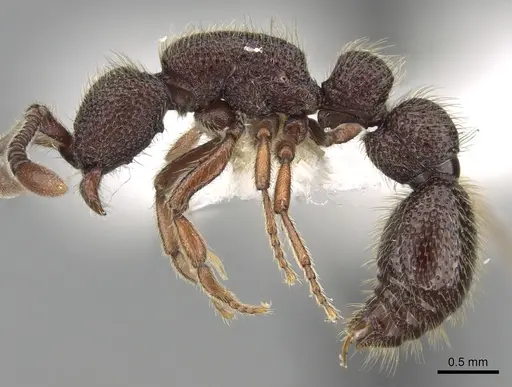
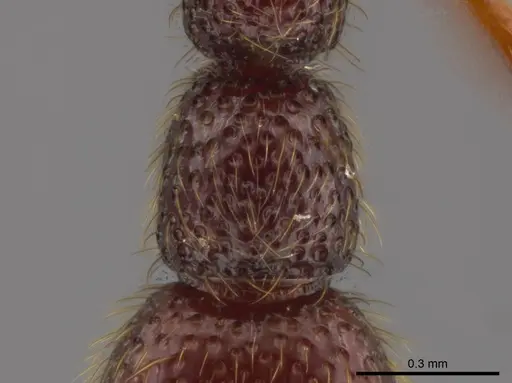
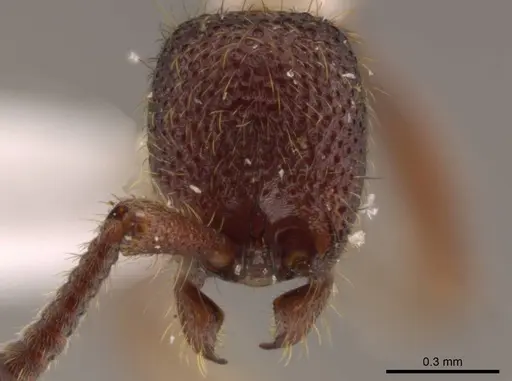
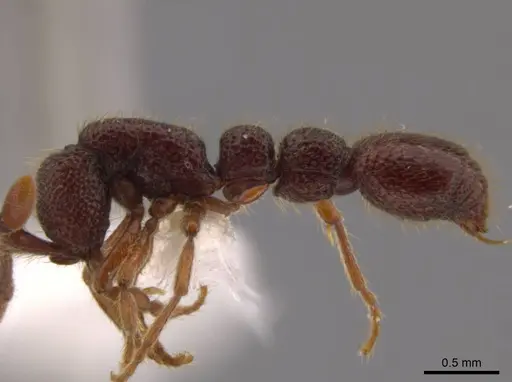
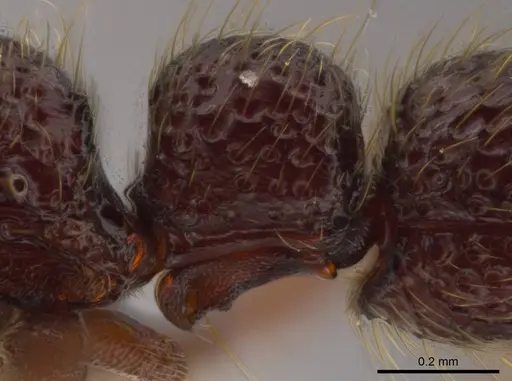
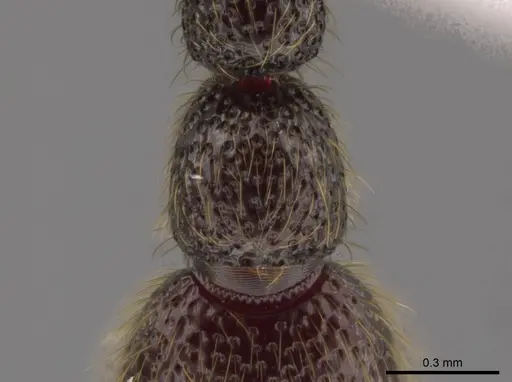
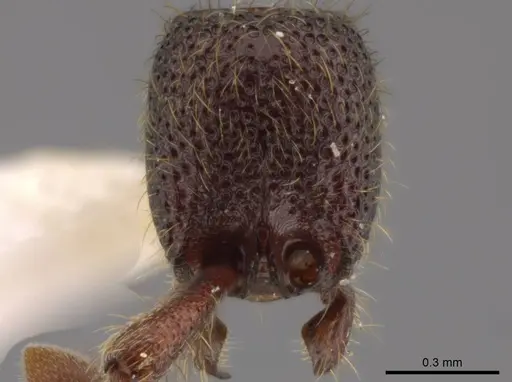
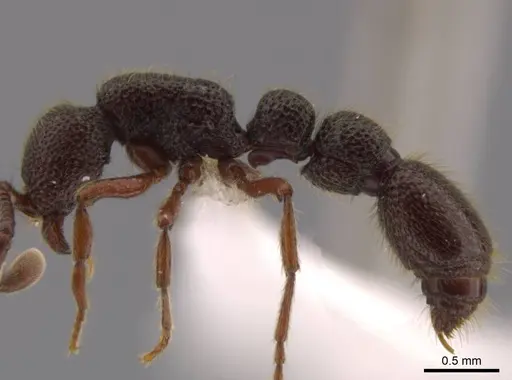
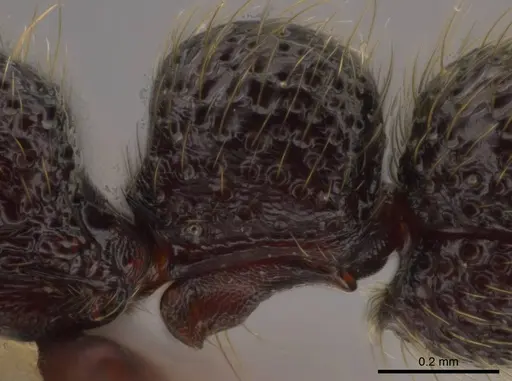
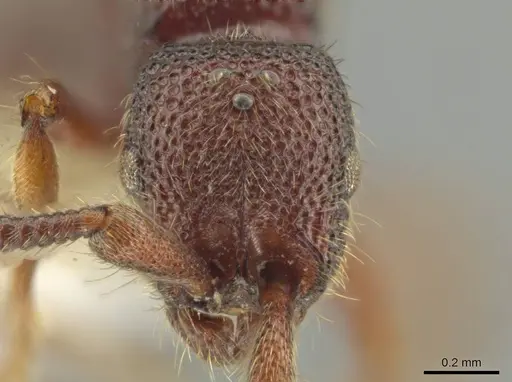
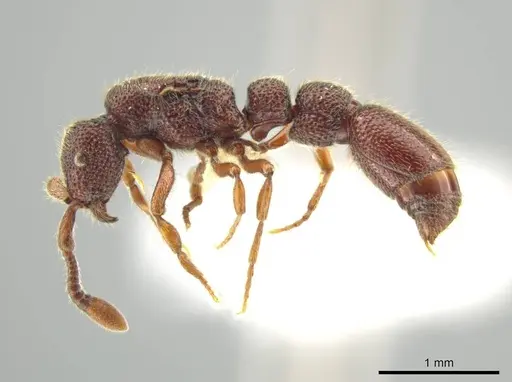
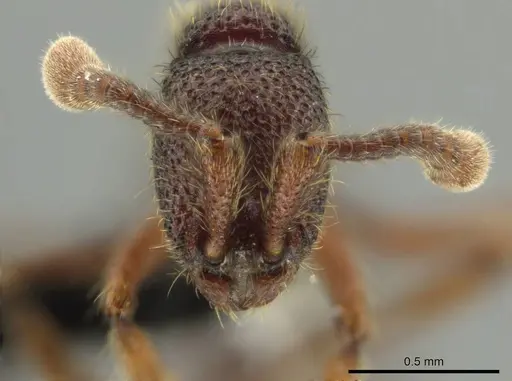
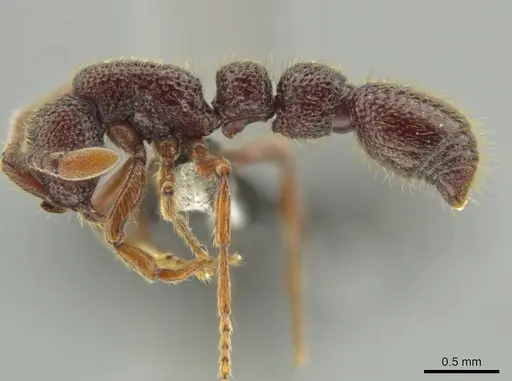
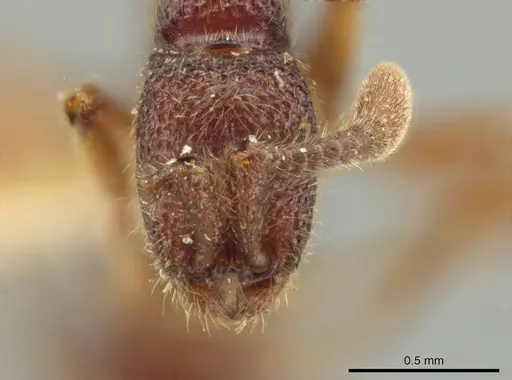
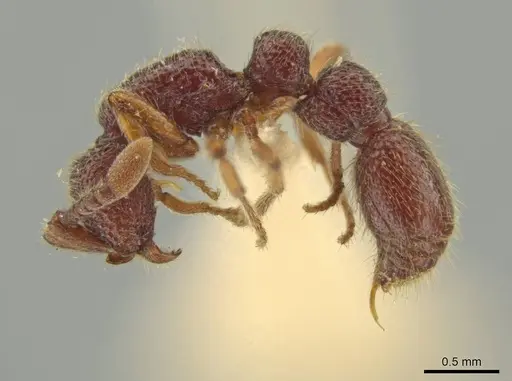
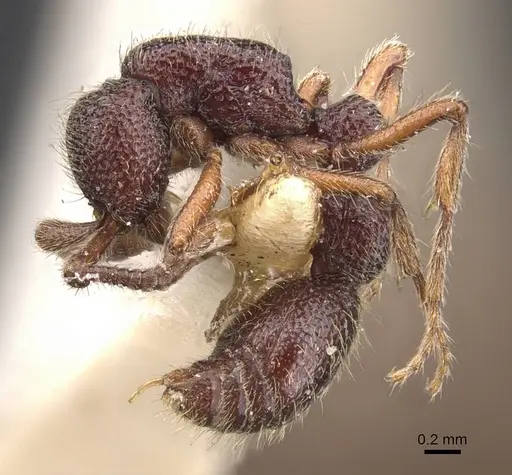
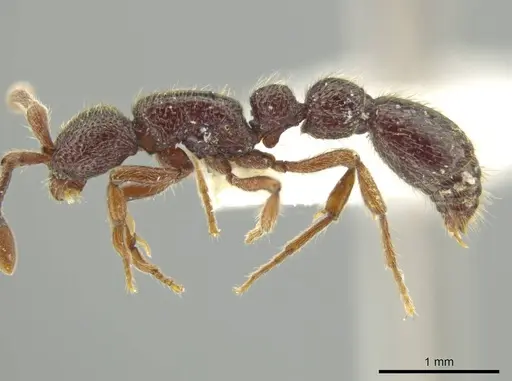
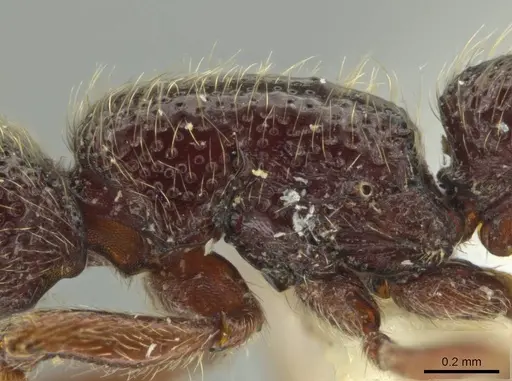
Syscia tolteca is a tiny predatory ant belonging to the subfamily Dorylinae (army ants). Workers measure just 0.58-0.65mm in head width, making them one of the smaller ant species you'll encounter [1]. They have a reddish-brown coloration and were originally described as Syscia tolteca before being reclassified to the genus Syscia [1]. These ants are found across Central America from Mexico down to Colombia, typically in moist to wet forest habitats at low elevations, though they've been collected up to 1550m in cloud forest [1].
As Dorylinae, these ants are predatory, hunting small invertebrates in the leaf litter. All known specimens have been collected using Winkler and Berlese extraction methods from leaf litter samples, indicating they live deep within the forest floor debris rather than in obvious nests [1]. This makes them a rarely-kept species in captivity, as they're difficult to locate and maintain.
Quick Summary
- Difficulty: Expert
- Origin & Habitat: Central America: Guatemala, Honduras, Mexico (Chiapas), and Colombia. Found in moist to wet lowland forests and cloud forest at higher elevations (up to 1550m) [1][2].
- Colony Type: Unknown colony structure. Dealate (wingless) queens have been documented, suggesting they may have ergatoid replacement reproductives [1]. Further research needed on queen number.
- Size & Growth:
- Queen: 0.65mm HW,0.80mm HL [2]
- Worker: 0.58-0.65mm HW,0.72-0.82mm HL [1]
- Colony: Unknown, likely small colonies based on related Dorylinae patterns
- Growth: Unknown
- Development: Unknown, estimated 6-10 weeks based on related Dorylinae at optimal temperature (No direct development data exists for this species. Estimates based on genus-level patterns for tropical Dorylinae.)
- Antkeeping:
- Temperature: Keep at 24-27°C, they come from tropical lowland forests [1]. A gentle gradient allowing cooler areas is recommended.
- Humidity: High humidity required, think damp forest floor. Keep substrate consistently moist but not waterlogged.
- Diapause: Unknown, tropical species may not require true diapause but may slow activity in cooler periods
- Nesting: Leaf litter dwelling species. In captivity, provide a naturalistic setup with moist substrate, leaf litter, and small chambers. Test tube setups may work if humidity is maintained.
- Behavior: Predatory, hunting small micro-arthropods in the leaf litter. Workers are tiny and may be shy. Escape prevention is critical due to their very small size, they can squeeze through standard mesh. Non-aggressive toward humans, Dorylinae have functional stingers but these tiny ants are unlikely to penetrate skin significantly.
- Common Issues: Very small size makes escape prevention difficult, use fine mesh barriers, No captive breeding data exists, this is an expert-level species, Predatory diet requires live micro-prey (springtails, micro-arthropods), High humidity needs can lead to mold issues if ventilation is poor, Wild-caught colonies may be stressed or contain parasites
Housing and Setup
Syscia tolteca is a leaf litter dwelling species, meaning they live in the layer of decomposing leaves and debris on the forest floor. For captivity, a naturalistic setup works best, a shallow container filled with moist soil/forest floor material with added leaf litter and small hiding structures. Keep the substrate damp but not saturated. A test tube setup can work if you maintain high humidity by connecting it to a water reservoir, but these ants prefer to forage through substrate rather than on exposed surfaces. Because they're so tiny, even small gaps in their enclosure can be escape routes [1]. Use fine mesh (at least 0.5mm or smaller) on any ventilation openings.
Feeding and Diet
As Dorylinae, Syscia tolteca is predatory on small invertebrates. In the wild, they hunt micro-arthropods living in leaf litter. In captivity, their primary food should be live springtails, these are the right size and provide proper nutrition. Other small live prey like micro-arthropods, tiny isopods, or newly hatched fruit fly larvae may be accepted. Do not rely on sugar sources, while some Dorylinae will accept honeydew or sugar water occasionally, their primary diet is protein. Feed small amounts of live prey every few days, removing any uneaten prey to prevent mold. The tiny worker size (under 1mm) means even small prey items are substantial meals [1].
Temperature and Humidity
Syscia tolteca comes from tropical Central American forests, keep them warm at 24-27°C. They tolerate temperatures into the low 20s but will be less active below 22°C. High humidity is essential, these are moist forest floor inhabitants. Maintain substrate moisture consistently, similar to a damp forest floor after rain. Avoid both drying out and waterlogging. A small water dish or damp cotton ball can help maintain humidity in a test tube setup. If using a naturalistic setup, mist occasionally but ensure ventilation prevents stagnant air and mold buildup. [1]
Colony Structure and Reproduction
Very little is known about Syscia tolteca colony structure in the wild. Dealate queens (wingless queens that have shed their wings) have been documented, which suggests they may have ergatoid replacement reproductives, workers that can become reproductive if the primary queen dies [1]. The queen is tiny at only 0.65mm head width, smaller than many worker ants. Colony size in the wild is unknown, but related leaf litter Dorylinae typically maintain small colonies of under 100 workers. If you obtain a colony, expect slow growth, these are not fast-growing species. Do not combine unrelated queens as pleometrosis has not been documented for this species.
Handling and Temperament
Syscia tolteca workers are tiny (under 1mm) and relatively shy. They are not aggressive toward humans and are unlikely to attempt to sting, while Dorylinae have functional stingers, these ants are too small to penetrate human skin effectively. Their primary defense is staying hidden in leaf litter rather than confronting threats. The main concern for keepers is preventing escapes due to their minute size. They are not escape artists in the traditional sense (they don't climb smooth surfaces well), but they can simply walk through gaps that larger ants cannot fit through. Always use fine mesh and check for any gaps in your setup.
Frequently Asked Questions
How long does it take for Syscia tolteca to raise first workers?
The egg-to-worker timeline is unconfirmed for this species. Based on related Dorylinae patterns, expect approximately 6-10 weeks at optimal temperature (24-27°C). However, this is an estimate, no captive breeding data exists for this species [1].
Can I keep Syscia tolteca in a test tube?
Yes, a test tube setup can work, but maintaining humidity is critical. Connect the test tube to a water reservoir or keep the cotton regularly moistened. These ants are too small for standard formicarium setups, a naturalistic setup with moist substrate and leaf litter may be more successful [1].
Do Syscia tolteca ants sting?
Dorylinae have functional stingers, but these tiny ants are unlikely to cause any pain or penetrate human skin. They're far too small to be a concern. Their defense is hiding in leaf litter rather than confrontation.
What do Syscia tolteca eat?
They are predatory on small invertebrates. Feed live springtails as a primary food source. Other small live micro-arthropods may be accepted. Sugar sources are unlikely to be accepted, they're primarily predators like other Dorylinae [1].
Are Syscia tolteca good for beginners?
No, this is an expert-level species. Almost no captive breeding data exists, they require live micro-prey, high humidity, and their tiny size creates significant escape prevention challenges. Consider starting with more established species like Lasius, Camponotus, or Messor.
How big do Syscia tolteca colonies get?
Colony size is unknown in captivity and poorly documented in the wild. Based on related leaf litter Dorylinae, colonies likely remain small, probably under 100 workers. They are not large colony species.
Do Syscia tolteca need hibernation?
Unknown, they come from tropical regions (Guatemala, Honduras, Mexico) where temperatures remain warm year-round. They likely do not require true diapause but may reduce activity during cooler periods. Keep them at stable tropical temperatures year-round.
Why are my Syscia tolteca dying?
Common causes include: escape through tiny gaps (use fine mesh), improper humidity (too dry or waterlogged), stress from wild collection, parasites, or starvation if not enough live micro-prey is provided. These are delicate species with no established captive protocols.
Can I keep multiple Syscia tolteca queens together?
Not recommended. Combining unrelated queens has not been documented for this species, and doing so risks fighting. In the wild, colony structure is unconfirmed, we don't know if they're single-queen or multi-queen colonies.
References

This caresheet is licensed under CC BY-SA 4.0 .
CASENT0281980
View on AntWeb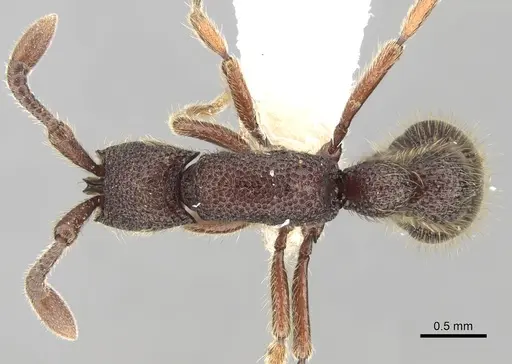
CASENT0611200
View on AntWeb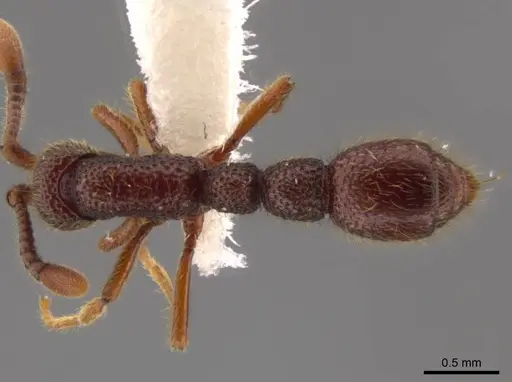
CASENT0618422
View on AntWeb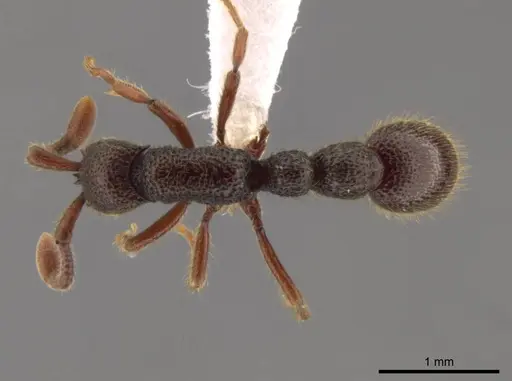
CASENT0644415
View on AntWeb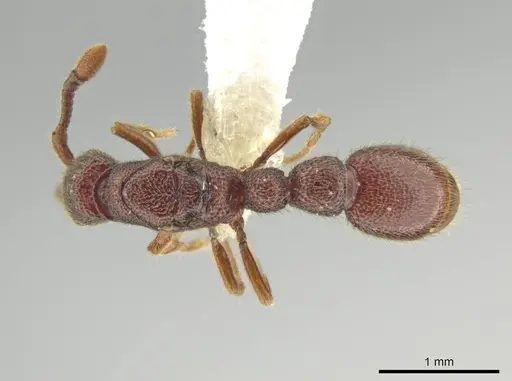
CASENT0644416
View on AntWeb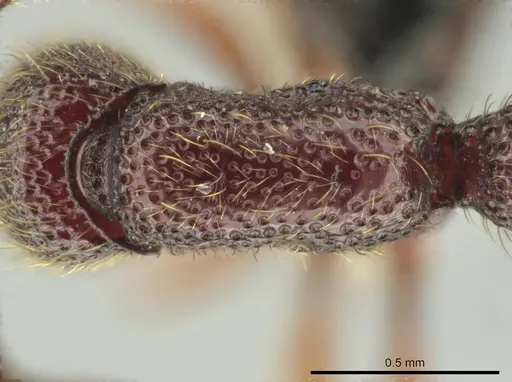
CASENT0644430
View on AntWeb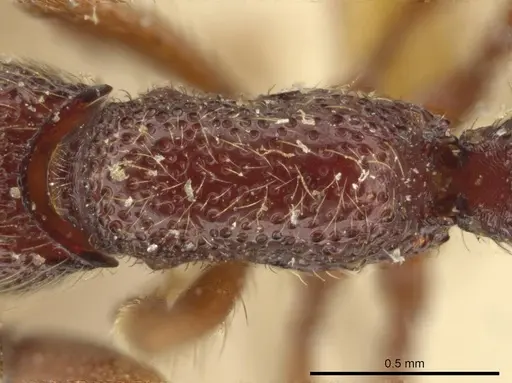
CASENT0907056
View on AntWeb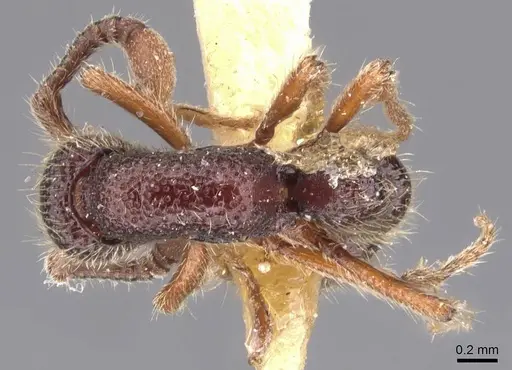
FMNHINS0000095755
View on AntWeb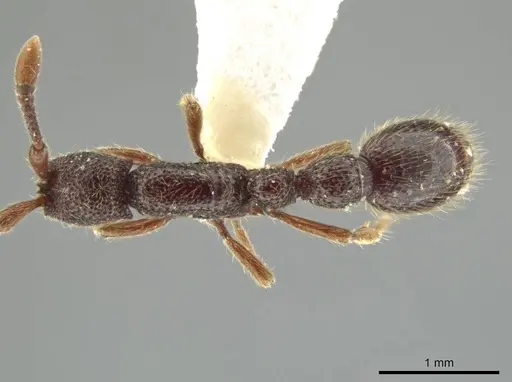
Literature
Loading...Loading products...