

Syscia pollula
- Scientific Name
- Syscia pollula
- Subfamily
- Dorylinae
- Author
- Longino & Branstetter, 2021
- Distribution
- Found in 3 countries
Syscia pollula Overview
Syscia pollula is an ant species of the genus Syscia. It is primarily documented in 3 countries , including Costa Rica, Nicaragua, Panama. Detailed taxonomic data and occurrence records can be further explored via authoritative databases such as AntWeb or the Global Biodiversity Information Facility (GBIF).
Syscia pollula
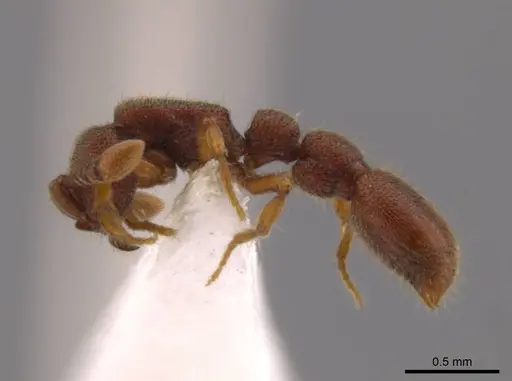
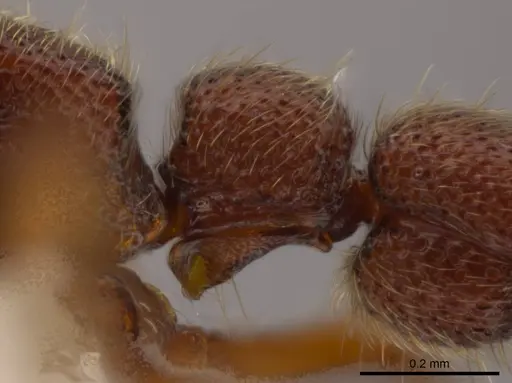
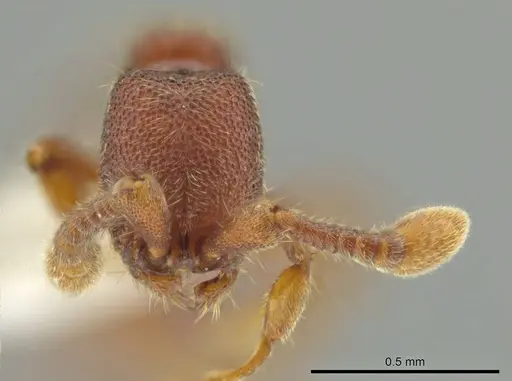
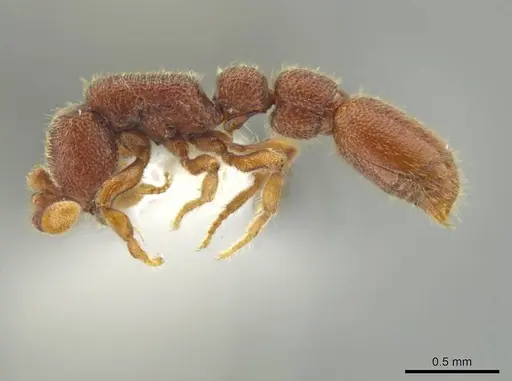
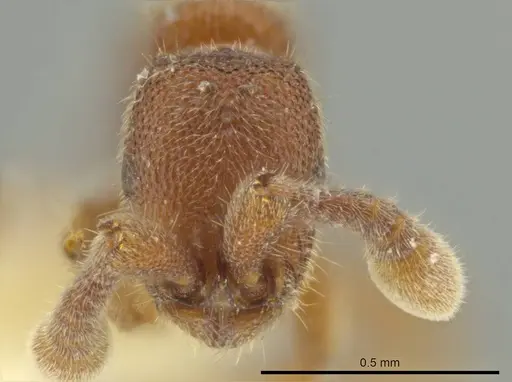
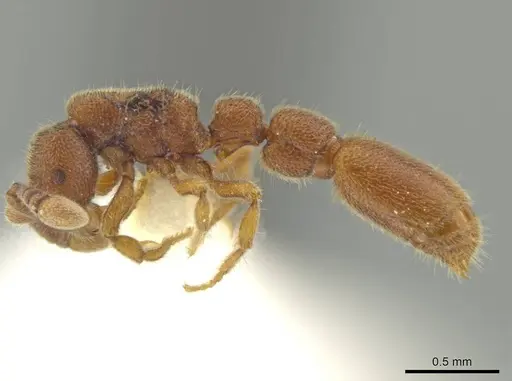
Syscia pollula is a tiny predatory ant species native to the Neotropical region, found in Nicaragua, Costa Rica, and Panama [1]. Workers are among the smallest ants you'll encounter, measuring just 0.67mm in body length with a head width of only 0.43mm, they're barely visible to the naked eye [1]. Queens are slightly larger at 0.85mm mesosoma length and 0.45mm head width [1]. The species was only formally described in 2021,making it one of the newer additions to the ant-keeping hobby [1].
This is a Dorylinae species, the army ant subfamily, which means they're predatory hunters that likely specialize in capturing small soil-dwelling arthropods like springtails and mites [1]. They inhabit wet forest environments from lowland areas up to cloud forest elevations around 1500m, typically found in sifted leaf litter and rotting wood samples [1]. Their small size and cryptic lifestyle make them a challenging but rewarding species for experienced antkeepers who can meet their specialized needs.
Quick Summary
- Difficulty: Expert
- Origin & Habitat: Nicaragua, Costa Rica, and Panama, wet forest habitats from near sea level to cloud forest (50-1500m elevation) [1]
- Colony Type: Unknown, colony structure has not been documented for this species. Based on related Dorylinae, likely single-queen colonies.
- Size & Growth:
- Queen: 0.85mm MSL,0.45mm HW [1]
- Worker: 0.67mm MSL,0.43mm HW [1]
- Colony: Unknown, likely small colonies based on tiny worker size and litter-dwelling habits
- Growth: Unknown, likely slow to moderate based on small colony sizes typical of Dorylinae
- Development: Unknown, estimated 8-12 weeks based on related Dorylinae species at tropical temperatures (No direct development data exists for this species. Estimates based on genus-level patterns for small tropical Dorylinae.)
- Antkeeping:
- Temperature: Keep at 22-26°C, these are tropical forest ants that need warmth. A gentle gradient allows them to regulate
- Humidity: High humidity (70-85%), they're from damp forest floor habitats. Keep substrate consistently moist but not waterlogged
- Diapause: No, this is a tropical species from consistent warm, humid environments. No winter rest period needed
- Nesting: Y-tong or plaster nests work well for their tiny size. They prefer tight chambers and narrow passages scaled to their minute size. Naturalistic setups with leaf litter and rotting wood pieces simulate their natural environment
- Behavior: Extremely cryptic and reclusive. As a Dorylinae, they are predatory and likely hunt small arthropods. Workers are tiny and can easily escape through standard barrier gaps, excellent escape prevention is critical. Their small size and recent description mean much of their behavior in captivity remains unknown. Expect them to be shy and non-aggressive toward humans.
- Common Issues: tiny size means escapes are likely without fine mesh barriers, they can slip through gaps that seem impossible, no captive husbandry information exists, keepers must experiment with care protocols, slow colony growth typical of Dorylinae can frustrate beginners, high humidity requirements create mold risk if ventilation is poor, wild-caught colonies may have parasites that are difficult to detect in such small ants
Housing and Nest Setup
Because of their minute size, Syscia pollula requires specialized housing that prevents escape while maintaining the humid conditions they need. Y-tong (AAC) nests or plaster nests with very small chambers work best, the passages should be narrow enough that workers feel secure. A naturalistic setup with a layer of moist soil, leaf litter, and small pieces of rotting wood mimics their natural forest floor habitat and gives them hunting grounds [1].
The outworld should be small relative to the nest since these ants don't travel far. Use fine mesh on any ventilation holes, these tiny ants can escape through standard ant mesh. Fluon barriers on smooth surfaces help, but the best approach is using enclosures with no gaps larger than 0.5mm. Test tube setups can work for founding colonies but monitor water levels closely as evaporation happens quickly at the warm temperatures they require.
Feeding and Diet
As a Dorylinae species, Syscia pollula is predatory and needs live prey. Their tiny size means they can only tackle very small arthropods, springtails are an ideal staple food, and you may be able to culture your own supply. Other suitable prey includes tiny soil mites, booklice (psocids), and newly hatched pinhead crickets, though prey should be no larger than the ants themselves.
Sugar sources are unlikely to be accepted, Dorylinae are not typically honeydew feeders. Some keepers report success offering tiny drops of honey water occasionally, but don't rely on it. The primary diet should be live micro-arthropods. Feed small amounts every 2-3 days and remove uneaten prey to prevent mold. A well-fed colony will have workers that actively hunt and explore their territory. [1]
Temperature and Humidity
Syscia pollula comes from tropical wet forests in Central America, so they need warm, humid conditions year-round. Maintain temperatures between 22-26°C, use a heating cable on one side of the nest if your room doesn't stay warm enough. Place the heating element on top of the nest, not underneath, to avoid drying out the substrate too quickly.
Humidity should stay high at 70-85%. The substrate should feel damp to the touch but never waterlogged. Mist the nest occasionally and use a water reservoir in your test tube setup, but allow some areas to dry slightly so the ants can choose their preferred microclimate. Good ventilation is essential to prevent mold while maintaining humidity, small ventilation holes or mesh tops achieve this balance. [1]
Colony Establishment
Establishing a colony of Syscia pollula requires patience and careful attention. If you're starting with a founding queen (claustral behavior is suspected but unconfirmed), keep her in a small setup with moist substrate and minimal disturbance. She should seal herself in a chamber if claustral, do not check on her frequently as this causes stress.
Once workers emerge (nanitics will be tiny), introduce small live prey immediately. The colony will grow slowly, and you may see only a handful of workers even after several months. This is normal for small Dorylinae. Do not overfeed, excess prey dies and creates mold problems in the humid environment they need. Transfer to a larger nest only when the colony clearly fills the current space. [1]
Behavior and Observation
Syscia pollula is extremely cryptic, you'll see more of their presence through prey remains and colony activity than by watching the ants themselves. Workers are tiny and often hide in substrate crevices. They are not aggressive and pose no threat to humans.
Their predatory nature means they actively hunt, so you may spot workers carrying tiny prey or exploring leaf litter. They don't form visible trails like some army ants but instead hunt individually or in small groups. Observation requires patience and good lighting, these ants reward careful attention with glimpses of their natural hunting behaviors. [1]
Frequently Asked Questions
How long does it take for Syscia pollula to produce first workers?
The exact timeline is unknown, but based on related Dorylinae species, expect 8-12 weeks from egg to first worker at tropical temperatures (24-26°C). Smaller species often develop faster than larger ones, but the tiny size of this species may also mean slower development.
Can I keep Syscia pollula in a test tube setup?
Yes, test tubes work for founding colonies. Use a small water reservoir and keep the tube in a warm, humid location. Cover any ventilation holes with fine mesh, these ants are tiny and will escape through standard ant mesh. Transfer to a proper nest once the colony grows.
What do Syscia pollula ants eat?
They are predatory Dorylinae that need live small arthropods. Springtails are the ideal staple food, you can culture your own supply. Other acceptable prey includes tiny soil mites, booklice, and very small insects. They are unlikely to accept sugar sources or dead prey.
Are Syscia pollula good for beginners?
No, this is an expert-level species. They were only described in 2021,so no established husbandry protocols exist. Their tiny size requires excellent escape prevention, and their specific humidity and dietary needs make them challenging. Experienced antkeepers interested in rare species are the ideal audience [1].
How big do Syscia pollula colonies get?
Colony size is unknown but likely small, under 100 workers. Their tiny size and litter-dwelling habits suggest they maintain smaller colonies than larger, more visible ant species. Expect slow growth and a modest final colony size.
Do Syscia pollula need hibernation?
No, they come from tropical Central American forests with no cold season. Keep them warm year-round (22-26°C) with consistent humidity. No diapause or winter rest period is needed.
Why are my Syscia pollula escaping?
Their tiny size allows them to squeeze through gaps that seem impossible. Use fine mesh (0.3mm or smaller), check all lid seams, and apply Fluon barriers to smooth surfaces. Even a tiny gap is an escape route for these minute ants.
Can I keep multiple Syscia pollula queens together?
This is unknown, colony structure has not been documented for this species. Combining unrelated queens is not recommended since we don't know their social structure. Start with a single queen and let the colony develop naturally.
What temperature should I keep Syscia pollula at?
Keep them at 22-26°C. This matches their tropical forest habitat in Nicaragua, Costa Rica, and Panama. Use a heating cable on one side of the nest to create a gentle gradient if your room temperature is below 22°C.
References

This caresheet is licensed under CC BY-SA 4.0 .
CASENT0623944
View on AntWeb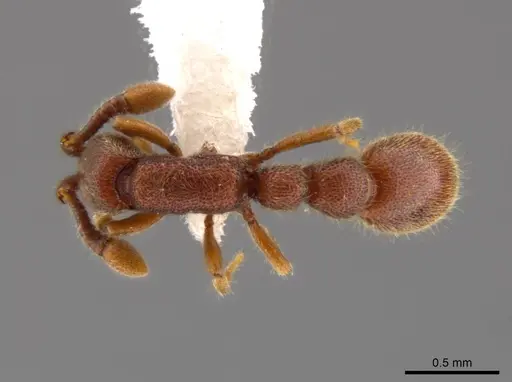
CASENT0624110
View on AntWeb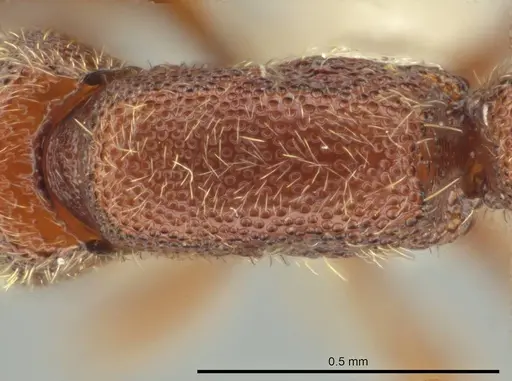
CASENT0637057
View on AntWeb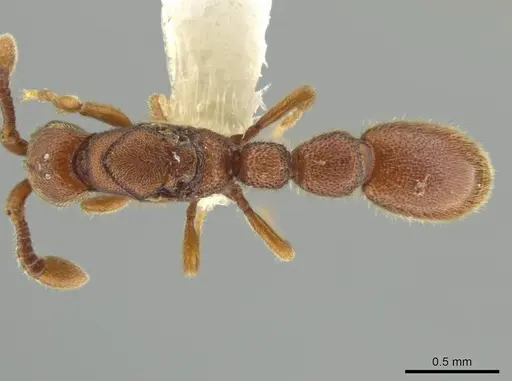
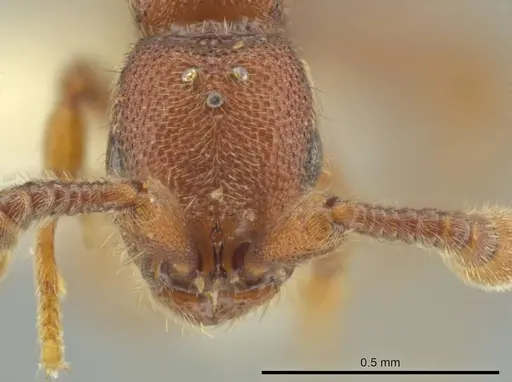
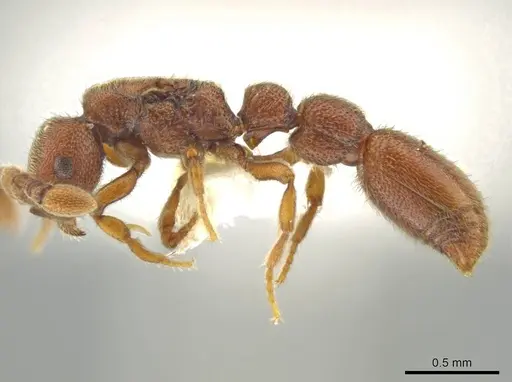
CASENT0644478
View on AntWeb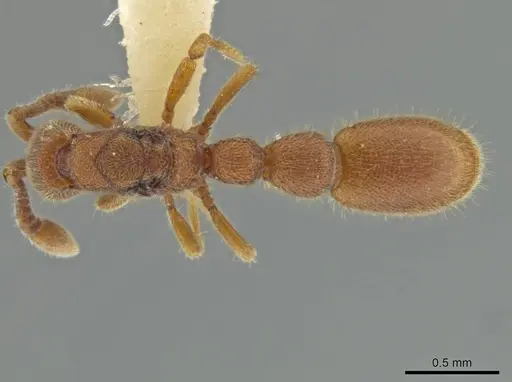
Literature
Loading...Loading products...