

Syscia pervagata
- Scientific Name
- Syscia pervagata
- Subfamily
- Dorylinae
- Author
- Longino & Branstetter, 2021
- Distribution
- Found in 6 countries
Syscia pervagata Overview
Syscia pervagata is an ant species of the genus Syscia. It is primarily documented in 6 countries , including Belize, Costa Rica, Guatemala. Detailed taxonomic data and occurrence records can be further explored via authoritative databases such as AntWeb or the Global Biodiversity Information Facility (GBIF).
Syscia pervagata - "Wandering Syscia Ant"
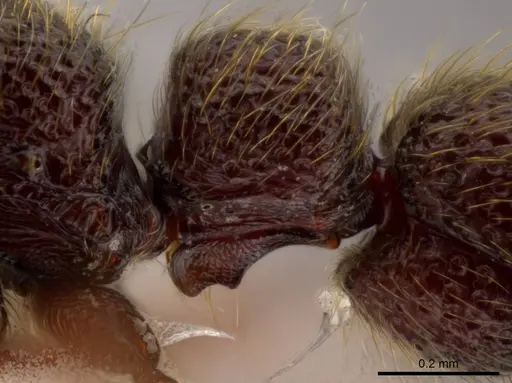
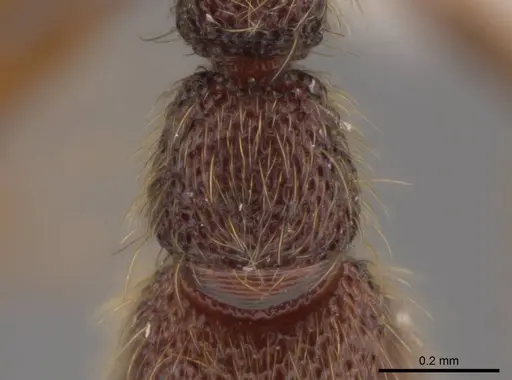
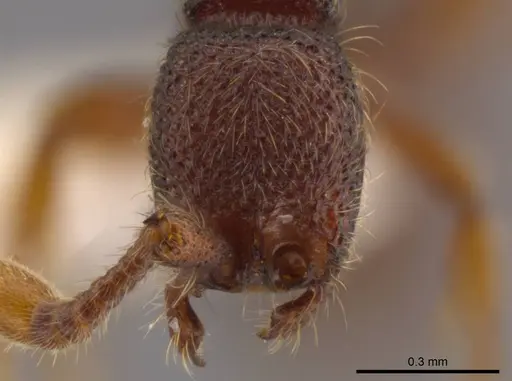
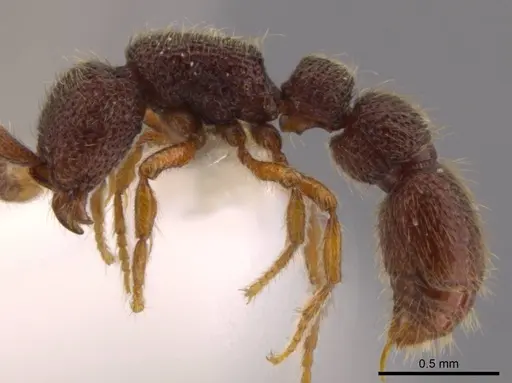
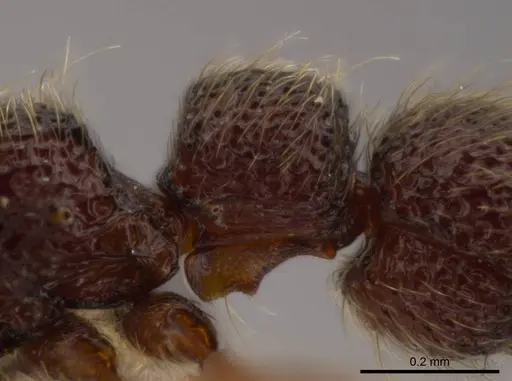
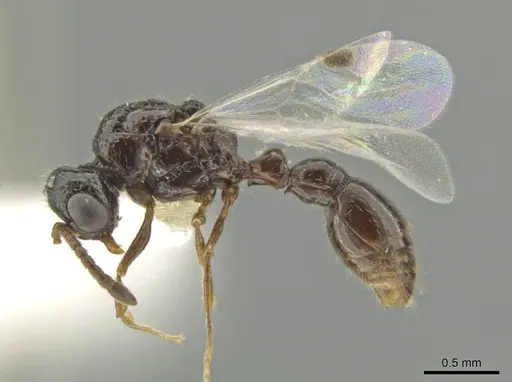
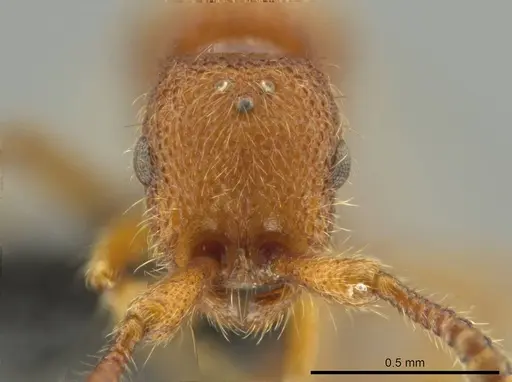
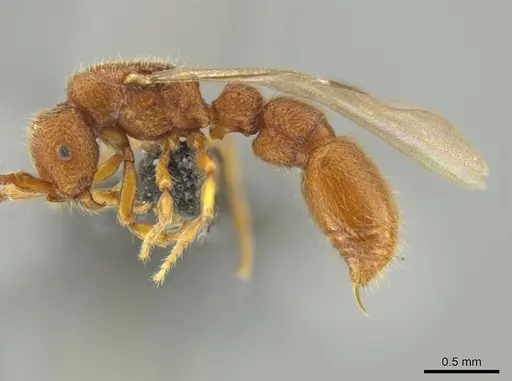
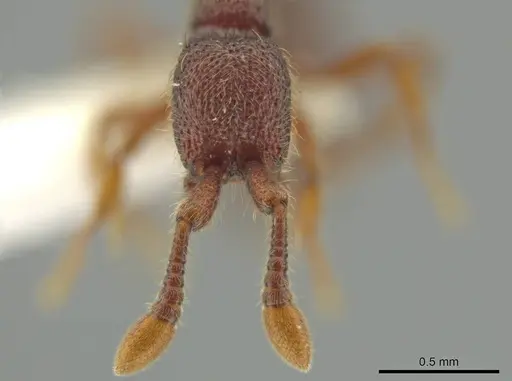
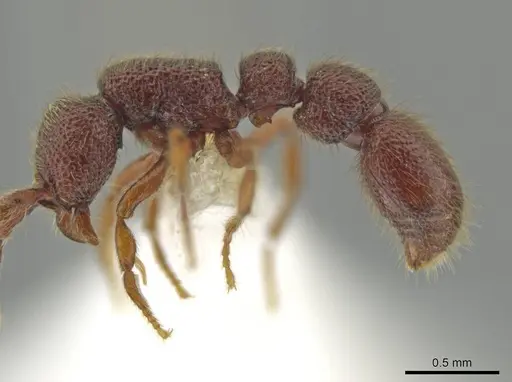
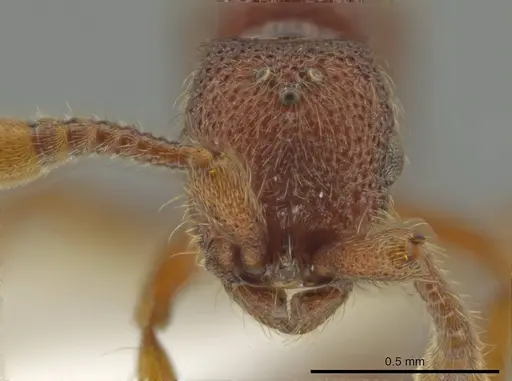
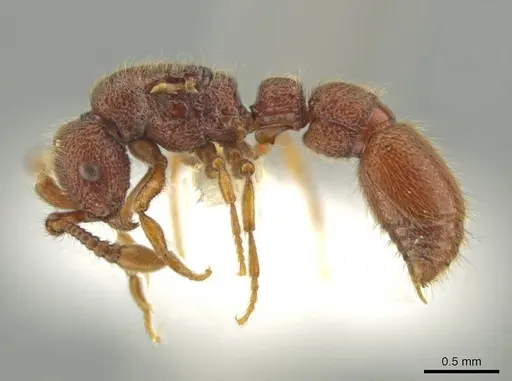
Syscia pervagata is a species of doryline ant known for being a cryptobiotic, eyeless predator typically found in leaf litter and soil. These ants are rarely encountered by casual hand collecting and are most often found through specialized sampling methods like Winkler or Berlese samples of forest litter. They are characterized by their uniformly colored bodies, which range from yellow to reddish-brown, never black. Workers have 9, 10, or 11-segmented antennae and are usually heavily sculptured with abundant body hair. Queens can be fully alate (winged) or brachypterous (reduced wings), and there's a wide variety of intercaste female forms. Identification based solely on physical appearance can be very challenging due to continuous character variation and strong similarities among phylogenetically distinct species.
- Difficulty: Hard
- Origin & Habitat: New World (Central and South America), specifically described from Mexico. in Forests, typically in leaf litter, rotting wood, and soil cores. They prefer mesic (moderately moist) areas..
- Colony Type: Monogyne, claustral founding.
- Size & Growth:
- Queen: Not specified
- Worker: Not specified
- Colony: Small (hundreds). Slow growth.
- Antkeeping:
- Temperature: Given their natural habitat, a stable temperature range of 22-26°C (72-79°F) is likely suitable. Consistency is key for their development..
- Humidity: High humidity is crucial, likely in the range of 70-90%, replicating their subterranean, leaf-litter environment. Hydration is vital for cryptobiotic species..
- Diapause: Not required. Not specified at Not specified.
- Nesting: As subterranean ants, they thrive in natural setups that mimic their habitat. Nests should be unorganized, replicating leaf litter, rotting wood, or soil. Plaster, Ytong, or natural soil setups with good moisture retention and tight dark spaces are preferred. They are known to nest under stones and in branches embedded in moist soil..
- Behavior: Low aggressiveness.
- Common Issues: Mold in nest, Mites, Colony stalling, Humidity fluctuations, Queen stress, Difficulty providing appropriate prey.
Keeping Syscia pervagata can be a significant challenge for even experienced antkeepers due to their cryptobiotic nature. These ants are eyeless and live primarily underground or within the leaf litter, making observation incredibly difficult. Their natural behaviors, such as foraging and nesting, are adapted to these hidden environments, which are hard to replicate and monitor effectively in a typical formicarium. Providing a deep, naturalistic setup with plenty of substrate and decaying organic matter will be essential for their well-being.
Their diet primarily consists of other small arthropods found within the soil and leaf litter. Early observations of related Syscia species suggest they are predatory and may not accept common antkeeping foods like sugar water or fruit. Sourcing appropriate live prey that is small enough for them to hunt and consume will be a continuous task, and variety in their diet will likely be important for long-term colony health. Experimenting with different types of small, soft-bodied insects will be necessary to find suitable food sources.
Humidity and substrate are paramount for this species. Being subterranean, they rely heavily on a consistently moist environment to thrive and prevent desiccation. Mold can be a major issue in high-humidity setups, so maintaining good ventilation while still retaining moisture will be a delicate balance. Utilizing a substrate that retains moisture well but also allows for some airflow is critical, and monitoring humidity levels closely is non-negotiable.
Given their elusive nature, observing colony development and health will require patience and careful attention. These ants are rarely collected, even by researchers, and colonies are often found accidentally when excavating other ant species' nests. This suggests they are highly sensitive to disturbance. Minimize vibrations and light exposure to prevent stressing the colony, and understand that visible activity will be minimal compared to surface-dwelling species. Success with Syscia pervagata will largely depend on providing a stable, undisturbed, and as close to natural an environment as possible.
The queen of Syscia pervagata can be alate or brachypterous, and there are many intercaste forms, which can make initial identification of the queen challenging. This variability means that a founding queen might not have fully developed wings, potentially leading to confusion for antkeepers used to distinct alate queens. When collecting or acquiring a founding queen, understanding this morphological diversity is important to ensure proper identification and care.
Frequently Asked Questions
What kind of nest is best for Syscia pervagata?
For these secretive little ants, a naturalistic setup is really the way to go. Think deep substrate – a mix of loam, fine gravel, and sand works well – with some decaying wood or leaf litter mixed in. They're blind and live underground, so a plaster or Ytong nest with plenty of dark, tight spaces that retain moisture will mimic their natural tunnels perfectly. Avoid anything too open or brightly lit; they thrive in obscurity.
What do Syscia pervagata eat?
Syscia pervagata are predators, so they're not interested in your typical sugar water. They'll need live prey, specifically small, soft-bodied invertebrates found in soil and leaf litter. Think tiny springtails, small beetle larvae, or even small roach nymphs if you can manage. Offering a variety of prey is important, as they might be quite selective.
Are Syscia pervagata hard to keep?
Yes, absolutely! Syscia pervagata are considered a 'Hard' difficulty species, making them suitable only for experienced antkeepers. Their specific environmental needs, cryptic nature, and dietary requirements pose significant challenges. Expect a long learning curve and be prepared for potential setbacks, as information on their specific care in captivity is limited.
Do Syscia pervagata need diapause?
Based on their natural habitat in Central and South America, Syscia pervagata likely do not require a diapause period. They come from regions without distinct cold seasons that would necessitate such a dormancy. Maintaining stable temperatures and humidity year-round is generally recommended for this species.
How big do Syscia pervagata colonies get?
Syscia colonies are typically on the smaller side. We're talking hundreds of individuals, not thousands or supercolony sizes. This small colony size is characteristic of many predatory, subterranean ant species. Don't expect a bustling formicarium; their activity will be largely hidden.
How fast do Syscia pervagata colonies grow?
Their colony growth rate is generally slow. These aren't the kind of ants that explode in numbers quickly. Patience is a virtue when keeping Syscia pervagata, as you'll observe gradual, rather than rapid, increases in colony size.
What temperatures and humidity do Syscia pervagata need?
For optimal health and development, aim for a consistent temperature range of 22-26°C (72-79°F). Humidity is critical for these subterranean ants, so strive for high levels, ideally between 70-90%. Maintaining this balance without causing mold growth is a key challenge.
Are Syscia pervagata queens winged?
This is a neat aspect of Syscia! Their queens can be fully winged (alate), have reduced wings (brachypterous), or even be intercaste forms. This means you might find a queen that doesn't look like your typical winged nuptial flight queen, so keep an eye out for these variations!
Do Syscia pervagata sting?
While many ant species can sting, there's no specific information suggesting Syscia pervagata possess a potent sting that would be a concern for antkeepers. Their small size and subterranean lifestyle generally mean less interaction with humans.
What are common issues when keeping Syscia pervagata?
You'll likely face challenges like mold in the nest due to high humidity, potential mite infestations, or the colony simply stalling in growth. Overfeeding can lead to waste, and queen stress from disturbances or improper conditions is a real risk. Humidity fluctuations are also a major concern, as consistent moisture is vital for these ants.
How do Syscia pervagata find food if they are eyeless?
Being eyeless, Syscia pervagata rely entirely on their other senses, primarily their sense of smell and touch, to navigate and locate prey within their dark, subterranean environment. They are highly adapted to this hidden world, using chemical cues and vibrations to hunt.
Can I keep Syscia pervagata with other ant species?
Absolutely not. Mixing ant species, especially with predatory and cryptic species like Syscia pervagata, is a recipe for disaster. They are highly specialized and would either be preyed upon by larger species or unable to thrive in a mixed-species environment. Keep them in a species-specific setup.
Where can I get Syscia pervagata?
Syscia pervagata are extremely rare in the antkeeping hobby due to their elusive nature and difficulty in collecting. Most specimens are found incidentally during scientific sampling. It's highly unlikely you'll find them readily available from commercial ant suppliers. Your best bet would be to connect with specialized researchers or hobbyists who focus on cryptic species, or consider participating in fieldwork in their native range (with proper permits, of course!).

This caresheet is licensed under CC BY-SA 4.0 .
CASENT0624212
View on AntWeb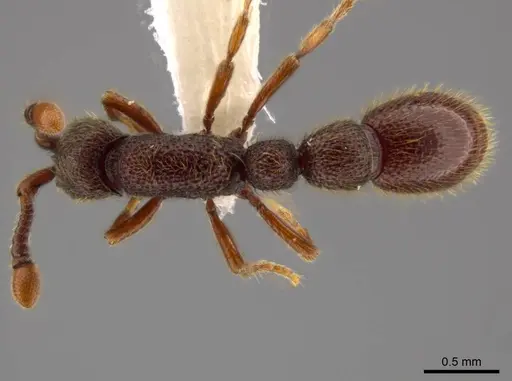
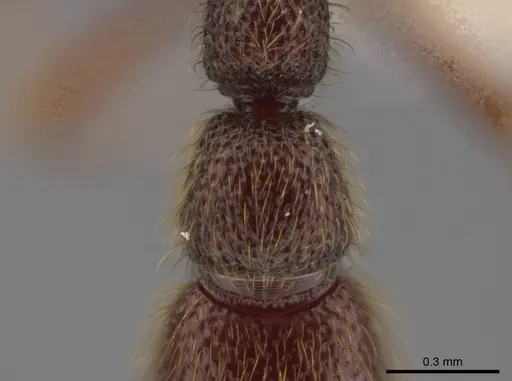
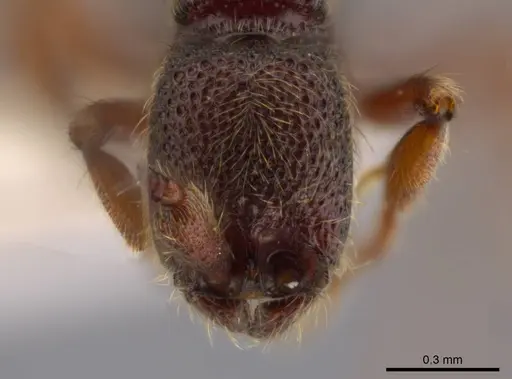
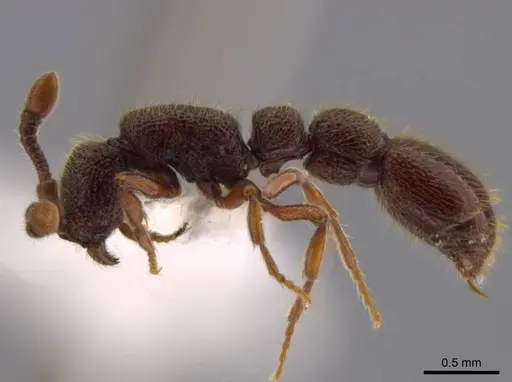
CASENT0628999
View on AntWeb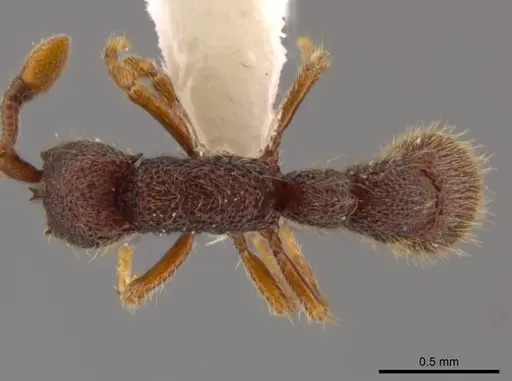
CASENT0630840
View on AntWeb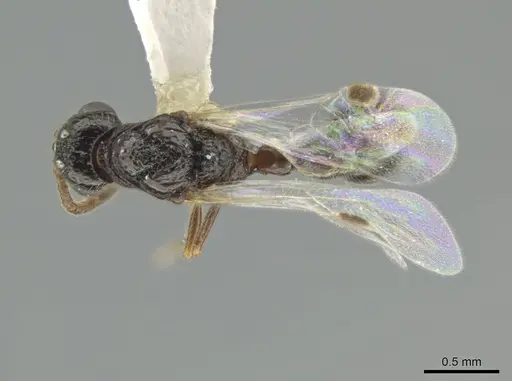
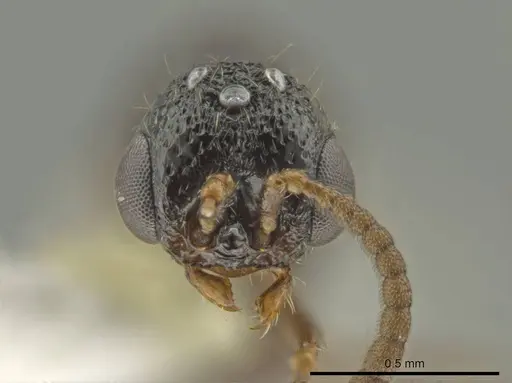
CASENT0644017
View on AntWeb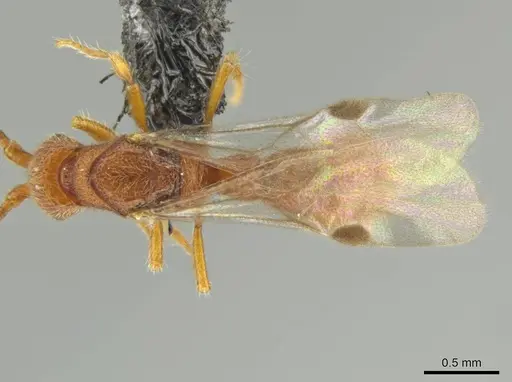
CASENT0644356
View on AntWeb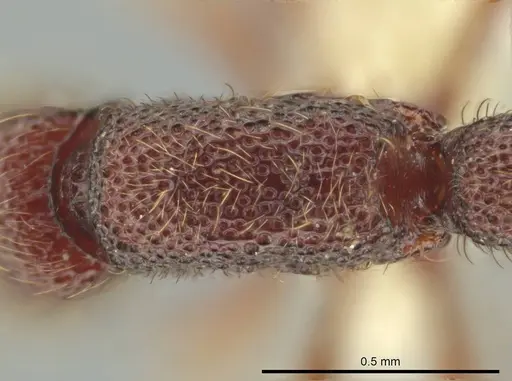
CASENT0644423
View on AntWeb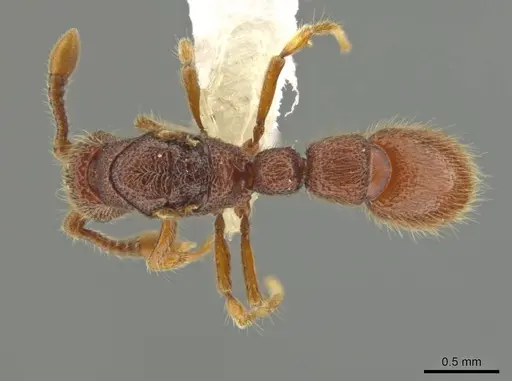
Literature
Loading...Loading products...