

Syscia parva
- Scientific Name
- Syscia parva
- Subfamily
- Dorylinae
- Author
- Longino & Branstetter, 2021
- Distribution
- Found in 2 countries
Syscia parva Overview
Syscia parva is an ant species of the genus Syscia. It is primarily documented in 2 countries , including Guatemala, Nicaragua. Detailed taxonomic data and occurrence records can be further explored via authoritative databases such as AntWeb or the Global Biodiversity Information Facility (GBIF).
Syscia parva
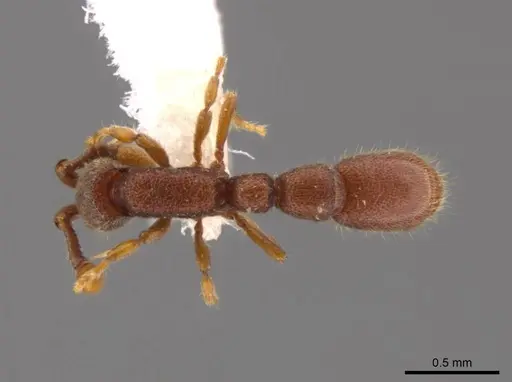
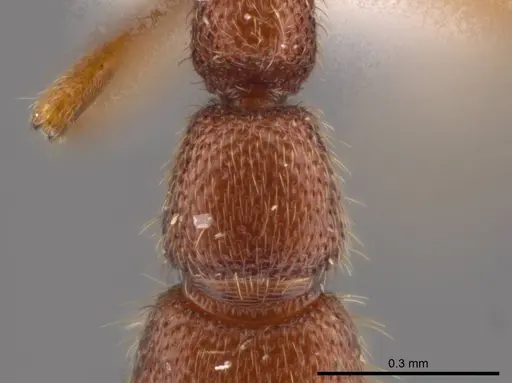
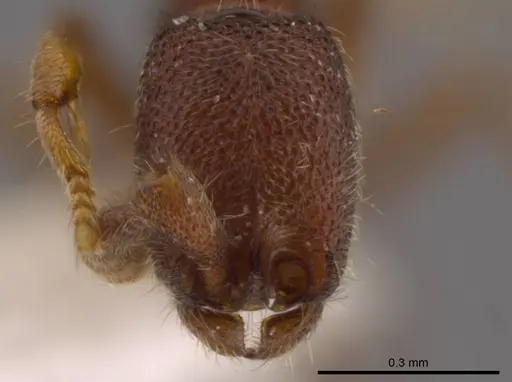
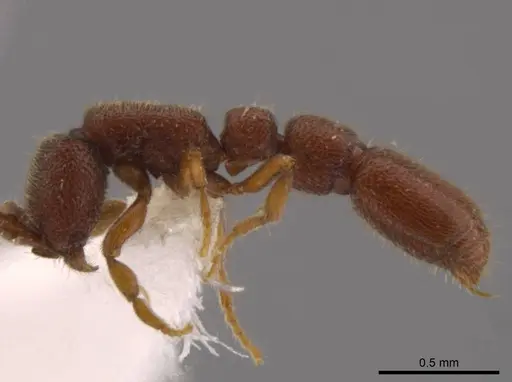
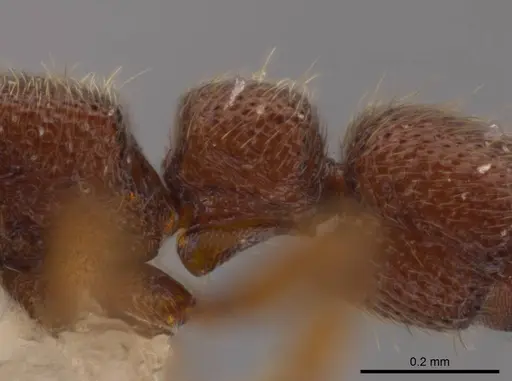
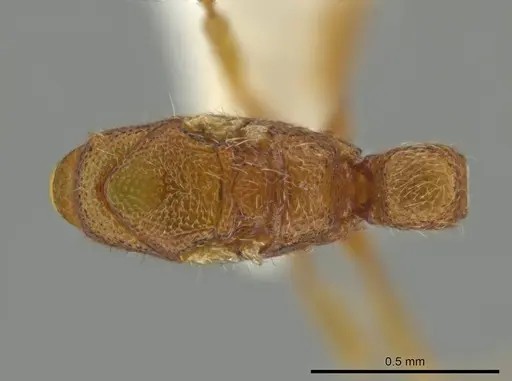
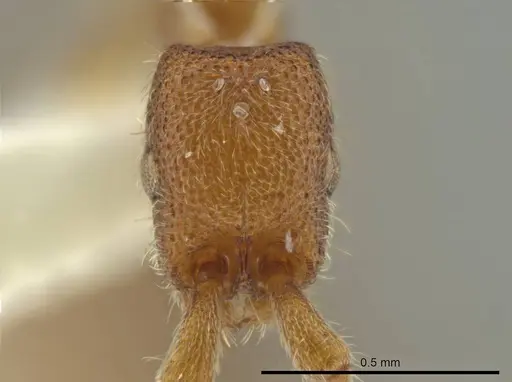
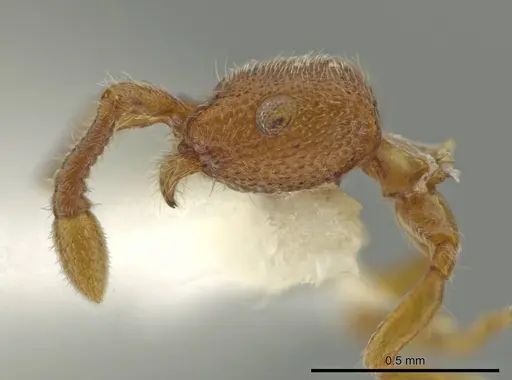
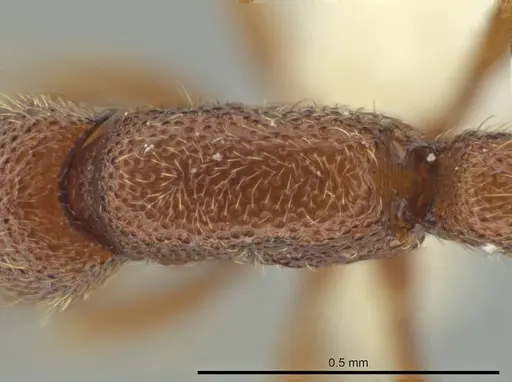
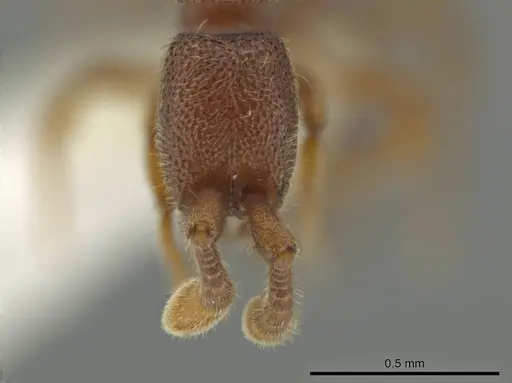
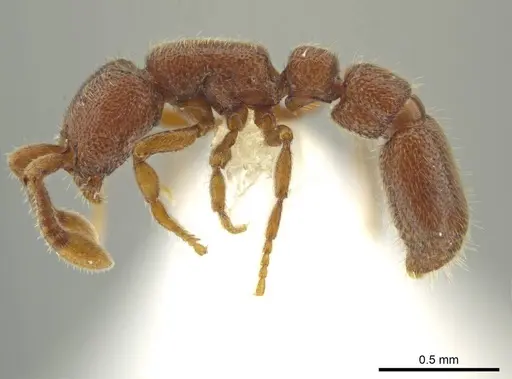
Syscia parva is a tiny army ant species native to the Neotropics, found across lowland forests from southern Mexico through Guatemala, Honduras, and Nicaragua [1]. Workers are among the smallest ants you'll encounter, measuring just 0.38mm in head width, they're barely visible to the naked eye and easily overlooked in leaf litter samples [1]. The species has a light brown coloration with a distinctive body shape: a moderately deep subpetiolar process forming a rounded lobe, and a subquadrate petiole [1]. Queens are slightly larger at 0.41mm head width but still remarkably small [1]. This is a lowland species that lives in wet to moist tropical forests from near sea level up to about 700 meters elevation [1]. All specimens have been collected from sifted leaf litter and rotting wood, indicating they nest in the forest floor microhabitat [1].
Quick Summary
- Difficulty: Hard
- Origin & Habitat: Lowland wet to moist tropical forests from southern Mexico (Chiapas) through Guatemala, Honduras, and Nicaragua, elevations near sea level to 700m [1]
- Colony Type: Unknown colony structure, Dorylinae colony organization has not been studied for this species
- Size & Growth:
- Queen: 0.41mm head width [1], estimated
- Worker: 0.37-0.39mm head width [1], confirmed from type specimens
- Colony: Unknown, no colony size data available
- Growth: Unknown, no development data available
- Development: Unknown, no direct measurements. Based on typical Dorylinae patterns, estimate 4-8 weeks at tropical temperatures, but this is a rough guess. (No developmental data exists for this species. Related Dorylinae typically develop relatively quickly in warm, humid conditions.)
- Antkeeping:
- Temperature: Keep warm at 24-28°C, they come from lowland tropical forests where temperatures are consistently warm year-round [1]
- Humidity: High humidity required, think damp forest floor. Keep substrate consistently moist but not waterlogged. These ants live in wet forest leaf litter [1]
- Diapause: Unlikely, being a tropical lowland species, they probably don't require a diapause period. Maintain warm temperatures year-round.
- Nesting: Natural nesting: in leaf litter and rotting wood in forest floors [1]. In captivity: very small test tubes or custom mini-nests work best given their tiny size. A naturalistic setup with fine substrate and plenty of hiding spaces mimics their natural environment.
- Behavior: These are tiny, cryptic ants that live in leaf litter. They are likely predatory like other Dorylinae, hunting small soil microfauna. Their small size means excellent escape prevention is critical, they can squeeze through the tiniest gaps. They are not aggressive toward humans and likely have reduced stinging ability typical of Dorylinae. Activity level is probably low to moderate, they are cryptic foragers in leaf litter rather than conspicuous surface foragers.
- Common Issues: their tiny size makes them extremely difficult to house and observe, standard ant keeping equipment is too large, escape prevention is critical, they will escape through any gap larger than 0.3mm, high humidity requirements can lead to mold problems if ventilation is poor, no dietary information exists, you'll need to experiment with small live prey, tropical species may decline if temperatures drop below 24°C, virtually no captive care information exists, this is an advanced species for experienced keepers
Housing and Escape Prevention
Housing Syscia parva presents unique challenges due to their extremely small size. Workers measure only 0.37-0.39mm in head width, smaller than many mite species [1]. Standard test tube setups may work but require careful attention to water reservoir size and cotton placement. A better option is a small acrylic nest or custom mini-formicarium with chambers appropriately scaled to their tiny size. Escape prevention is absolutely critical. These ants will escape through any gap larger than 0.3mm. Use fluon on container edges, ensure lids fit tightly, and consider wrapping enclosures in parafilm as an extra barrier. A naturalistic setup with a thin layer of moist substrate and pieces of rotting wood or leaf litter can help them feel at home. However, this makes observation difficult, you may want to use a small test tube setup with a water reservoir for easier monitoring.
Feeding and Diet
As a Dorylinae species, Syscia parva is likely predatory on small soil arthropods. In the wild, they probably hunt springtails, mites, and other micro-arthropods found in leaf litter [1]. In captivity, you should offer small live prey items, pinhead crickets are likely too large. Consider culturing springtails or fruit flies as a regular food source. Other options include tiny mealworms (cut into small pieces), freshly killed aphids, or small fruit fly larvae. Sugar sources may or may not be accepted, many Dorylinae are primarily predatory and ignore sweets. Offer occasional honey or sugar water but don't rely on it as a food source. Feed small amounts every 2-3 days and remove uneaten prey within 24 hours to prevent mold. Given how little is known about this species' diet, be prepared to experiment with different prey types.
Temperature and Humidity
Syscia parva comes from lowland wet to moist tropical forests in Central America, where temperatures are warm year-round and humidity stays high [1]. Maintain temperatures between 24-28°C, this is warmer than most temperate species require. A small heating mat on one side of the enclosure can create a gentle gradient. Avoid temperatures below 24°C, as this species is adapted to consistently warm conditions. Humidity should be high, aim for 70-85% relative humidity. Keep the substrate consistently moist but not waterlogged. These ants live in leaf litter and rotting wood on the forest floor, where humidity stays elevated [1]. Mist lightly every few days and use a water reservoir in test tube setups. Good ventilation is important to prevent mold, but avoid excessive airflow that dries things out. A balance of humidity and airflow is key.
Finding and Acquiring Colonies
Syscia parva was only formally described in 2021,making it one of the newer species in the antkeeping hobby [1]. Wild colonies are found by sifting leaf litter and collecting Winkler samples from wet forest floors in Mexico, Guatemala, Honduras, and Nicaragua [1]. This makes finding them a specialized task requiring tropical forest access and careful extraction techniques. Currently, there are likely few to no captive-bred colonies available. If you obtain a wild colony, quarantine it carefully and watch for parasites, leaf litter ants often carry mites or other commensals. Given how little is known about keeping this species, be prepared to document your observations carefully. Any successful captive husbandry information would be valuable for the antkeeping community.
Frequently Asked Questions
How big do Syscia parva colonies get?
Colony size is unknown, no data exists on maximum colony size for this species. Based on typical Dorylinae patterns, colonies are likely small, probably under 100 workers given their tiny size and cryptic lifestyle [1].
Do Syscia parva ants sting?
Dorylinae (army ants) typically have reduced stinging ability compared to other ant subfamilies. They likely rely on chemical defenses rather than a painful sting. Even if they could sting, at 0.38mm they are far too small to penetrate human skin.
What do Syscia parva eat?
They are likely predatory like other Dorylinae, hunting small soil arthropods. Offer small live prey like springtails, fruit flies, or tiny pieces of mealworms. Sugar sources may or may not be accepted, experiment cautiously [1].
Are Syscia parva good for beginners?
No, this is an advanced species suitable only for experienced antkeepers. They are extremely tiny (0.38mm workers), require high humidity and warm temperatures, have no documented captive care information, and escape easily through tiny gaps. There are much better species for beginners.
Do Syscia parva need hibernation?
Unlikely, they are a tropical lowland species from wet forests in Central America. They probably don't require a diapause period. Maintain warm temperatures (24-28°C) year-round.
How long do Syscia parva take to develop from egg to worker?
Unknown, no developmental data exists for this species. Based on typical Dorylinae patterns in warm tropical conditions, estimate roughly 4-8 weeks from egg to first worker, but this is a very rough guess.
Can I keep Syscia parva in a test tube?
Yes, a small test tube setup can work, but standard test tubes may be oversized for these tiny ants. Use a small water reservoir and ensure the cotton is packed tightly. Escape prevention is critical, consider additional barriers like fluon.
Where is Syscia parva found in the wild?
They live in lowland wet to moist tropical forests from southern Mexico (Chiapas) through Guatemala, Honduras, and Nicaragua, at elevations from near sea level to about 700 meters. They are found in sifted leaf litter and rotting wood [1].
When do Syscia parva have nuptial flights?
Unknown, nuptial flight timing has not been documented for this species. As a tropical species, they may have less predictable flight seasons compared to temperate ants.
Why are my Syscia parva dying?
Common causes include: temperatures below 24°C (they need warmth), low humidity (they need damp conditions), escape through tiny gaps, mold from poor ventilation, or inadequate food. This species has no captive history, so troubleshooting requires careful observation and experimentation.
References

This caresheet is licensed under CC BY-SA 4.0 .
Literature
Loading...Loading products...