

Syscia murillocruzae
- Scientific Name
- Syscia murillocruzae
- Subfamily
- Dorylinae
- Author
- Longino & Branstetter, 2021
- Distribution
- Found in 1 countries
Syscia murillocruzae Overview
Syscia murillocruzae is an ant species of the genus Syscia. It is primarily documented in 1 countries , including Costa Rica. Detailed taxonomic data and occurrence records can be further explored via authoritative databases such as AntWeb or the Global Biodiversity Information Facility (GBIF).
Syscia murillocruzae
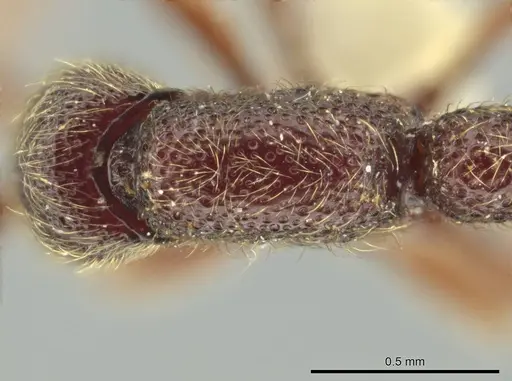
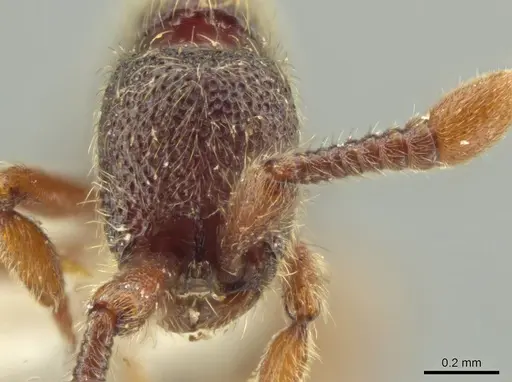
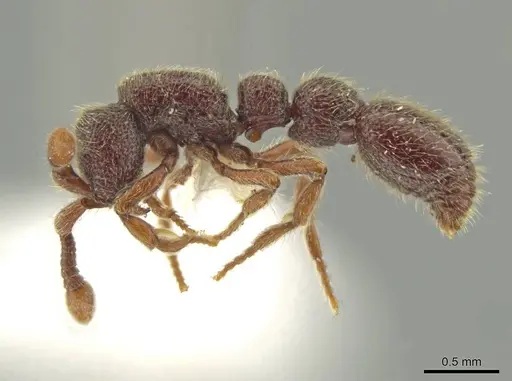
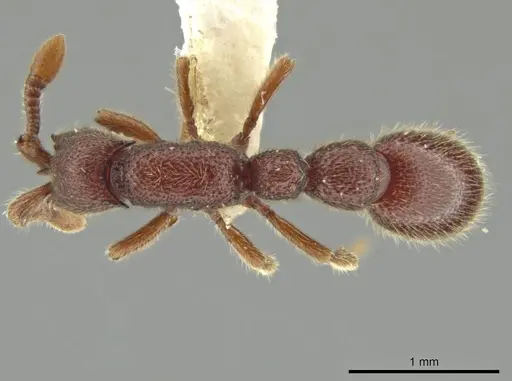
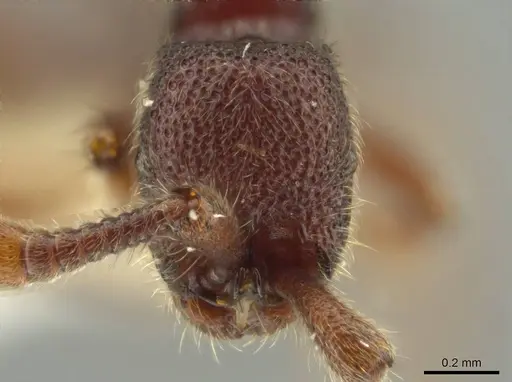
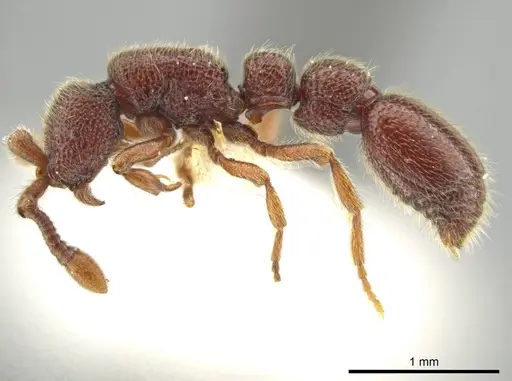
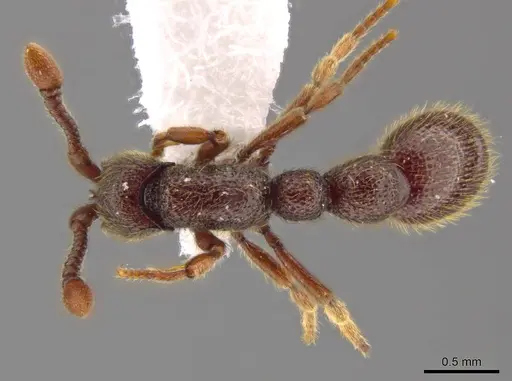
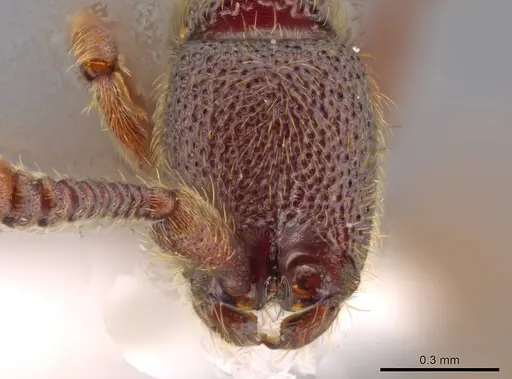
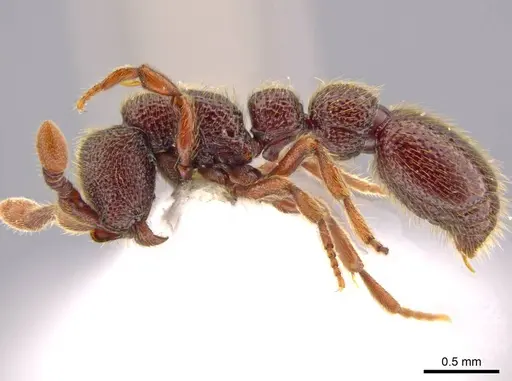
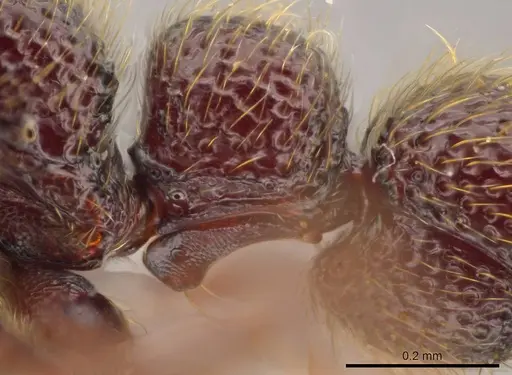
Syscia murillocruzae is a tiny army ant species described in 2021 from the lowland rainforests of Costa Rica. Workers measure just 0.67mm in body length, making them among the smallest ants you can keep [1]. They are dark reddish-brown in color and live in wet forest habitats at elevations up to 500 meters [1]. This species was discovered through leaf litter extraction methods (Winkler and Berlese samples) in the famous La Selva Biological Station [1].
What makes this species unusual is its colony structure. Unlike most ants with clear queen and worker castes, S. murillocruzae has intercaste females, worker-like ants with small eyes that can reproduce [1]. Only one fully wingless queen has ever been collected [1]. This suggests flexible social structure where multiple females may share reproductive duties, similar to some other Dorylinae species.
Quick Summary
- Difficulty: Hard
- Origin & Habitat: Lowland rainforest in Costa Rica, specifically Heredia Province at La Selva Biological Station. Found in wet forest leaf litter and rotten wood at elevations up to 500m [1].
- Colony Type: Unusual colony structure with intercaste females. No fully formed winged queens known, reproduction appears to be by intercaste females (worker-like reproductives with small eyes). Single wingless queen collected once [1]. Likely facultatively polygyne or polygynous based on intercaste presence.
- Colony: Optionally polygyne
- Size & Growth:
- Queen: ~1.23mm mesosomal length (single wingless queen collected) [1], estimated from measurements
- Worker: 0.67mm body length (HL 0.63-0.71mm) [1]
- Colony: Unknown, likely small colony under 100 workers based on typical leaf litter Dorylinae patterns
- Growth: Unknown, likely moderate based on related species
- Development: Unknown, estimated 6-10 weeks based on typical Dorylinae development in warm conditions (No direct data available. Development time inferred from related lowland rainforest Dorylinae species.)
- Antkeeping:
- Temperature: Keep warm at 24-27°C, these are lowland tropical ants from Costa Rica [1]. Room temperature is likely adequate if your home is in this range. Avoid temperatures below 22°C.
- Humidity: High humidity required, think damp rainforest floor. Keep substrate consistently moist but not waterlogged. Provide a water tube as their primary water source.
- Diapause: No diapause required, they come from a tropical environment with no winter [1]. Maintain consistent conditions year-round.
- Nesting: Tiny leaf litter ants need tight chambers scaled to their minute size. A plaster or acrylic nest with very small chambers works well. Provide connections to a foraging area with damp substrate (coco fiber or soil mix) for hunting opportunities.
- Behavior: Very cryptic and shy. As Dorylinae, they are predatory and likely hunt small micro-arthropods like springtails and mites. Workers are tiny and can easily escape through small gaps, excellent escape prevention is critical. They are not aggressive and will avoid confrontation. Activity level is likely low to moderate, with workers remaining hidden in the nest or foraging quietly in substrate.
- Common Issues: escape prevention is critical, workers are tiny (under 1mm) and can squeeze through standard barrier gaps, high humidity needs can lead to mold if ventilation is poor, slow or unclear growth because development timeline is unknown, no established husbandry guidelines, this is a newly described species with limited data, predatory diet means you need a constant supply of live micro-prey like springtails
Housing and Nest Setup
Syscia murillocruzae is an extremely tiny ant, with workers measuring just 0.67mm [1]. This means you need specialized housing with very small chambers and narrow passages. Standard formicarium chambers are far too large, these ants need tight, scaled accommodations. A small plaster nest or custom acrylic nest with chambers sized for tiny ants works best. Because they are from wet forest leaf litter, the nest material should retain moisture well. Connect the nest to a foraging area that contains damp substrate (coco fiber or a soil mix) where they can hunt. Always use excellent escape prevention, these ants can slip through gaps that seem impossible. Apply fluon to all edges and use tight-fitting lids [1].
Feeding and Diet
As a Dorylinae species, Syscia murillocruzae is predatory and needs live prey. Their tiny size means their prey must be equally small, springtails are the ideal food source. They likely hunt micro-arthropods in the leaf litter layer in nature, including tiny mites, springtails, and other micro-invertebrates [1]. Offer live springtails regularly (every few days) and ensure a constant supply. You may also experiment with other tiny live prey like fruit fly larvae or very small mealworm pieces. Sugar sources are unlikely to be accepted, these are strict predators like most Dorylinae. Always remove uneaten prey to prevent mold issues.
Temperature and Humidity
These are lowland tropical ants from Costa Rica, so they need warm, humid conditions [1]. Keep temperatures in the 24-27°C range, room temperature is often suitable if your home stays in this range. Avoid temperatures below 22°C or above 30°C. Humidity should be high, think damp rainforest floor. Keep the nest substrate consistently moist but not sitting in water. A water tube should be available at all times. Good ventilation is important to prevent mold, but avoid excessive airflow that dries them out. A hygrometer helps monitor humidity levels.
Colony Structure and Reproduction
The colony structure of Syscia murillocruzae is unusual and not fully understood. No fully winged queens have been collected, only intercaste females, which are worker-like reproductives with small compound eyes [1]. This suggests the species may have flexible reproduction where multiple females can lay eggs, similar to some other Dorylinae. Only one wingless queen has ever been found [1]. This means your colony may have multiple reproducing females rather than a single dominant queen. Do not combine unrelated foundress colonies, aggression may occur. Growth rate and maximum colony size are unknown but likely modest given their tiny size and leaf litter habitat.
Handling and Temperament
These ants are extremely cryptic and not aggressive. They will hide rather than confront threats. Workers are so small they are nearly invisible, and they spend most of their time in the nest or hunting through substrate. You will rarely see dramatic foraging raids typical of larger army ants. They are not suitable for observation-focused keeping, instead, appreciate them as a fascinating window into the hidden world of leaf litter ants. They cannot sting and pose no danger to humans. Their tiny size makes them delicate, avoid disturbing the nest unnecessarily. [1]
Frequently Asked Questions
How long does it take for Syscia murillocruzae to produce first workers?
The exact development timeline is unknown, this is a newly described species with no published development data [1]. Based on related Dorylinae in warm conditions, expect roughly 6-10 weeks from egg to worker. Be patient as growth may be slow.
Can I keep Syscia murillocruzae in a test tube?
Test tubes are too large for these tiny ants. Standard test tube setups have chambers and water reservoirs sized for much larger ants. You would need a custom setup with very small chambers or a carefully modified test tube setup with minimal space. A small plaster or acrylic nest scaled to their size is preferable.
What do Syscia murillocruzae eat?
They are predatory and need live micro-prey. Springtails are the ideal food, their natural diet consists of tiny leaf litter arthropods like springtails, mites, and other micro-invertebrates [1]. Sugar sources are unlikely to be accepted.
Are Syscia murillocruzae good for beginners?
No, this is an expert-level species. They are extremely tiny (under 1mm), require specialized housing, need constant live prey, and have no established husbandry guidelines. The colony structure is unusual and growth rates are unknown. This species is best for experienced antkeepers who can provide specialized care.
Do Syscia murillocruzae need hibernation?
No, they come from tropical Costa Rica with no winter [1]. Maintain warm, consistent temperatures year-round. No diapause or cooling period is needed.
How big do Syscia murillocruzae colonies get?
Colony size is unknown but likely remains small, probably under 100 workers. This is typical for leaf litter ants in the Dorylinae subfamily. They are cryptic colony dwellers rather than large colony builders.
Why are my Syscia murillocruzae dying?
Common causes include: escape (they are tiny and will slip through small gaps), low humidity (they need damp conditions), lack of live prey (they are strict predators), and temperatures outside their 24-27°C range. Check escape prevention first, they can escape through gaps you cannot see.
Can I keep multiple queens together?
The natural colony structure involves intercaste females (worker-like reproductives), suggesting multiple females can reproduce [1]. However, combining unrelated foundresses is not recommended as it has not been studied. The single queen collected was wingless, indicating claustral or semi-claustralfounding within a nest.
When should I move them to a formicarium?
Wait until the colony is established with at least 10-20 workers. However, given their tiny size, they may do better in a naturalistic setup with damp substrate from the start rather than moving to a traditional formicarium. They need tight spaces scaled to their minute size.
References

This caresheet is licensed under CC BY-SA 4.0 .
Literature
Loading...Loading products...