

Syscia madrensis
- Scientific Name
- Syscia madrensis
- Subfamily
- Dorylinae
- Author
- Longino & Branstetter, 2021
- Distribution
- Found in 2 countries
Syscia madrensis Overview
Syscia madrensis is an ant species of the genus Syscia. It is primarily documented in 2 countries , including Mexico, United States of America. Detailed taxonomic data and occurrence records can be further explored via authoritative databases such as AntWeb or the Global Biodiversity Information Facility (GBIF).
Syscia madrensis
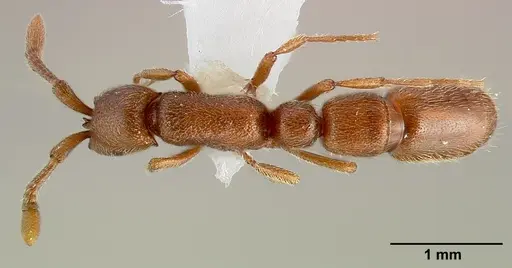
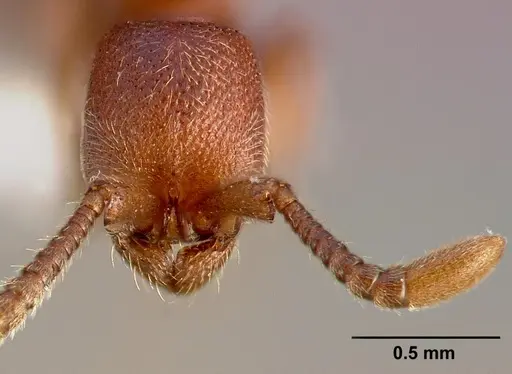
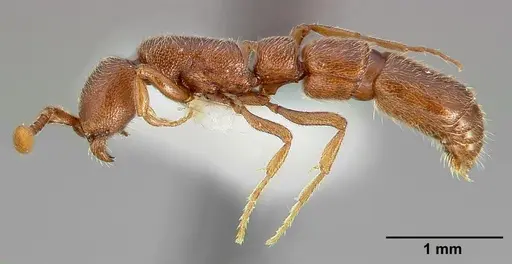
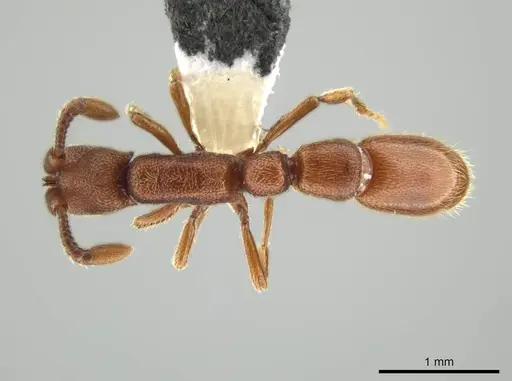
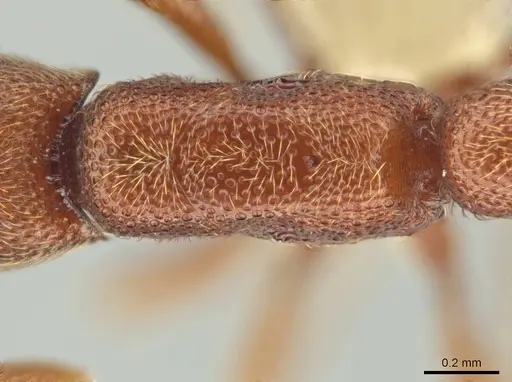
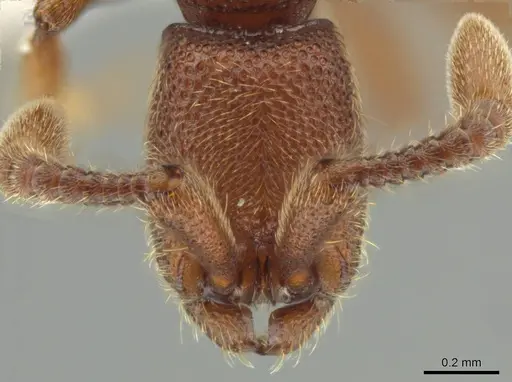
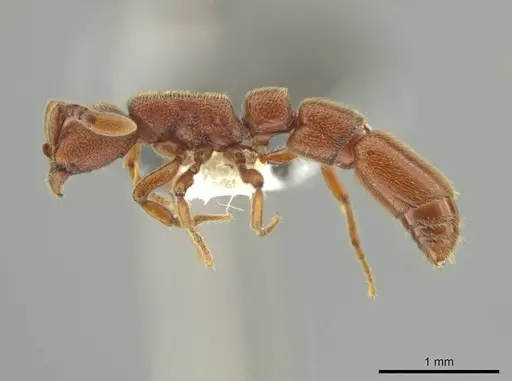
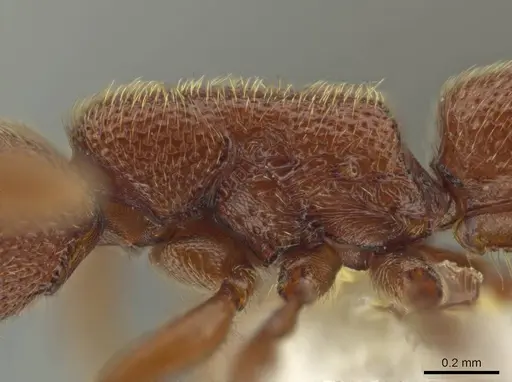
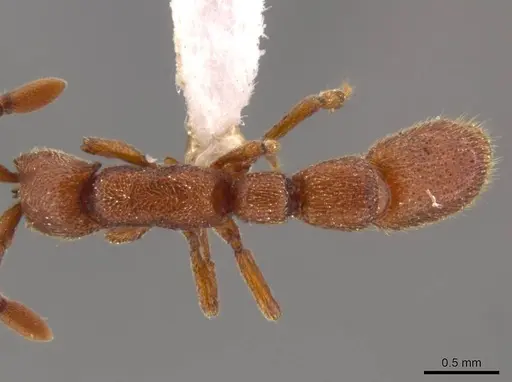
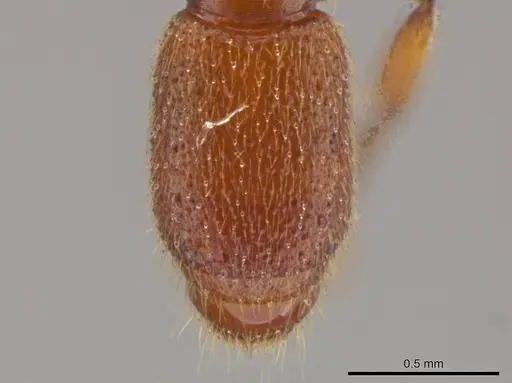
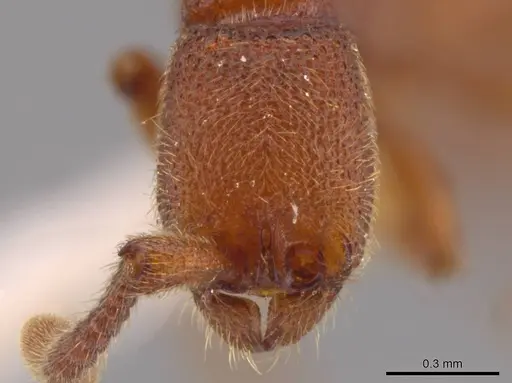
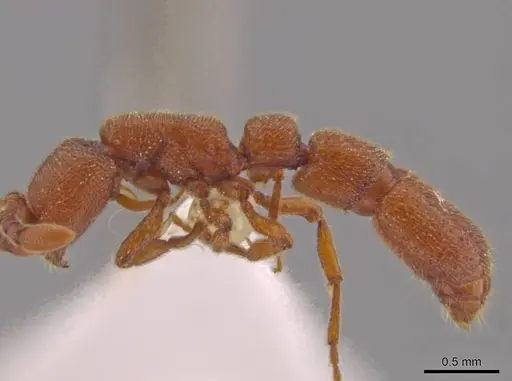
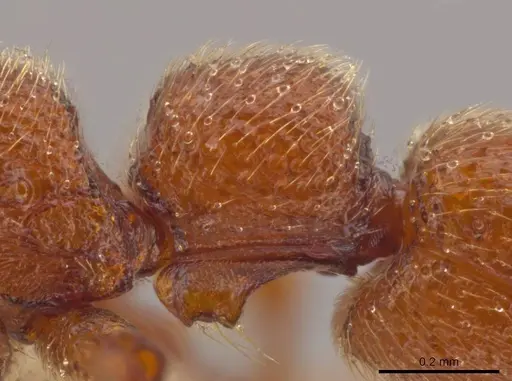
Syscia madrensis is a tiny subterranean ant species native to the American Southwest and northern Mexico. Workers are among the smallest ants you'll encounter, measuring just 0.5-0.6mm in head width with a light red-brown coloration [1]. They inhabit the 'Sky islands' of southern Arizona and mountain ranges in Baja California, typically found at elevations around 1560m in mixed oak-pine woodland habitats [1]. Unlike many ants you're probably used to, these are completely subterranean, they form colonies under stones and workers move in columns along underground passages, rarely if ever emerging into the open air [1]. This makes them a truly unique ant to keep, as you'll rarely see them out and about in their enclosure.
Quick Summary
- Difficulty: Medium
- Origin & Habitat: Native to the southwestern United States (Arizona, New Mexico) and northern Mexico (Baja California). Found in 'Sky islands' mountain ranges at approximately 1560m elevation in mixed oak-pine woodland habitats [1].
- Colony Type: Colony structure is unconfirmed. Observed colonies show workers moving in columns under stones, suggesting established multi-worker colonies exist in the wild [1]. No sexuals (queens or males) have been documented, so colony founding behavior is unknown.
- Size & Growth:
- Queen: Undocumented, no queens have been collected or described in scientific literature [1].
- Worker: 0.5-0.6mm head width (HW 0.57mm), total body length approximately 2mm [1].
- Colony: Likely reaches several hundred workers based on observed worker columns [1]. Estimated from related Dorylinae patterns.
- Growth: Likely moderate. Based on typical Dorylinae development patterns, expect 4-8 weeks from egg to first worker at optimal temperature.
- Development: Estimated 4-8 weeks at 20-24°C based on related Dorylinae species development patterns. (Direct development data for this species is unavailable. Estimates based on genus-level inference from other Dorylinae.)
- Antkeeping:
- Temperature: Keep at 18-22°C. This species comes from cooler mountain elevations in Arizona, so they prefer conditions cooler than typical room temperature. A slight thermal gradient allows them to regulate.
- Humidity: Moderate humidity around 50-70%. Their natural habitat in oak-pine woodlands experiences seasonal moisture variation. Keep the nest substrate consistently moist but not waterlogged.
- Diapause: Likely yes. Based on their Arizona/New Mexico distribution at higher elevations, they likely experience a winter dormancy period. Keep at 10-15°C for 2-3 months during winter.
- Nesting: Completely subterranean. In captivity, provide a nest with small chambers and narrow passages scaled to their tiny size. Test tubes with cotton barriers or small acrylic nests work well. They prefer dark, enclosed spaces and will likely remain hidden most of the time.
- Behavior: Extremely docile and non-aggressive. As subterranean Dorylinae, they are predaceous hunters using chemical secretions for defense rather than stinging. Workers are rarely seen outside the nest, expect minimal activity outside chambers. Escape risk is HIGH due to their minute size, they can squeeze through the tiniest gaps. Excellent escape prevention is essential.
- Common Issues: escape prevention is critical, they are tiny enough to squeeze through standard test tube barriers, colonies may fail if kept too warm, they prefer cooler temperatures than most ants, slow growth can frustrate beginners, give them time to establish, they are completely subterranean so you may rarely see any activity, no documented captive breeding success to reference, this is an advanced species
Housing and Nest Setup
Syscia madrensis is a completely subterranean species, which means your setup needs to reflect their natural underground lifestyle. These ants are tiny, workers are only about 2mm total length, so any chambers or passages must be appropriately scaled [1]. Small test tubes with cotton water reservoirs work well for founding colonies, though you may need to use fine mesh barriers to prevent escapes. Given their minute size, standard cotton barriers may not be sufficient. Consider using a thin layer of petroleum jelly on tube rims or specialized escape barriers designed for micro ants. They prefer dark, enclosed spaces and will likely remain hidden most of the time. A small acrylic nest with tight chambers can also work, but ensure all connections and openings are sealed against their tiny size. Provide a small outworld connected to the nest where you can offer food, but don't expect to see them out and about frequently, these ants are truly subterranean and may spend most of their time in the nest chambers.
Feeding and Diet
As Dorylinae ants, Syscia madrensis is likely a predator like other army ants and their relatives. In the wild, they are known to form columns of workers moving under stones, which suggests active hunting and foraging behavior underground [1]. Feed small live prey items appropriate to their tiny size: fruit flies, springtails, pinhead crickets, and other micro-arthropods. Because they are so small, even tiny prey items represent substantial meals. Sugar sources may be accepted occasionally, but protein from live prey should be the primary food. Offer food in the outworld area and remove any uneaten prey after 24-48 hours to prevent mold. Feed every 2-3 days, adjusting based on colony size and consumption. Remember that you may not actually witness feeding, these ants are secretive and may only emerge to retrieve prey when the colony is quiet.
Temperature and Seasonal Care
This species comes from cooler mountain habitats in the American Southwest, specifically the 'Sky islands' of southern Arizona at elevations around 1560m [1]. Unlike many ants that thrive at typical room temperature, Syscia madrensis prefers cooler conditions. Keep the nest at 18-22°C, avoiding temperatures above 24°C. A heating cable on one side of the nest can create a thermal gradient, but monitor carefully, overheating can be fatal. During winter, they likely experience dormancy due to their high-elevation habitat. Provide a hibernation period of 2-3 months at 10-15°C in winter months. This species has not been documented in scientific literature as having specific diapause requirements, but their natural range in Arizona and New Mexico experiences cold winters that would naturally trigger dormancy. Reduce feeding during hibernation and keep the nest slightly cooler but not cold.
Behavior and Observation
Syscia madrensis is one of the most secretive ants you can keep. They are completely subterranean, meaning they live underground and rarely if ever come to the surface [1]. In the wild, observers have seen columns of workers moving under stones, but the ants themselves stay hidden. This means in captivity, you will see very little activity. The nest will likely remain quiet, with workers coming out only briefly to retrieve food or maintain the colony. They are not aggressive and do not sting, as Dorylinae, they lack functional stingers and rely on chemical defenses instead. This makes them safe to handle, though you should avoid disturbing them unnecessarily. Their tiny size and secretive nature make them a 'watch and wait' species, you provide the right conditions and observe the colony's slow, hidden development over months and years.
Colony Development and Expectations
No one has documented Syscia madrensis colony development in captivity, this is a species that has never been kept in artificial setups before, at least not in any published records [1]. What we know comes from occasional wild collections showing worker columns under stones. Expect slow growth. Based on typical Dorylinae patterns, development from egg to worker likely takes 4-8 weeks at optimal temperature, but this is an estimate. Colonies probably reach several hundred workers at maturity. The biggest challenge is simply that we don't have captive breeding data, this is truly an advanced species where you may be pioneering captive husbandry. Start with a colony of multiple workers if you can find one (they have been observed as established colonies in the wild), as founding behavior is completely unknown. Be patient, maintain consistent conditions, and document your observations, you may be contributing to new knowledge about this species.
Frequently Asked Questions
Can I keep Syscia madrensis in a test tube?
Yes, test tubes can work, but escape prevention is critical. These ants are tiny, workers are only about 2mm, and can squeeze through standard cotton barriers. Use fine mesh over the tube opening, petroleum jelly on rims, or specialized micro-ant barriers. Provide a small outworld connected to the tube for feeding.
How often should I feed Syscia madrensis?
Feed every 2-3 days with small live prey items appropriate to their tiny size. Remove uneaten prey after 24-48 hours. Reduce feeding during any winter dormancy period. Since they are subterranean and secretive, you may not see them eat, place prey in the outworld and check after a day.
How long does it take for Syscia madrensis to develop from egg to worker?
The exact development time is unconfirmed for this species. Based on related Dorylinae ants, estimate 4-8 weeks at optimal temperature (around 20°C). This is an inference, not a documented fact, no captive breeding data exists for this species yet.
How big do Syscia madrensis colonies get?
Colony size is estimated at several hundred workers based on observed worker column behavior in the wild [1]. Exact maximum size is unknown, this species has not been extensively studied. Expect moderate colony growth over many months to years.
Are Syscia madrensis good for beginners?
No, this is an advanced species. They are tiny, completely subterranean, and have no documented captive breeding history. You are essentially pioneering their husbandry. They require specific cool temperatures, excellent escape prevention, and patience. If you want a rewarding beginner ant, consider more established species like Lasius or Tetramorium.
Do Syscia madrensis need hibernation?
Likely yes. They come from higher elevations in Arizona and New Mexico where winters are cold. Provide 2-3 months at 10-15°C during winter. This is inferred from their natural range, not directly documented.
Why is my Syscia madrensis colony dying?
Common causes: temperatures too high (keep below 24°C), escape through tiny gaps, insufficient prey, or disturbance. These ants are sensitive to overheating and require cool, stable conditions. Check that all enclosures are sealed, they can escape through gaps you cannot see. Also ensure you're offering appropriate-sized live prey.
References

This caresheet is licensed under CC BY-SA 4.0 .
Literature
Loading...Loading products...