

Syscia jennierussae
- Scientific Name
- Syscia jennierussae
- Subfamily
- Dorylinae
- Author
- Longino & Branstetter, 2021
- Distribution
- Found in 3 countries
Syscia jennierussae Overview
Syscia jennierussae is an ant species of the genus Syscia. It is primarily documented in 3 countries , including Belize, Guatemala, Mexico. Detailed taxonomic data and occurrence records can be further explored via authoritative databases such as AntWeb or the Global Biodiversity Information Facility (GBIF).
Syscia jennierussae
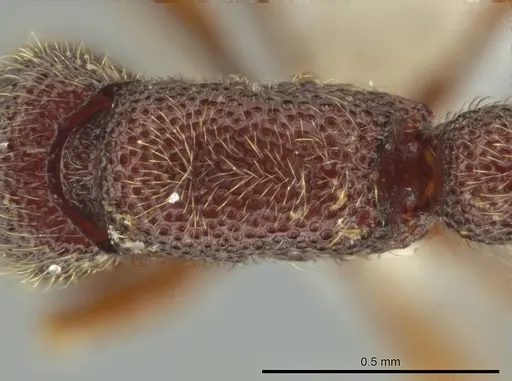
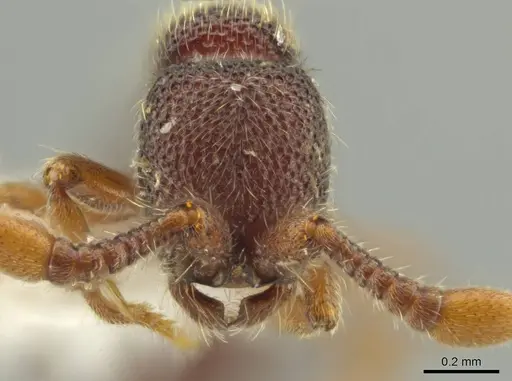
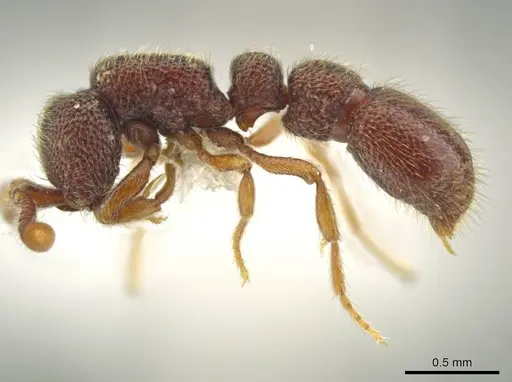
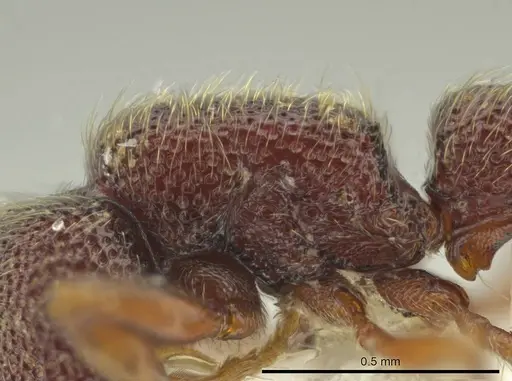
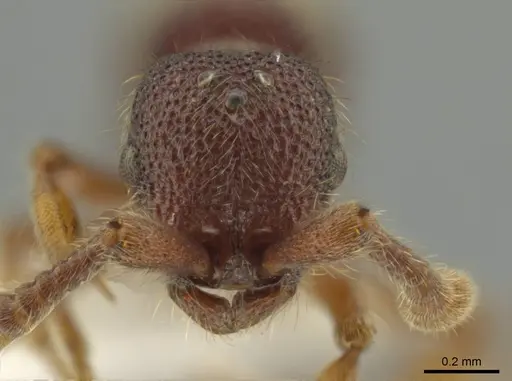
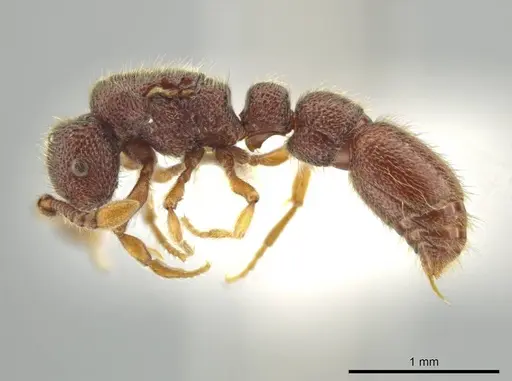
Syscia jennierussae is a tiny army ant species from the Dorylinae subfamily, found exclusively in the lowland wet forests of southern Mexico and Guatemala [1]. Workers are among the smallest in the genus, measuring just 0.54mm in head width, with a reddish-brown coloration and relatively coarse standing pilosity (long, stiff hairs) across their bodies [1]. Queens are slightly larger at 0.55mm head width and 0.99mm mesosoma length, and the species also produces intercaste females (intermediate between worker and queen) [1]. All known specimens have been collected from forest floor leaf litter and rotten wood using Winkler extraction methods, indicating they are cryptic, ground-nesting ants that rarely venture into the open [1]. This is a recently described species (2021), and relatively little is known about its specific behaviors in the wild compared to better-studied army ants.
Quick Summary
- Difficulty: Hard
- Origin & Habitat: Lowland moist to wet forest in southern Mexico (Chiapas) and Guatemala, at elevations around 160 meters [1]. Found in mature wet forest habitats where humidity remains high year-round.
- Colony Type: Colony structure is unconfirmed. Workers, dealate queens, and intercaste females have been collected, suggesting the species may have ergatoid (worker-like) replacement reproductives or produce intercaste forms for colony reproduction.
- Size & Growth:
- Queen: 0.55mm head width,0.99mm mesosoma length [1]
- Worker: 0.54mm head width,0.64mm head length,0.78mm total mesosoma length [1]
- Colony: Unknown, no colony size data available
- Growth: Unknown, no development data available
- Development: Unknown, no direct development data. Based on typical Dorylinae patterns, estimate 4-8 weeks at tropical temperatures. (Development timeline is unconfirmed. Dorylinae ants typically develop relatively quickly compared to some other subfamilies.)
- Antkeeping:
- Temperature: Keep warm, around 24-28°C, consistent with their lowland tropical origin. Avoid temperatures below 22°C.
- Humidity: High humidity is essential, these ants come from wet forest environments. Keep substrate consistently moist but not waterlogged. Provide a humidity gradient so ants can choose their preferred zone.
- Diapause: Unlikely, as a tropical lowland species, they probably do not require a diapause period. Maintain warm conditions year-round.
- Nesting: Natural nesting occurs in forest floor leaf litter and rotten wood. In captivity, a naturalistic setup with moist substrate (soil/peat mix) and small pieces of rotting wood or leaf litter works well. Very small colony size means they can be kept in small containers initially.
- Behavior: As a Dorylinae species, these ants are predatory and likely hunt small invertebrates. Workers are tiny and cryptic, foraging within substrate rather than openly. They probably form small colonies given their small worker size. Escape prevention is critical due to their minute size, they can squeeze through extremely small gaps. The sting capability of Dorylinae means they can deliver painful stings, though their small size limits the actual threat to humans.
- Common Issues: escape prevention is critical, their tiny size means they can slip through standard barrier setups, high humidity requirements can lead to mold problems if ventilation is inadequate, predatory diet means they need constant access to live small prey, failure to provide adequate protein causes colony decline, tropical species may struggle if room temperature drops below 22°C, newly described species means captive breeding information is extremely limited
Housing and Setup
Syscia jennierussae requires a setup that mimics their natural forest floor habitat. A naturalistic terrarium-style enclosure works best, use a shallow container filled with moist substrate (a mix of soil, peat, and sand works well) with pieces of rotting wood, dead leaves, and other debris on top [1]. This provides both nesting sites and foraging opportunities. Because they are tiny, even small plastic containers can work for founding colonies, but ensure excellent escape prevention, these ants can slip through gaps you wouldn't believe. Use fine mesh on any ventilation holes and apply fluon or another barrier to the upper edges of the enclosure. A small water reservoir or moisture gradient helps maintain humidity without flooding the substrate.
Feeding and Diet
As a Dorylinae army ant, this species is predatory and requires live prey. In the wild, they likely hunt small soil arthropods including springtails, mites, and other micro-invertebrates found in forest floor litter [1]. In captivity, offer small live prey such as springtails, fruit flies, tiny crickets, and other small insects. Feed small prey items every few days, adjusting based on colony size and consumption rate. Remove uneaten prey promptly to prevent mold. Sugar sources are unlikely to be accepted, Dorylinae are primarily predatory and do not typically tend aphids or seek nectar. Some keepers report success offering tiny amounts of honey or sugar water occasionally, but protein-rich live prey should form the bulk of their diet.
Temperature and Humidity
Maintain warm temperatures between 24-28°C, consistent with their lowland tropical origin in Chiapas and Guatemala [1]. A heating mat on one side of the enclosure can create a temperature gradient, but ensure the nest area does not overheat or dry out. High humidity is essential, aim for 70-85% relative humidity. The substrate should feel consistently moist but never waterlogged. Mist the enclosure regularly and consider using a moisture-retaining substrate mix. Provide a humidity gradient so ants can move between wetter and drier areas as needed. Avoid temperatures below 22°C for extended periods, as this species is not adapted to cool conditions.
Behavior and Colony Dynamics
This is a cryptic, ground-dwelling species that forages within leaf litter and rotting wood rather than building obvious nests or foraging in the open [1]. Workers are tiny and rarely seen moving openly. The colony likely remains small, possibly under 100 workers based on the small worker size and what is known about related species. The presence of intercaste females in collected samples suggests the species may have flexible reproductive castes, where workers can develop into replacement reproductives if needed [1]. This is a recently described species (2021), so many aspects of their natural behavior remain unstudied. In captivity, observe but do not disturb, these ants are sensitive to vibration and disturbance.
Escape Prevention
Excellent escape prevention is absolutely critical for this species. Workers measure only 0.54mm in head width, smaller than many springtails they prey upon [1]. Standard ant keeping barriers are often insufficient. Use fine mesh (at least 0.5mm or smaller) on all ventilation. Apply fluon or similar barriers to all interior edges. Check connections between enclosure parts frequently. Consider keeping founding colonies in sealed test tubes or small containers with taped seams until you can transfer to a properly secured setup. Even a small gap can result in colony loss.
Frequently Asked Questions
How long does it take for Syscia jennierussae to produce first workers?
The egg-to-worker timeline is unconfirmed for this species. Based on typical Dorylinae development patterns at tropical temperatures (24-28°C), expect approximately 4-8 weeks from egg to first worker. However, this is an estimate, no specific development data exists for this recently described species.
Can I keep Syscia jennierussae in a test tube setup?
Yes, test tubes can work for founding colonies. However, you will need to ensure excellent escape prevention due to their tiny size. Use cotton plugs with fine mesh, apply fluon to the tube rim, and consider wrapping the tube in plastic wrap with small air holes. Monitor humidity carefully, test tubes dry out quickly and this species requires high humidity.
Do Syscia jennierussae ants sting?
Yes, as a Dorylinae species they have functional stingers. However, their tiny size means the sting is mild and unlikely to cause significant pain to humans. The real concern is their small size making them difficult to handle and easy to lose.
What do Syscia jennierussae eat?
They are predatory and require live small invertebrates. Offer springtails, fruit flies, tiny crickets, and other small live prey. Remove uneaten prey after a few hours to prevent mold. Sugar sources are unlikely to be accepted, focus on protein-rich live prey.
Are Syscia jennierussae good for beginners?
No, this species is not recommended for beginners. They are a recently described species with limited captive care information, require high humidity and warm temperatures, need constant access to live prey, and their tiny size makes escape prevention challenging. They are best suited for experienced antkeepers who can provide the specific conditions they require.
Do Syscia jennierussae need hibernation?
No, as a tropical lowland species from Mexico and Guatemala, they do not require hibernation. Maintain warm temperatures (24-28°C) year-round. Diapause is not necessary and could be harmful.
How big do Syscia jennierussae colonies get?
Colony size is unknown. Based on their tiny worker size (0.54mm) and what is known about related Dorylinae species, colonies likely remain relatively small, probably under 100 workers. This is a recently described species and no large colony data exists.
Why are my Syscia jennierussae dying?
Common causes include: temperature too low (keep above 22°C), humidity too low (they need 70-85%), lack of live prey (they cannot survive on sugar alone), escape through tiny gaps, and mold from overwatering or poor ventilation. Check all parameters and ensure you are providing adequate small live prey.
When should I move Syscia jennierussae to a formicarium?
For this cryptic species, a naturalistic setup with substrate is preferable to traditional formicariums. If you do move them, wait until the colony has at least 20-30 workers and is actively foraging. Ensure the new enclosure maintains the high humidity they require.
Can I keep multiple Syscia jennierussae queens together?
This has not been documented. The colony structure is unconfirmed, and combining unrelated queens is not recommended given the lack of information about their social structure. Keep one queen per enclosure unless you have specific guidance from experienced keepers of this species.
References

This caresheet is licensed under CC BY-SA 4.0 .
CASENT0609668
View on AntWeb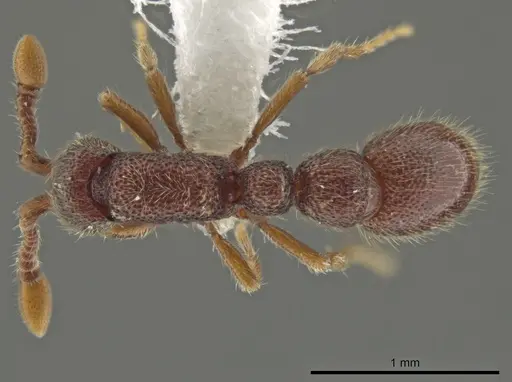
CASENT0644019
View on AntWeb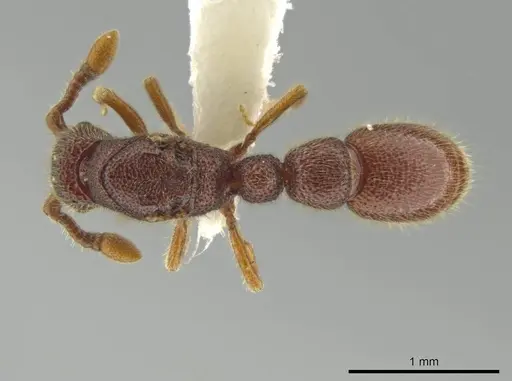
Literature
Loading...Loading products...