

Syscia honduriana
- Scientific Name
- Syscia honduriana
- Subfamily
- Dorylinae
- Author
- Mann, 1922
- Distribution
- Found in 1 countries
Syscia honduriana Overview
Syscia honduriana is an ant species of the genus Syscia. It is primarily documented in 1 countries , including Honduras. Detailed taxonomic data and occurrence records can be further explored via authoritative databases such as AntWeb or the Global Biodiversity Information Facility (GBIF).
Syscia honduriana
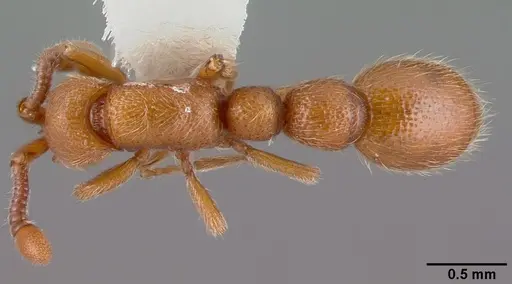
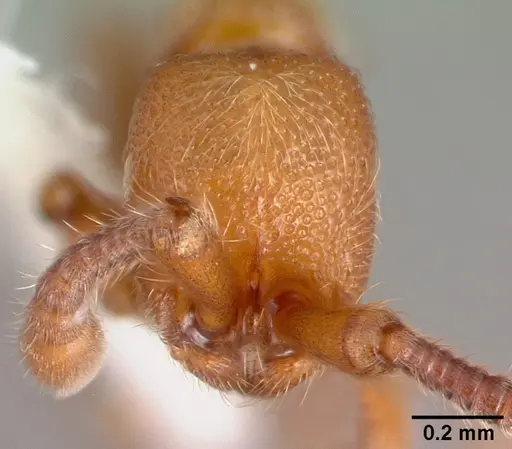
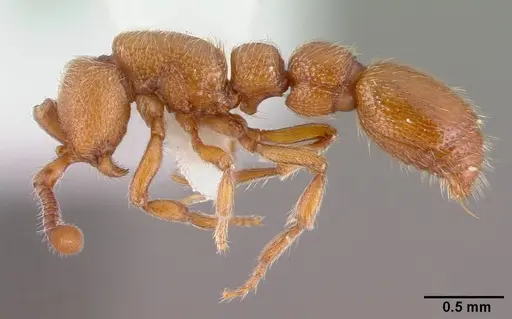
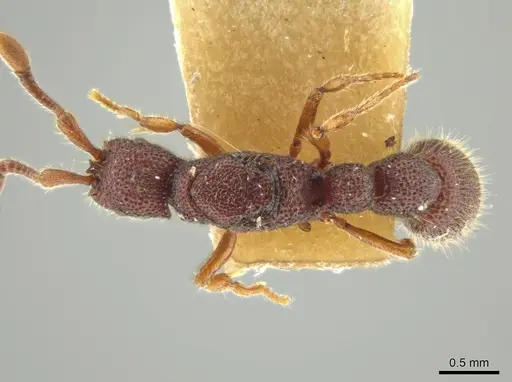
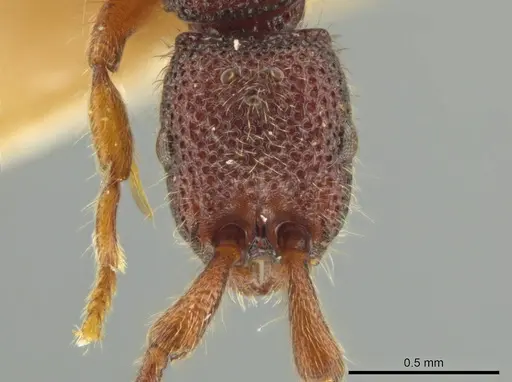
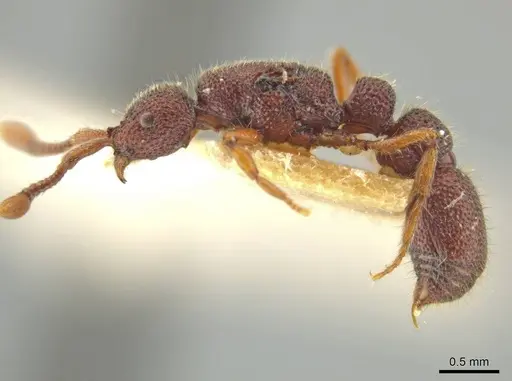
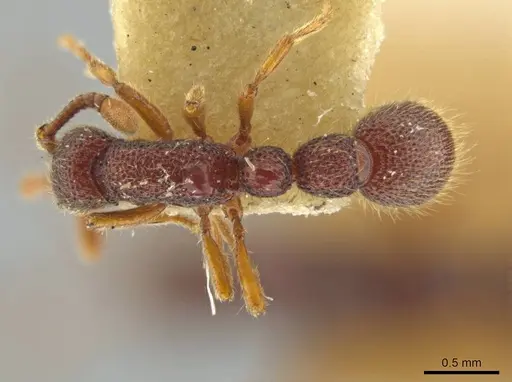
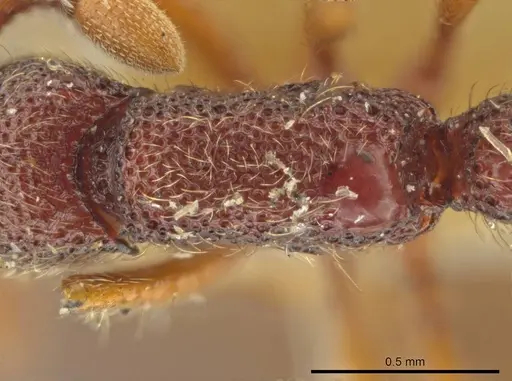
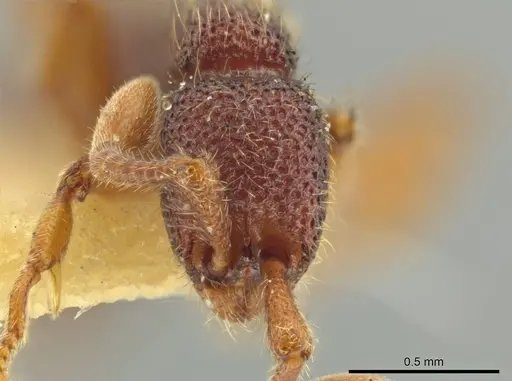
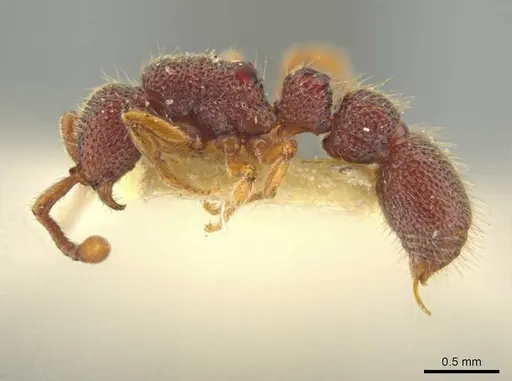
Syscia honduriana is a tiny predatory ant native to the Neotropical region, found only in Belize and Honduras [1]. Workers are small at around 0.57mm head width and 0.88mm total length, with a distinctive red-brown coloration [1]. The species was originally described in 1922 from a small colony found beneath a stone in lowland rainforest, indicating it prefers cryptic, ground-dwelling habits [1]. Queens are slightly larger at 0.64mm head width and possess large compound eyes and ocelli, though they are wingless, a trait common in some Dorylinae species [1]. This ant belongs to the Dorylinae subfamily (army ants), which are known for their predatory behavior and semi-claustral colony founding. The genus Syscia contains numerous cryptic, subterranean species that are rarely encountered due to their hidden lifestyle.
Quick Summary
- Difficulty: Hard
- Origin & Habitat: Lowland rainforest of Belize and Honduras in Central America [1]. Found beneath stones and in leaf litter soil samples in tropical lowland environments.
- Colony Type: Colony structure is unconfirmed. The single known collection was from a small colony beneath a stone, suggesting monogyne colonies [1]. No data on multi-queen arrangements exists for this species.
- Size & Growth:
- Queen: 0.64mm head width,1.27mm mesosomal length [1], estimated
- Worker: 0.55-0.58mm head width,0.84-0.93mm mesosomal length [1]
- Colony: Unknown, only small colonies have been documented [1]
- Growth: Unknown, estimated based on related Dorylinae as moderate
- Development: Unknown, likely 6-10 weeks based on similar small Dorylinae species (No direct development data exists for this species. Estimates based on genus-level patterns for small cryptic Dorylinae.)
- Antkeeping:
- Temperature: Keep at 24-28°C, these are lowland tropical ants requiring warm, stable temperatures [1]
- Humidity: High humidity (70-85%) with moist substrate, they inhabit rainforest leaf litter and soil [1]
- Diapause: Unlikely, being a tropical species from Honduras, they probably do not require a diapause period
- Nesting: Prefers moist, dark environments. A naturalistic setup with damp soil or a plaster/acrylic nest with small chambers works well. They are cryptic and will nest in concealed spaces.
- Behavior: This is a predatory ant species that likely hunts small invertebrates. As a Dorylinae, they are probably aggressive foragers with good escape abilities despite their small size. They are secretive and will spend most time hidden in their nest or foraging in covered areas. Escape prevention is important due to their tiny size.
- Common Issues: tiny size makes escape likely without fine mesh barriers, limited distribution data means care requirements are largely inferred from genus patterns, predatory diet may be difficult to satisfy with appropriate live prey, humidity requirements are high, dry conditions will kill colonies, small colony sizes in the wild suggest they are slow to establish in captivity
Natural History and Distribution
Syscia honduriana is known only from Belize and Honduras, making it one of the more restricted ant species in the Dorylinae subfamily [1]. The original type series was collected from beneath a stone at Lombardia, Honduras in 1920,and additional specimens were found near La Ceiba in Honduras from a miniWinkler leaf litter sample in lowland rainforest [1]. This species appears to be a lowland specialist, found in tropical rainforest environments at low elevations. The queen is wingless (apterous) with fully developed eyes and ocelli, suggesting this species may have ergatoid-like reproductive morphology rather than typical alate queens that disperse via nuptial flights [1]. The colony sizes observed have been small, with the type series representing a small colony and only a few workers collected overall.
Housing and Nesting
These tiny ants require a moist, dark nesting environment. A naturalistic setup with a layer of damp soil (2-3cm deep) covered with leaf litter or a flat stone works well for observing natural behavior. Alternatively, a small acrylic or plaster nest with chambers scaled to their tiny size (around 5-10mm wide) provides better visibility. The nest chamber should be kept dark or dimly lit as they prefer cryptic conditions. Because they are so small, ensure all connections and barriers have no gaps larger than 0.5mm. A water reservoir in the nest setup helps maintain humidity without needing frequent misting. Keep the nesting area humid but ensure there is no standing water that could drown the colony. [1]
Feeding and Diet
As predatory Dorylinae ants, Syscia honduriana almost certainly requires live small prey. In the wild, they likely hunt micro-arthropods including springtails, mites, and tiny insects found in leaf litter. In captivity, offer small live prey such as springtails, fruit flies, tiny crickets, and other small insects. Feed prey items roughly twice weekly, adjusting based on colony consumption. Remove uneaten prey after 24-48 hours to prevent mold. Sugar sources are unlikely to be accepted, these are obligate predators, not sugar-feeding ants. Some keepers have had success with diluted honey or sugar water with very small Dorylinae, but this should be offered only as an occasional supplement, not a primary food source. [1]
Temperature and Seasonal Care
Maintain temperatures in the warm range of 24-28°C year-round. These are lowland tropical ants from Honduras, so they do not tolerate cool conditions. A small heating cable on one side of the nest can create a temperature gradient, allowing the colony to self-regulate. Avoid temperatures above 32°C or sudden temperature drops. Since they come from a tropical climate without pronounced winters, they likely do not require a diapause period. Keep the colony at stable warm temperatures throughout the year. Room temperature in most homes may be too cool, use a thermostatic heater or heating mat to maintain appropriate warmth. Monitor with a digital thermometer placed near the nest. [1]
Behavior and Colony Dynamics
Syscia species are cryptic, subterranean ants that spend most of their time hidden in soil and leaf litter. Workers are small and likely forage in covered areas rather than in open spaces. As Dorylinae, they probably exhibit coordinated hunting behavior where workers recruit nestmates to large prey items. The colony will likely remain hidden in the nest for extended periods, with foragers moving through soil tunnels. Queens are unusual in being wingless with well-developed eyes, suggesting they may found colonies in pre-existing cavities rather than flying to establish new nests. This is consistent with semi-claustral founding behavior where the queen must leave the nest to hunt. Colonies will likely remain small (under 100 workers) based on field collection data. [1]
Frequently Asked Questions
How long does it take for Syscia honduriana to produce first workers?
The exact timeline is unknown, but based on similar small Dorylinae species, expect 6-10 weeks from egg to worker at optimal warm temperatures (26-28°C). This is an estimate since no direct development data exists for this species.
Can I keep Syscia honduriana in a test tube setup?
A test tube can work for a founding queen or very small colony, but these ants prefer more space and substrate than a simple test tube provides. A naturalistic setup with damp soil or a small acrylic nest with multiple chambers is better for long-term success.
What do Syscia honduriana eat?
They are obligate predators requiring live small prey. Offer springtails, fruit flies, tiny crickets, and other small live insects. Remove uneaten prey after 24-48 hours. Sugar sources are unlikely to be accepted.
Are Syscia honduriana good for beginners?
No, this is an expert-level species due to their tiny size, high humidity requirements, predatory diet needs, and the fact that care is largely inferred from genus patterns rather than direct study. They are not recommended for beginners.
How big do Syscia honduriana colonies get?
Colony size is unknown but appears to be small in the wild, likely under 100 workers based on collection data. They may not reach the large colony sizes typical of some other ant species.
Do Syscia honduriana need hibernation?
No, being a tropical lowland species from Honduras, they do not require hibernation or diapause. Keep them warm (24-28°C) year-round.
Why are my Syscia honduriana dying?
Common causes include: too dry conditions (they need high humidity), temperatures below 24°C, lack of appropriate live prey, escape through tiny gaps due to their minute size, or mold from overwatering. Ensure proper humidity, warmth, and offer live prey regularly.
Can I keep multiple queens together?
This has not been documented. Based on the single colony collection and the queen's wingless morphology, single-queen colonies are likely. Combining unrelated queens is not recommended without evidence they can coexist.
When should I move Syscia honduriana to a formicarium?
Wait until the colony has at least 20-30 workers and is actively foraging. Moving a colony too early can cause stress. A small acrylic nest or naturalistic setup works well once the colony reaches moderate size.
References

This caresheet is licensed under CC BY-SA 4.0 .
Literature
Loading...Loading products...