

Syscia grandis
- Scientific Name
- Syscia grandis
- Subfamily
- Dorylinae
- Author
- Longino & Branstetter, 2021
- Distribution
- Found in 1 countries
Syscia grandis Overview
Syscia grandis is an ant species of the genus Syscia. It is primarily documented in 1 countries , including Guatemala. Detailed taxonomic data and occurrence records can be further explored via authoritative databases such as AntWeb or the Global Biodiversity Information Facility (GBIF).
Syscia grandis
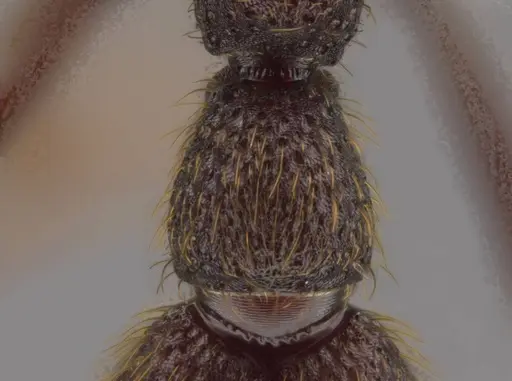
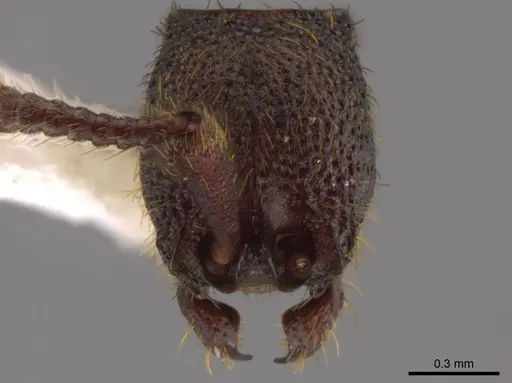
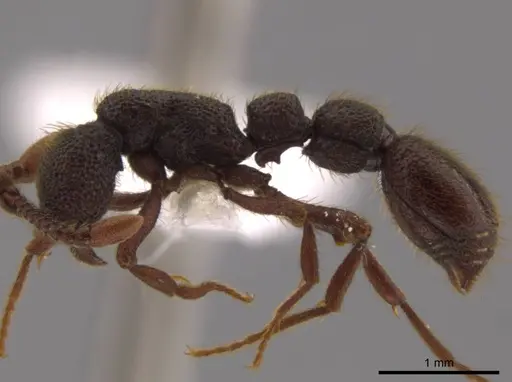
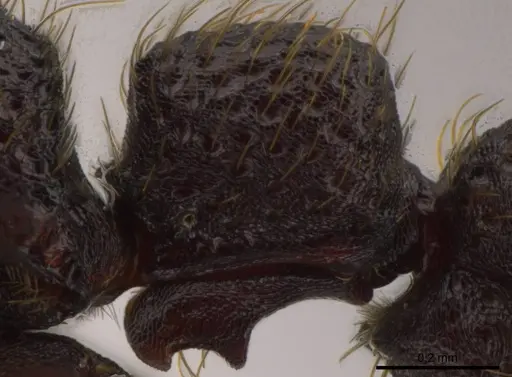
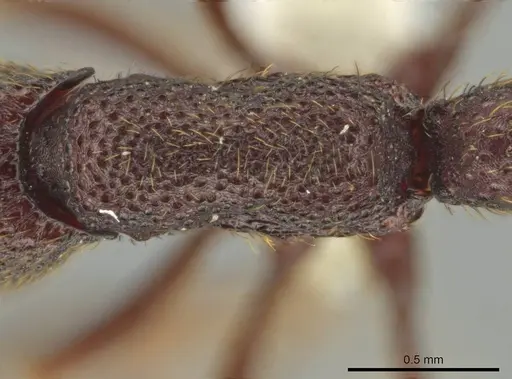
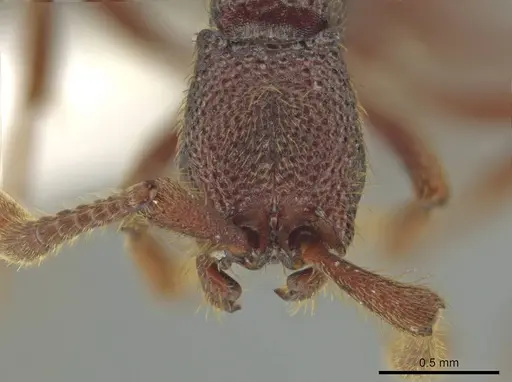
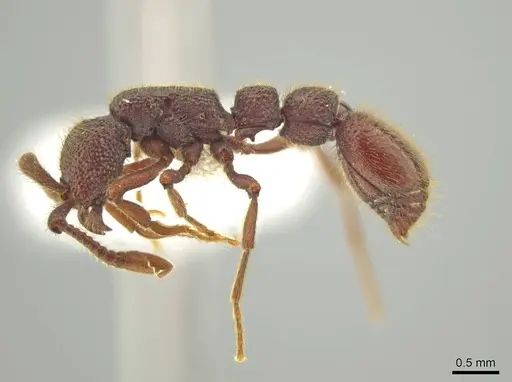
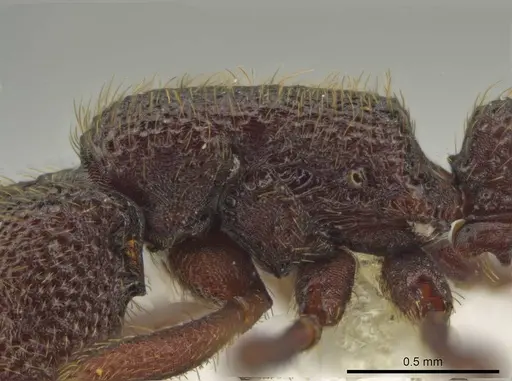
Syscia grandis is a tiny Dorylinae (army ant) species discovered in 2021 from the cloud forests of Guatemala. Workers measure just 0.78mm in head width, making them among the smaller ant species you'll encounter [1]. They are dark brown with distinctive long, coarse hairs standing upright on their body. The species is only known from montane wet forests at elevations between 1070-1625 meters, specifically in the Suchitepéquez region near Volcán Atitlán [1]. All specimens have been collected from sifted leaf litter and rotten wood samples, indicating they are leaf litter specialists that live in decaying organic material on the forest floor [1]. This is a rarely kept species in the antkeeping hobby, and much of their biology remains unconfirmed.
Quick Summary
- Difficulty: Expert
- Origin & Habitat: Guatemala, montane cloud forest at 1070-1625m elevation in the Suchitepéquez region near Volcán Atitlán [1]
- Colony Type: Unknown colony structure, only workers have been collected, no queens or reproductive castes have been documented [1]
- Size & Growth:
- Queen: Unconfirmed, queens have not been described in scientific literature [1]
- Worker: 0.78mm head width,0.93mm head length,1.25mm mesosoma length [1]
- Colony: Unknown, no colony collections have been documented [1]
- Growth: Unknown, no development data exists for this species
- Development: Unconfirmed, no direct observations of colony development exist (No brood has been documented in scientific collections. Estimates based on related Dorylinae suggest 4-8 weeks at optimal temperature, but this is speculative.)
- Antkeeping:
- Temperature: Keep around 20-24°C, aim for stable, moderate temperatures typical of montane cloud forests. A gentle gradient allows ants to self-regulate
- Humidity: High humidity required, these ants come from wet cloud forest habitats. Keep substrate consistently moist but not waterlogged. Provide a water tube and ensure the nest environment stays damp
- Diapause: Unknown, no research on seasonal behavior exists. Given the montane origin, a mild cool period during winter months may be beneficial, but this is speculative
- Nesting: Natural nesting occurs in leaf litter and rotting wood on the forest floor. In captivity, a naturalistic setup with moist substrate (like a terrarium-style formicarium) or a well-humidified Y-tong/plaster nest works best. They need tight chambers and passages scaled to their tiny size
- Behavior: Behavior is poorly documented. As Dorylinae, they are likely predatory on other small invertebrates. Their tiny size means escape prevention must be excellent, they can squeeze through the smallest gaps. Expect them to be secretive and spend most of their time hidden in substrate. Activity level is unknown but likely low to moderate, typical of leaf litter specialists
- Common Issues: escape prevention is critical due to their tiny size, use fine mesh and tight-fitting barriers, no established feeding guidelines exist, start with small live prey like springtails or fruit flies, high humidity requirements can lead to mold problems if ventilation is poor, lack of documented biology means you're essentially pioneering captive care for this species, wild-caught colonies may be difficult to obtain as the species has only been collected via specialized sampling methods
Discovery and Taxonomy
Syscia grandis was only recently described in 2021 by Longino and Branstetter, making it one of the newest ant species available to hobbyists. The holotype worker was collected from cloud forest leaf litter in Guatemala's Suchitepéquez department, near Volcán Atitlán, at an elevation of 1625 meters [1]. The species name 'grandis' is somewhat misleading, these are actually tiny ants, with workers measuring just 0.78mm in head width. They belong to the subfamily Dorylinae, which includes army ants and other specialized predators. What makes this species particularly interesting is that it is only known from Guatemala, it appears to be endemic to that specific region [1]. Only worker castes have been collected, queens and males remain unknown to science.
Natural Habitat and Collection
In the wild, Syscia grandis lives in montane wet cloud forest at elevations between 1070-1625 meters. All scientific specimens have been obtained through Winkler extraction of sifted leaf litter and rotten wood from the forest floor [1]. This collection method tells us they are leaf litter specialists, cryptic ants that live hidden in decaying organic material rather than building visible nests. The cloud forest environment provides consistently high humidity and moderate temperatures year-round. These conditions are essential to replicate in captivity. The fact that they haven't been found in more open habitats suggests they are sensitive to drying and prefer sheltered, humid microenvironments [1].
Housing and Nest Setup
Given their leaf litter nature, Syscia grandis does best in naturalistic terrarium-style setups where they can burrow through moist substrate. A mix of soil, coco fiber, and decaying leaf litter works well as a substrate layer. Alternatively, a well-humidified Y-tong or plaster nest with tight chambers scaled to their tiny size can work. The key is maintaining high humidity without stagnation, use adequate ventilation to prevent mold while keeping the substrate damp. Because they are so small, escape prevention is critical. Standard test tube setups may work for founding colonies, but ensure any connections to outworlds use fine mesh barriers. The nest should have a water reservoir to maintain humidity over time.
Feeding and Diet
As Dorylinae, Syscia grandis is likely predatory on small invertebrates, similar to other army ants. However, no direct feeding observations exist for this species. Start with small live prey items like springtails, fruit flies, and other micro-arthropods. Given their tiny worker size (under 1mm), prey should be appropriately scaled, very small insects or arthropods. Sugar sources may be accepted but are not guaranteed. Monitor feeding response and adjust accordingly. Because so little is known about their diet, be prepared to experiment with different small prey items and observe what they accept.
Temperature and Seasonal Care
Syscia grandis comes from a montane cloud forest with relatively stable, moderate temperatures. Aim for temperatures in the 20-24°C range, avoid extremes in either direction. A slight temperature gradient allows the ants to self-regulate. Regarding diapause or winter rest, no research exists. The montane origin suggests they may benefit from a mild cool period during simulated winter, but this is speculative. Start with stable room-temperature conditions and observe colony behavior before implementing any seasonal changes. Any cooling should be gradual and modest, these are not cold-hardy ants.
Challenges and Considerations
This is an expert-level species primarily because so little biological information exists. You will be essentially pioneering captive care for a species that has only been described scientifically in 2021. Expect a learning curve and be prepared to document your observations. Obtaining colonies may also be difficult since they haven't been widely collected or available in the ant trade. If you do acquire wild-caught specimens, watch for parasites, leaf litter ants often carry mites or other ectoparasites. The tiny size means standard escape prevention often fails, invest in fine mesh barriers and check connections regularly. Patience is essential given the lack of established care protocols.
Frequently Asked Questions
How long does it take for Syscia grandis to develop from egg to worker?
This is unconfirmed, no brood has been documented in scientific collections. Based on related Dorylinae species, estimates suggest 4-8 weeks at optimal temperature, but this is purely speculative for this specific species.
What do Syscia grandis ants eat?
No direct feeding observations exist. As Dorylinae, they are likely predatory. Start with small live prey like springtails, fruit flies, or tiny fruit fly larvae. Adjust based on what they accept.
Can I keep Syscia grandis in a test tube setup?
Test tubes can work for small colonies, but escape prevention is critical due to their tiny size. Use fine mesh on any ventilation holes and ensure all connections are secure. A naturalistic setup with moist substrate may be more successful long-term.
Do Syscia grandis ants sting?
Dorylinae ants have functional stingers, though the actual sting potency and behavior of this specific species is unconfirmed. Given their tiny size, any sting would be minimal.
Are Syscia grandis good for beginners?
No, this is an expert-level species. They were only described in 2021,and almost no captive care information exists. You will be pioneering their husbandry. Only experienced antkeepers should attempt this species.
What temperature do Syscia grandis need?
Keep them around 20-24°C. This matches the moderate temperatures of their montane cloud forest habitat in Guatemala. Avoid temperature extremes.
Do Syscia grandis need hibernation?
Unknown, no research on seasonal behavior exists. The montane origin suggests a mild cool period may be beneficial, but this is speculative. Start with stable conditions and adjust based on colony behavior.
How big do Syscia grandis colonies get?
Unknown, no colony size data exists. Only individual workers have been collected. Related Dorylinae often have moderate-sized colonies, but specific numbers for this species are unconfirmed.
Why are my Syscia grandis dying?
Without established care guidelines, mortality causes are speculative. Common issues likely include: inadequate humidity, escape through tiny gaps, inappropriate prey size, or stress from unstable conditions. Document your setup and observations carefully.
Where is Syscia grandis native to?
Guatemala only, specifically the montane cloud forests of the Suchitepéquez region near Volcán Atitlán at elevations of 1070-1625 meters [1].
References

This caresheet is licensed under CC BY-SA 4.0 .
CASENT0612907
View on AntWeb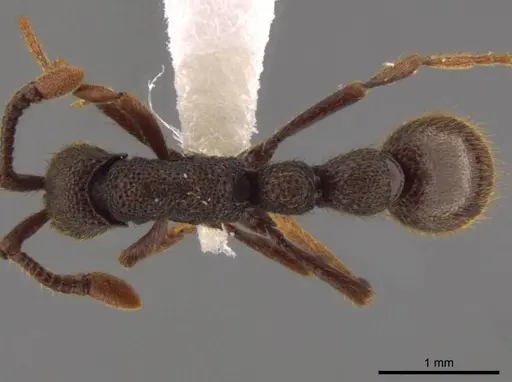
CASENT0644380
View on AntWeb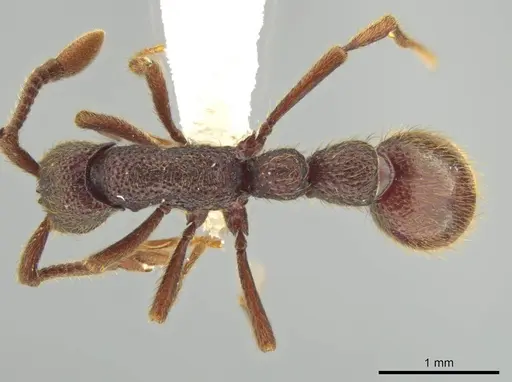
Literature
Loading...Loading products...