

Syscia chiapaneca
- Scientific Name
- Syscia chiapaneca
- Subfamily
- Dorylinae
- Author
- Longino & Branstetter, 2021
- Distribution
- Found in 1 countries
Syscia chiapaneca Overview
Syscia chiapaneca is an ant species of the genus Syscia. It is primarily documented in 1 countries , including Mexico. Detailed taxonomic data and occurrence records can be further explored via authoritative databases such as AntWeb or the Global Biodiversity Information Facility (GBIF).
Syscia chiapaneca
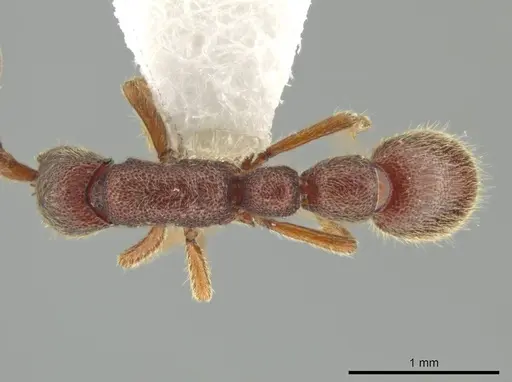
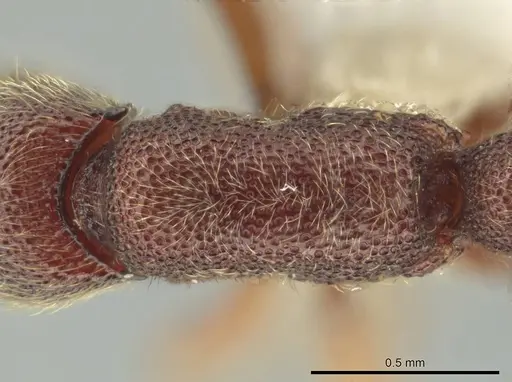
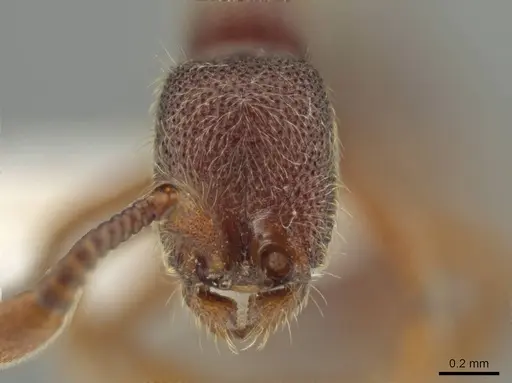
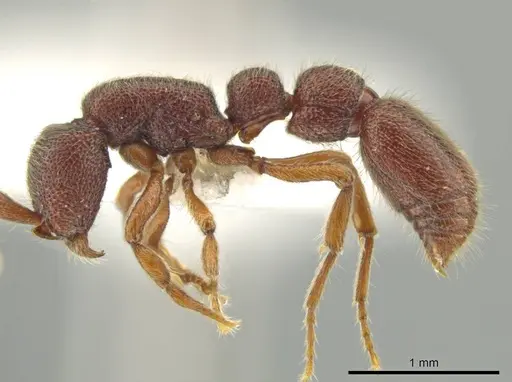
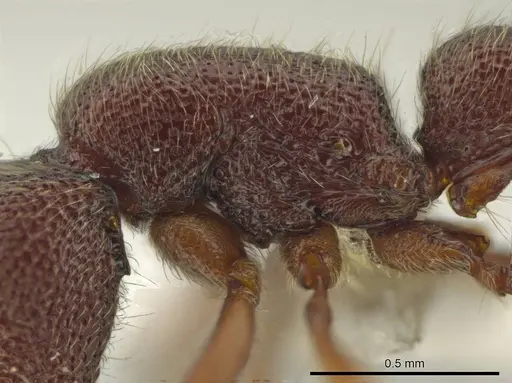
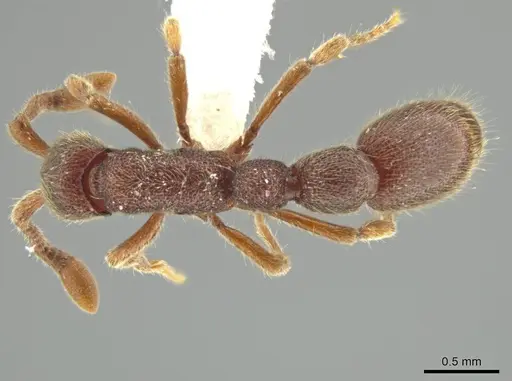
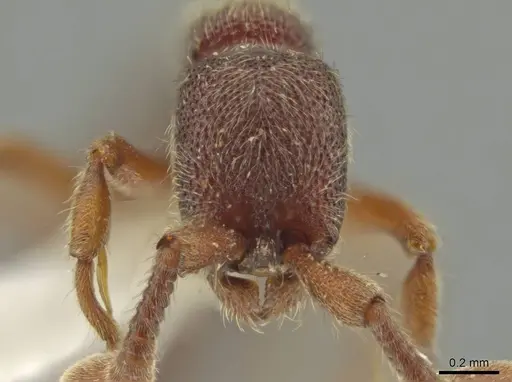
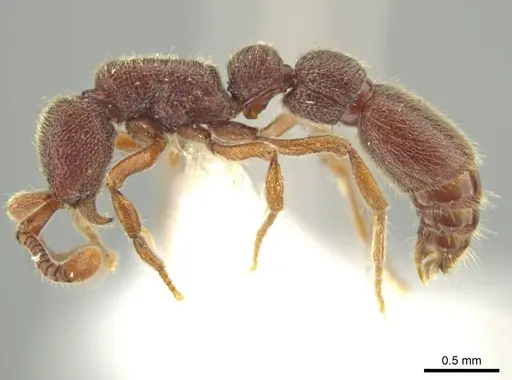
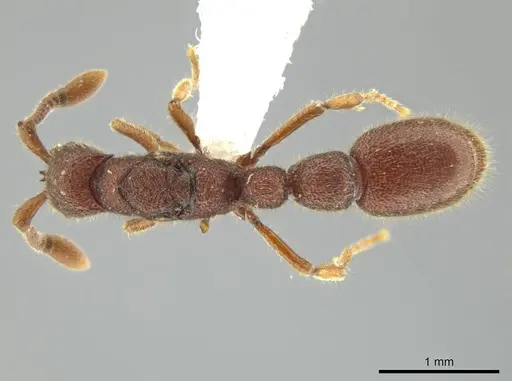
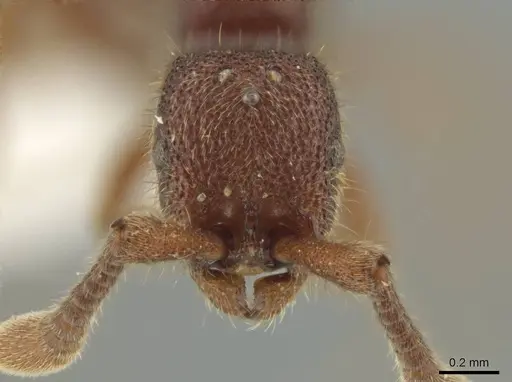
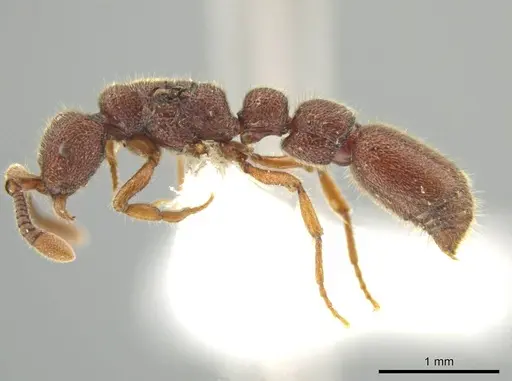
Syscia chiapaneca is a newly described army ant species from the Dorylinae subfamily, found only in the cloud forests of Chiapas, Mexico [1]. Workers are tiny at just 0.59mm head width, making them one of the smaller ant species kept in captivity. They have a reddish-brown coloration with distinctive sculptural features on their abdomen, the punctures (tiny pits) on the third abdominal segment are nearly confluent while those on the fourth segment are smaller and more spaced out [1]. The species was formally described in 2021,making it one of the newer additions to the antkeeping hobby. These ants inhabit montane cloud forests at elevations between 1450-1650 meters, where they live in leaf litter and rotting wood on the forest floor [1]. The queen is brachypterous, meaning she has short, non-functional wings, a rare trait that makes her appear more worker-like [1].
Quick Summary
- Difficulty: Expert
- Origin & Habitat: Endemic to the cloud forests of Chiapas, Mexico, specifically found around 19km ENE of Tonalá at elevations of 1450-1650m [1]. They inhabit mixed cloud forest and montane wet forest habitats, living in forest floor leaf litter and rotting wood [1].
- Colony Type: Single-queen colonies are confirmed. Only one queen has been documented in the type series, and she is brachypterous (short-winged) rather than fully winged [1]. Colony structure in captivity is unconfirmed.
- Colony: Monogyne
- Size & Growth:
- Queen: 0.63mm head width [1], estimated
- Worker: 0.59mm head width (range 0.57-0.63mm) [1]
- Colony: Unknown in captivity, estimated to be small to moderate based on typical Dorylinae patterns for this elevation
- Growth: Unknown, estimated based on related species
- Development: Unknown, estimated 6-10 weeks based on typical Dorylinae development at optimal temperature (Development timeline is unconfirmed for this species. Estimates based on genus-level patterns for small tropical Dorylinae.)
- Antkeeping:
- Temperature: Keep around 20-22°C based on their cloud forest origin at 1450-1650m elevation. This is a cool, stable mountain environment. Avoid temperatures above 25°C. A gentle gradient allowing cooler areas is recommended.
- Humidity: High humidity is essential, think damp cloud forest floor. Keep the nest substrate consistently moist but not waterlogged. Provide a humid outworld as well. These ants live in leaf litter and rotting wood in nature, which maintains constant moisture.
- Diapause: Likely minimal or no true diapause given their tropical cloud forest origin. However, seasonal slowdowns may occur during the cooler dry season. Monitor colony activity and reduce feeding slightly during winter months if workers become less active.
- Nesting: Naturalistic setup works best, a shallow layer of damp soil/leaf litter mixture or a plaster nest with high humidity. Their tiny size and forest floor lifestyle means they do well in tight, humid setups that retain moisture. Avoid drying out.
- Behavior: Behavior is unconfirmed but likely similar to other Dorylinae, they are probably predatory on other small invertebrates. Their tiny size means excellent escape prevention is absolutely critical, they can squeeze through standard mesh. Expect secretive, litter-dwelling behavior rather than visible foraging. Handle with extreme care due to their minute size.
- Common Issues: escape prevention is critical due to their extremely tiny size, standard mesh will not contain them, high humidity requirements can lead to mold issues if ventilation is poor, no captive breeding data exists, this is an advanced species for experienced keepers, stress from handling can easily kill these tiny ants, temperature sensitivity means overheating can quickly prove fatal
Housing and Setup
Syscia chiapaneca requires a setup that replicates their natural cloud forest floor habitat. A naturalistic terrarium-style setup with a shallow layer of damp soil mixed with leaf litter works well. The substrate should be kept consistently moist but never waterlogged. Given their extremely tiny size, escape prevention is your biggest concern, use fine mesh (at least 0.5mm or tighter) on all openings. A small formicarium with tight chambers and excellent humidity retention can also work, but ensure the chambers are appropriately scaled to their minute size. These ants do not do well in setups that dry out quickly, so consider using a water reservoir or regular misting to maintain humidity. Provide darkness and minimal disturbance, these are secretive ants that prefer to stay hidden in the litter layer [1].
Feeding and Diet
As a Dorylinae species, Syscia chiapaneca is likely predatory on small invertebrates. In captivity, offer small live prey such as springtails, fruit fly larvae, and other micro-arthropods. The tiny worker size means prey should be appropriately scaled, anything larger than their own body size may not be taken. Sugar sources may be accepted but are not a primary food. Offer protein foods regularly and remove any uneaten prey within 24 hours to prevent mold. Given the lack of captive feeding data, be prepared to experiment with different small prey items. Observe colony response to different foods and adjust accordingly. Do not overfeed, these small colonies can easily be overwhelmed by excess food.
Temperature and Humidity
Maintain temperatures around 20-22°C based on their cloud forest origin at 1450-1650m elevation in Chiapas, Mexico [1]. This is a cool, stable mountain environment, avoid temperatures above 25°C as this species is not heat-tolerant. A slight temperature gradient allowing cooler areas is beneficial. High humidity is critical, aim for 70-85% relative humidity in the nest area. The substrate should feel damp to the touch at all times. These ants naturally inhabit damp leaf litter and rotting wood, so the captive setup must replicate these conditions. Use a hygrometer to monitor humidity levels and adjust ventilation to prevent both drying out and stagnant air. Poor ventilation combined with high humidity leads to mold, which can be fatal.
Colony Establishment
Establishing a colony of Syscia chiapaneca is challenging due to the lack of captive breeding data and their recent description in 2021 [1]. If acquiring a queen, she is brachypterous (has short, non-functional wings) rather than fully winged [1]. The founding chamber should be small, humid, and dark. Expect slow initial growth, claustral founding (where the queen seals herself in and lives off stored fat) is likely but unconfirmed. Do not disturb the founding chamber for the first several weeks. Once workers emerge, they will be extremely tiny (around 0.59mm head width) and require the finest escape prevention measures. Patience is essential, this species is not for beginners and growth rates are unknown. Only experienced antkeepers should attempt this species.
Behavior and Temperament
Specific behavioral observations are lacking for this species, but Dorylinae ants are typically predatory and form smaller colonies than their more famous relatives. These ants are litter-dwelling and secretive, preferring to stay within the substrate rather than foraging visibly in the open. Their tiny size makes them vulnerable to stress and their colonies will likely remain small. Handle with extreme care, their minute size means they can easily be crushed or lost. They are not aggressive toward humans and likely pose no stinging risk given their size. The primary concern is keeping them contained and maintaining proper humidity. Expect to see most activity within the nest and substrate rather than in an outworld.
Frequently Asked Questions
How long does it take for Syscia chiapaneca to have first workers?
The exact timeline is unknown. Based on typical Dorylinae development patterns for small species at their optimal temperature, expect approximately 6-10 weeks from egg to first worker. However, this is an estimate only, no captive breeding data exists for this recently described species [1].
What do Syscia chiapaneca ants eat?
As a Dorylinae species, they are likely predatory on small invertebrates. Offer appropriately-sized live prey such as springtails, fruit fly larvae, and other micro-arthropods. The tiny worker size means prey should be very small. Sugar sources may be accepted experimentally but should not be the primary food. Remove uneaten prey promptly to prevent mold.
Can beginners keep Syscia chiapaneca?
No. This species is rated Expert difficulty due to several factors: extremely tiny size requiring excellent escape prevention, high humidity requirements, no captive breeding data available, and being a recently described species (2021) with limited natural history information. Only experienced antkeepers should attempt this species.
Do Syscia chiapaneca ants need hibernation?
Likely no true hibernation is required. As a cloud forest species from tropical Mexico, they experience mild seasonal variation rather than cold winters. However, you may observe reduced activity during winter months, simply reduce feeding slightly and maintain stable temperatures. Do not cool them dramatically.
How big do Syscia chiapaneca colonies get?
Colony size in captivity is unknown. Based on their elevation (1450-1650m) and habitat, colonies are likely small to moderate in size. The single known queen is brachypterous (short-winged), suggesting established colonies remain relatively compact [1].
Can I keep multiple Syscia chiapaneca queens together?
Not recommended. Only a single queen has been documented in this species, and she is brachypterous (short-winged) rather than fully winged [1]. Combining unrelated queens has not been studied and would likely result in aggression. Stick to single-queen colonies.
Why are my Syscia chiapaneca ants dying?
Common causes include: escape due to inadequate mesh (they are extremely tiny), humidity too low or too high (leading to desiccation or mold), temperature stress (above 25°C), overhandling, and stress from disturbance. This species requires stable, humid, dark conditions with minimal intervention. Review your setup against their cloud forest requirements.
When should I move Syscia chiapaneca to a formicarium?
This species is best kept in a naturalistic setup that replicates their leaf litter habitat rather than a traditional formicarium. If you must use a formicarium, wait until the colony reaches at least 50 workers and ensure the chambers are appropriately scaled to their tiny size. A small, humid plaster or acrylic nest with tight chambers can work. However, a soil-based naturalistic setup is preferable for this species.
References

This caresheet is licensed under CC BY-SA 4.0 .
Literature
Loading...Loading products...