

Syscia austrella
- Scientific Name
- Syscia austrella
- Subfamily
- Dorylinae
- Author
- Longino & Branstetter, 2021
- Distribution
- Found in 2 countries
Syscia austrella Overview
Syscia austrella is an ant species of the genus Syscia. It is primarily documented in 2 countries , including Ecuador, Panama. Detailed taxonomic data and occurrence records can be further explored via authoritative databases such as AntWeb or the Global Biodiversity Information Facility (GBIF).
Syscia austrella
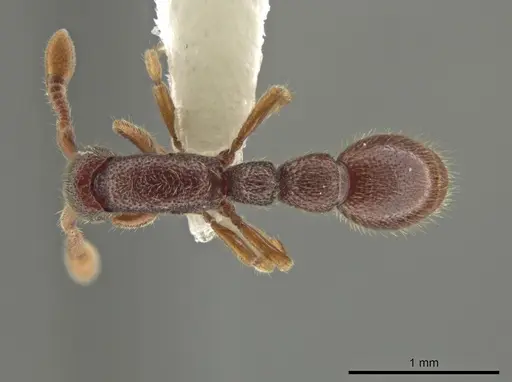
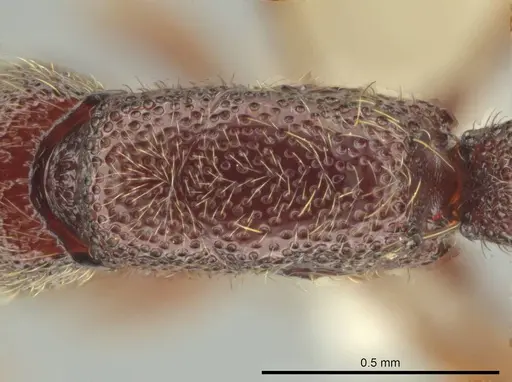
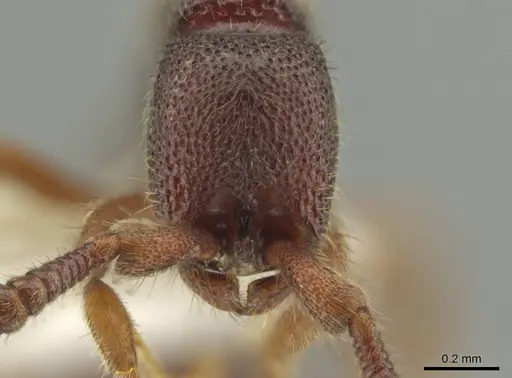
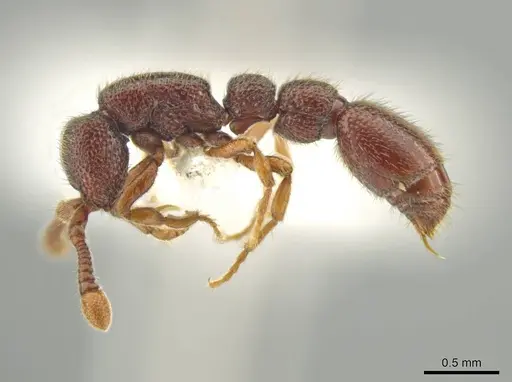
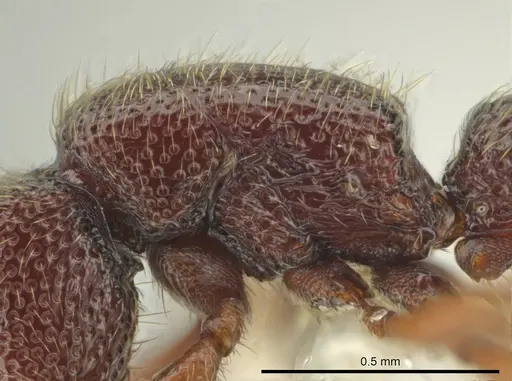
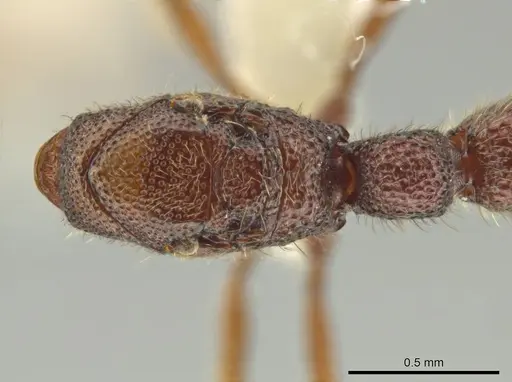
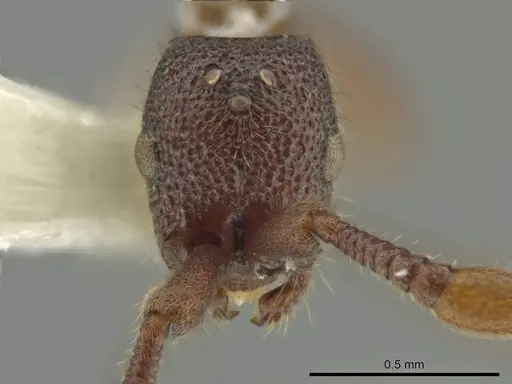
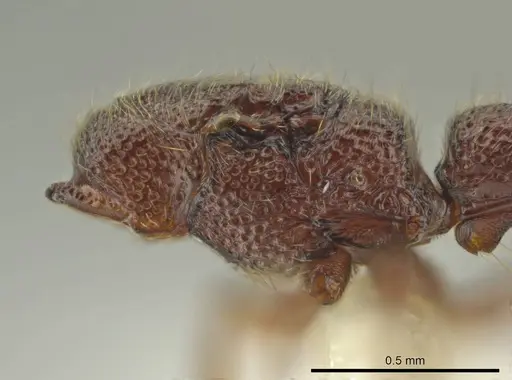
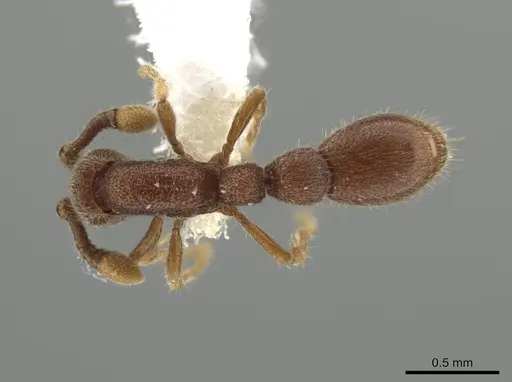
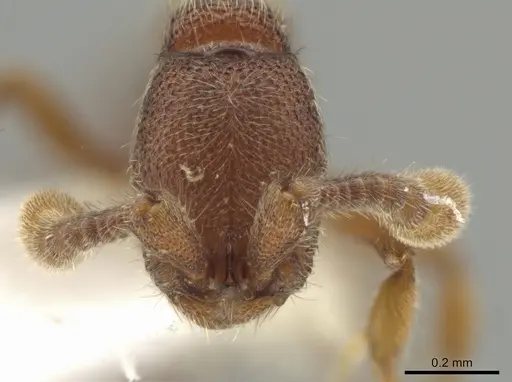
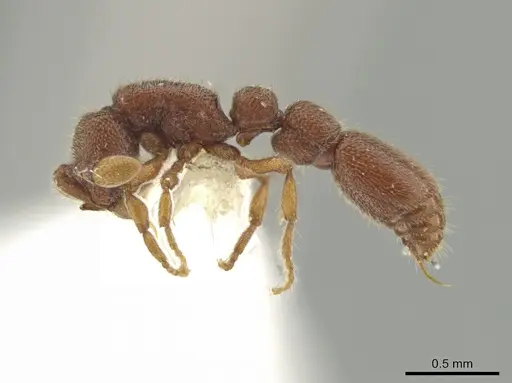
Syscia austrella is a tiny Dorylinae ant species from the cloud forests of Panama and Ecuador. Workers are among the smallest ants you'll encounter, measuring just 0.45-0.50mm in head width with a overall length around 2mm [1]. They have a distinctive red-brown coloration with long, coarse standing hairs on their bodies. The subpetiolar process (a small structure on the waist) shows a moderately deep rounded lobe with a tiny tooth at the tip. These ants live in montane wet forests at elevations between 500-1,350 meters, where they forage in leaf litter and rotting wood on the forest floor [1].
What makes this species interesting is how recently it was described, it was only formally named in 2021 by Longino and Branstetter using genetic sequencing techniques. This means there's very little known about their captive care, and they represent an exciting challenge for experienced antkeepers who want to work with an almost completely unstudied species.
Quick Summary
- Difficulty: Expert
- Origin & Habitat: Panama and Ecuador, cloud forests and montane wet forests at 500-1,350m elevation [1]
- Colony Type: Unknown colony structure. Workers and dealate (wingless) queens have been collected from leaf litter samples, suggesting established colonies exist in the wild.
- Size & Growth:
- Queen: 0.49mm head width,1.02mm mesosoma length [1], estimated
- Worker: 0.45-0.50mm head width,0.73-0.84mm mesosoma length [1]
- Colony: Unknown, likely small colonies based on tiny worker size and litter-dwelling habits
- Growth: Unknown, estimated based on similar tiny Dorylinae
- Development: Unknown, likely 4-8 weeks based on related Dorylinae patterns at tropical temperatures (No direct development data exists for this species. Estimates based on genus-level patterns for tiny tropical ants.)
- Antkeeping:
- Temperature: Keep around 22-26°C, they come from montane cloud forests which are cooler than lowland tropics but still warm year-round. A gentle gradient is recommended.
- Humidity: High humidity required, think damp forest floor. Keep the nest substrate consistently moist but not waterlogged. Provide a water tube and mist occasionally.
- Diapause: Unlikely, being a tropical montane species, they probably don't require a true hibernation. However, they may slow down slightly during cooler periods.
- Nesting: Naturalistic setup works best, they naturally nest in leaf litter and rotting wood. A setup with soil, leaf litter, and small pieces of rotting wood mimics their natural habitat. Very small size means escape prevention must be excellent.
- Behavior: These are tiny, cryptic ants that live in leaf litter. They are likely predatory like other Dorylinae, hunting small micro-arthropods. Workers are slow-moving and not aggressive. Their tiny size makes them excellent escape artists, they can squeeze through gaps too small to see. Expect secretive behavior with workers rarely emerging openly.
- Common Issues: tiny size makes escape likely without fine mesh barriers, no captive care information exists, all advice is speculative, humidity control is critical, too dry kills them, too wet causes mold, slow growth tests patience, beginners may give up too soon, wild-caught colonies may have parasites that are fatal in captivity
Housing and Nest Setup
Syscia austrella is one of the smallest ant species kept in captivity, which creates unique housing challenges. A naturalistic setup works best since these ants naturally live in leaf litter and rotting wood on the forest floor. Use a shallow container with a substrate of moist soil mixed with small pieces of decaying wood or leaf litter. The substrate should be 2-3cm deep to allow for tunneling while maintaining humidity.
Because of their tiny size, escape prevention is absolutely critical. Even standard ant keeping setups have gaps these ants can squeeze through. Use containers with tight-fitting lids, and consider adding a fluon barrier around the edges. Fine mesh (0.5mm or smaller) is essential for any ventilation holes. A test tube setup can work if the cotton is packed tightly and the opening is covered with fine mesh, but the tiny workers may still find ways to squeeze through standard cotton fibers.
Keep the setup compact, these are litter-dwelling ants that don't need large spaces. A small plastic container or glass jar of 5-10cm diameter works well. Add small hiding spots like tiny pieces of bark or stone to give them security. [1]
Temperature and Humidity
Being from montane cloud forests in Panama and Ecuador, Syscia austrella prefers conditions that stay consistently warm but not hot, with high humidity. Aim for temperatures in the range of 22-26°C. Avoid temperatures above 30°C as this can stress and kill them. Room temperature within this range works well for most keepers.
Humidity is perhaps the most critical factor. These ants come from environments where the forest floor stays constantly damp. Keep the substrate moist but not waterlogged, when you squeeze a handful of substrate, a few drops of water should come out, but it shouldn't drip freely. Check regularly and mist the surface if it starts drying out. A water tube attached to the setup helps maintain humidity through evaporation.
Avoid placing the colony near air conditioning vents or in rooms with fluctuating temperatures. Sudden drops in temperature can be fatal. If your room is cooler than 22°C, use a very gentle heat source like a heating mat on the lowest setting placed under one side of the container. [1]
Feeding and Diet
As a Dorylinae species, Syscia austrella is likely predatory on small invertebrates, similar to army ants. In captivity, their diet should focus on tiny live prey. Springtails are an ideal food source, these are small arthropods that are about the right size for these tiny ants to tackle. Fruit flies and newly hatched pinhead crickets may also be accepted.
Feed small amounts of prey every 2-3 days, removing any uneaten remains within 24 hours to prevent mold. The exact feeding frequency depends on colony size, start with a small amount and observe how quickly they consume it. Unlike larger ants, these tiny workers likely need to feed frequently but in very small quantities.
Sugar sources are unlikely to be accepted given their predatory nature. Don't bother with honey water or sugar water. Some ant species accept tiny amounts of honey as a supplemental energy source, but given how little we know about this species, focus on protein-rich prey. If the colony accepts something unusual, that's a bonus, but don't count on it. [1]
Colony Founding and Growth
The founding behavior of Syscia austrella has not been documented in scientific literature. Based on typical Dorylinae patterns, the queen likely seals herself in a small chamber and raises her first workers without foraging, this is called claustral founding. The first workers (called nanitics) will be smaller than normal workers, which is typical for newly established colonies.
Colony growth is expected to be slow. With no direct data on development time, estimates based on similar tiny tropical ants suggest 4-8 weeks from egg to first worker at optimal temperatures. The colony will remain small for the first several months. Don't expect rapid expansion, patience is essential with this species.
If you obtain a wild-caught colony from leaf litter samples, watch carefully for signs of stress or parasites. Litter-dwelling ants often carry mites and other parasites that can decimate captive colonies. Quarantine new colonies separately and monitor for several weeks before combining with other setups. [1]
Behavior and Observation
Syscia austrella is a secretive, litter-dwelling species. Workers are slow-moving and spend most of their time foraging through the substrate rather than out in the open. You won't see dramatic foraging raids like some larger Dorylinae species, instead, expect subtle activity as workers search through leaf litter and decaying wood.
These ants are not aggressive and pose no threat to keepers. Their tiny size means they cannot sting effectively even if they have a stinger. They are purely observational pets, fascinating for their cryptic lifestyle but not interactive.
Because they live in leaf litter, they don't produce the dramatic trails or large nest structures that make some ants exciting to watch. Their appeal is in their rarity and the challenge of keeping an almost completely unstudied species. Expect to do a lot of patient observation to even see your ants, they're experts at staying hidden. [1]
Frequently Asked Questions
How long does it take for Syscia austrella to produce first workers?
The exact development time is unknown since this species was only described in 2021 and has never been kept in captivity. Based on similar tiny Dorylinae ants, expect 4-8 weeks from egg to first worker at optimal temperatures around 24°C. Be patient, growth will likely be slow.
What do Syscia austrella ants eat?
Like other Dorylinae, they are likely predatory on small invertebrates. Feed tiny live prey like springtails, fruit flies, or newly hatched pinhead crickets. Offer prey every 2-3 days and remove uneaten remains. Sugar sources are unlikely to be accepted.
Can a beginner keep Syscia austrella?
No, this species is not recommended for beginners. There is no captive care information available, they have extremely specific humidity requirements, their tiny size makes escape likely, and growth is very slow. This is an expert-level species for experienced antkeepers who enjoy experimentation.
What size colony does Syscia austrella reach?
Colony size is unknown but likely small, probably under 100 workers at maturity. This is based on their tiny worker size and litter-dwelling habits, which typically support smaller colonies compared to larger ants that build elaborate nests.
What temperature do Syscia austrella ants need?
Keep them at 22-26°C, which mimics their montane cloud forest habitat. Avoid temperatures above 30°C. Room temperature within this range works well. Use gentle heating only if needed, sudden temperature changes can be fatal.
Do Syscia austrella need hibernation?
Unlikely. Being a tropical montane species from Panama and Ecuador, they probably don't require a true hibernation period. They may slow down slightly during cooler periods, but a full diapause is not necessary or recommended.
Why are my Syscia austrella dying?
The most likely causes are: humidity too low (they need constantly damp substrate), escape through tiny gaps (they can squeeze through almost invisible spaces), temperature stress (too hot or too cold), or parasites from wild-caught colonies. Review all environmental parameters carefully and ensure escape prevention is airtight.
Can I keep multiple Syscia austrella queens together?
This is unknown. The colony structure of this species has not been studied. Without any data on whether they are single-queen or multi-queen colonies, combining unrelated queens is not recommended. The safest approach is to keep a single queen per setup.
References

This caresheet is licensed under CC BY-SA 4.0 .
Literature
Loading...Loading products...