

Syscia augustae
- Scientific Name
- Syscia augustae
- Subfamily
- Dorylinae
- Author
- Wheeler, 1902
- Distribution
- Found in 3 countries
Syscia augustae Overview
Syscia augustae is an ant species of the genus Syscia. It is primarily documented in 3 countries , including Costa Rica, Mexico, United States of America. Detailed taxonomic data and occurrence records can be further explored via authoritative databases such as AntWeb or the Global Biodiversity Information Facility (GBIF).
Syscia augustae
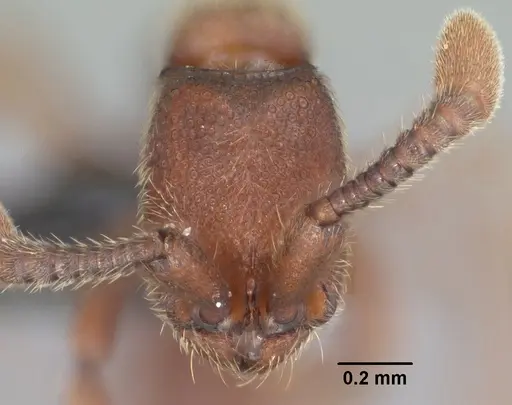
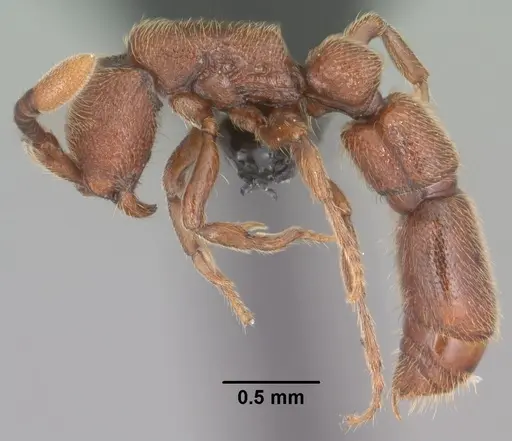
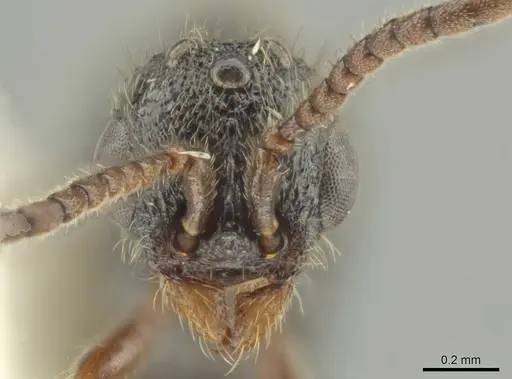
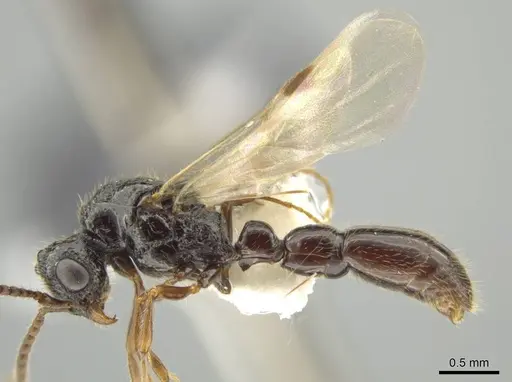
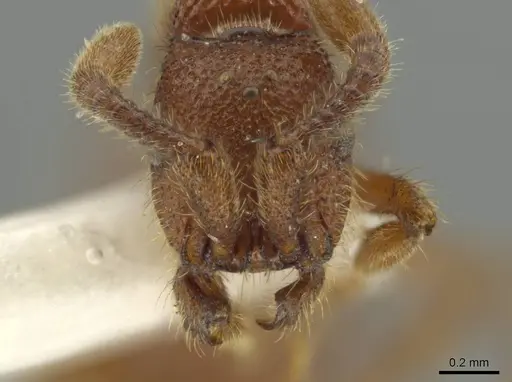
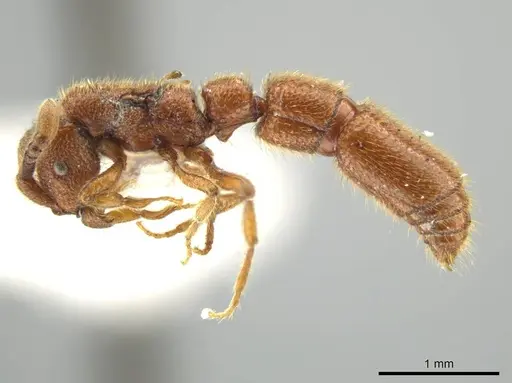
Syscia augustae is a tiny, subterranean predatory ant native to the southern United States and Mexico. Workers measure just 2.5-3.5mm and are completely blind, relying on their remarkably thick antennae to navigate and locate prey underground [1]. The queen is slightly larger at 3.75mm and is brachypterous (has tiny wing remnants but cannot fly) [2]. These ants are red-brown in color with a distinctive cylindrical body and highly developed stridulatory organ between the postpetiole and gaster that produces sound [1].
What makes S. augustae fascinating is their unusual combination of army ant-like behaviors and truly ancient ant lineage. They belong to the Syscia group, which is closely related to army ants, and show remarkable brooding behavior where workers wrap their long bodies around egg packets, similar to Eciton army ants [1]. Colonies are small (typically under 30 workers) and live in simple underground galleries beneath stones or in soil. They are extremely rare in the wild and are considered cryptic species that are usually only discovered when excavating other ant nests [1].
Quick Summary
- Difficulty: Expert
- Origin & Habitat: Found in the southern United States (Texas, Arizona, Arkansas) and across central and northern Mexico in moist forest habitats. They prefer mesic (moderately damp) areas, typically nesting under stones or in leaf litter in shaded locations [1][3].
- Colony Type: Likely monogyne (single queen) based on colony observations. The queen is ergatoid (wingless) and brachypterous. Workers can lay eggs, documented in lab colonies where eggs increased without a queen present [1].
- Colony: Monogyne
- Size & Growth:
- Queen: 3.75mm [1]
- Worker: 2.5-3.5mm [1]
- Colony: Small colonies of approximately 10-30 workers in the wild [1]
- Growth: Slow, based on documented development where eggs took more than 8 days to hatch and colonies remained small
- Development: Estimated 8-12 weeks based on related doryline ants and the documented slow development in lab colonies [1] (Egg incubation exceeds 8 days. Larvae are very slender and take considerable time to develop. Workers showed cannibalistic behavior toward brood in lab settings when colony was stressed [1].)
- Antkeeping:
- Temperature: Keep at 20-24°C. Being a subterranean species from temperate/warm regions, they prefer stable, moderate temperatures. Avoid overheating.
- Humidity: High humidity required, these are forest floor ants from moist habitats. Keep the nest substrate consistently damp but not waterlogged. Provide a moisture gradient so ants can choose their preferred zone.
- Diapause: Likely requires a mild winter rest period (diapause) given their temperate distribution. Reduce temperature to around 15-18°C for 2-3 months during winter.
- Nesting: Provide a naturalistic setup with damp soil or plaster nest. They naturally nest in simple underground galleries under stones. A Y-tong or plaster nest with narrow chambers works well. Keep the nest dark, these blind ants avoid light.
- Behavior: These are slow-moving, subterranean predators that hunt other small ants and termites underground. Workers are completely blind and navigate using their highly developed antennae and sense of smell [1]. They are not aggressive and rely on their sting for subduing prey. When threatened, they may feign death or remain motionless. They show unusual colonial brooding behavior where workers cluster around egg packets. Escape risk is low given their small size but they can squeeze through very small gaps, use fine mesh barriers. They do not attend aphids or seek sugar, they are strict predators.
- Common Issues: colonies are very small and slow-growing, which can frustrate keepers expecting rapid development, they are strict predators that refuse sugar and most common ant foods, live prey is essential, blind ants are extremely sensitive to light and may refuse to forage in exposed setups, stress from captivity can cause workers to cannibalize brood, keep disturbances minimal, wild-caught colonies are extremely rare and this species is not commonly available in the ant trade
Housing and Nest Setup
Syscia augustae requires a dark, humid environment that mimics their natural subterranean lifestyle. The best options are naturalistic setups with damp soil or plaster nests (like Y-tong) with narrow chambers. Keep the nest area dark, these blind ants will not forage properly in bright conditions. Place the nest in a location with minimal vibration and disturbance. A small outworld works for feeding, but ensure the connection is not too exposed to light. The nest chambers should be tight and appropriately sized for their small colony size. Maintain humidity by adding water to a reservoir or misting the substrate, the nest should feel damp to the touch but water should not pool [1].
Feeding and Diet
These are strict predators that need live prey. In captivity, they readily accept termite nymphs (their preferred food in lab observations) and will attack small ant workers or other soft-bodied insects [1]. They do NOT accept sugar, honey, or most commercial ant foods. Feed small live prey such as termite nymphs, springtails, small fruit fly pupae, or tiny cricket nymphs. Place prey near the nest entrance or in the foraging area. They detect prey by antennae contact, prey must be very close before they notice it. They subdue prey using both mandibles and sting, with the sting causing paralysis [1]. Feed every 3-5 days, removing uneaten prey to prevent mold.
Temperature and Seasonal Care
Keep the nest at 20-24°C year-round, avoiding temperatures above 28°C. Being from temperate regions (Texas, Mexico), they likely benefit from a mild winter rest period. During winter (roughly November-February in the Northern Hemisphere), reduce temperature to 15-18°C to simulate natural seasonal cycles. This diapause period helps regulate their biological rhythms. Do not cool them suddenly, reduce temperature gradually over 1-2 weeks. Monitor colony behavior, if they become very sluggish, the temperature may be too low. Avoid placing the nest near heating elements that cause rapid temperature swings. [1][3]
Behavior and Colony Dynamics
S. augustae displays several unusual behaviors that set them apart from typical ants. Workers are completely blind and navigate using their remarkably thick antennae, which they keep constantly vibrating as they explore [1]. They have a highly developed stridulatory organ that produces sounds, this helps them communicate in their dark underground world. The most striking behavior is their army ant-like egg-brooding: workers wrap their long bodies around egg packets and will aggressively defend them, forming a tight cluster that can only be seen by disturbing the entire group [1]. Unlike most ants, workers can lay eggs in the absence of a queen, this was documented in Wheeler's lab colony where eggs increased despite no queen being present. Colonies are small (typically under 30 workers) and grow slowly. When threatened, they may remain motionless rather than fleeing.
Handling and Observation
These ants are extremely sensitive to light and vibration due to their blind, subterranean lifestyle. Minimize exposure to bright light when observing the colony, use a red light or very dim flashlight. Avoid tapping on the nest or disturbing the colony frequently. When you must move them (for feeding or cleaning), do so gently and quickly. They are not aggressive toward keepers but their small size makes them easy to accidentally crush. Use soft tools (paintbrushes, plastic pipettes) for any manipulation. Because they are rare and difficult to maintain, only experienced antkeepers should attempt this species. [1]
Frequently Asked Questions
Can I keep Syscia augustae in a test tube setup?
A test tube setup can work for a founding colony, but these ants need darkness and humidity. Cover the test tube with a dark cloth and ensure the water reservoir stays filled. However, a small naturalistic setup with damp soil or a plaster nest is better for established colonies since they prefer tight, dark chambers and need to brood their eggs in peace [1].
What do Syscia augustae ants eat?
They are strict predators that only eat live prey. Termite nymphs are their preferred food and were successfully fed in original lab colonies [1]. They will not accept sugar, honey, or dead insects. Offer small live prey like termite nymphs, springtails, fruit fly pupae, or tiny cricket nymphs. Place prey near the nest, they must touch it with their antennae before attacking.
How long does it take for Syscia augustae to produce first workers?
Based on limited lab data, egg incubation takes more than 8 days [1]. Total development from egg to worker likely takes 8-12 weeks given their slow growth and small colony size. This is slower than many common ant species, so patience is essential.
Are Syscia augustae good for beginners?
No, this species is not recommended for beginners. They are expert-level due to several challenges: they require live prey (cannot be fed standard ant foods), need high humidity and dark conditions, are extremely rare in the ant trade, have slow growth, and are sensitive to disturbance [1]. Only experienced antkeepers should attempt this species.
Do Syscia augustae need hibernation?
Based on their temperate distribution in Texas and Mexico, they likely benefit from a mild winter rest period. Reduce temperatures to 15-18°C for 2-3 months during winter (roughly November-February). Do not cool them suddenly, reduce temperature gradually. This diapause helps regulate their natural biological cycles.
Why are my Syscia augustae dying?
Common causes include: stress from too much light or vibration (they are blind and subterranean), lack of live prey (they will starve rather than eat dead food), incorrect humidity (too dry causes desiccation, too wet causes drowning), and temperature extremes. They are also prone to brood cannibalization when stressed [1]. Ensure the nest is dark, humid, quiet, and well-stocked with live prey.
How big do Syscia augustae colonies get?
Wild colonies are very small, typically containing around 10-30 workers [1]. Even in captivity, colonies likely max out at 30-50 workers given their slow growth and the documented small colony sizes in their natural habitat. They are not a species that produces large, impressive colonies.
Can I keep multiple Syscia augustae queens together?
This is not recommended and has not been documented. Based on colony observations showing single queens and ergatoid replacement reproductives, the species appears to be monogyne (single queen). Combining unrelated queens would likely result in aggression. If you obtain a colony, assume single-queen housing is required.
When should I move Syscia augustae to a formicarium?
Wait until the colony has at least 15-20 workers and is actively foraging. The founding colony can remain in a test tube or small container for many months. Move them only if the current setup becomes too small or dry. When moving, keep the new nest dark for several days to allow them to adjust. Disturbances during the move can cause stress-induced brood cannibalization.
References

This caresheet is licensed under CC BY-SA 4.0 .
CASENT0102751
View on AntWeb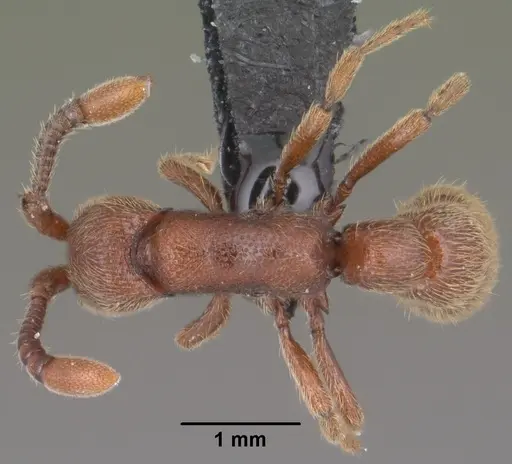
CASENT0106072
View on AntWeb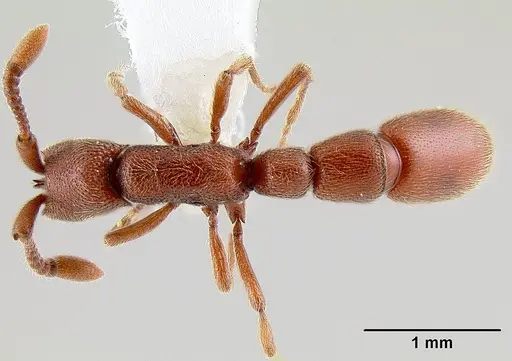
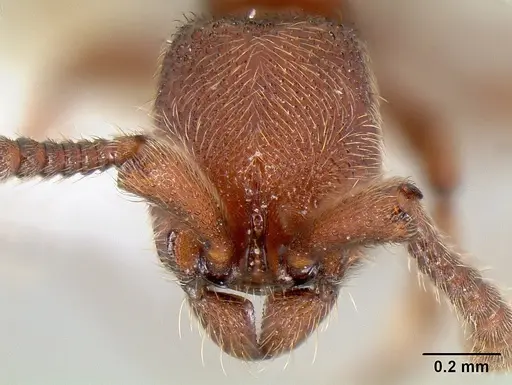
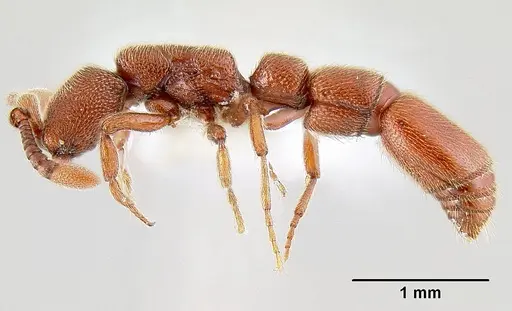
CASENT0249316
View on AntWeb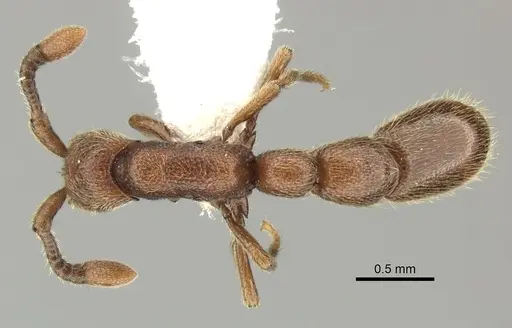
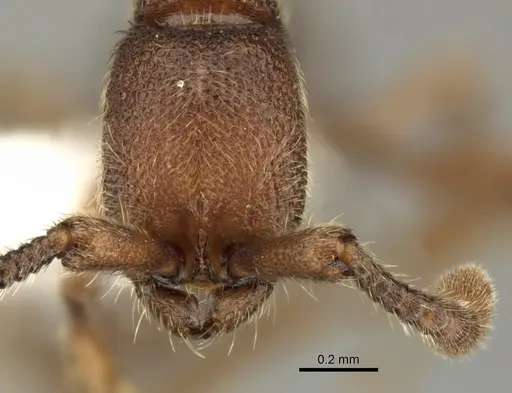
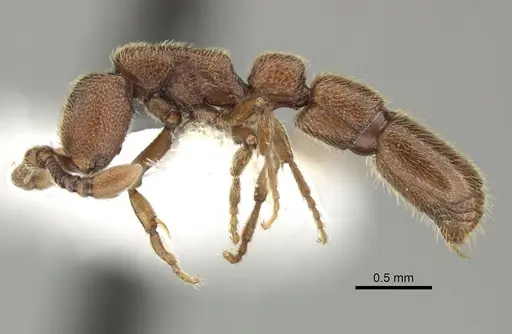
CASENT0644275
View on AntWeb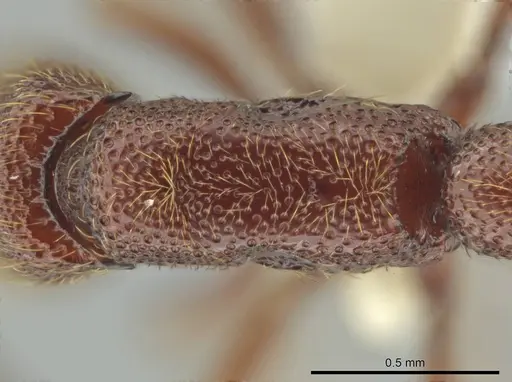
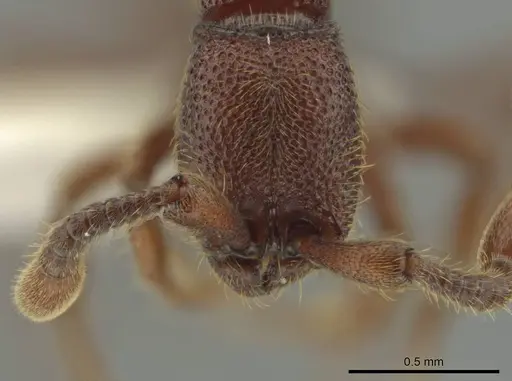
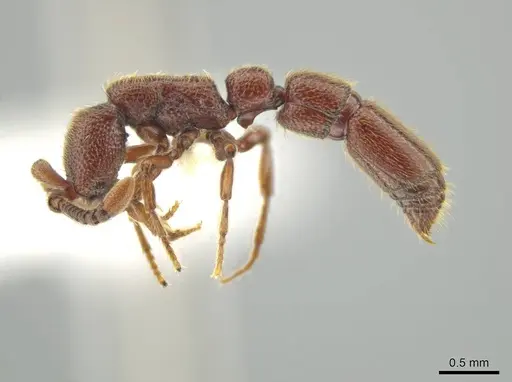
CASENT0644536
View on AntWeb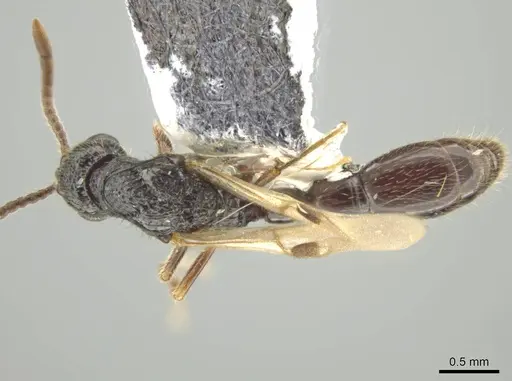
MCZ-ENT00511555
View on AntWeb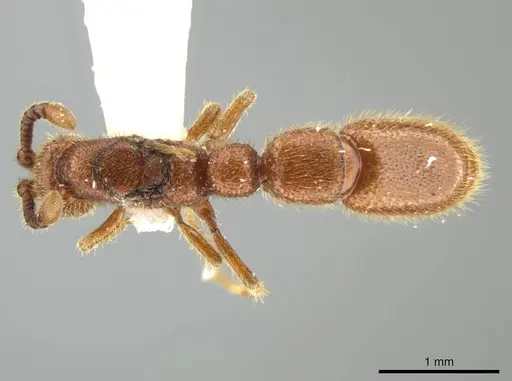
Literature
Loading...Loading products...