

Syscia atitlana
- Scientific Name
- Syscia atitlana
- Subfamily
- Dorylinae
- Author
- Longino & Branstetter, 2021
- Distribution
- Found in 2 countries
Syscia atitlana Overview
Syscia atitlana is an ant species of the genus Syscia. It is primarily documented in 2 countries , including Guatemala, Mexico. Detailed taxonomic data and occurrence records can be further explored via authoritative databases such as AntWeb or the Global Biodiversity Information Facility (GBIF).
Syscia atitlana
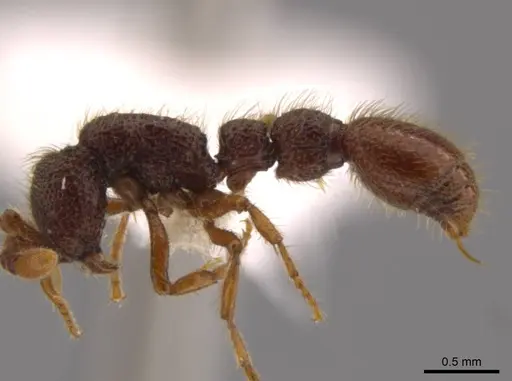
Syscia atitlana is a tiny army ant species native to the montane forests of southern Mexico and Guatemala. Workers are among the smallest in the genus, measuring just 0.60-0.67mm in head width and around 1mm in total body length [1]. They are dark brown with coarse standing hairs and were only recently described in 2021 from specimens collected in oak forest leaf litter at elevations between 1475-1850 meters [1]. This is a newly described species with limited available information, making it a challenging but interesting species for experienced antkeepers who enjoy working with rare, poorly-studied ants.
Quick Summary
- Difficulty: Expert
- Origin & Habitat: Montane wet forests of southern Mexico (Chiapas) and Guatemala, typically found at elevations of 1475-1850m in oak forest environments [1]. They live in forest floor leaf litter and rotting wood.
- Colony Type: Colony structure is unconfirmed. Only workers have been documented from Winkler/Berlese samples, no queens or reproductive castes have been described [1]. Likely monogyne like other Dorylinae, but this is uncertain.
- Size & Growth:
- Queen: Unknown, queens have not been described [1]
- Worker: 0.60-0.67mm head width,0.69-0.79mm head length,0.86-1.06mm mesosoma length [1]
- Colony: Unknown, only workers have been collected, typically in small numbers from litter samples [1]
- Growth: Unknown
- Development: Unknown, no development data exists for this species. Based on related Dorylinae, estimate 4-8 weeks at optimal temperature, but this is a rough guess. (Development timeline is completely unstudied. Estimates based on genus-level patterns for tiny army ants.)
- Antkeeping:
- Temperature: Keep cool to moderate, their montane habitat suggests preference for temperatures lower than typical room temperature. Aim for 18-22°C as a starting point and observe colony activity [1].
- Humidity: High humidity is essential. These ants come from wet montane forests, so keep the nest substrate consistently moist but not waterlogged. Think damp forest floor conditions [1].
- Diapause: Unknown, montane species may require a cool period, but specific requirements are unstudied.
- Nesting: Natural nesting occurs in forest floor leaf litter and rotting wood [1]. In captivity, a naturalistic setup with fine substrate or a small test tube setup with excellent moisture retention would work. Given their tiny size, escape prevention must be excellent.
- Behavior: Behavior is poorly documented. As Dorylinae, they are likely predatory like other army ants, hunting small invertebrates in the leaf litter layer. Their tiny size means they probably target very small prey like springtails and micro-arthropods. Escape risk is extremely high due to their minute size, they can squeeze through standard barriers easily. Use fine mesh and tight-fitting lids.
- Common Issues: escape prevention is critical, they are tiny enough to squeeze through standard test tube barriers, no queen or colony development data exists, keeping this species long-term is speculative, high humidity requirements can lead to mold if ventilation is poor, limited natural history information makes proper care difficult to determine, montane origin means they may not tolerate standard room temperatures
Discovery and Taxonomy
Syscia atitlana was only recently described in 2021 by Longino and Branstetter as part of a major revision of New World Syscia species using UCE phylogenomics [1]. The holotype worker was collected from Refugio El Quetzal in Guatemala's Suchitepéquez department at an elevation of 1838 meters. The species name 'atitlana' refers to Lake Atitlán, a nearby geographic feature. Only workers are known, no queens, males, or colony samples have been documented. This makes it one of the most poorly understood Syscia species in captivity.
Natural Habitat and Distribution
This species occupies a relatively narrow geographic range spanning southern Mexico (Chiapas) and Guatemala [1]. They are montane specialists, found exclusively at elevations between 1475-1850 meters in wet oak forest environments. The cool, damp conditions of these cloud forests are likely essential to their survival. Specimens have been collected using Winkler and Berlese extraction methods from sifted leaf litter and rotting wood, they are litter-dwelling ants that rarely venture into open areas [1]. This habitat specialization suggests they are highly sensitive to temperature and humidity changes.
Size and Identification
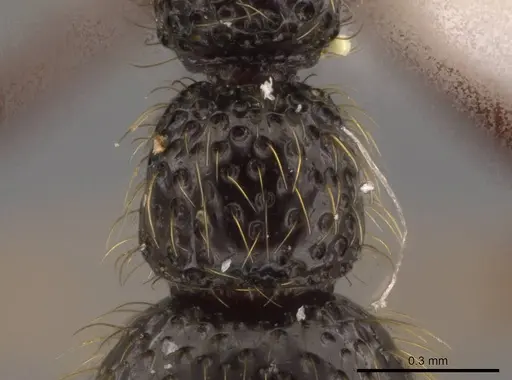
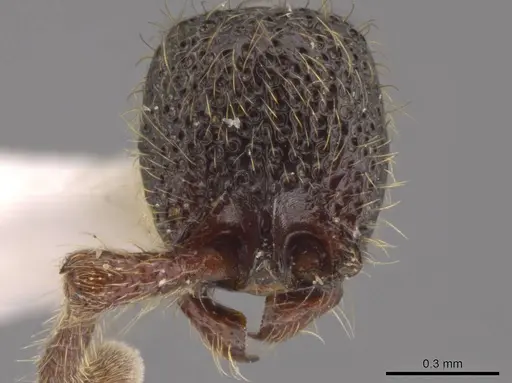
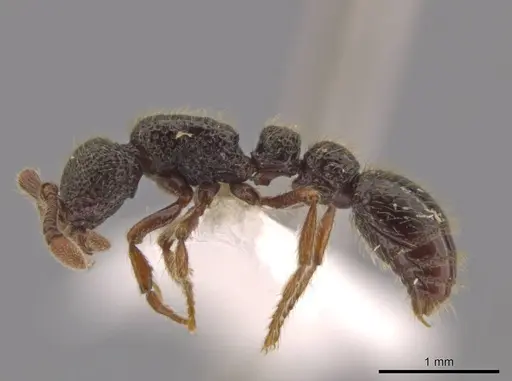
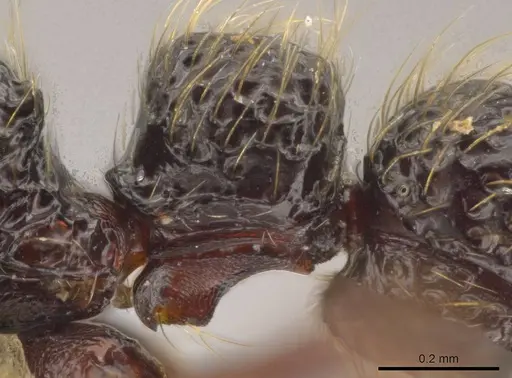
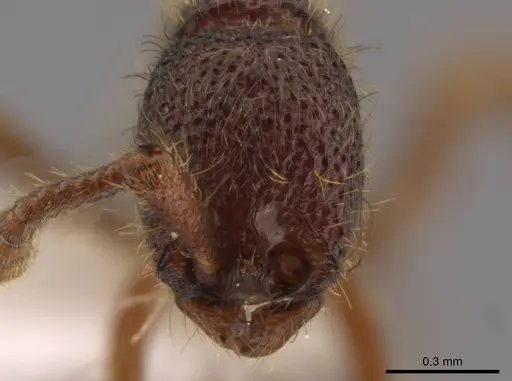
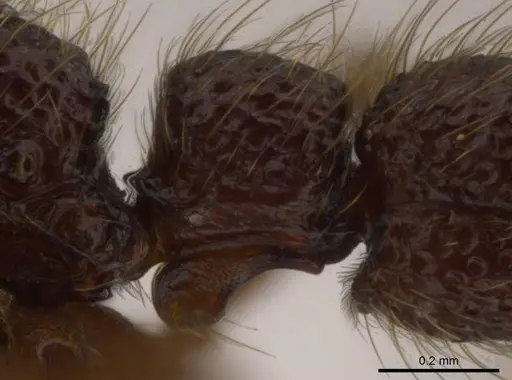
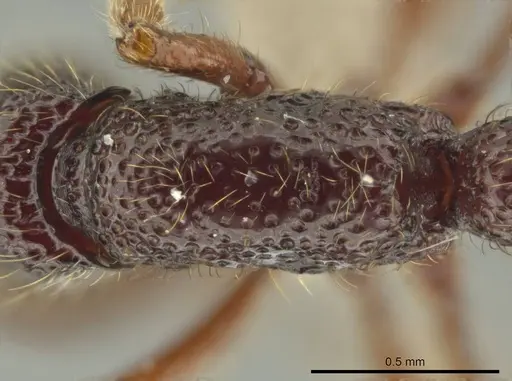
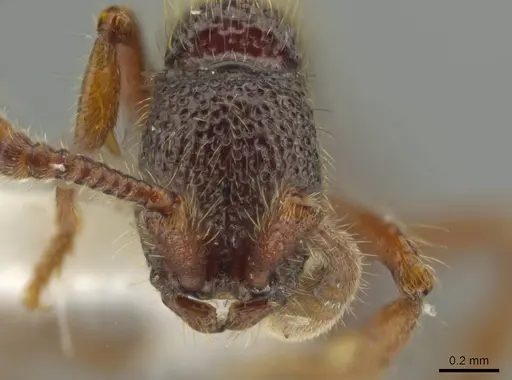
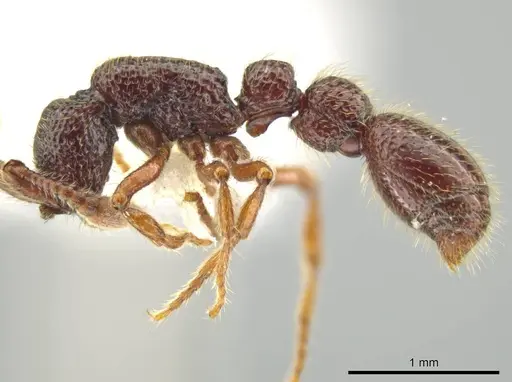
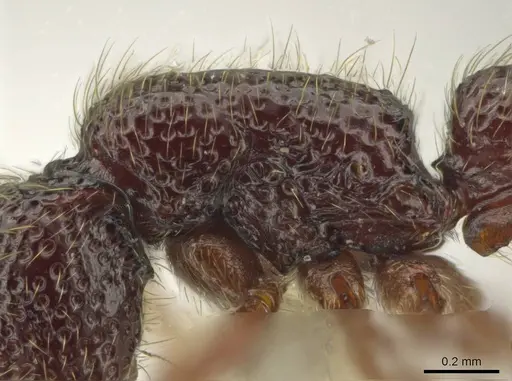
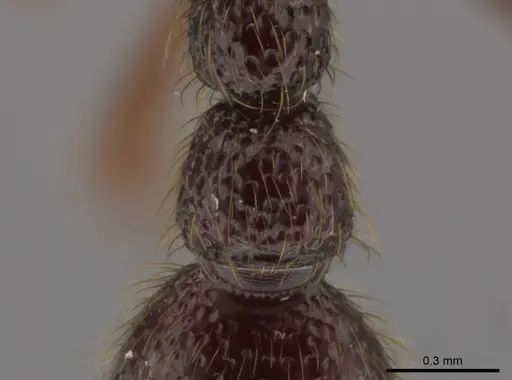
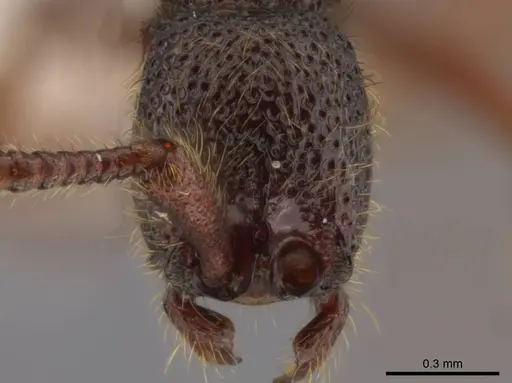
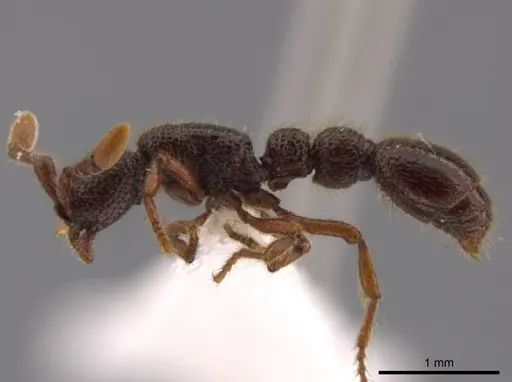
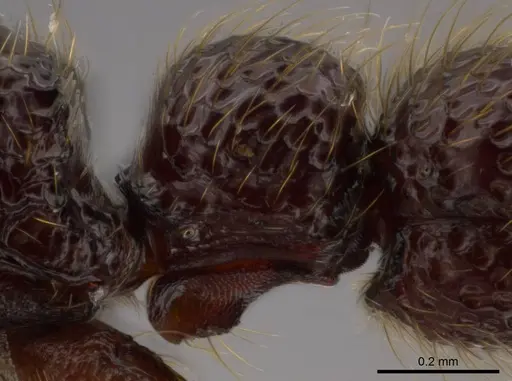
Workers are tiny even by ant standards, with a head width of only 0.60-0.67mm and total mesosoma length of 0.86-1.06mm [1]. They are dark brown with coarse standing hairs (pilosity) that are notably long for their size. The abdomen shows distinctive large puncta (small pits) that are widely separated, particularly on the third and fourth abdominal segments. The subpetiolar process (a small projection near the waist) has an asymmetrical lobe shape. These morphological features help distinguish them from other Syscia species in the region.
Housing and Setup
Given their tiny size and litter-dwelling nature, Syscia atitlana requires specialized housing. A small test tube setup with excellent moisture retention works well, or a naturalistic setup with fine substrate (like a mix of soil and rotting wood fragments). Escape prevention is absolutely critical, these ants are small enough to slip through standard barriers. Use fine mesh on any ventilation holes and ensure all connections are sealed. The nest should maintain consistently high humidity without becoming waterlogged. A small outworld area allows for feeding. Because they are newly described with no established husbandry protocols, be prepared to experiment with conditions. [1]
Feeding and Diet
As Dorylinae (army ants), they are likely predatory on small invertebrates. In captivity, offer small live prey appropriate to their size, springtails, fruit flies, and other micro-arthropods are ideal. Their tiny mandibles suggest they target very small prey items. Sugar acceptance is uncertain, while some Dorylinae will accept honey or sugar water, this species' diet in the wild is unstudied. Start with protein prey and occasionally offer sugar sources to test acceptance. Remove uneaten prey promptly to prevent mold. [1]
Temperature and Seasonal Care
Their montane origin suggests preference for cooler temperatures than typical for tropical ants. Aim for 18-22°C as a starting point and monitor colony behavior, if workers become sluggish, try slightly warmer conditions, if they avoid the heated area, reduce temperature. They likely experience seasonal temperature variation in the wild and may benefit from a slight cool period in winter, though specific diapause requirements are unknown. High humidity is non-negotiable given their wet forest origin. Avoid temperature extremes and sudden fluctuations. [1]
Frequently Asked Questions
How big do Syscia atitlana ants get?
Workers are tiny, head width only 0.60-0.67mm and mesosoma length 0.86-1.06mm [1]. They are among the smallest Syscia species. Queens have not been described yet.
Where does Syscia atitlana live in the wild?
They are found in montane wet forests of southern Mexico (Chiapas) and Guatemala at elevations of 1475-1850 meters [1]. Their habitat is oak forest with high humidity.
Can I keep Syscia atitlana in a test tube?
Yes, a small test tube setup can work, but escape prevention must be excellent due to their tiny size. Use fine mesh and check all seals carefully.
What do Syscia atitlana eat?
Likely small predatory insects and arthropods like springtails and fruit flies. Their diet in the wild is unstudied, but as Dorylinae they are probably predators [1].
How long does it take for Syscia atitlana to develop from egg to worker?
Unknown, no development data exists for this species. Based on related Dorylinae, estimate 4-8 weeks at optimal temperature, but this is a rough guess.
Are Syscia atitlana good for beginners?
No, this is an expert-level species. They are newly described with no established care protocols, require very high humidity, have extreme escape risk due to tiny size, and no queen or colony development data exists.
What temperature do Syscia atitlana need?
Keep them cool to moderate, 18-22°C based on their montane forest origin [1]. They likely prefer temperatures lower than typical room temperature.
Do Syscia atitlana need hibernation?
Unknown, their montane origin suggests they may experience seasonal temperature changes, but specific diapause requirements are unstudied.
Why is my Syscia atitlana colony dying?
Common issues include escape (they are tiny), improper humidity (too dry or too wet leading to mold), and temperature stress. This species has no established care protocols, so some experimentation may be needed.
References

This caresheet is licensed under CC BY-SA 4.0 .
CASENT0603108
View on AntWeb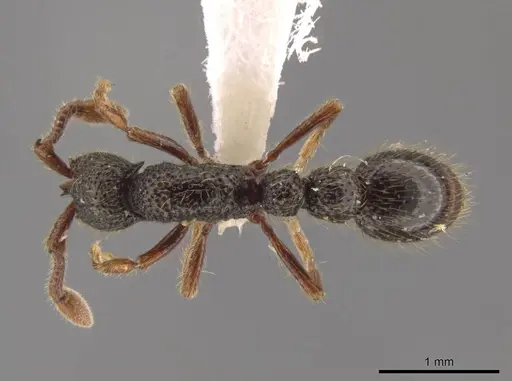
CASENT0610019
View on AntWeb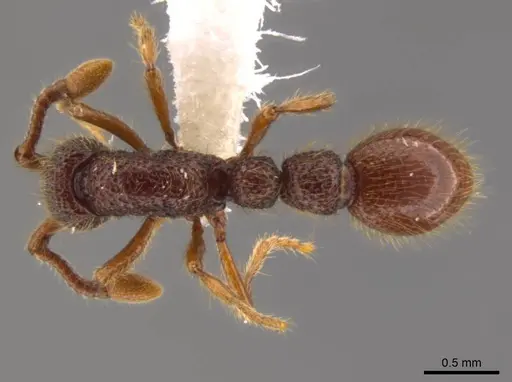
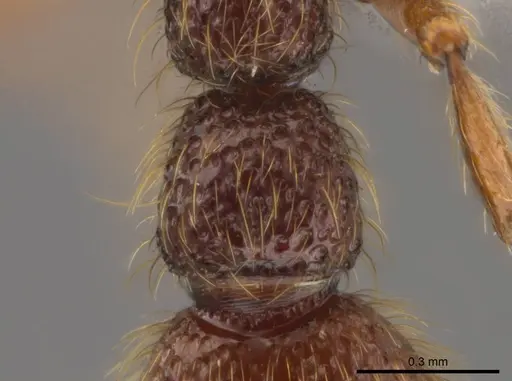
CASENT0611764
View on AntWeb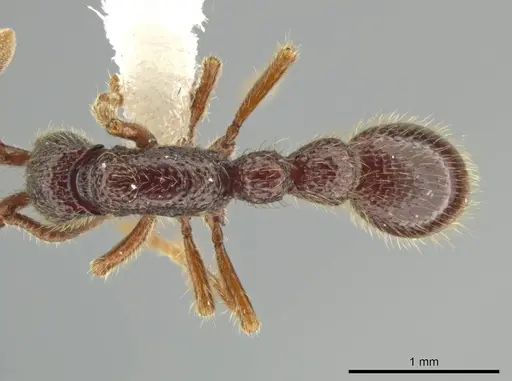
CASENT0612933
View on AntWeb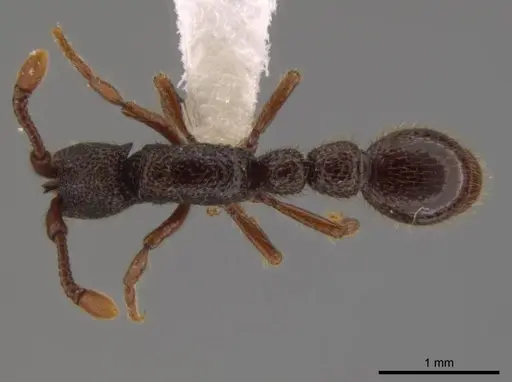
Literature
Loading...Loading products...