

Syscia amblyogyna
- Scientific Name
- Syscia amblyogyna
- Subfamily
- Dorylinae
- Author
- Longino & Branstetter, 2021
- Distribution
- Found in 1 countries
Syscia amblyogyna Overview
Syscia amblyogyna is an ant species of the genus Syscia. It is primarily documented in 1 countries , including Guatemala. Detailed taxonomic data and occurrence records can be further explored via authoritative databases such as AntWeb or the Global Biodiversity Information Facility (GBIF).
Syscia amblyogyna
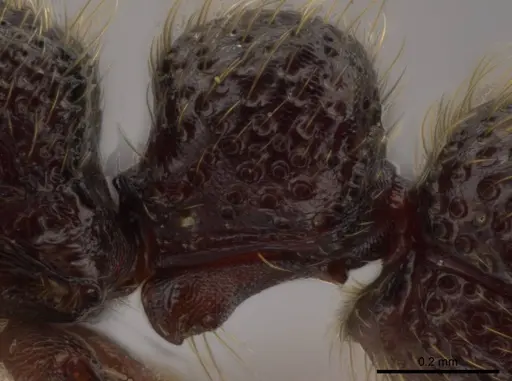
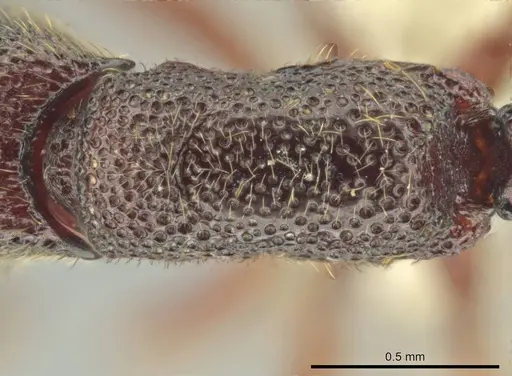
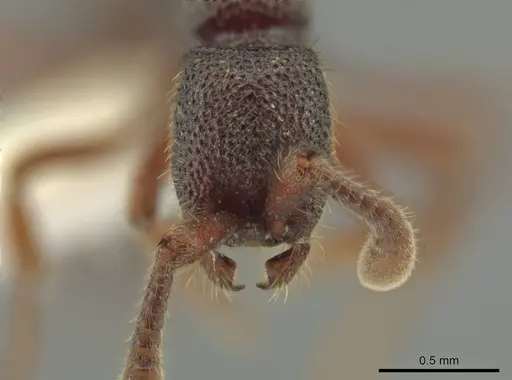
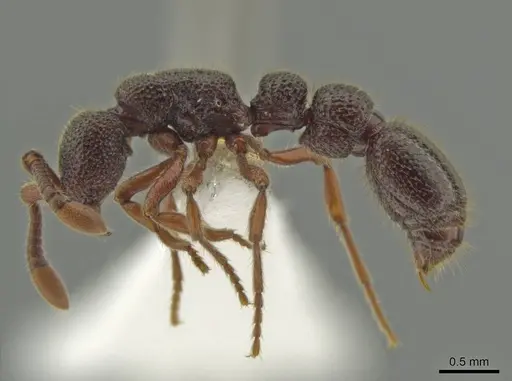
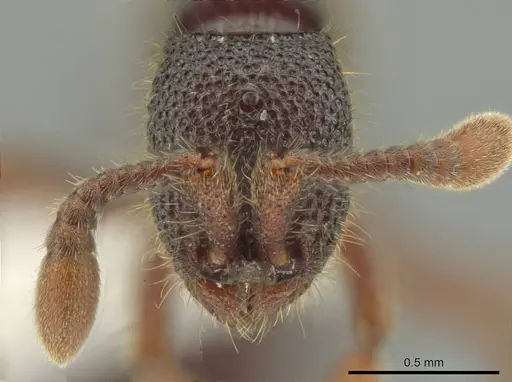
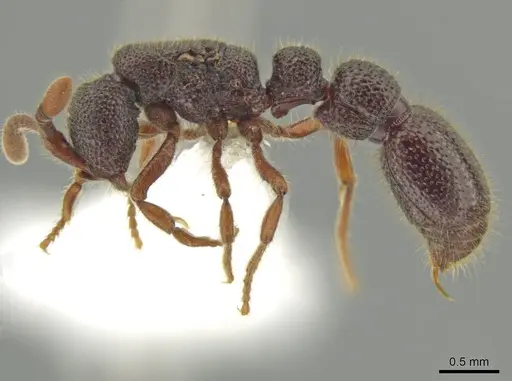
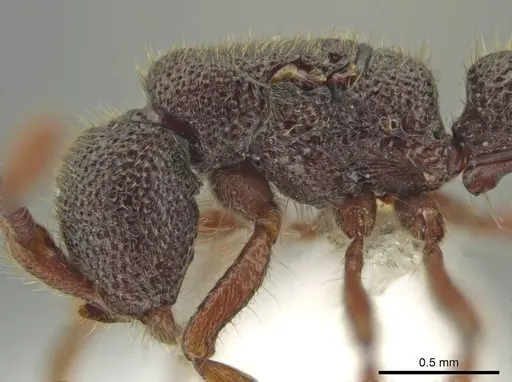
Syscia amblyogyna is a tiny, dark brown ant species belonging to the Dorylinae subfamily (army ants). Workers are minute at approximately 1.1mm total length, with a head width of about 0.66mm. Queens are slightly larger at 1.28mm mesosomal length and feature a unique trait: they are brachypterous, meaning they have reduced wings rather than fully developed wings. This species was only recently described in 2021 and is currently known only from montane cloud forest in Guatemala, at elevations between 1,325-1,550 meters [1].
This is one of the most recently described ant species in the hobby, and very little is known about its captive care. Based on its natural history as a litter-dwelling species from humid cloud forests, it likely requires high humidity and small-scale nesting environments similar to other tiny Dorylinae. The brachypterous queens suggest this species may have unusual colony founding behavior compared to typical ants [1].
Quick Summary
- Difficulty: Expert
- Origin & Habitat: Native to montane cloud forest in Guatemala, specifically the Zacapa region at 1,325-1,550m elevation. Found in leaf litter and rotten wood samples from the forest floor [1].
- Colony Type: Likely monogyne (single queen) based on typical Dorylinae patterns. Features brachypterous (wing-reduced) queens with variation in eye development, some queens have no discernible compound eyes while others have minute eyes [1]. Colony size is unknown but likely small given the tiny worker size.
- Size & Growth:
- Queen: 1.28mm mesosomal length (queen measurements: HW 0.69,HL 0.82,SL 0.52,MSL 1.28) [1]
- Worker: ~1.11mm total length (worker measurements: HW 0.66,HL 0.81,SL 0.52,MSL 1.11) [1]
- Colony: Unknown, estimated under 100 workers based on similar tiny litter ants
- Growth: Unknown, likely slow to moderate based on small colony size patterns
- Development: Unknown, estimated 6-10 weeks based on typical Dorylinae development at warm temperatures (No direct data available, estimate based on related tiny ant species patterns)
- Antkeeping:
- Temperature: Keep at 20-24°C, avoiding temperatures above 28°C. Montane species prefers cooler conditions than tropical ants. Use a heating cable on one side of the nest to create a gentle gradient if room temperature is below 20°C.
- Humidity: High humidity is essential, aim for 70-85%. This species comes from cloud forest leaf litter where conditions are constantly damp. Keep the nest substrate consistently moist but not waterlogged. Provide a water reservoir and consider misting the outworld occasionally.
- Diapause: Unknown, montane species may experience seasonal temperature variations in the wild. Consider providing a cool period (15-18°C) during winter months, but this is speculative.
- Nesting: In captivity, likely prefers small chambers in plaster nests, acrylic nests, or test tube setups with close-fitting barriers. Their tiny size means escapes are likely, use fine mesh and excellent seal quality. Provide access to small prey items in the outworld.
- Behavior: Behavior is unstudied in captivity. As a Dorylinae species, they are likely predatory on small arthropods. Their tiny size and litter-dwelling nature suggest they are shy and not aggressive. Escape prevention is critical due to their very small size, they can squeeze through standard barrier gaps that larger ants cannot. Expect them to be slow-moving and secretive, spending most of their time in the nest chamber.
- Common Issues: escape prevention is critical due to their tiny size, they can slip through standard mesh and lid gaps, high humidity requirements can lead to mold problems if ventilation is inadequate, no captive husbandry information exists, expect a learning curve with this species, wild-caught colonies may have parasites or stress from collection and transport, slow growth and tiny size make them difficult to observe and care for properly
Housing and Nest Setup
Syscia amblyogyna is an extremely small ant that requires careful attention to housing. Their tiny size means they can escape through gaps that seem insignificant to larger ants. Use test tubes with cotton stoppers, or small acrylic/plaster nests with chambers scaled to their minute size. Fine mesh (at least 0.5mm or smaller) is essential for any ventilation holes. A small outworld connected to the nest works well, they need space to forage but not large areas. Consider using a fluon barrier on test tube rims as an extra precaution. The nest material should retain moisture well since this species comes from humid cloud forest environments [1].
Feeding and Diet
As a Dorylinae species, Syscia amblyogyna is likely predatory on small arthropods. In captivity, offer tiny live prey such as springtails, fruit flies, and other micro-arthropods. Due to their minute size, standard ant feeders are too large, prey items should be appropriately scaled. Sugar sources may be accepted but are not a primary food source for predatory Dorylinae. Offer small drops of honey or sugar water occasionally, but do not rely on these as staples. Feed small prey items every 2-3 days, removing any uneaten prey to prevent mold. The tiny worker size means even a single fruit fly is a substantial meal [1].
Temperature and Humidity
This is a montane species from cloud forest in Guatemala, so it prefers cooler, more humid conditions than typical tropical ants. Keep temperatures in the 20-24°C range, avoid exceeding 28°C. A heating cable on one side of the nest can create a temperature gradient if your room is cooler. Humidity should be high, around 70-85%. The nest substrate should feel consistently damp but never waterlogged. Montane species are often sensitive to temperature and humidity fluctuations, so aim for stability. A small water reservoir in the nest setup helps maintain humidity. Monitor for condensation, some condensation is good, but standing water indicates too much moisture [1].
Colony Structure and Reproduction
Syscia amblyogyna has a unique trait among ants: brachypterous queens, meaning they have reduced wings rather than fully developed wings for flight. There is also variation in eye development among queens, some have no discernible compound eyes while others have minute eyes [1]. This suggests the species may have unusual colony founding behavior, possibly with queens dispersing on foot rather than through nuptial flights. Colony size is unknown but likely remains small (under 100 workers) given the tiny worker size. The colony structure appears to be single-queen (monogyne) based on typical Dorylinae patterns, though this is not confirmed. Expect slow colony growth, tiny ant species typically produce fewer workers over time compared to larger species.
Behavior and Temperament
Very little is known about the behavior of Syscia amblyogyna in captivity or in the wild. As a litter-dwelling Dorylinae species, they are likely secretive and not aggressive. Their tiny size means they are probably preyed upon easily by larger ants and animals, so they likely avoid confrontation. Expect them to remain hidden in the nest most of the time, emerging only to forage. They probably use chemical communication rather than visual cues, consistent with their subterranean or litter-dwelling lifestyle. The variation in queen eye development is unusual and may indicate reduced reliance on vision compared to most ants. Overall, expect a shy, slow-moving species that is difficult to observe [1].
Frequently Asked Questions
How long does it take for Syscia amblyogyna to produce first workers?
The exact development timeline is unknown. Based on typical Dorylinae patterns and similar tiny ant species, expect 6-10 weeks from egg to worker at optimal temperatures (20-24°C). The first workers (nanitics) will be very small, as is typical for this minute species [1].
What do Syscia amblyogyna ants eat?
As a Dorylinae species, they are likely predatory on small arthropods. Feed tiny live prey such as springtails, fruit flies, and other micro-arthropods. They may occasionally accept sugar water or honey, but protein from prey should be the primary food source. Prey items must be appropriately sized for their tiny workers [1].
Can I keep Syscia amblyogyna in a test tube?
Yes, test tubes work well for this species. Use a small test tube with a tight-fitting cotton stopper and ensure excellent seal quality, their tiny size means they can escape through very small gaps. Add a water reservoir section for humidity. A small outworld for foraging can be connected once the colony grows [1].
Are Syscia amblyogyna good for beginners?
No, this species is not recommended for beginners. It was only described in 2021,has no captive husbandry information available, requires high humidity, has critical escape prevention needs due to its tiny size, and is extremely difficult to obtain. Even experienced antkeepers will face a learning curve with this species [1].
How big do Syscia amblyogyna colonies get?
Colony size is unknown but likely remains small. Based on similar tiny litter-dwelling ants, colonies probably reach under 100 workers. Their minute worker size (approximately 1.1mm total length) suggests they cannot support large colonies. Expect slow growth over many months or years [1].
Do Syscia amblyogyna need hibernation?
Diapause requirements are unknown for this species. As a montane species from Guatemala, they may experience cooler temperatures seasonally. Consider providing a cool period (15-18°C) during winter months, but this is speculative rather than based on documented behavior. Monitor colony activity to determine if they naturally slow down [1].
Why are my Syscia amblyogyna escaping?
Their tiny size makes escape prevention critical. They can squeeze through gaps that seem insignificant to larger ants. Use fine mesh (0.5mm or smaller), apply fluon barriers to test tube rims, and ensure all connections between nest and outworld are sealed. Check for gaps around heating cables and any other openings. Even a 1mm gap is enough for them to escape [1].
References

This caresheet is licensed under CC BY-SA 4.0 .
CASENT0612527
View on AntWeb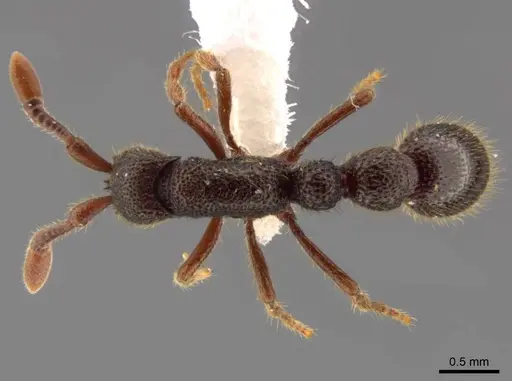
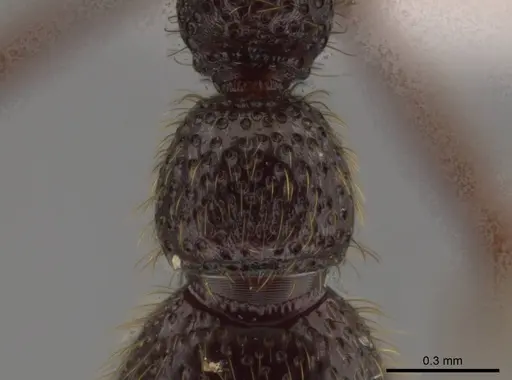
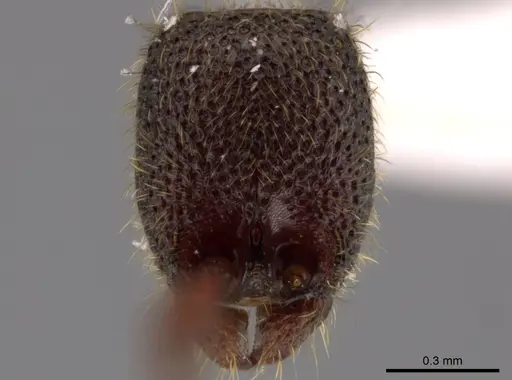
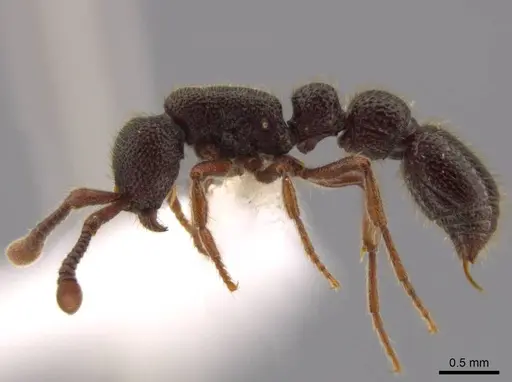
CASENT0612570
View on AntWeb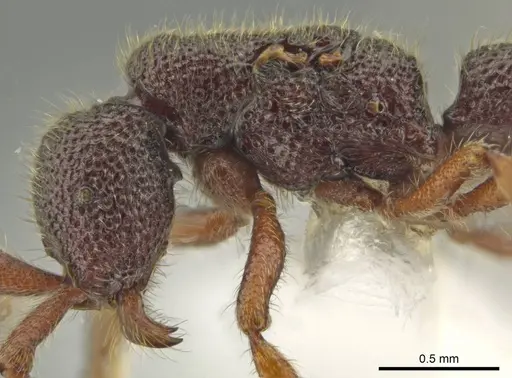
CASENT0644402
View on AntWeb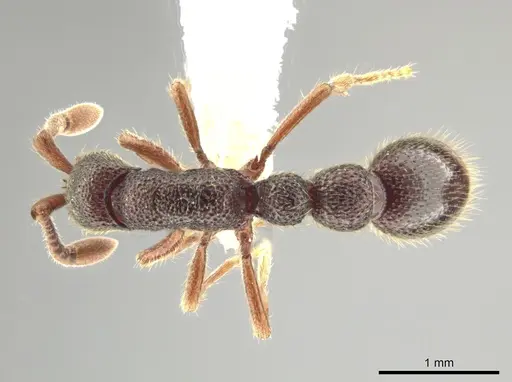
CASENT0644403
View on AntWeb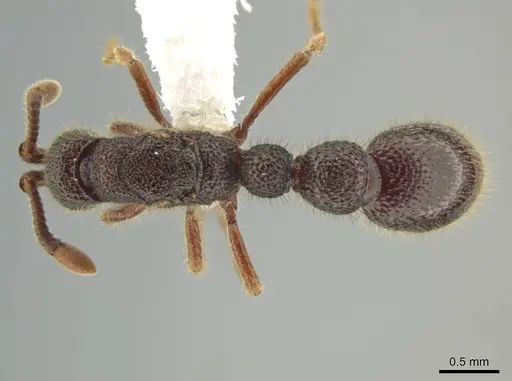
Literature
Loading...Loading products...