

Syllophopsis vitiensis
- Scientific Name
- Syllophopsis vitiensis
- Tribe
- Solenopsidini
- Subfamily
- Myrmicinae
- Author
- Mann, 1921
- Distribution
- Found in 1 countries
Syllophopsis vitiensis Overview
Syllophopsis vitiensis is an ant species of the genus Syllophopsis. It is primarily documented in 1 countries , including Fiji. Detailed taxonomic data and occurrence records can be further explored via authoritative databases such as AntWeb or the Global Biodiversity Information Facility (GBIF).
Syllophopsis vitiensis
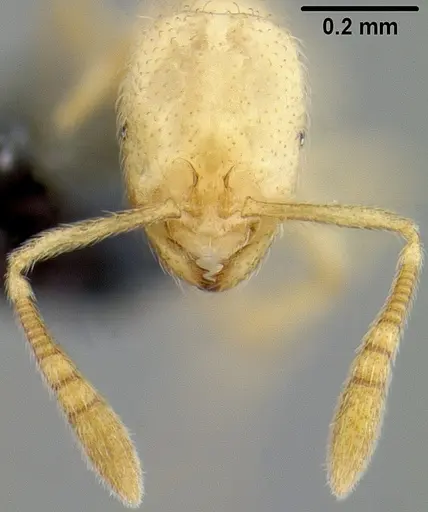
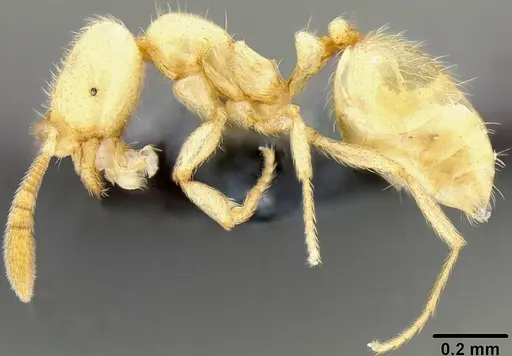
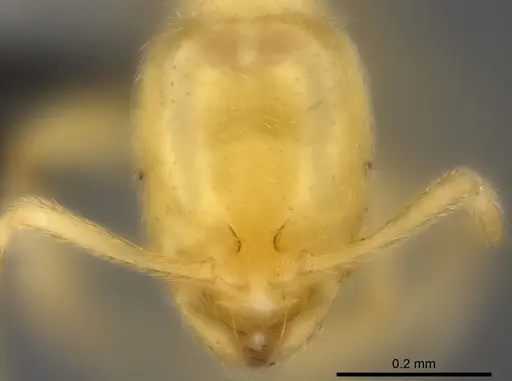
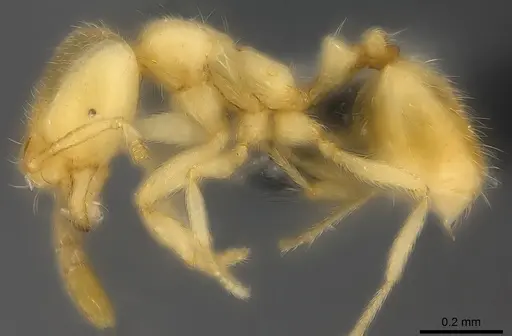
Syllophopsis vitiensis is a tiny yellow ant species native to the Fiji Islands in the South Pacific. Workers are small, measuring just 2-3mm, with a uniform yellow coloration and abundant body hairs. They have distinctive single-ommatidium eyes (meaning each eye contains only one lens), short antennae scapes that don't reach the back of the head, and a deeply impressed metanotal groove on the back of the mesosoma. This species was originally described in 1921 by W.M. Mann from Taviuni Island and was later transferred from the genus Monomorium to Syllophopsis during a 2015 phylogenetic revision [1]. The species remains poorly studied in the scientific literature, with most information inferred from its close relatives.
Quick Summary
- Difficulty: Medium
- Origin & Habitat: Native to the Fiji Islands in the South Pacific, specifically recorded from Taviuni Island. This is a tropical island habitat with warm temperatures year-round [2].
- Colony Type: Colony structure is unconfirmed. Based on related species in the Solenopsidini tribe, likely single-queen (monogyne) colonies, but this has not been directly documented for this species.
- Size & Growth:
- Queen: Undocumented, estimated 4-5mm based on related Syllophopsis species
- Worker: 2-3mm [3]
- Colony: Unknown, likely small colonies under 500 workers based on typical Monomorphic/Solenopsidini patterns
- Growth: Unknown
- Development: Estimated 6-8 weeks at tropical temperatures (25-28°C) (Development time is inferred from related tropical Solenopsidini species, actual timeline unconfirmed)
- Antkeeping:
- Temperature: Keep at 24-28°C, these are tropical ants from Fiji and need warm conditions. A heating cable on one side of the nest creates a suitable gradient.
- Humidity: Moderate to high humidity (60-80%). Keep the nest substrate slightly moist but not waterlogged. These ants come from a tropical island environment.
- Diapause: No, as a tropical species from Fiji, they do not require hibernation. Maintain warm temperatures year-round.
- Nesting: In the wild, they likely nest in soil or under stones in forest habitats. In captivity, a small test tube setup or Y-tong nest with tight chambers scaled to their tiny size works well. Avoid large, open spaces.
- Behavior: These are small, generally peaceful ants that likely forage for small prey and honeydew. Workers are active and can move quickly despite their tiny size. They may be shy and avoid confrontation with larger ants. Escape prevention is critical due to their very small size, use fine mesh barriers and tight-fitting lids.
- Common Issues: escape prevention is critical, they are tiny and can squeeze through the smallest gaps, slow colony growth can frustrate beginners who expect fast development, wild-caught colonies may have parasites that can decimate the colony in captivity, overheating is a risk, keep temperatures stable and avoid direct heat sources that can dry out the nest, small colony size means any losses have a bigger impact on the overall population
Origins and Distribution
Syllophopsis vitiensis is endemic to the Fiji Islands, specifically known from Taviuni (also spelled Taveuni) Island in the Fiji archipelago. The species was first described in 1921 by William M. Mann from specimens collected at Somo Somo on Taviuni Island. The type specimens are housed in the Museum of Comparative Zoology at Harvard University (MCZC). Fiji is a tropical island nation in the South Pacific, consisting of over 300 islands with a warm, humid climate year-round. This ant species has not been recorded from any other locations, making it a truly Fijian endemic [1][3][2].
Identification and Appearance
Workers of Syllophopsis vitiensis are tiny, measuring approximately 2-3mm in length. They have a uniform yellow coloration throughout their body, which is covered in abundant pilosity (short hairs). One of the most distinctive features is their single-ommatidium eyes, meaning each eye is made up of only a single lens, which is unusual among ants. They have short antennae scapes (the elongated first segment of the antenna) that fail to reach the posterior margin of the head. The metanotal groove (the groove separating the mesosoma from the gaster) is deeply and acutely impressed. These workers are very similar in appearance to the related species Syllophopsis subcoeca, which can be distinguished by lacking a small dent between the propodeal dorsum and declivity [3].
Taxonomy and Classification
This species has undergone several taxonomic changes since its original description. It was first described as Syllophopsis vitiensis by Mann in 1921,placing it in the large genus Monomorium. In 1994,it was listed as a junior synonym of talpa by Dlussky, though this synonymy was not widely accepted. Then in 2015,Ward et al. resurrected the genus Syllophopsis to contain species formerly in the Monomorium hildebrandti-group, creating the new combination Syllophopsis vitiensis. The genus Syllophopsis belongs to the tribe Solenopsidini within the subfamily Myrmicinae, making them related to fire ants (Solenopsis) and other small myrmicine ants [1].
Housing and Nest Setup
Due to their very small size, Syllophopsis vitiensis requires careful housing setup. A small test tube setup works well for founding colonies, use a test tube with a water reservoir at one end, stopped with a cotton plug, providing humidity through the water column. For established colonies, a Y-tong (AAC) nest or small acrylic formicarium with tight chambers scaled to their tiny size is appropriate. Avoid large, open spaces that can make these small ants feel insecure. Escape prevention is critical, they can and will squeeze through incredibly small gaps. Use fine mesh (at least 0.5mm or tighter) on any ventilation holes and ensure all lids fit tightly. A naturalistic setup with moist substrate and small hiding spots can also work well.
Feeding and Diet
Based on related species in the Solenopsidini tribe, Syllophopsis vitiensis likely has a typical omnivorous diet. They probably forage for small insects, arthropods, and other protein sources, as well as sugar sources like honeydew from aphids or nectaries. In captivity, offer small protein sources like fruit flies, pinhead crickets, or small mealworms. Sugar water, honey, or diluted syrup can be offered as an energy source. Feed small amounts every 2-3 days and remove any uneaten food to prevent mold. Given their tiny size, food items should be appropriately scaled, very small prey items are essential.
Temperature and Seasonal Care
As a tropical species from Fiji, these ants require warm temperatures year-round. Maintain nest temperatures between 24-28°C (75-82°F). A heating cable or heating mat on one side of the nest can create a temperature gradient, allowing the ants to regulate their own temperature by moving between warmer and cooler areas. Avoid temperatures below 20°C as this could stress or kill the colony. Unlike temperate species, they do not require a winter diapause or hibernation period. Keep them warm consistently throughout the year. High humidity is also important, aim for 60-80% relative humidity in the nest area, which can be maintained through a water tube or by misting the setup occasionally.
Frequently Asked Questions
How long does it take for Syllophopsis vitiensis to produce first workers?
The exact development timeline is unconfirmed for this species, but based on related tropical Solenopsidini species, expect approximately 6-8 weeks from egg to worker at optimal temperatures (25-28°C). The first workers (nanitics) will typically be smaller than normal workers. Patience is key with this species as colony growth is likely slow.
What do Syllophopsis vitiensis ants eat?
Based on related species, they are omnivorous. Offer small protein sources like fruit flies, tiny crickets, or small mealworms. They also likely accept sugar sources, try offering diluted honey, sugar water, or honeydew. Feed small amounts every 2-3 days and remove uneaten food promptly.
Can I keep multiple queens together?
The colony structure of this species is unconfirmed. Based on typical Solenopsidini patterns, they likely form single-queen colonies. Combining unrelated queens is not recommended as there is no documented evidence for pleometrosis (multiple queen founding) in this species.
Are Syllophopsis vitiensis good for beginners?
This species is rated as Medium difficulty. While their small size and specific temperature requirements present some challenges, they are generally manageable for intermediate antkeepers. The main challenges are escape prevention due to their tiny size and the need for warm, stable tropical conditions. Beginners should be prepared for potentially slow colony growth.
How big do Syllophopsis vitiensis colonies get?
Colony size is unconfirmed for this species, but based on related tiny Solenopsidini, they likely reach several hundred workers at most. They are not among the large colony-forming ants. Expect colonies to remain relatively small compared to species like Formica or Camponotus.
Do they need hibernation?
No. As a tropical species from Fiji, they do not require hibernation or winter cooling. Maintain warm temperatures (24-28°C) year-round. Temperatures below 20°C could be harmful to the colony.
Why are my Syllophopsis vitiensis escaping?
Their tiny size (2-3mm) means they can escape through incredibly small gaps. Check all ventilation holes, lid seams, and connection points. Use fine mesh (0.5mm or tighter) and ensure all lids fit snugly. Apply fluon or another barrier to the upper edges of the formicarium. Small ants = high escape risk by default.
When should I move them to a formicarium?
Wait until the colony has reached at least 20-30 workers before moving from a test tube setup. Moving too early can stress the colony. Ensure the formicarium has appropriately sized chambers, tight spaces help small ants feel secure.
What temperature should I keep them at?
Keep nest temperatures between 24-28°C (75-82°F). Use a heating cable on one side of the nest to create a gradient. Avoid both cold temperatures (below 20°C) and excessive heat (above 32°C).
References

This caresheet is licensed under CC BY-SA 4.0 .
CASENT0171040
View on AntWeb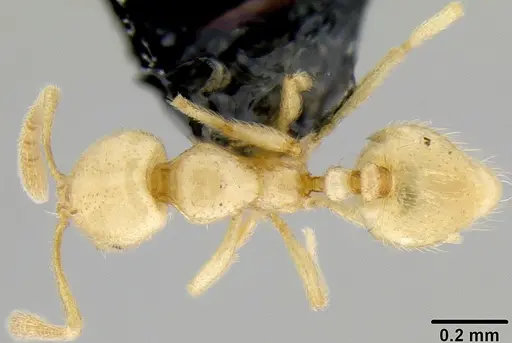
CASENT0181872
View on AntWeb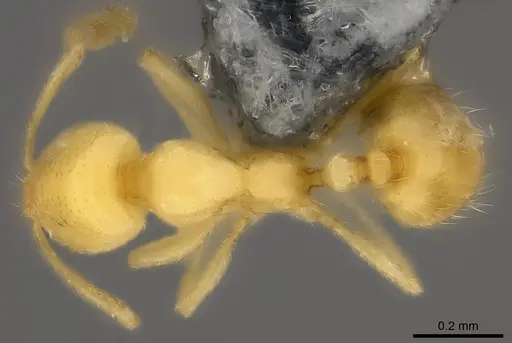
Literature
Loading...Loading products...