

Syllophopsis modesta
- Scientific Name
- Syllophopsis modesta
- Tribe
- Solenopsidini
- Subfamily
- Myrmicinae
- Author
- Santschi, 1914
- Distribution
- Found in 4 countries
Syllophopsis modesta Overview
Syllophopsis modesta is an ant species of the genus Syllophopsis. It is primarily documented in 4 countries , including Madagascar, Tanzania, United Republic of. Detailed taxonomic data and occurrence records can be further explored via authoritative databases such as AntWeb or the Global Biodiversity Information Facility (GBIF).
Syllophopsis modesta
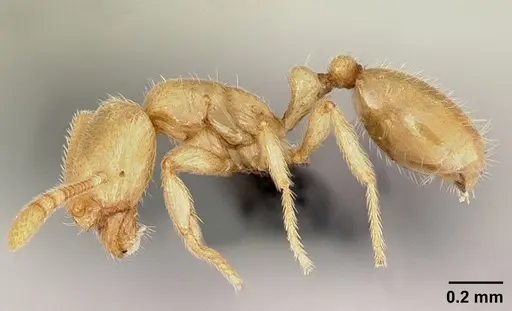
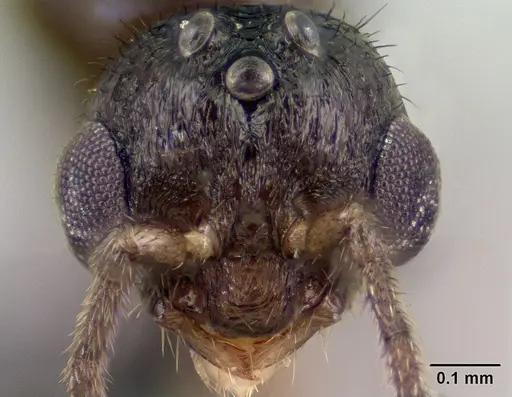
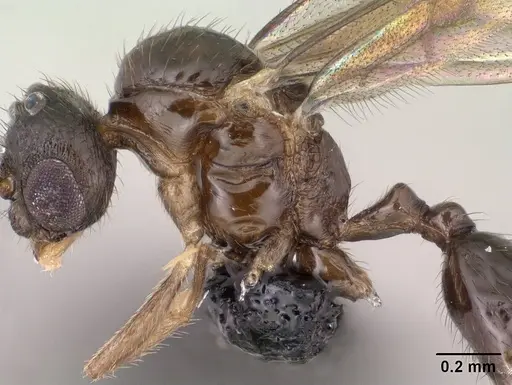
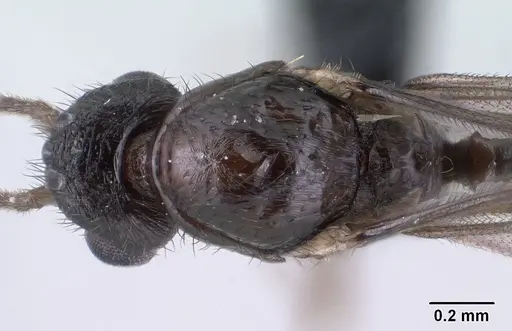
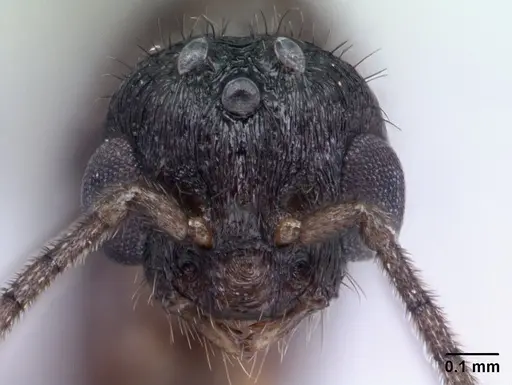
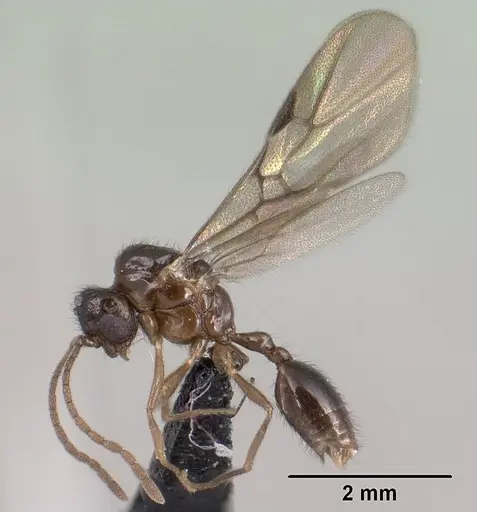
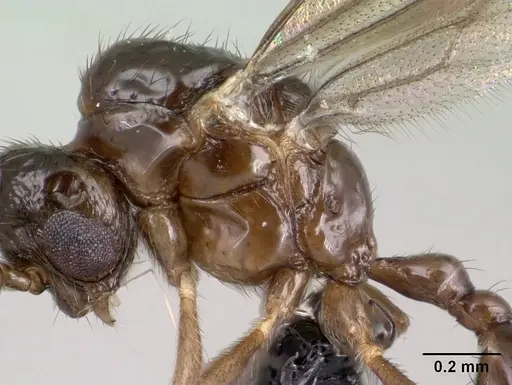
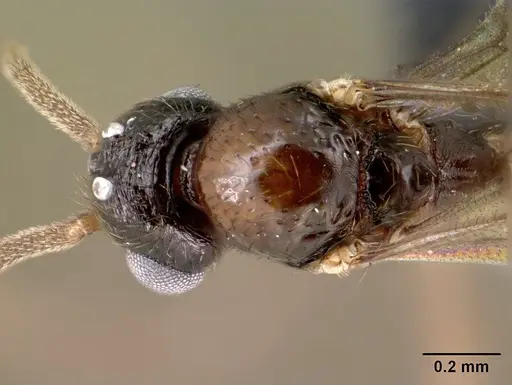
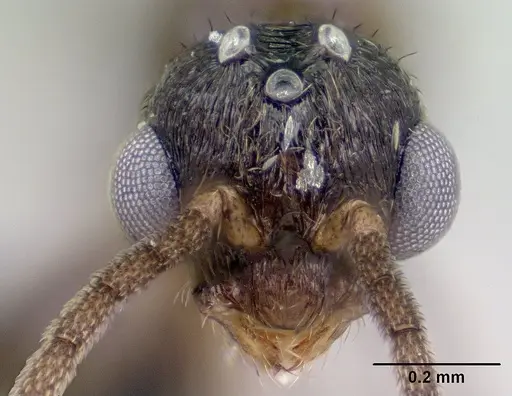
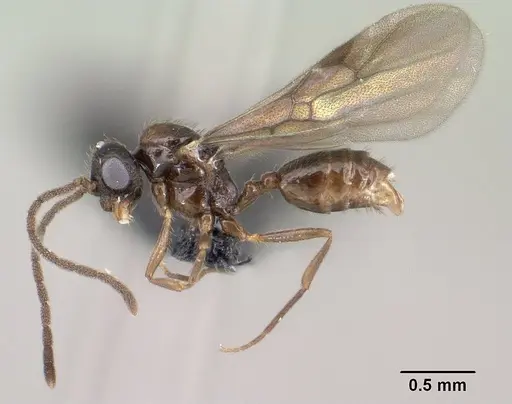
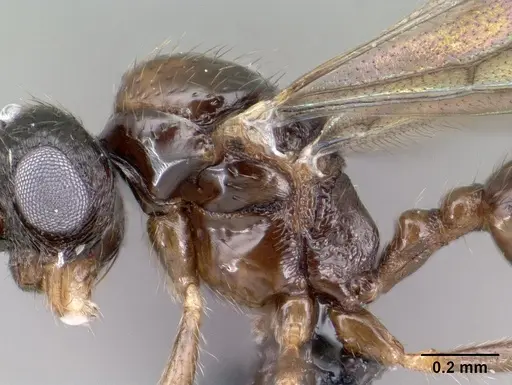
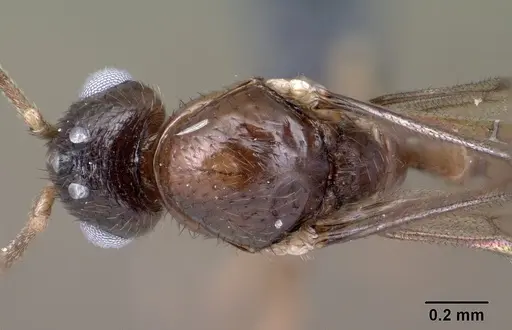
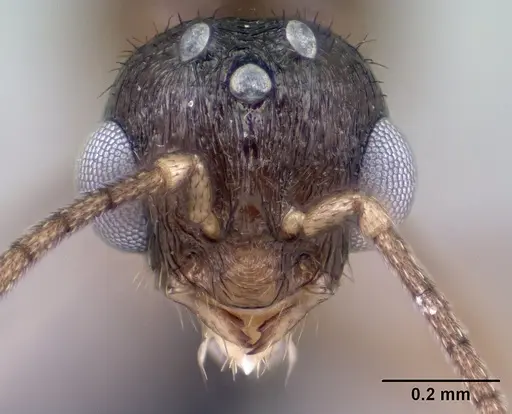
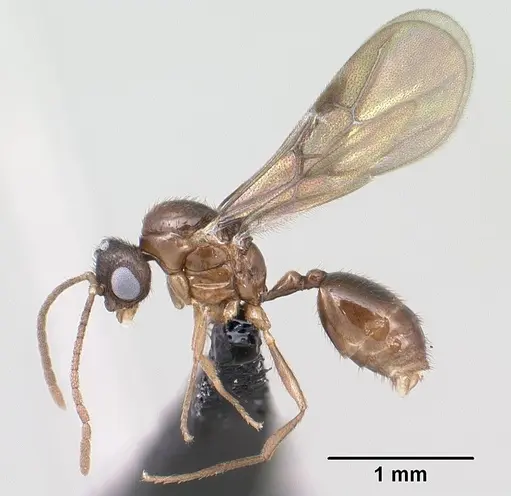
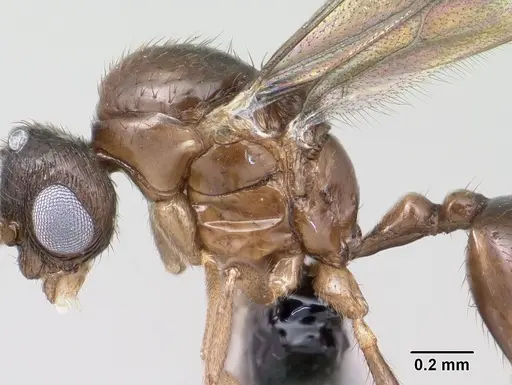
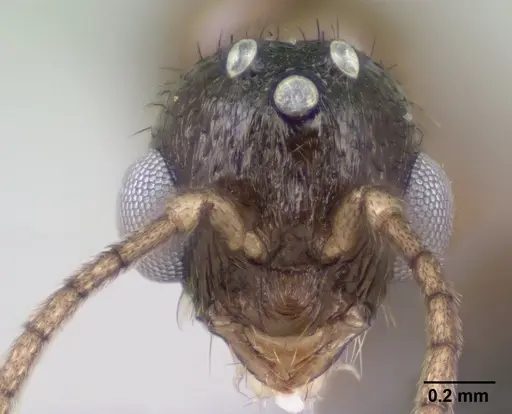
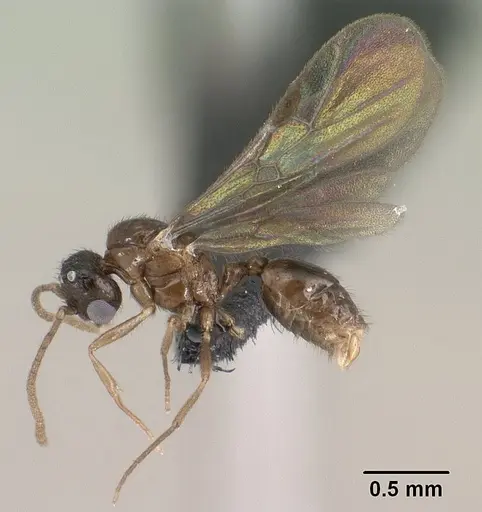
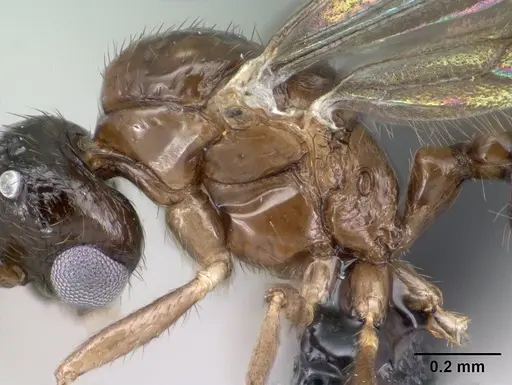
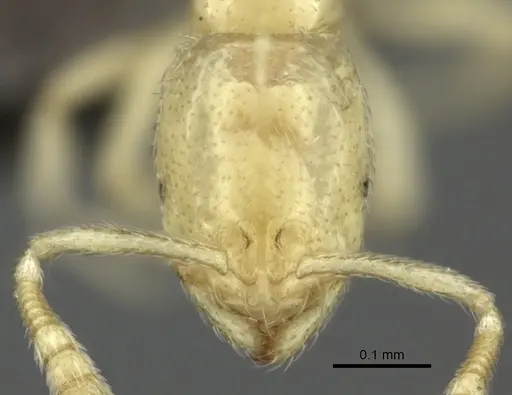
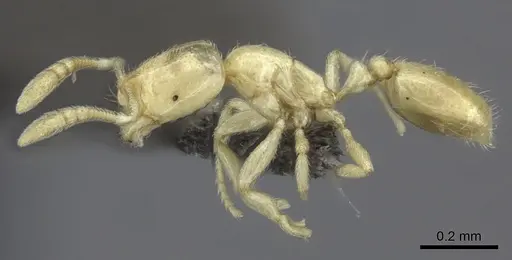
Syllophopsis modesta is a tiny, pale yellow ant belonging to the Myrmicinae subfamily. Workers measure just 1.7-2.0mm in length, making them one of the smaller ant species you'll encounter [1]. They have a rectangular head with an extremely minute eye consisting of only one or two ommatidia, and their body is a depigmented creamy yellow color throughout [2]. These ants nest and forage exclusively in humid leaf litter within rainforests [2][1].
This species has an interesting distribution pattern, on Madagascar, they occupy the humid east coast while their close relative Syllophopsis sechellensis lives on the drier west coast [2]. They're part of the Solenopsidini tribe and were formerly classified under Monomorium before being reclassified. Their biology in the wild remains poorly studied, with queens and males not yet documented in scientific collections [2].
Quick Summary
- Difficulty: Medium
- Origin & Habitat: Rainforests of eastern Madagascar, with additional populations in Ivory Coast, Kenya, South Africa, Tanzania, and Mayotte [2][1]. They live exclusively in humid leaf litter in rainforest habitats.
- Colony Type: Colony structure is unconfirmed. Queens and males have not been documented in scientific collections [2]. Based on genus patterns, likely single-queen colonies.
- Size & Growth:
- Queen: Undocumented, no queens have been collected or described in scientific literature [2]
- Worker: 1.7-2.0mm total length, head 0.46-0.52mm, width 0.36-0.41mm [2][1]
- Colony: Estimated small to moderate, likely under 500 workers based on similar litter-dwelling Myrmicinae
- Growth: Unknown, no development data available
- Development: Estimated 6-8 weeks based on related Monomorium species at optimal temperature (No direct development data exists for this species. Estimates based on genus-level patterns for small Myrmicinae ants.)
- Antkeeping:
- Temperature: Keep around 22-26°C. This range is inferred from their rainforest leaf litter habitat in Madagascar, they prefer warm, stable conditions with moderate humidity [2]. Avoid temperatures below 18°C or above 30°C.
- Humidity: High humidity is essential, these ants live in humid leaf litter. Keep the nest substrate consistently moist but not waterlogged. Aim for 70-80% relative humidity. Provide a water tube and ensure the nest never fully dries out.
- Diapause: Unknown for this species. Madagascar has mild seasonal variation, so a true diapause may not be required. Monitor colony behavior, if they become less active in winter months, a brief cool period (15-18°C for 2-3 months) may be beneficial.
- Nesting: These tiny ants naturally nest in humid leaf litter and rotting wood debris in rainforests [2][1]. In captivity, they do well in naturalistic setups with fine, moist substrate (like a mixture of soil and coco fiber). Y-tong nests with very small chambers also work well given their tiny size. Avoid large, open spaces, they prefer tight, humid chambers.
- Behavior: Syllophopsis modesta is a shy, non-aggressive species that forages quietly in leaf litter. They are not known to sting, Myrmicinae in the Solenopsidini tribe have functional stingers but this species is too small to cause meaningful pain to humans. They are extremely small (under 2mm) and can escape through standard barrier systems, escape prevention must be excellent. They likely feed on small insects, honeydew, and nectar like other Monomorium relatives.
- Common Issues: escape prevention is critical, at 1.7-2.0mm, they can squeeze through tiny gaps that larger ants cannot, colonies may fail if humidity drops too low, they require consistently moist conditions, slow growth and small colony sizes may frustrate keepers expecting rapid development, wild-caught colonies may contain parasites that can decimate the colony, test tube setups may be too large for these tiny ants, they prefer tight spaces
Housing and Nest Setup
Given their tiny size of 1.7-2.0mm, Syllophopsis modesta requires careful housing considerations. In the wild, they live exclusively in humid leaf litter in rainforests [2], so your setup should mimic this. A naturalistic terrarium-type enclosure works well, use a substrate mix of fine soil, coco fiber, and leaf litter to create a humid, forest-floor environment. Keep the substrate moist but not waterlogged.
For more controlled setups, Y-tong (AAC) nests with very small chambers work better than standard sizes because these ants prefer tight spaces. Whatever nest type you choose, ensure excellent escape prevention, these tiny ants can slip through gaps that seem impossible. Apply fluon to all edges and use tight-fitting lids. A water tube attached to the nest helps maintain humidity.
Feeding and Diet
Like other members of the Monomorium group, Syllophopsis modesta likely has a varied diet including small insects, honeydew, and nectar. In captivity, offer small protein sources like fruit flies, pinhead crickets, and other tiny arthropods. They will likely accept sugar water or honey as an energy source.
Feed them small prey items 2-3 times per week, removing any uneaten food within 24 hours to prevent mold. Because of their tiny size, their food requirements are minimal, a few small fruit flies or tiny cricket pieces will go a long way. Always ensure fresh water is available, either through a water tube or by moistening the substrate. [1]
Temperature and Seasonal Care
Keep your colony at 22-26°C, which reflects their native Madagascar rainforest habitat [2]. They prefer stable temperatures without major fluctuations. A heating cable on one side of the nest can create a gentle gradient if your room temperature falls below this range.
Regarding hibernation, the data is unclear. Madagascar has mild seasonal variation, so a true diapause may not be necessary. However, if you notice your colony becoming less active during winter months, a brief cool period at 15-18°C for 2-3 months may be appropriate. Monitor your colony's behavior, active colonies can skip hibernation entirely. Never let temperatures drop below 15°C or rise above 30°C.
Handling and Temperament
Syllophopsis modesta is a calm, non-aggressive species. They are not territorial and do not display aggressive swarming behavior. While Myrmicinae ants have functional stingers, this species is so small that any sting would be negligible to humans, more of a curiosity than a concern.
The main handling consideration is their tiny size combined with their escape ability. They move quickly for their size and will readily explore any gap in their enclosure. Always use excellent escape prevention. When you need to move them, use gentle coaxing rather than grabbing, their small size makes them fragile. They are best observed in a naturalistic setup where you can watch their quiet foraging behavior. [2]
Growth and Development
No specific development timeline has been documented for this species. Based on related Monomorium species and similar tiny Myrmicinae, expect roughly 6-8 weeks from egg to first worker at optimal temperature (around 24°C). The first workers (nanitics) will be very small, even for this already tiny species.
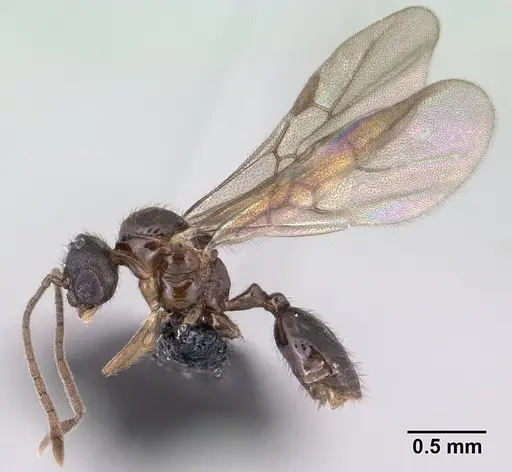
Colony growth is likely slow compared to larger ant species. Do not expect rapid expansion, these are small ants with presumably modest colony sizes. Patience is key. Queens have never been documented in scientific collections [2], so wild-collected colonies may be rare. If you obtain a colony, focus on maintaining stable, humid conditions to support whatever growth they can achieve.
Frequently Asked Questions
How long does it take for Syllophopsis modesta to produce first workers?
The exact timeline is unconfirmed for this species, but based on related Monomorium species, expect approximately 6-8 weeks from egg to first worker at optimal temperature (around 24°C). The first workers will be tiny nanitics.
What size do Syllophopsis modesta workers reach?
Workers are very small at 1.7-2.0mm total length [1]. Their head alone measures only 0.46-0.52mm wide [2]. This makes them one of the smaller ant species commonly kept.
Are Syllophopsis modesta good for beginners?
This species is rated as Medium difficulty. Their small size and high humidity requirements make them more challenging than larger, more resilient species. They require excellent escape prevention and stable conditions. Beginners may find them frustrating due to their tiny size and slow growth.
What humidity do Syllophopsis modesta need?
High humidity is essential, aim for 70-80% relative humidity. These ants live in humid rainforest leaf litter in the wild [2][1]. Keep the nest substrate consistently moist but not waterlogged.
What temperature is best for Syllophopsis modesta?
Keep them at 22-26°C. This range reflects their native Madagascar rainforest habitat. Avoid temperatures below 18°C or above 30°C.
How big do Syllophopsis modesta colonies get?
Colony size is not well documented, but based on similar litter-dwelling Myrmicinae, colonies likely reach several hundred workers at most. They are not large colony builders.
Can I keep multiple queens together?
The colony structure is unconfirmed, queens have never been documented in scientific collections [2]. It is unknown whether they are single-queen or multi-queen species. Do not attempt combining unrelated queens until more is known.
Why are my Syllophopsis modesta escaping?
At only 1.7-2.0mm, they are extremely small and can squeeze through gaps that seem impossible. Use excellent escape prevention, apply fluon to all edges, use fine mesh for ventilation, and ensure lids fit tightly. Even small gaps will allow escapes.
Do Syllophopsis modesta need hibernation?
Diapause requirements are unknown. Madagascar has mild seasonal variation, so a true hibernation may not be necessary. If your colony slows in winter, a brief cool period at 15-18°C for 2-3 months may be offered, but active colonies can skip this.
What do Syllophopsis modesta eat?
Like other Monomorium relatives, they likely accept small insects, fruit flies, and other tiny arthropods for protein. They will probably take sugar water or honey. Feed small prey items 2-3 times per week.
Where is Syllophopsis modesta found in the wild?
They are found across sub-Saharan Africa (Ivory Coast, Kenya, South Africa, Tanzania) and Madagascar. On Madagascar, they occupy the humid east coast, living in rainforest leaf litter [2][1].
References

This caresheet is licensed under CC BY-SA 4.0 .
CASENT0010824
View on AntWeb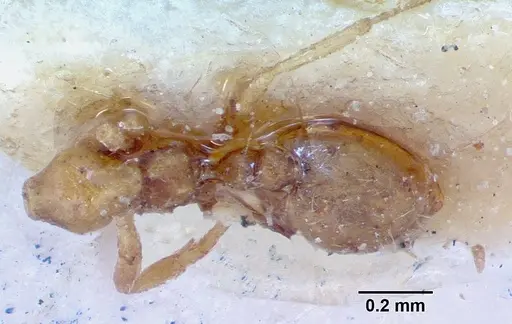

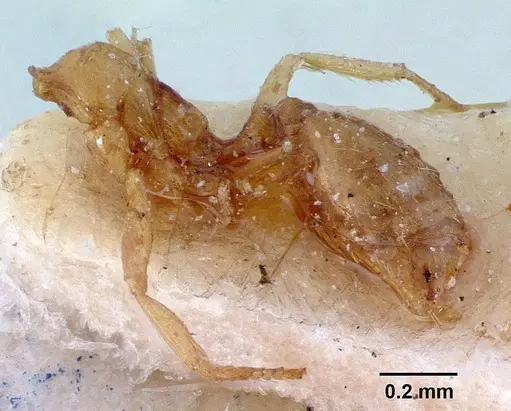
CASENT0026710
View on AntWeb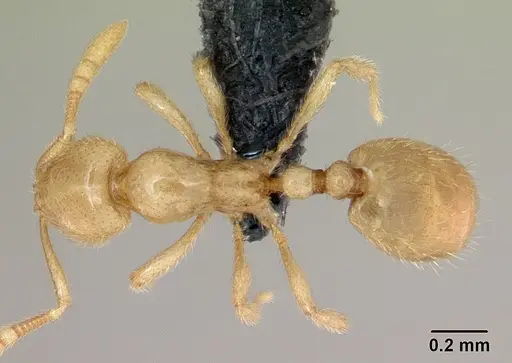
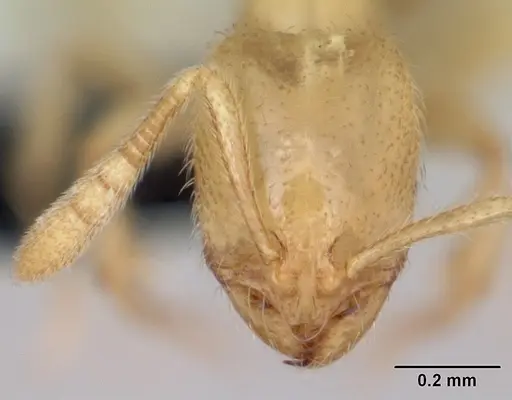
CASENT0135642
View on AntWeb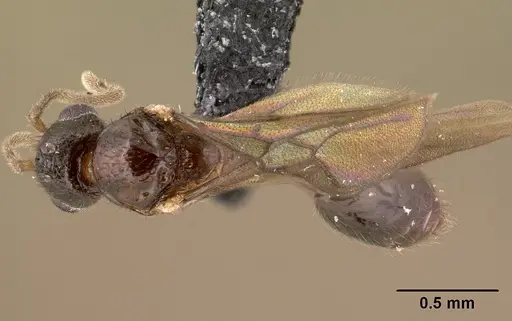
CASENT0135643
View on AntWeb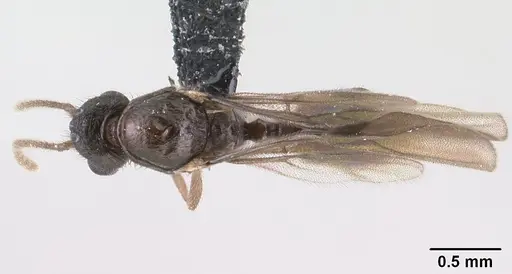
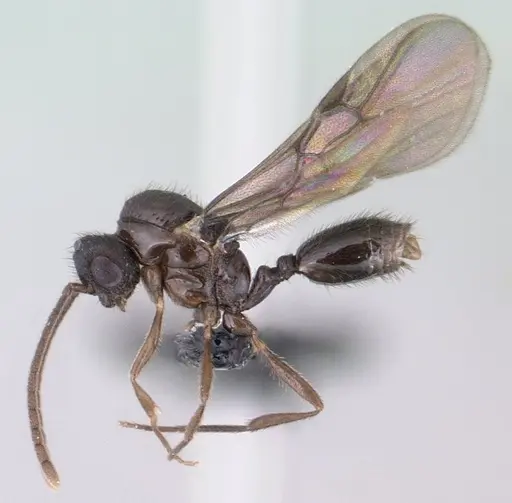
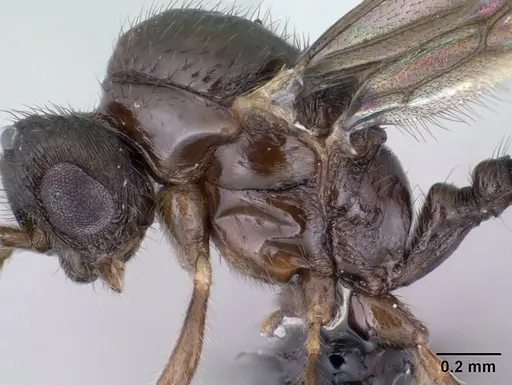
CASENT0138538
View on AntWeb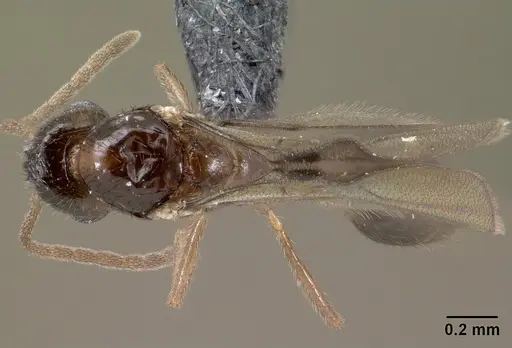
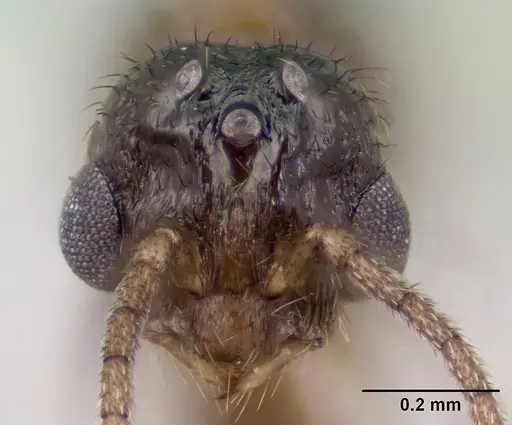
CASENT0143686
View on AntWeb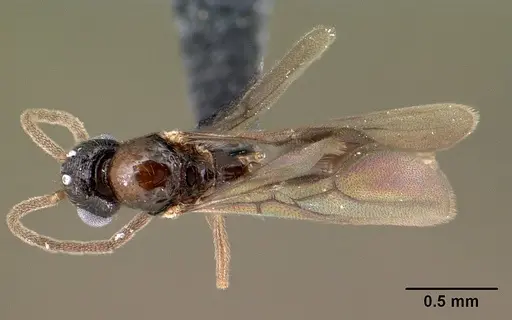
CASENT0143818
View on AntWeb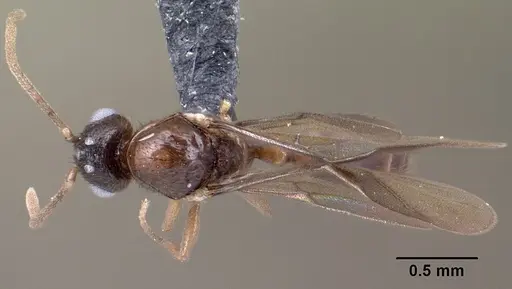
CASENT0145114
View on AntWeb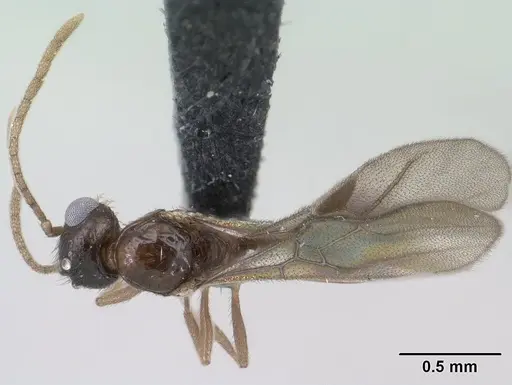
CASENT0235527
View on AntWeb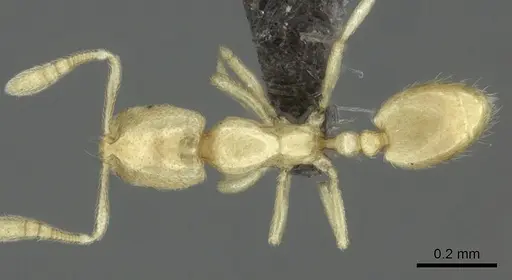
Literature
Loading...Loading products...