

Strumigenys xenos
- Scientific Name
- Strumigenys xenos
- Tribe
- Attini
- Subfamily
- Myrmicinae
- Author
- Brown, 1955
- Distribution
- Found in 2 countries
Strumigenys xenos Overview
Strumigenys xenos is an ant species of the genus Strumigenys. It is primarily documented in 2 countries , including Australia, New Zealand. Detailed taxonomic data and occurrence records can be further explored via authoritative databases such as AntWeb or the Global Biodiversity Information Facility (GBIF).
Strumigenys xenos
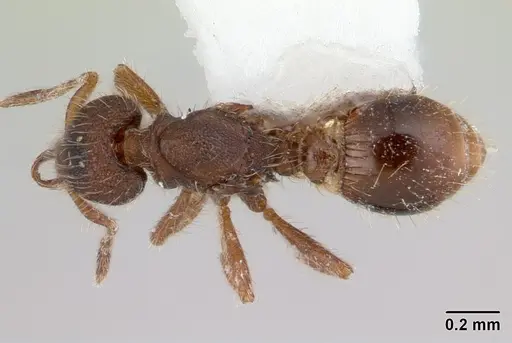
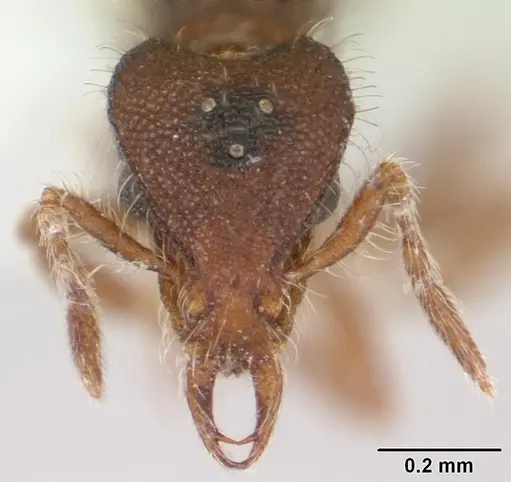
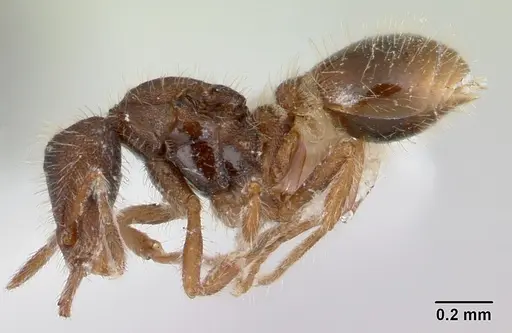
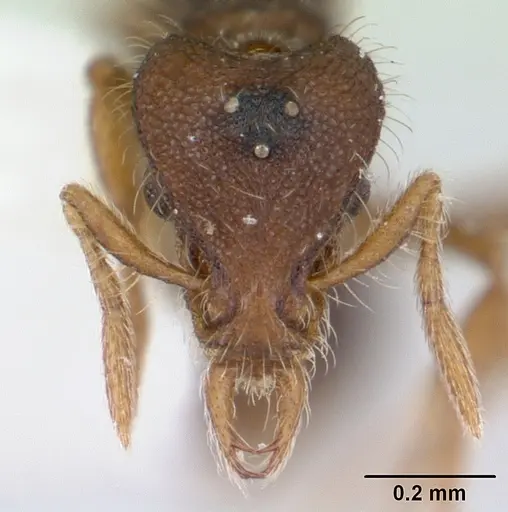
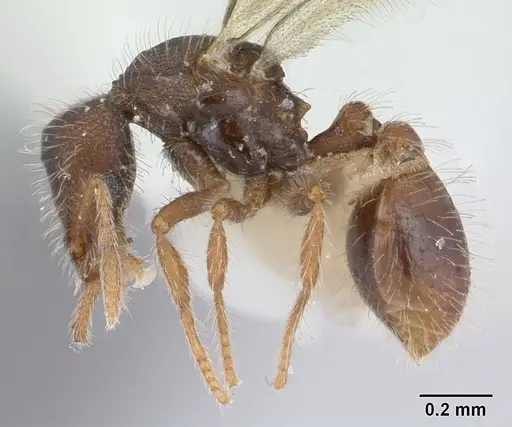
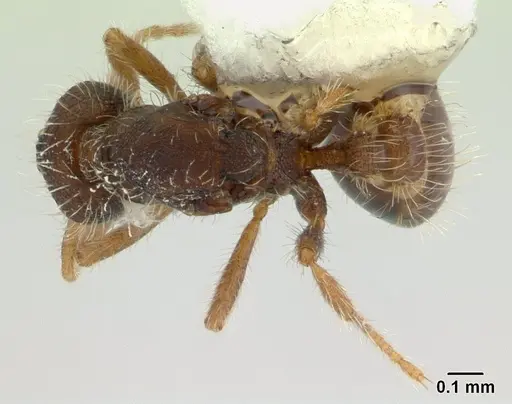
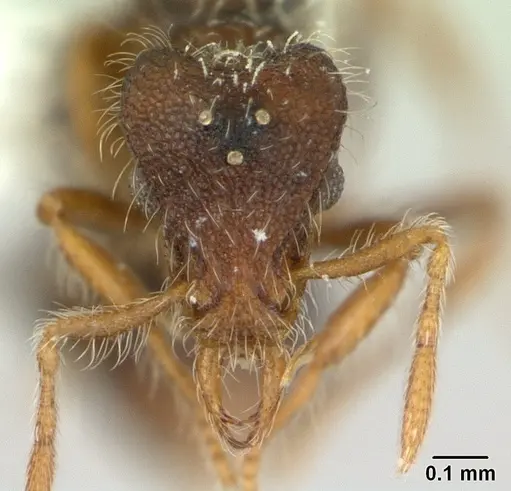
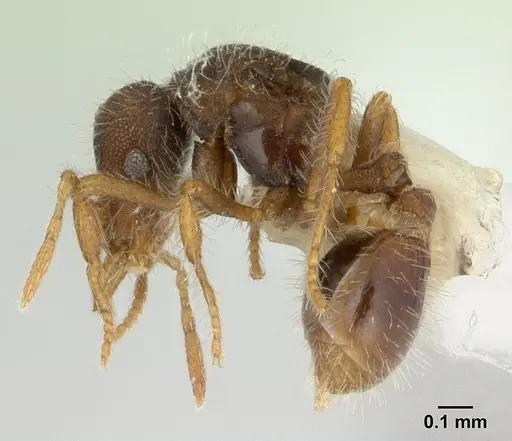
Strumigenys xenos is a tiny, pale ant measuring just 2-3mm in length. It belongs to the tribe Attini within the subfamily Myrmicinae and is known for its distinctive trap-jaw mandibles, though this species is unusual in being workerless [1]. The species was first described by Brown in 1955 as the first known social parasite in the ant tribe Dacetini [2]. This ant is pale in color and lacks the typical worker caste entirely, only queens exist in this species [3]. In its native range of Australia (New South Wales and Victoria), and as an introduced species in New Zealand and Lord Howe Island, S. xenos lives exclusively as an inquiline in the nests of its host species, Strumigenys perplexa [3][4]. The queen lives within the host colony and relies entirely on the host workers for her survival and the care of her brood.
Quick Summary
- Difficulty: Expert
- Origin & Habitat: Native to the Australian mainland (New South Wales and Victoria), with introduced populations in New Zealand and Lord Howe Island [5][6]. In nature, it nests within the nests of Strumigenys perplexa, typically found in rotting logs or under rocks [3].
- Colony Type: Social parasite (inquiline), workerless species. Only queens exist, they live permanently within host colonies of Strumigenys perplexa and cannot establish colonies independently [3].
- Queen: Socially parasitic
- Size & Growth:
- Queen: 2-3 mm (estimated based on genus Strumigenys typical size range)
- Worker: Workerless species, no workers exist
- Colony: Unknown for this species, dependent on host colony size
- Growth: Unknown
- Development: Unknown, development occurs within host colony (The parasite queen produces only alate reproductives (new queens and males). Brood development is entirely dependent on host workers.)
- Antkeeping:
- Temperature: Keep the host colony at 20-24°C, which is typical for Strumigenys species. This provides suitable conditions for both host and parasite [7].
- Humidity: Maintain moderate to high humidity, similar to Strumigenys perplexa requirements, these ants prefer damp forest floor conditions [7].
- Diapause: Unknown, likely similar to host species which may have reduced activity in cooler months
- Nesting: This species cannot be kept independently. It requires a established colony of its host, Strumigenys perplexa, to survive. The parasite queen lives within the host nest structure.
- Behavior: This is an extremely docile, non-aggressive species since it has no workers to defend itself. The queen spends most of her time within the host nest. Unlike typical ants, S. xenos queens cannot forage, hunt, or care for their own brood, they are entirely dependent on host workers. There is no sting risk given the tiny size and parasitic lifestyle. Escape risk is minimal since the queen remains within the host nest [7].
- Common Issues: This species cannot be kept as a standalone colony, it requires a host Strumigenys perplexa colony to survive, Obtaining both host and parasite colonies together is extremely difficult and rarely done, The parasite queen may be attacked or rejected by host workers if introduced improperly, Without proper host colony care, both host and parasite will die, This species is not suitable for typical antkeeping, it's a specialist species for advanced researchers
Understanding Strumigenys xenos
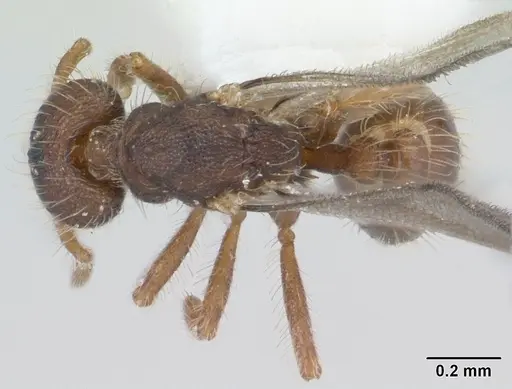
Strumigenys xenos is one of the most unusual ants in the world, it is a workerless social parasite, meaning this species has no workers at all. The only adult individuals are queens (which are also the reproductives) and males. This makes it fundamentally different from virtually every other ant species kept in captivity [2][3]. As an inquiline (a type of permanent social parasite), the queen lives entirely within the nest of another ant species, in this case, Strumigenys perplexa. She cannot survive on her own, cannot found a colony independently, and cannot care for her own brood. Instead, she relies entirely on the host workers to feed her, tend to her eggs, and raise her offspring [3]. This parasitic relationship is called inquilinism, where the parasite queen essentially becomes a guest in the host colony, using the host's resources without contributing anything in return. This is different from slave-making ants, which raid other colonies for workers, S. xenos simply lives off the hospitality of its host.
Housing and Keeping Requirements
Keeping Strumigenys xenos is not like keeping typical ants and is generally not recommended for hobbyist antkeepers. To keep this species, you would need to first establish a healthy colony of its host, Strumigenys perplexa, and then somehow introduce the parasite queen without the host workers killing her. This is an extremely delicate process that requires advanced knowledge of ant behavior and social parasite introduction techniques. The host colony needs standard Strumigenys care: a moist, naturalistic setup with small prey items (they are predators of tiny arthropods like springtails and mites). The entire setup must be kept at room temperature (around 20-24°C) with moderate to high humidity [7]. Even if you successfully introduce a S. xenos queen, there's no guarantee the host colony will accept her, and the parasite's presence may stress or weaken the host colony over time.
Feeding and Diet
Strumigenys xenos does not feed itself, it relies entirely on the host colony for nutrition. The host workers (Strumigenys perplexa) are predators that hunt small prey including springtails, mites, and other micro-arthropods. They feed their prey to the parasite queen through trophallaxis (mouth-to-mouth food sharing), essentially begging for food and then feeding it to the queen [7]. If you were to keep this species, you would actually be feeding the host colony, and the host workers would then share food with the parasite queen. The host diet consists primarily of small live prey, they are not interested in sugar sources or seeds like some other ant species. Feeding the host colony small live insects or arachnids 2-3 times per week is typical.
Distribution and Invasive Status
Strumigenys xenos is native to Australia, specifically New South Wales and Victoria. It has been introduced to New Zealand, where it is considered an established exotic species [5][8]. It was first recorded on Lord Howe Island in 2000 [6]. Despite being introduced to multiple locations, this species poses minimal ecological threat, risk assessments rank it as the lowest threat among introduced ant species in New Zealand, with a total score of just 1.2 out of possible points . This low threat rating is because the species is a specialized parasite that cannot establish populations without its specific host, Strumigenys perplexa. The parasite has never been recorded spreading beyond areas where its host already exists.
Legal and Ethical Considerations
Before attempting to keep Strumigenys xenos, you must check local regulations regarding ant keeping, particularly for introduced species. In New Zealand, where this species is introduced, there may be specific regulations about keeping native or exotic ant species. You should never release this or any ant species into the wild outside its native range, as even low-risk species can have unexpected ecological impacts. Additionally, because S. xenos requires a host colony to survive, collecting a parasite queen without the host would be pointless and would result in the queen's death. The best approach is to appreciate this fascinating species in the wild or through scientific observation rather than attempting to keep it in captivity.
Frequently Asked Questions
Can I keep Strumigenys xenos as a pet ant?
No, this species cannot be kept as a typical pet ant. Strumigenys xenos is a workerless social parasite that cannot survive without its host species, Strumigenys perplexa. Even if you obtained a queen, she would die within days without a host colony to feed and care for her. This is not a species for hobbyist antkeepers.
How do I keep Strumigenys xenos?
You would need to first establish a colony of its host, Strumigenys perplexa, and then carefully introduce the parasite queen. This is an extremely advanced procedure that most antkeepers cannot attempt successfully. The host colony must be well-established and the introduction must be done carefully to avoid the host workers killing the parasite. Even then, success is not guaranteed. This species is not recommended for captive keeping.
Does Strumigenys xenos have workers?
No, Strumigenys xenos is completely workerless, it is one of the few ant species in the world with no worker caste. Only queens (which serve as reproductives) and males exist. This is extremely rare among ants and makes S. xenos one of the most unusual ant species globally.
What does Strumigenys xenos eat?
Strumigenys xenos does not eat on its own, the host workers feed it. The host species, Strumigenys perplexa, is a predator that catches small arthropods like springtails and mites. The host workers then share food with the parasite queen through trophallaxis. If keeping both species, you would feed the host colony small live prey.
Where does Strumigenys xenos live?
In nature, Strumigenys xenos lives exclusively within the nests of its host species, Strumigenys perplexa. The host nests are typically found in rotting logs or under rocks in forested areas of Australia (New South Wales and Victoria). The parasite has also been introduced to New Zealand and Lord Howe Island.
Is Strumigenys xenos dangerous?
No, Strumigenys xenos is completely harmless to humans. It cannot bite, sting, or cause any damage. Even the host species (Strumigenys perplexa) is a tiny, harmless ant that poses no threat. Additionally, this species is so specialized and dependent on its host that it poses no ecological threat even where introduced.
How big do Strumigenys xenos colonies get?
Colony size is determined entirely by the host colony. Typically, only one S. xenos queen lives per host colony. The parasite queen produces new alate reproductives (new queens and males) that leave the nest during nuptial flights. The total number of reproductive offspring produced is likely small compared to typical ants, but exact numbers are unknown.
Do I need to hibernate Strumigenys xenos?
Diapause requirements for this species are unknown. However, since it lives within a host colony in temperate Australia and New Zealand, the host colony likely experiences reduced activity during cooler months. If keeping both species, you might reduce temperatures slightly in winter but not induce full hibernation.
References

This caresheet is licensed under CC BY-SA 4.0 .
Literature
Loading...Loading products...