

Strumigenys wrayi
- Scientific Name
- Strumigenys wrayi
- Tribe
- Attini
- Subfamily
- Myrmicinae
- Author
- Brown, 1950
- Distribution
- Found in 1 countries
Strumigenys wrayi Overview
Strumigenys wrayi is an ant species of the genus Strumigenys. It is primarily documented in 1 countries , including United States of America. Detailed taxonomic data and occurrence records can be further explored via authoritative databases such as AntWeb or the Global Biodiversity Information Facility (GBIF).
Strumigenys wrayi
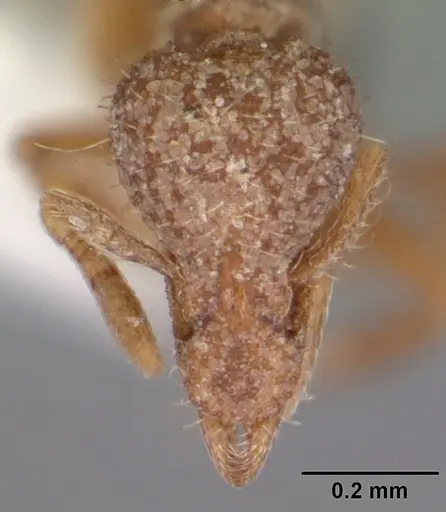
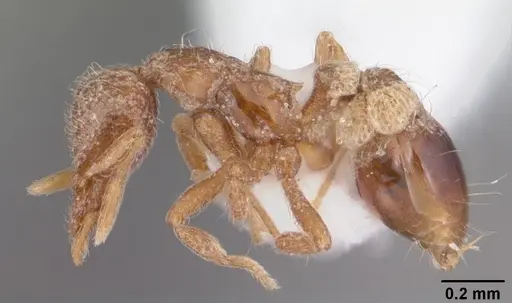
Strumigenys wrayi is a tiny predatory ant native to the southeastern United States. Workers measure approximately 2-3mm and are easily recognized by their distinctive trap-jaw mandibles, specialized spring-loaded jaws that can snap shut at incredible speeds to capture prey [1]. These ants have a pale to amber coloration and fine body sculpturing. The genus Strumigenys is known for its highly specialized predatory behavior, targeting primarily springtails and other micro-arthropods in their natural habitat. This species has been documented in Alabama, specifically in Monroe County, placing it within the Nearctic faunal region [2][3].
Quick Summary
- Difficulty: Hard
- Origin & Habitat: Southeastern United States (Alabama). In nature, these ants inhabit moist forest floor environments where they hunt among leaf litter and decaying wood. They prefer damp, shaded microhabitats typical of hardwood forests.
- Colony Type: Likely single-queen colonies based on typical genus patterns. Colony size remains relatively small compared to many other ant genera.
- Colony: Monogyne
- Founding: Claustral
- Size & Growth:
- Queen: Approximately 3-4mm (estimated based on genus patterns)
- Worker: Approximately 2-3mm [1]
- Colony: Likely under 500 workers based on typical genus behavior
- Growth: Slow
- Development: Estimated 8-12 weeks at optimal temperature based on related species patterns (Development is slow for this genus, expect patience during the founding phase. Temperature affects development significantly.)
- Antkeeping:
- Temperature: Keep nest area around 20-24°C. Slightly cooler than room temperature is ideal, as they naturally inhabit shaded forest floor environments. A gentle temperature gradient allows ants to self-regulate.
- Humidity: High humidity is essential, these ants naturally live in moist leaf litter. Keep the nest substrate consistently damp but not waterlogged. Think damp forest floor conditions.
- Diapause: Yes, these are temperate species that benefit from a winter rest period. Reduce temperature to around 10-15°C for 2-3 months during winter.
- Nesting: Y-tong (AAC) nests or plaster nests work well. They prefer tight, humid chambers scaled to their tiny size. Avoid dry or overly ventilated setups.
- Behavior: These ants are specialized predators and are completely non-aggressive toward humans, they cannot sting and pose no danger. Their trap-jaw mechanism is used exclusively for hunting tiny prey. Workers are shy and will flee rather than engage. Escape prevention is critical due to their very small size, they can squeeze through standard test tube barriers. They are slow-moving but their mandibles can deliver a noticeable pinch if handled roughly.
- Common Issues: escape prevention is critical, their tiny size means they can slip through standard barriers, colonies grow slowly and beginners may lose patience, specialized diet makes them challenging, they need live micro-prey, wild-caught colonies may carry parasites that can devastate captive populations, humidity control is tricky, too dry kills them, too wet causes mold
Housing and Nest Setup
Strumigenys wrayi requires careful attention to nest design due to their tiny size and humidity needs. Y-tong (acrylic) nests or plaster nests work best because they hold humidity well while allowing you to observe the colony. The chambers should be small and tight-fitting, these ants feel secure in snug spaces. Avoid naturalistic setups with large open areas as they may become stressed. Test tubes can work for founding colonies but monitor water levels carefully as these ants are sensitive to flooding. Escape prevention is absolutely critical, use fine mesh barriers and check all connections regularly. A water reservoir connected to the nest helps maintain humidity without frequent misting. [1][2]
Feeding and Diet
These are specialized predators that require live prey. Their primary food in captivity should be live springtails, these are the ideal size and nutritional profile for Strumigenys. Other small live prey like micro-arthropods, fruit fly larvae, and tiny isopods may also be accepted. Do not rely on sugar water or honey, these ants are predatory and typically ignore carbohydrate sources. Feed small prey items 2-3 times per week, adjusting based on colony size and consumption rate. Remove uneaten prey promptly to prevent mold. A well-fed colony will have workers with distended abdomens, this is normal and indicates good nutrition.
Temperature and Seasonal Care
Maintain nest temperatures between 20-24°C. These ants naturally inhabit cool, shaded forest floor environments so they do not tolerate heat well. Avoid placing the nest near direct sunlight or heat sources. During winter months, provide a diapause period by reducing temperatures to 10-15°C for 2-3 months. This mimics their natural seasonal cycle and supports colony health. Do not feed during diapause, the colony will be largely inactive. Gradually return to normal temperatures in spring to trigger renewed activity and brood development. Temperature stability is more important than exact values, avoid frequent fluctuations. [3]
Behavior and Handling
Strumigenys wrayi is completely harmless to keepers. They have no sting and their trap-jaw mandibles are too small to penetrate human skin. Workers are shy and secretive, spending most of their time in the nest or hunting in the outworld. They are not aggressive and will not defend their colony aggressively. When threatened, they simply flee rather than attack. This makes them fascinating to observe but not particularly interactive. Their hunting behavior is the main entertainment, watching them locate and snap their mandibles at springtails is remarkable. They are slow-moving compared to many ants and do not climb well on smooth surfaces, which actually helps with escape prevention.
Colony Founding and Growth
Founding colonies require patience. A newly mated queen will seal herself in a small chamber and lay eggs without leaving to forage, this is claustral founding based on genus patterns. She will not eat during this time and relies entirely on stored fat reserves. The first workers (nanitics) will be very small and may take 8-12 weeks to emerge. Do not disturb the queen during founding, stress can cause her to abandon or eat her brood. After workers emerge, the colony grows slowly. Expect several months before you see significant numbers. Maximum colony size is likely under 500 workers. Growth rate depends heavily on temperature and food availability, optimal conditions can speed development somewhat.
Frequently Asked Questions
Can I keep Strumigenys wrayi in a test tube?
Yes, test tubes work for founding colonies and small colonies. Use a small test tube with a cotton-plugged water end. Monitor humidity closely, these ants need consistent moisture but test tubes can flood if the water reservoir is too large. Consider moving to a Y-tong or plaster nest as the colony grows.
What do Strumigenys wrayi ants eat?
They eat live springtails and other tiny micro-arthropods. This is not optional, they are specialized predators that require live prey. Offer springtails 2-3 times per week. Other small live prey like micro-arthropods and fruit fly larvae may be accepted. Sugar water is typically ignored.
How long until first workers appear?
Expect 8-12 weeks from egg to first worker at optimal temperature (around 22°C). This is slow compared to many ants. Patience is essential, do not disturb the queen during founding as stress can cause her to abandon her brood.
Are Strumigenys wrayi good for beginners?
No, this species is not recommended for beginners. Their specialized diet (live springtails required), high humidity needs, slow growth, and tiny size make them challenging. They are best suited for keepers with some experience maintaining humid conditions and culturing live prey.
Do Strumigenys wrayi need hibernation?
Yes, they benefit from a winter diapause. Reduce temperatures to 10-15°C for 2-3 months during winter. Stop feeding during this period. This mimics their natural seasonal cycle in the southeastern US and supports long-term colony health.
Why are my Strumigenys wrayi dying?
Common causes include: too dry conditions (they need high humidity), wrong food (they need live springtails, not sugar), escape (check all barriers), stress from disturbance during founding, or parasites from wild-caught colonies. Review each of these factors and adjust husbandry accordingly.
When should I move my colony to a formicarium?
Move to a Y-tong or plaster nest when the colony reaches 20-30 workers or when the test tube becomes cramped. These nests hold humidity better and allow observation. Make sure the new nest has appropriately sized chambers, too large can stress the colony.
How big do Strumigenys wrayi colonies get?
Colony size remains relatively small, likely under 500 workers at maturity. This is typical for the genus. They are not large colony formers like some other ant species.
Can I keep multiple queens together?
Combining unrelated queens is not recommended and has not been documented for this species. Based on typical genus behavior, they are likely single-queen colonies. Keep only one queen per colony.
References

This caresheet is licensed under CC BY-SA 4.0 .
CASENT0104491
View on AntWeb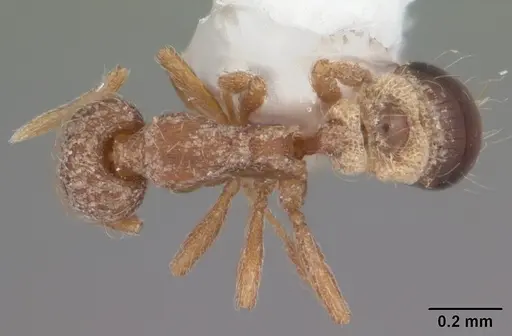
Literature
Loading...Loading products...