

Strumigenys wheeleriana
- Scientific Name
- Strumigenys wheeleriana
- Tribe
- Attini
- Subfamily
- Myrmicinae
- Author
- Baroni Urbani, 2007
- Distribution
- Found in 2 countries
Strumigenys wheeleriana Overview
Strumigenys wheeleriana is an ant species of the genus Strumigenys. It is primarily documented in 2 countries , including Costa Rica, Nicaragua. Detailed taxonomic data and occurrence records can be further explored via authoritative databases such as AntWeb or the Global Biodiversity Information Facility (GBIF).
Strumigenys wheeleriana
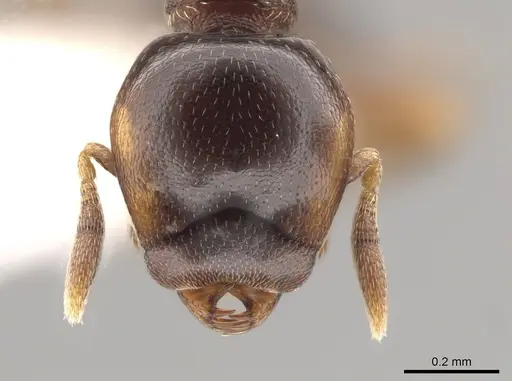
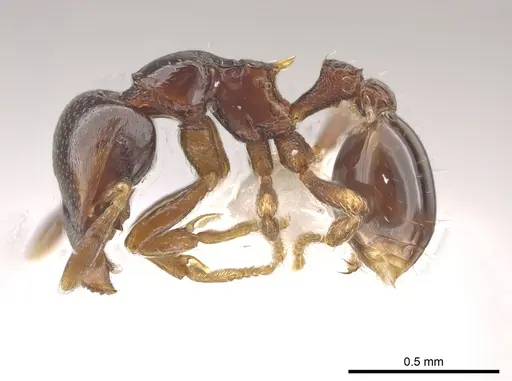
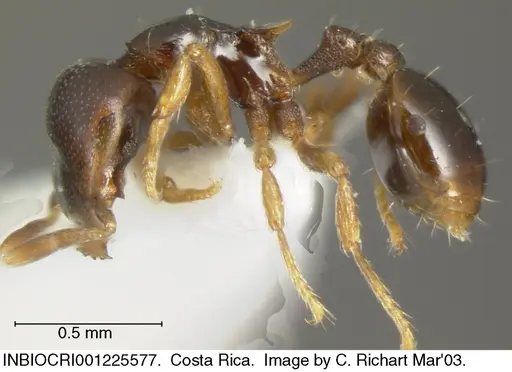
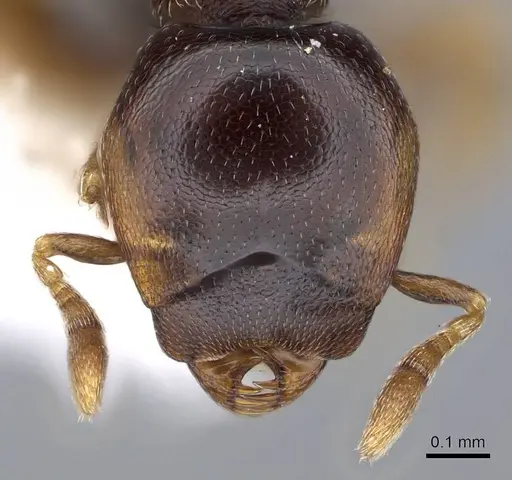
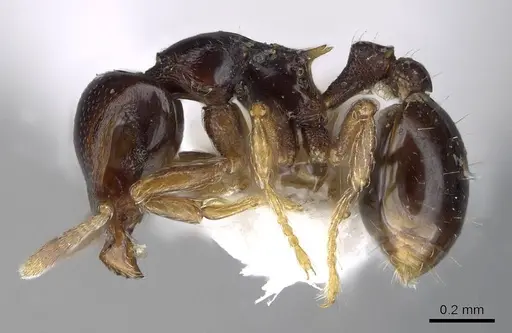
Strumigenys wheelerianaana is a tiny predatory ant native to Central and South American rainforests. Workers measure just 1.8-2.2mm and are dark brown to black in color. They have distinctive short, downward-curving mandibles that work like trap-jaws, adapted for capturing small prey. The antennae have 6 segments, and the head has smooth, shining antennal scrobes. These ants inhabit the forest floor of lowland rainforest, living in sifted litter and soil cores [1]. They are specialized predators that hunt micro-arthropods like springtails and mites, using their unique mandible structure to capture prey efficiently.
Quick Summary
- Difficulty: Hard
- Origin & Habitat: Lowland rainforest of Central and South America, Panama, Costa Rica, Colombia (Antioquia and Chocó), Honduras, and Venezuela [1][2]. They live in the forest floor litter layer where humidity is constantly high.
- Colony Type: Likely single-queen colonies based on typical Strumigenys behavior, though colony structure has not been specifically documented for this species.
- Size & Growth:
- Queen: Unconfirmed, queen has not been described in detail
- Worker: 1.8-2.2mm
- Colony: Likely small colonies of under 100 workers based on typical Strumigenys colony sizes
- Growth: Slow, small colonies grow gradually
- Development: Estimated 6-10 weeks based on typical Strumigenys development patterns (Development timeline is unconfirmed for this specific species, estimates based on genus-level data for small Myrmicinae in tropical conditions)
- Antkeeping:
- Temperature: Keep at 24-28°C, these are tropical ants requiring warm, stable conditions [1]. A heating cable on one side of the nest can create a gentle gradient.
- Humidity: High humidity is essential, think damp forest floor. Keep the nest substrate consistently moist but not waterlogged. Provide a water tube for drinking access.
- Diapause: No, as tropical ants they do not require hibernation. Maintain warm conditions year-round.
- Nesting: Accept test tubes with cotton and a water reservoir, or small acrylic/plaster nests. The key is maintaining high humidity while preventing escapes. Tight-fitting lids are essential due to their tiny 2mm size.
- Behavior: These ants are docile and non-aggressive. They are specialized predators that hunt small live prey, primarily springtails, mites, and other micro-arthropods. They do not seek sugar or honeydew. Workers forage individually through the substrate. Escape prevention is critical due to their very small size, they can squeeze through the tiniest gaps. They are not known to sting.
- Common Issues: escape prevention is critical, they are tiny enough to squeeze through standard barrier gaps, specialized diet means they need live small prey (springtails), they won't accept dead insects or sugar, high humidity requirements can lead to mold if ventilation is poor, slow growth can lead to keeper impatience and overfeeding, wild-caught colonies may have parasites that kill them in captivity
Housing and Escape Prevention
Strumigenys wheelerianaana requires excellent escape prevention due to its tiny 1.8-2.2mm worker size. Standard test tube setups work well, but you must use fluon or other barrier methods on the edges of any opening. These ants will escape through gaps that other species cannot fit through. A test tube setup with a cotton plug and water reservoir maintains humidity while providing drinking water. Foraging areas should be small and contained. Because they are so small, even a 1mm gap is an escape route. Consider using a small outworld container with smooth walls and a secure lid. Some keepers use petroleum jelly barriers on test tube rims, though this needs reapplication. The nest area should be kept dark, these forest floor ants prefer dim conditions and will be more active in shaded setups. [2]
Feeding and Diet
This species is a specialized predator that requires live small prey. In the wild, they hunt micro-arthropods like springtails, mites, and other tiny invertebrates found in forest floor litter [1]. In captivity, their primary food should be live springtails (Folsomia candida or similar). They will not accept dead insects, sugar water, or honey, their mandibles are specialized for capturing small, live prey that they can handle. Other acceptable foods may include tiny house mites, booklice (psocids), and fruit flies. Feed small prey items every 2-3 days, adjusting based on colony size and consumption. A colony of 10-20 workers will only need a few springtails per feeding. Remove uneaten prey to prevent mold. Do not attempt to feed them larger insects, they simply cannot handle prey that is too big.
Temperature and Humidity
As tropical rainforest floor inhabitants, these ants require warm and humid conditions. Maintain temperatures between 24-28°C, this range supports normal activity and likely supports brood development. Temperatures below 22°C may reduce activity and slow any colony growth. Use a heating cable on one side of the nest to create a gentle thermal gradient if your room temperature is below this range. Place the heating element on top of the nest, not underneath, to avoid drying out the substrate. Humidity is critical, aim for 70-85% relative humidity in the nest area. The substrate should feel consistently damp but never waterlogged. A water tube provides drinking access and helps maintain humidity through evaporation. Avoid placing the setup near air conditioning or heating vents that could cause rapid drying. [1][2]
Colony Behavior and Activity
Strumigenys are solitary foragers, workers hunt individually rather than in groups. They use their short, trap-like mandibles to capture prey items, stabbing and holding small arthropods. Workers are not aggressive toward humans and cannot sting. They are docile and will retreat rather than confront threats. Colonies are likely small, probably under 100 workers even in mature colonies. This is typical for the genus, they invest heavily in each individual rather than producing massive worker numbers. Workers are most active at night and in dim conditions, reflecting their natural forest floor habitat. They will explore their outworld but stay close to the nest. Do not expect the visible activity levels seen in larger ant species, these are subtle, quiet hunters. [1]
Growth and Development
Colony growth is slow. A newly established colony may take many months to produce its first nanitic workers, and reaching 20-30 workers can take a year or more. This slow growth rate is typical for small predatory ants that invest heavily in each individual. The queen (if you obtain a colony with a queen) will lay small numbers of eggs at a time. Larvae develop on a diet of small prey items brought by workers. There is no specific data on egg-to-worker development time for this species, but based on related Strumigenys species, expect 6-10 weeks at optimal temperature. Patience is essential with this species, do not overfeed or disturb the colony in an attempt to speed growth. The first workers (nanitics) will be very small and may be difficult to spot. Once established, colonies can persist for several years with proper care.
Frequently Asked Questions
Can I keep Strumigenys wheeleriana in a test tube?
Yes, test tubes work well for this species. Use a small test tube with a water reservoir and cotton plug. The critical requirement is excellent escape prevention, these tiny ants will escape through gaps that larger species cannot fit through. Apply fluon or another barrier to any potential escape routes.
What do Strumigenys wheeleriana ants eat?
They are specialized predators that need live small prey. Feed them live springtails as their primary food. They will not accept dead insects, sugar water, or honey. Other acceptable foods include tiny mites, booklice, and fruit flies. Their short, curved mandibles are designed for capturing small, live arthropods.
How long until first workers in Strumigenys wheeleriana?
The exact timeline is unconfirmed, but based on related Strumigenys species, expect 6-10 weeks from egg to worker at optimal temperature (24-28°C). Colony growth is slow, these are small colonies that develop gradually over many months.
Are Strumigenys wheeleriana good for beginners?
No, this species is not recommended for beginners. They have very specialized dietary requirements (live small prey only), require high humidity, tiny size makes escape prevention challenging, and growth is slow. They are best suited for experienced antkeepers who can provide the specific conditions they need.
How big do Strumigenys wheeleriana colonies get?
Colony size is likely small, probably under 100 workers even in mature colonies. This is typical for the Strumigenys genus, which produces fewer but more specialized workers rather than large worker populations.
Do Strumigenys wheeleriana need hibernation?
No, they do not require hibernation. As tropical ants from Central and South American rainforests, they need warm conditions year-round. Maintain temperatures between 24-28°C throughout the year.
Why are my Strumigenys wheeleriana dying?
Common causes include: escape through tiny gaps (check your barriers), starvation due to lack of live small prey, low humidity causing desiccation, temperatures below 22°C, or parasites from wild-caught colonies. Review each of these factors and adjust husbandry accordingly.
When to move to a formicarium?
Test tubes are actually the ideal long-term housing for this species due to their small colony size and humidity needs. A formicarium is not necessary and may cause more problems than it solves. If you do move them, use a small acrylic or plaster nest with tight chambers sized appropriately for tiny ants.
Can I keep multiple queens together?
Combining unrelated queens has not been documented for this species and is not recommended. Strumigenys are typically single-queen colonies. If you obtain multiple foundresses, house them separately.
References

This caresheet is licensed under CC BY-SA 4.0 .
CASENT0178625
View on AntWeb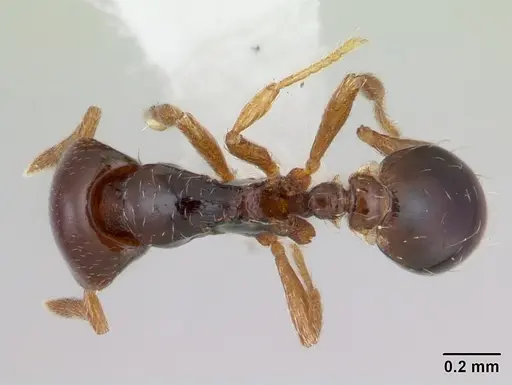
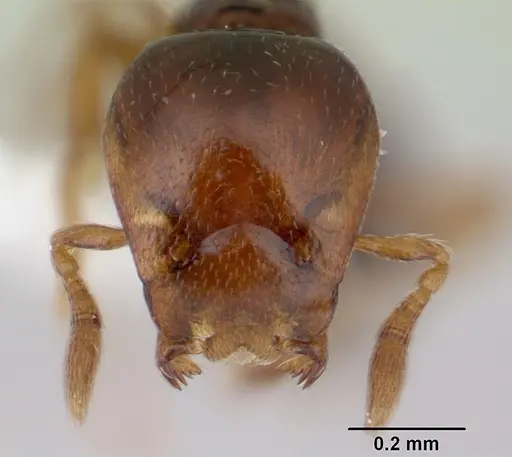
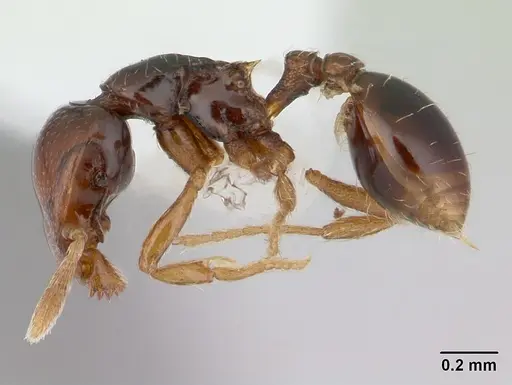
CASENT0623892
View on AntWeb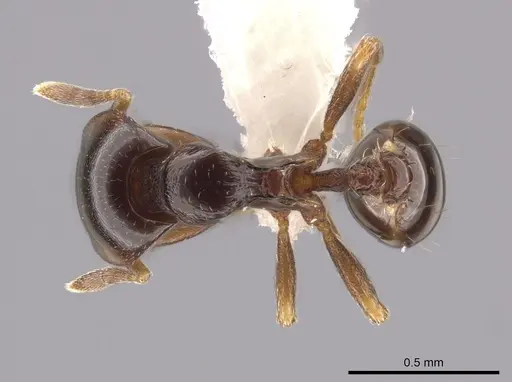
INBIOCRI001225577
View on AntWeb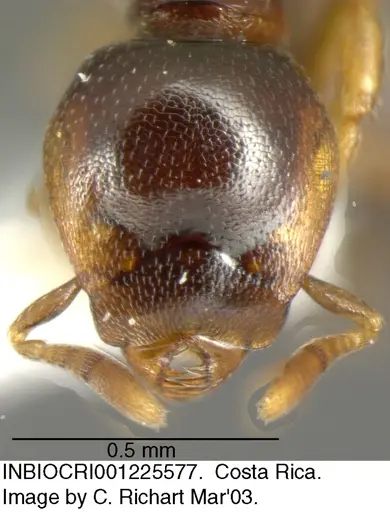
INBIOCRI001237658
View on AntWeb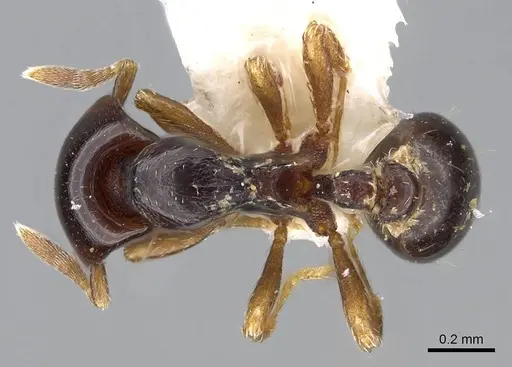
Literature
Loading...Loading products...