

Strumigenys trudifera
- Scientific Name
- Strumigenys trudifera
- Tribe
- Attini
- Subfamily
- Myrmicinae
- Author
- Kempf & Brown, 1969
- Distribution
- Found in 5 countries
Strumigenys trudifera Overview
Strumigenys trudifera is an ant species of the genus Strumigenys. It is primarily documented in 5 countries , including Brazil, Colombia, French Guiana. Detailed taxonomic data and occurrence records can be further explored via authoritative databases such as AntWeb or the Global Biodiversity Information Facility (GBIF).
Strumigenys trudifera
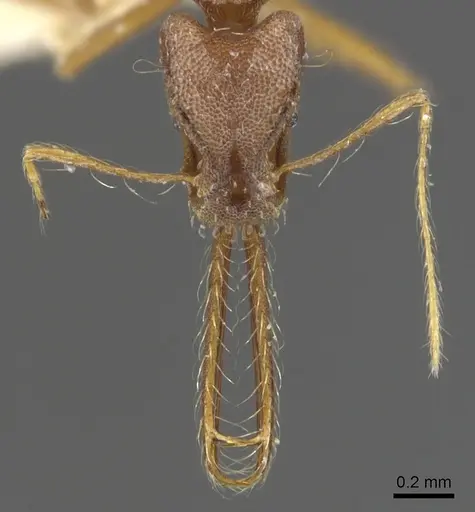
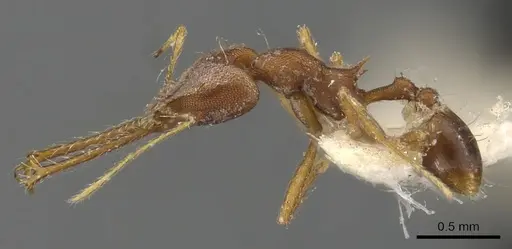
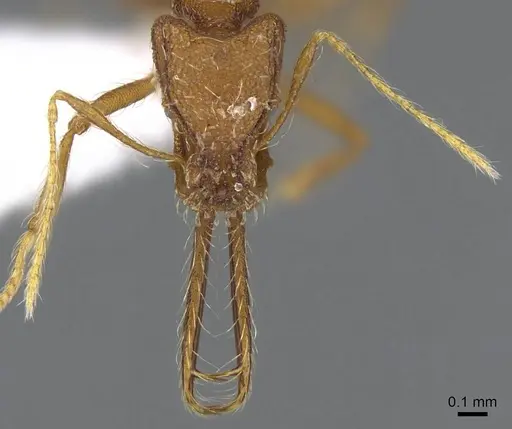
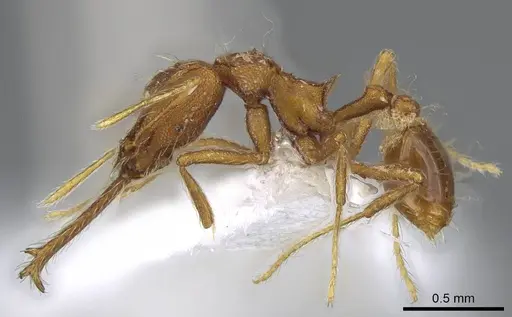
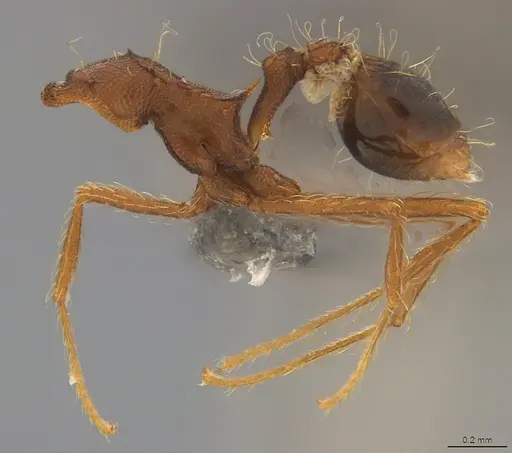
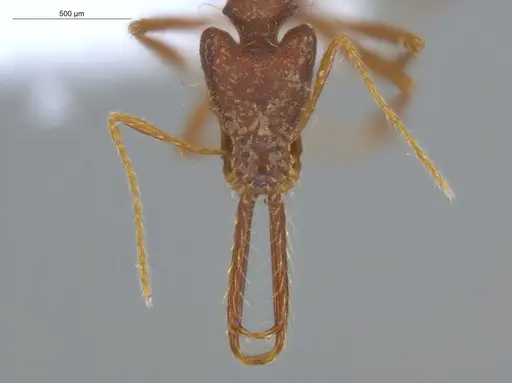
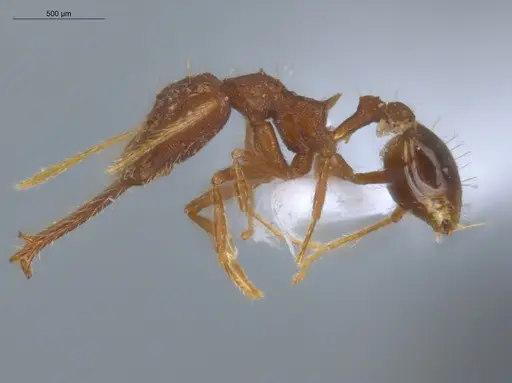
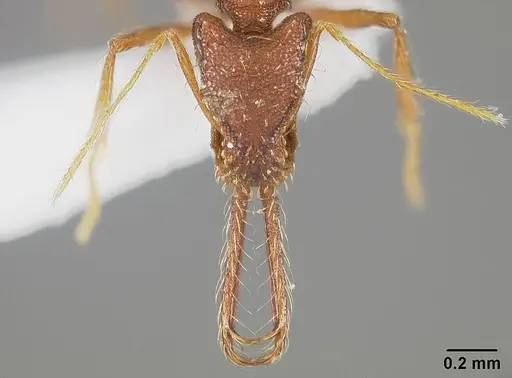
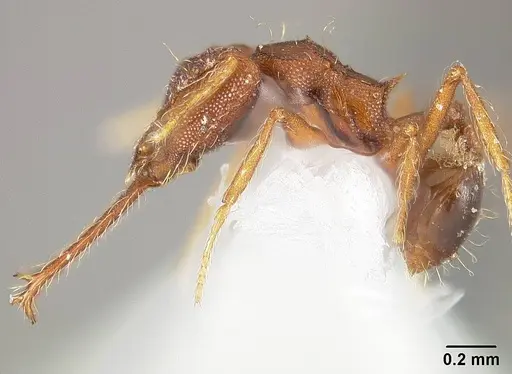
Strumigenys trudifera is a tiny predatory ant measuring just 3.0-3.4mm in total length, belonging to the Dacetini tribe within Myrmicinae [1]. This species features remarkably long, slender mandibles with a mandibular index exceeding 100,giving it a distinctive appearance among leaf-litter ants [2]. Workers have a pale to light brown coloration and possess specialized hair structures on their scape (antenna) that curve toward the base [1]. The species was first described from specimens collected in leaf litter samples from degraded rainforest near Belém, Pará, Brazil, and has since been recorded across the Amazon basin in Brazil, Colombia, Ecuador, French Guiana, Venezuela, and Peru [3][4][5]. As a member of the Strumigenys trudifera group, this ant is part of a lineage of specialized micro-predators that hunt small arthropods in the forest floor litter layer.
Quick Summary
- Difficulty: Expert
- Origin & Habitat: Native to the Amazon basin and surrounding regions of northern South America, including Brazil, Colombia, Ecuador, French Guiana, Venezuela, and Peru. Inhabits leaf litter in tropical rainforests, both primary and degraded forest areas, where it forages in the dark, humid micro-environment beneath the forest floor [3][6].
- Colony Type: Colony structure is not well documented in scientific literature. Based on related Strumigenys species, colonies are likely small with a single queen (monogyne), though this requires confirmation for this specific species.
- Colony: Monogyne
- Founding: Claustral
- Size & Growth:
- Queen: Not specifically measured in available literature, queens were described but measurements not provided in accessible sources
- Worker: 3.0-3.4mm total length [1]
- Colony: Likely small, Strumigenys colonies typically number in the tens to low hundreds of workers based on genus patterns
- Growth: Slow, Dacetini ants have extended development times due to their specialized predatory lifestyle
- Development: Estimated 8-12 weeks at optimal tropical temperatures (25-28°C) based on genus-level data for related Dacetini species (Development times are not specifically documented for this species, estimates based on typical Strumigenys patterns)
- Antkeeping:
- Temperature: Requires warm, stable conditions typical of tropical rainforest floor. Maintain 24-28°C with minimal fluctuations. A gentle heating gradient allows ants to regulate their temperature [7].
- Humidity: High humidity is essential, these ants live in leaf litter where moisture is constantly high. Keep the nest substrate consistently moist but not waterlogged. Aim for 70-85% relative humidity with good ventilation to prevent mold [7].
- Diapause: No true diapause, as a tropical species, they do not require hibernation. However, slight temperature reductions during cooler months may slow activity, which is normal [7].
- Nesting: Prefers naturalistic setups that replicate the humid leaf-litter environment. Small acrylic nests, plaster nests, or soil-based setups with multiple chambers work well. Provide a deep layer of moist substrate (coco fiber, peat, or a mix) for them to create tunnels. The nest should have tight-fitting barriers as these tiny ants can escape through very small gaps [7].
- Behavior: Strumigenys trudifera is a specialized predator that uses its extremely long mandibles to capture small prey, primarily springtails and other micro-arthropods found in leaf litter [1]. Workers forage individually in the dark, humid spaces beneath leaf litter and within the soil. They are not aggressive toward larger animals and pose no threat to humans. The species is shy and will flee rather than engage when disturbed. Escape prevention is critical due to their tiny size, they can squeeze through gaps that would hold larger ants. Workers are slow-moving compared to many ants and spend most of their time hunting in the substrate [7].
- Common Issues: escape prevention is critical, their tiny size allows them to squeeze through standard barrier gaps, requires live prey, they will not accept dead food or sugar sources, slow colony growth can frustrate keepers expecting rapid development, high humidity requirements can lead to mold problems if ventilation is inadequate, wild-caught colonies may arrive with parasites or fail to adapt to captive conditions
Housing and Setup
Strumigenys trudifera requires a setup that replicates the humid, dark leaf-litter environment where they naturally live. A naturalistic terrarium-style setup works best, use a small container filled with a moist substrate mixture (coco fiber, peat, and small pieces of dead leaves) at least 5-7cm deep. This allows the ants to create their own tunnels and chambers. Alternatively, a small acrylic nest with narrow chambers filled with moist soil can work, but ensure the chambers are appropriately sized for their tiny bodies. Regardless of setup, escape prevention must be excellent, these ants are extremely small and can escape through gaps as narrow as 0.5mm. Apply fluon or use fine mesh on all openings. Provide a small outworld area for feeding, but keep it simple as these ants rarely venture far from their nest galleries [7].
Feeding and Diet
This is the most critical aspect of keeping Strumigenys trudifera successfully. As specialist predators in the Dacetini tribe, they require live prey, primarily springtails (Collembola), which are their natural prey in the wild. Other small live micro-arthropods such as tiny mites, booklice (psocids), and small fruit fly larvae may also be accepted. They will NOT accept dead prey, honey, sugar water, or other conventional ant foods. Feed small amounts of live springtails every 2-3 days, removing any uneaten prey after 24 hours to prevent mold. The feeding area should be kept within the nest or very close to it, as these shy ants rarely travel far to forage. Do not overfeed, excess prey can die and cause mold problems in the humid environment they require [7].
Temperature and Humidity Management
Strumigenys trudifera requires warm, humid conditions year-round. Maintain temperatures between 24-28°C, with a slight gradient if possible so workers can choose their preferred microclimate. A small heating mat placed on one side of the nest can help maintain warmth, but never place it directly on the nest as overheating can kill the colony quickly. Humidity should be kept high, the substrate should feel consistently moist but never waterlogged. Mist the setup lightly every few days or use a water reservoir connected to the nest to maintain moisture. Good ventilation is essential to prevent mold growth, but avoid excessive airflow that would dry out the nest. A balance of humidity and fresh air is key, think of a tropical forest floor that is damp but not stagnant [7].
Colony Founding and Growth
Newly mated queens likely establish colonies in small chambers within the leaf litter, similar to other Strumigenys species. The claustral queen seals herself in and rears the first brood on stored fat reserves until nanitic (first) workers emerge. Initial colony growth is slow, the first few workers may take 2-3 months to emerge, and the colony will remain small for the first year. Even established colonies grow slowly compared to many common ant species, typically reaching 50-100 workers over 1-2 years under good conditions. This slow growth is normal for specialist predators and should not be interpreted as a problem. Patience is essential when keeping this species. Queens may live several years, and colonies can eventually reach several hundred workers with proper care [7].
Behavior and Observation
Strumigenys trudifera workers are shy, slow-moving predators that spend most of their time hunting through the substrate rather than visible on the surface. Their extremely long mandibles are specialized for catching small, fast-moving prey like springtails, they use a rapid snap mechanism similar to a bear trap. You will rarely see dramatic foraging expeditions or territorial behavior. Instead, observe subtle activity as workers patrol their tunnels and capture prey. They are not defensive and will not sting, in fact, they have no functional stinger as they belong to the Myrmicinae subfamily which has reduced stingers. The main behavior you'll observe is quiet, methodical hunting within the nest galleries. This makes them fascinating to observe for patient keepers who enjoy watching specialized predatory behavior, but less engaging for those expecting active, visible colonies [7].
Frequently Asked Questions
Can I keep Strumigenys trudifera in a test tube?
Test tubes are not ideal for this species. They require a deep, humid substrate to hunt and create tunnels in, which test tubes cannot provide. A naturalistic setup with moist soil or a small acrylic nest with soil chambers is much better. However, a test tube with a water reservoir can work as a temporary holding container for founding queens or very small colonies, but they should be moved to a proper setup once workers emerge.
What do Strumigenys trudifera ants eat?
They eat ONLY live prey, primarily springtails (Collembola). This is non-negotiable, they will not accept dead insects, honey, sugar water, or any other conventional ant foods. Their long mandibles are specialized for catching tiny, fast-moving micro-arthropods. Offer small live springtails every 2-3 days. Other small live prey like tiny mites may be accepted experimentally.
How long does it take for the first workers to emerge?
Based on typical Strumigenys development, expect 8-12 weeks from egg to first worker at optimal temperatures (24-28°C). This is a slow process compared to many common ants. The claustral queen seals herself in and raises the first brood alone. Do not disturb the founding chamber during this time. After workers emerge, growth remains slow, expect many months before the colony reaches even 20 workers.
Are Strumigenys trudifera ants good for beginners?
No. This species is considered expert-level due to several challenging requirements: they need live prey (springtails) which must be cultured and maintained, they require very high humidity without mold problems, they are extremely small and prone to escaping, and they grow very slowly. Beginners should start with more forgiving species like Lasius, Camponotus, or Tetramorium before attempting Strumigenys.
Why are my Strumigenys trudifera dying?
The most common causes of colony failure are: lack of live springtails (they will starve without proper prey), incorrect humidity (too dry causes desiccation, too wet causes mold), temperature issues (too cold slows activity and can kill brood), and escape (their tiny size allows them to slip through standard barriers). Check that you are providing live springtails regularly, the substrate is moist but not waterlogged, temperatures are stable at 24-28°C, and all openings are sealed with fine mesh or fluon.
Do Strumigenys trudifera need hibernation?
No. As a tropical species from the Amazon basin, they do not require hibernation or any cooling period. Maintain warm temperatures year-round (24-28°C). Slight seasonal temperature variations in a room-temperature environment are fine, but do not deliberately cool the colony or attempt hibernation.
How big do Strumigenys trudifera colonies get?
Based on typical Strumigenys colony sizes, expect a maximum of 100-300 workers over several years. They are not large colony formers like some Myrmicinae. Growth is slow, a well-established colony after 2-3 years might have 50-100 workers. This is normal for specialist predators that invest heavily in each individual.
When should I move Strumigenys trudifera to a formicarium?
Ideally, establish the founding queen in a naturalistic setup from the beginning rather than moving later. If you must start in a test tube, transfer to a proper setup once the colony has 10-15 workers and you see them actively foraging. Use caution during transfer, these tiny ants escape easily. Have the new setup prepared and ready before opening the old container.
Can I keep multiple Strumigenys trudifera queens together?
This has not been documented for this specific species. Based on typical Strumigenys behavior, they are likely monogyne (single queen per colony). Combining unrelated queens is not recommended and would likely result in fighting. If you obtain multiple founding queens, house them separately.
What is the best nest type for Strumigenys trudifera?
A naturalistic setup with a deep, moist soil substrate works best. Fill a small terrarium or container with 5-7cm of moist coco fiber, peat, or a soil mix. Add small leaf litter pieces on top. This replicates their natural leaf-litter environment and allows them to create their own tunnels. Alternatively, small acrylic nests designed for small Myrmicinae can work if filled with moist substrate and kept humid.
References

This caresheet is licensed under CC BY-SA 4.0 .
CASENT0900440
View on AntWeb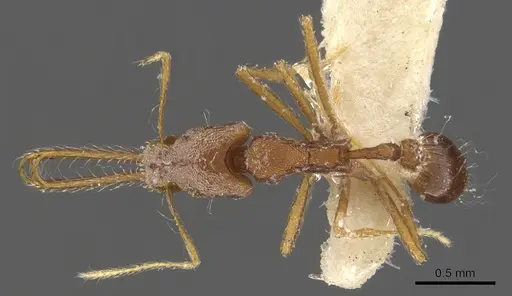
CASENT0914756
View on AntWeb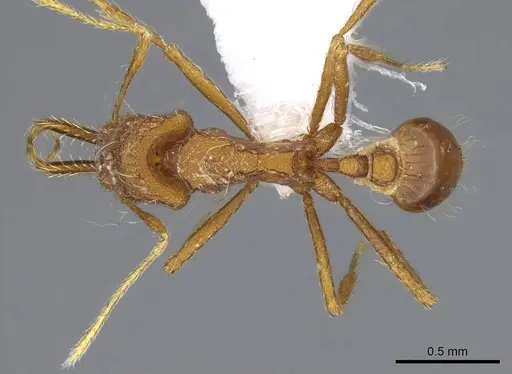
CASENT4036195
View on AntWeb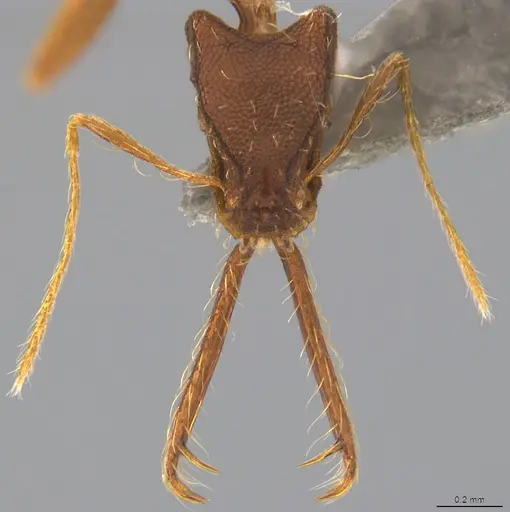
ECOFOG-IT14-0820-103
View on AntWeb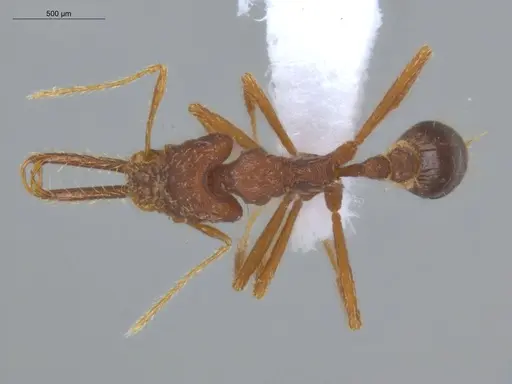
USNMENT01124314
View on AntWeb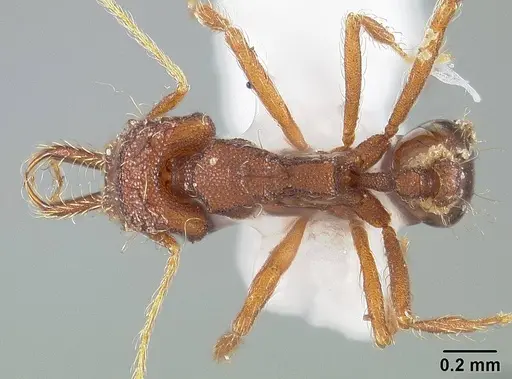
Literature
Loading...Loading products...