

Strumigenys trada
- Scientific Name
- Strumigenys trada
- Tribe
- Attini
- Subfamily
- Myrmicinae
- Author
- Lin & Wu, 1996
- Distribution
- Found in 1 countries
Strumigenys trada Overview
Strumigenys trada is an ant species of the genus Strumigenys. It is primarily documented in 1 countries , including Fiji. Detailed taxonomic data and occurrence records can be further explored via authoritative databases such as AntWeb or the Global Biodiversity Information Facility (GBIF).
Strumigenys trada
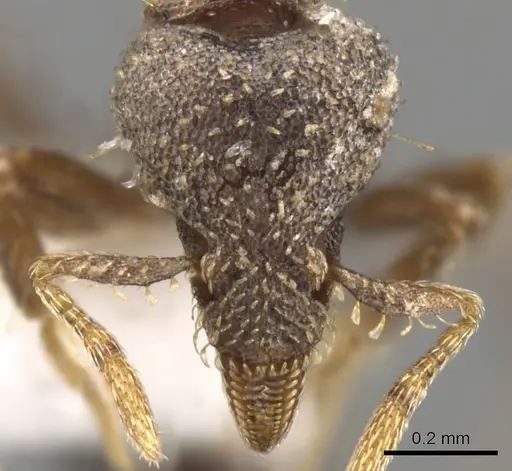
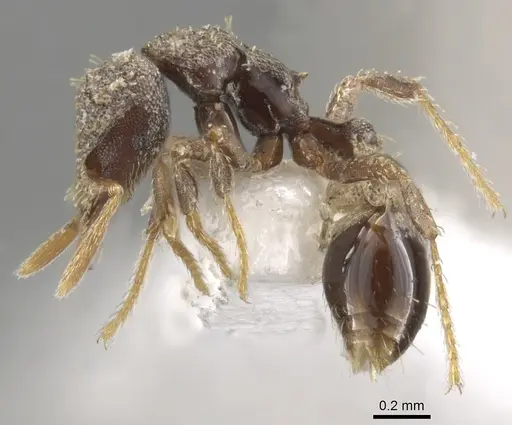
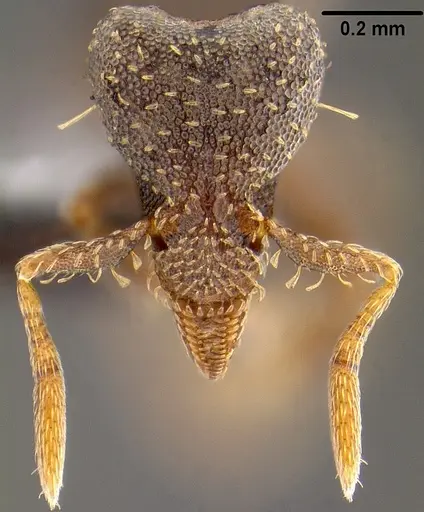
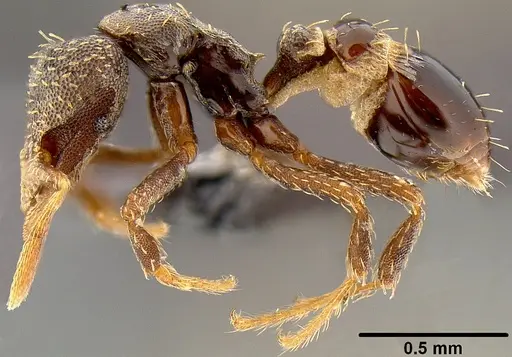
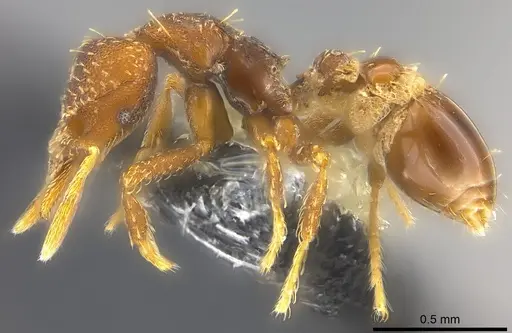
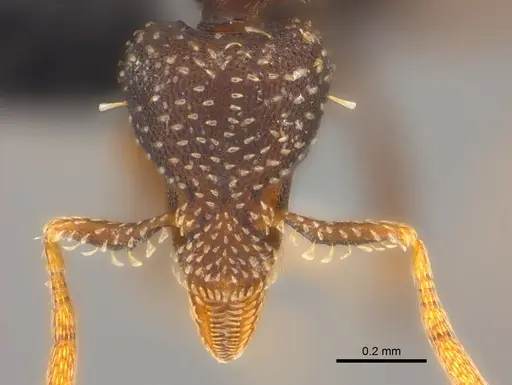
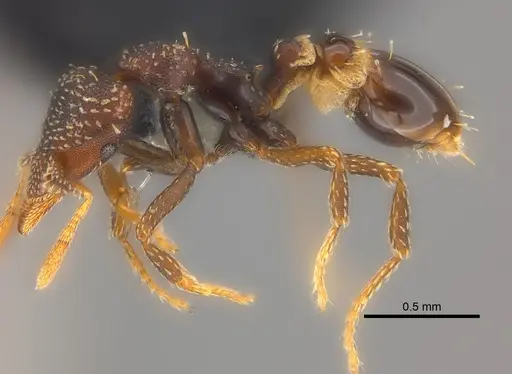
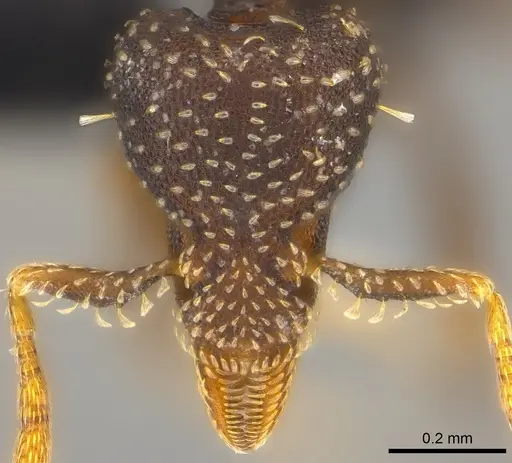
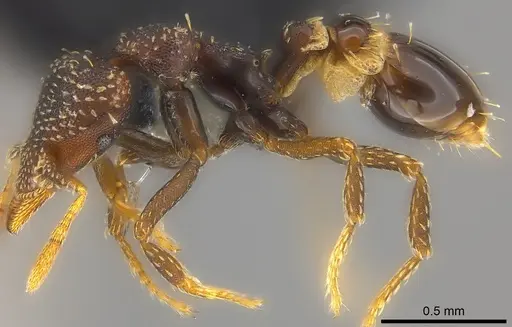
Strumigenys trada is a minute predatory ant measuring just 2.6mm in total length, belonging to the Dacetini tribe known for their specialized trap-jaw mandibles. This species was described from Taiwan (Taipei Hsien, Wulai) and is classified within the smythiesii complex of the Strumigenys godeffroyi group. Workers have distinctive spatulate hairs on the head and scapes, with flagellate hairs on the pronotum and a smooth propodeal dorsum. Nothing is known about the biology of this specific species, but like all Strumigenys, they are likely specialized predators on springtails and other tiny arthropods [1].
Quick Summary
- Difficulty: Expert
- Origin & Habitat: Endemic to Taiwan, specifically recorded from Taipei Hsien (Wulai). The genus typically inhabits forest floors in humid, shaded environments where their prey (springtails) is abundant [1].
- Colony Type: Colony structure is unconfirmed, no data exists on queen number or colony size for this species. Related Strumigenys species typically have small colonies with single queens.
- Size & Growth:
- Queen: Unknown for this species, related Strumigenys queens are slightly larger than workers [1]
- Worker: 2.6mm total length
- Colony: Likely small, related Strumigenys species typically have colonies of 50-200 workers [1]
- Growth: Unknown, likely slow to moderate based on genus patterns
- Development: Unknown for this species. Based on related Strumigenys species, estimate 6-10 weeks at warm temperatures [1] (Development time is unconfirmed, this is a genus-level estimate)
- Antkeeping:
- Temperature: Based on Taiwan's subtropical climate and related species, aim for 22-26°C with moderate humidity. Avoid temperatures below 18°C or above 30°C [1].
- Humidity: High humidity is essential, these are forest floor ants from humid environments. Keep substrate consistently moist but not waterlogged [1].
- Diapause: Unlikely required, Taiwan has mild winters. However, slight cooling during winter months may be beneficial [1].
- Nesting: Use a naturalistic setup with moist substrate (soil/peat mix) or a plaster nest with water reservoir. They need tight chambers and excellent escape prevention due to their tiny size [1].
- Behavior: Strumigenys are specialized predators using their trap-jaw mandibles to capture springtails and other tiny arthropods. They are not aggressive toward larger animals and pose no danger to humans. However, their tiny size (2.6mm) makes escape prevention critical, they can squeeze through extremely small gaps [1].
- Common Issues: tiny size means escapes are likely without fine mesh barriers and tight-fitting lids, specialized diet makes them difficult to feed, require live springtails or micro-arthropods, no biological data exists for this species, so care is largely based on genus-level inference, high humidity requirements can lead to mold problems if ventilation is poor, slow growth and small colony sizes make them vulnerable to stress
Housing and Nest Setup
Strumigenys trada requires a setup that maintains high humidity while providing access to live prey. A naturalistic terrarium-style setup works best, use a moist soil/peat substrate mixture that holds humidity well. Add pieces of bark, leaf litter, or moss to create hunting grounds and hiding spots. Alternatively, a plaster nest with a water reservoir can work, but ensure chambers are appropriately scaled to their tiny 2.6mm size. Whatever setup you choose, excellent escape prevention is mandatory, these ants can squeeze through gaps smaller than 0.5mm. Use fine mesh on any ventilation holes and ensure all connections are sealed [1].
Feeding and Diet
Strumigenys trada is a specialized predator that likely hunts springtails (Collembola) and other tiny arthropods in the wild, like others in the genus. In captivity, you must provide live prey, springtails are the ideal food source and should be the primary diet. Other tiny insects like booklice, dust mites, and fruit fly larvae may be accepted. Do NOT rely on sugar water or honey, these ants are obligate predators and typically do not accept carbohydrate sources. Feed small prey items every 2-3 days, adjusting based on colony size and consumption rate. Remove uneaten prey to prevent mold issues [1].
Temperature and Humidity
Keep Strumigenys trada at temperatures between 22-26°C, mimicking Taiwan's subtropical climate. Avoid temperatures below 18°C or above 30°C. Humidity should be high, the substrate should remain consistently moist but never waterlogged. Mist the enclosure regularly and consider using a water reservoir in your nest setup. Good ventilation is important to prevent mold, but avoid excessive airflow that dries the setup. A hygrometer helps monitor conditions, aim for 70-85% relative humidity in the nest area [1].
Colony Development and Growth
No specific data exists for Strumigenys trada colony development. Based on related species in the genus, expect slow growth, colonies likely remain small, probably under 200 workers at maturity. The first workers (nanitics) will be very small and may take 6-10 weeks to develop from egg at optimal temperatures. Do not expect rapid colony expansion. These ants prioritize colony stability over rapid growth. Be patient and maintain consistent care conditions. Avoid disturbing the colony during founding, queens seal themselves in and should not be disturbed until workers emerge [1].
Important Keeper Notes
This species is NOT recommended for beginners. Strumigenys trada has no documented biology in scientific literature, all care recommendations are inferred from genus-level knowledge of related species. You will be essentially pioneering captive husbandry for this species. Expect a steep learning curve and be prepared for colony losses. Only experienced antkeepers should attempt this species. If you acquire a colony, document your observations carefully, your experience could contribute valuable knowledge to the antkeeping community. Always use excellent escape prevention and maintain stable, humid conditions [1].
Frequently Asked Questions
How long does it take for Strumigenys trada to produce first workers?
The exact timeline is unconfirmed for this species. Based on related Strumigenys species, expect 6-10 weeks from egg to worker at optimal temperatures (22-26°C). This is a slow development compared to many common ant species [1].
What do Strumigenys trada ants eat?
They are specialized predators that require live springtails or other tiny arthropods as their primary food source. They do not accept sugar water or honey. Feed small live prey items every 2-3 days [1].
Can I keep Strumigenys trada in a test tube setup?
A test tube can work for founding colonies if it remains humid, but a naturalistic setup with moist substrate is better for long-term housing. Test tubes dry out quickly and make feeding live prey more difficult. If using test tubes, monitor humidity closely and transfer to a proper nest once the colony grows [1].
How big do Strumigenys trada colonies get?
Colony size is unconfirmed for this species, but related Strumigenys species typically reach 50-200 workers at maturity. Do not expect large colonies, these are naturally small-colony ants [1].
Are Strumigenys trada good for beginners?
No. This species is rated Expert difficulty. There is no biological data for this species, making captive care extremely challenging. They require specialized live prey (springtails), high humidity, and excellent escape prevention. Only experienced antkeepers should attempt this species [1].
Do Strumigenys trada need hibernation?
Probably not. Taiwan has mild winters, and related Strumigenys species from similar climates do not require true hibernation. A slight reduction in temperature during winter months (down to around 18-20°C) may be beneficial, but full diapause is likely unnecessary [1].
Why are my Strumigenys trada dying?
Common causes include: escape (tiny size allows them to slip through any gap), improper humidity (too dry or too wet), temperature stress (below 18°C or above 30°C), and starvation (they must have live prey, they cannot survive on sugar). Check your escape prevention first, then review humidity and temperature conditions [1].
When should I move Strumigenys trada to a formicarium?
Wait until the colony has at least 10-20 workers and is actively foraging. For this tiny species, a small naturalistic setup works better than traditional formicariums. Ensure any formicarium has appropriately sized chambers and excellent escape prevention [1].
Can I keep multiple queens together?
Not recommended. No data exists on colony founding for this species, but combining unrelated queens of Strumigenys species has not been documented and likely results in aggression. Start with a single queen colony [1].
What temperature is ideal for Strumigenys trada?
Aim for 22-26°C. This species is from subtropical Taiwan and prefers warm, humid conditions. Avoid temperatures below 18°C or above 30°C. A heating cable on one side of the nest can create a gentle gradient [1].
References

This caresheet is licensed under CC BY-SA 4.0 .
CASENT0013154
View on AntWeb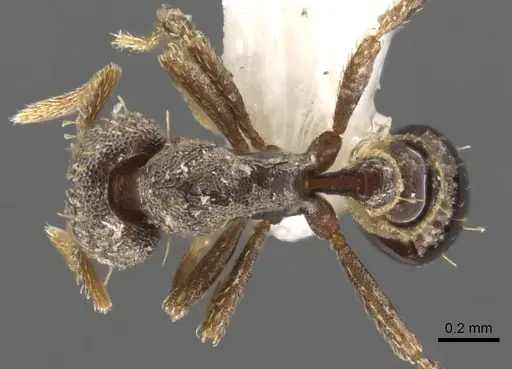
CASENT0171045
View on AntWeb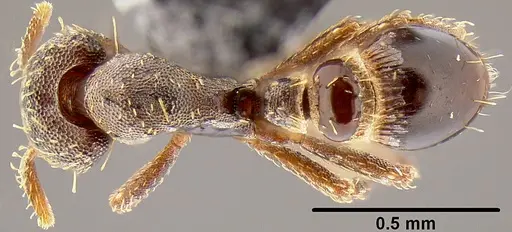
CASENT0184729
View on AntWeb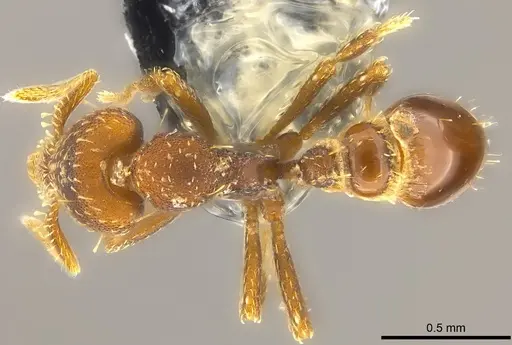
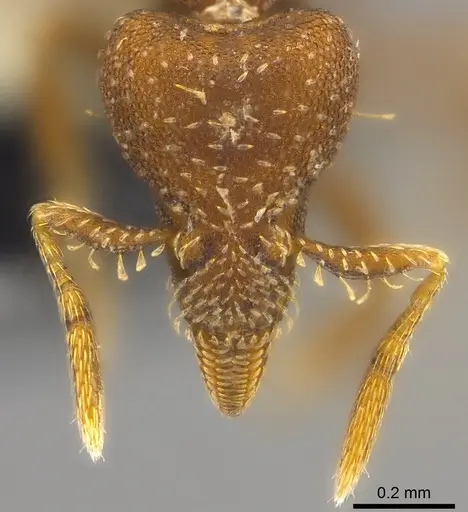
CASENT0184965
View on AntWeb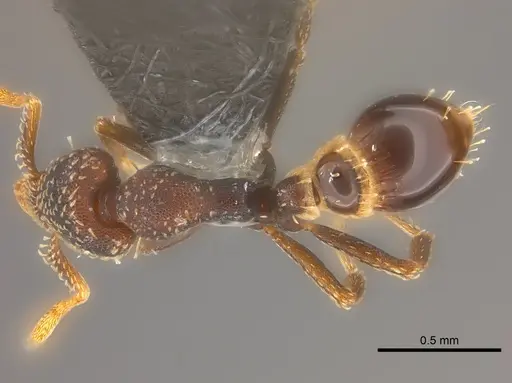
CASENT0184976
View on AntWeb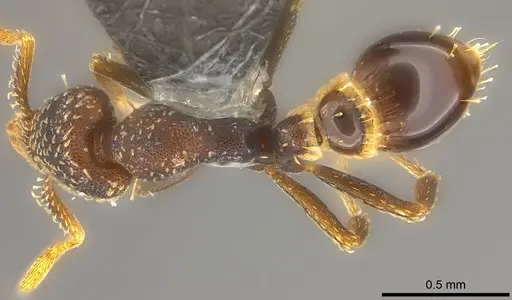
Literature
Loading...Loading products...