

Strumigenys toma
- Scientific Name
- Strumigenys toma
- Tribe
- Attini
- Subfamily
- Myrmicinae
- Author
- Fisher, 2000
- Distribution
- Found in 1 countries
Strumigenys toma Overview
Strumigenys toma is an ant species of the genus Strumigenys. It is primarily documented in 1 countries , including Madagascar. Detailed taxonomic data and occurrence records can be further explored via authoritative databases such as AntWeb or the Global Biodiversity Information Facility (GBIF).
Strumigenys toma
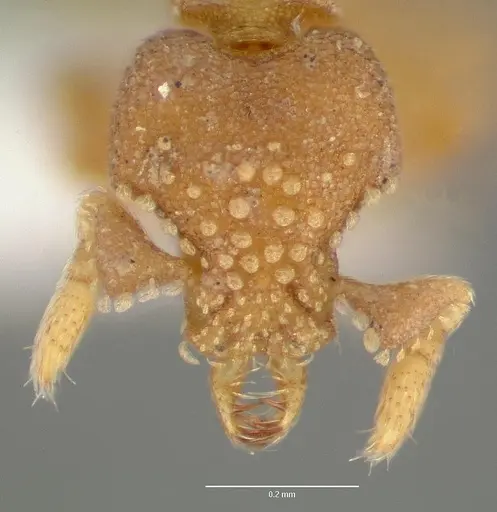
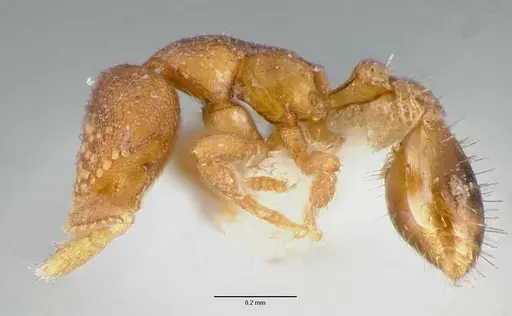
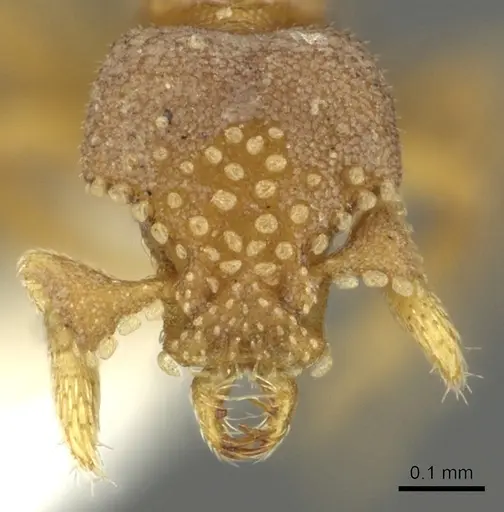
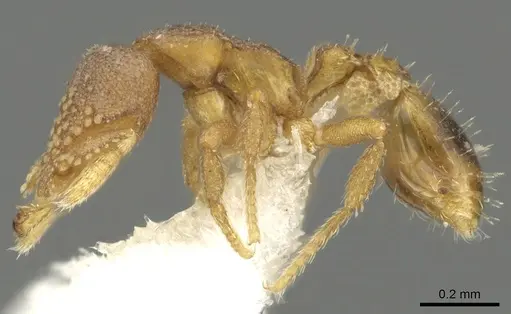
Strumigenys toma is a tiny predatory ant endemic to Madagascar, found exclusively in grassland habitats at high elevations [1]. Workers are among the smallest in the genus, measuring just 2-3mm, with characteristic trap-jaw mandibles capable of snapping shut at extreme speeds to capture small prey. These ants are pale yellow to light brown with distinctive spiny features on their head and thorax. The genus Strumigenys is famous for its specialized hunting mechanism, the trap-jaw, which allows them to capture prey much larger than themselves. As a Madagascar endemic restricted to grassland ecosystems, this species represents a unique challenge for antkeepers seeking to keep one of the island's specialized predators.
Quick Summary
- Difficulty: Hard
- Origin & Habitat: Endemic to Madagascar, found exclusively in grassland sites in the high plateau regions [1]. They live in leaf litter and soil within grassland ecosystems.
- Colony Type: Colony structure is unconfirmed. Based on typical Strumigenys patterns, likely single-queen colonies.
- Size & Growth:
- Queen: Estimated 3-4mm based on genus typical sizes
- Worker: Estimated 2-3mm based on genus typical sizes
- Colony: Unknown for this species. Related Strumigenys species typically reach 100-500 workers.
- Growth: Likely slow, specialized predators typically develop slowly
- Development: Estimated 8-12 weeks based on related species in warm conditions (Development time is estimated from genus patterns since specific data is unavailable for this species)
- Antkeeping:
- Temperature: Keep at 22-26°C. Madagascar grasslands experience warm temperatures year-round. A gentle gradient is recommended.
- Humidity: High humidity required, aim for 70-80%. These leaf-litter ants need consistently moist substrate.
- Diapause: Likely minimal or no true diapause given Madagascar's tropical climate. Some seasonal slowdown may occur.
- Nesting: Provide a naturalistic setup with moist soil/leaf litter. Y-tong or plaster nests with small chambers work well. They prefer tight, humid spaces.
- Behavior: Strumigenys toma is a specialized predator using its trap-jaw mandibles to hunt small arthropods like springtails and mites. They are not aggressive toward humans and rarely sting. Their small size makes escape prevention important, they can slip through tiny gaps. Workers are slow-moving but capable of rapid mandible snaps when hunting. Colonies are typically peaceful and do not exhibit territorial aggression.
- Common Issues: specialized diet requirements make them difficult to feed, they need live small prey, slow growth can frustrate beginners who overfeed or disturb the colony, high humidity needs can lead to mold if ventilation is poor, tiny size means escape prevention must be excellent, wild-caught colonies may carry parasites that can devastate captive colonies
Housing and Nest Setup
Strumigenys toma requires a setup that mimics their natural leaf-litter habitat. A naturalistic terrarium with moist soil, leaf litter, and small hiding spots works best. The substrate should remain consistently damp but not waterlogged. Y-tong nests with small, tight chambers can also work, but provide a foraging area with leaf litter and moss. Because of their tiny size, ensure all connections and barriers are secure, these ants can escape through gaps that seem impossibly small. A shallow water reservoir in the outworld helps maintain humidity.
Feeding and Diet
These are specialized predators that hunt small arthropods. Their primary food should be live springtails, these are ideal size and nutritional value. They may also accept other tiny live prey such as booklice, dust mites, and fruit fly larvae. Do not offer prey that is too large, their trap-jaw mechanism works best on small targets. Sugar sources are typically ignored by Strumigenys. Feed small amounts of live prey every 2-3 days, removing any uneaten prey after 24 hours to prevent mold.
Temperature and Humidity
Maintain temperatures between 22-26°C. Madagascar is tropical to subtropical, so these ants prefer warmth. A heating cable on one side of the nest creates a gentle gradient. Humidity is critical, keep the nest substrate consistently moist at 70-80% relative humidity. Mist the outworld occasionally, but avoid wetting the ants directly. Poor humidity leads to desiccation and colony loss. Ensure ventilation prevents stagnant air while maintaining humidity.
Behavior and Defense
Strumigenys toma uses its specialized trap-jaw mandibles for hunting rather than defense. When threatened, these ants are more likely to flee than to attack. They do not have a functional stinger. Their small size and peaceful nature make them safe to handle, though they should not be handled frequently. Workers move slowly when foraging but can snap their jaws rapidly when hunting prey. Colonies are typically non-aggressive toward each other.
Colony Development
Colony growth is slow compared to many common ant species. A newly mated queen may take 8-12 weeks to produce her first workers (nanitics) under optimal conditions. The first workers will be smaller than mature workers. Colonies likely reach 100-500 workers at maturity. Growth rate depends heavily on consistent feeding of appropriate prey and stable temperature/humidity. Do not disturb founding colonies, queens that feel threatened may eat their brood or abandon the nest.
Frequently Asked Questions
Can I keep Strumigenys toma in a test tube?
Test tubes are not ideal for this species. They need a naturalistic setup with leaf litter and moist soil to thrive. If you must use a test tube, provide a large outworld with substrate and ensure the tube stays humid.
What do Strumigenys toma ants eat?
They are specialized predators that need live small arthropods. Feed them live springtails as a primary food source. They may also accept tiny mites, booklice, and fruit fly larvae. They typically ignore sugar sources.
How long until first workers in Strumigenys toma?
Expect 8-12 weeks from egg to first worker under optimal conditions (22-26°C, high humidity). Development is slower than many common ant species. Founding colonies should not be disturbed during this time.
Are Strumigenys toma good for beginners?
No, this species is not recommended for beginners. They have specialized dietary needs (live prey), require high humidity, and are slow-growing. They are best suited for experienced antkeepers who can provide consistent conditions.
How big do Strumigenys toma colonies get?
Colony size is unknown for this specific species. Based on related Strumigenys species, colonies likely reach 100-500 workers at maturity. Growth is slow and colonies remain relatively small.
Do Strumigenys toma need hibernation?
Likely no true hibernation is needed. Madagascar has a tropical climate with minimal temperature variation. Keep them at stable warm temperatures year-round (22-26°C). Some seasonal slowdown may occur but a full diapause is not required.
Why is my Strumigenys toma colony dying?
Common causes include: wrong humidity (too dry), insufficient live prey, temperature extremes, mold from overwatering, or stress from disturbance. Ensure high humidity, consistent feeding of springtails, and minimal disturbance to founding colonies.
When should I move Strumigenys toma to a formicarium?
Wait until the colony reaches at least 20-30 workers before considering a formicarium. Even then, a naturalistic setup with substrate is preferable. They do poorly in dry, open formicariums.
Can I keep multiple queens together?
Combining unrelated queens of this species has not been documented. Based on typical Strumigenys behavior, multiple queens would likely fight. Keep only one queen per colony.
References

This caresheet is licensed under CC BY-SA 4.0 .
CASENT0005643
View on AntWeb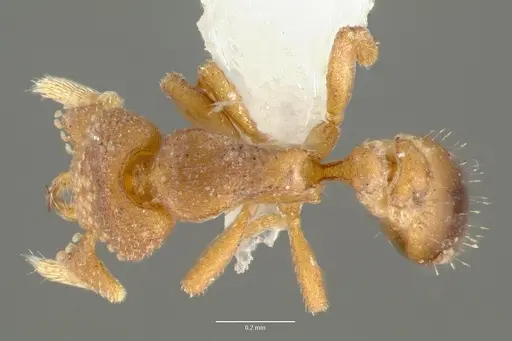
CASENT0900687
View on AntWeb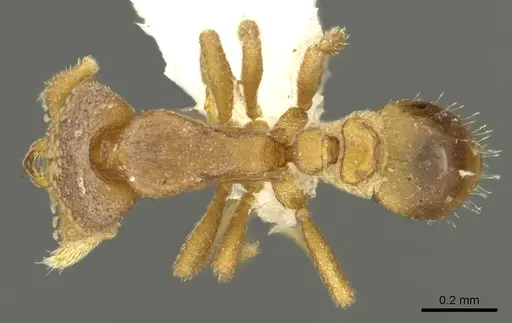
Literature
Loading...Loading products...