

Strumigenys tigris
- Scientific Name
- Strumigenys tigris
- Tribe
- Attini
- Subfamily
- Myrmicinae
- Author
- Brown, 1971
- Distribution
- Found in 1 countries
Strumigenys tigris Overview
Strumigenys tigris is an ant species of the genus Strumigenys. It is primarily documented in 1 countries , including Papua New Guinea. Detailed taxonomic data and occurrence records can be further explored via authoritative databases such as AntWeb or the Global Biodiversity Information Facility (GBIF).
Strumigenys tigris
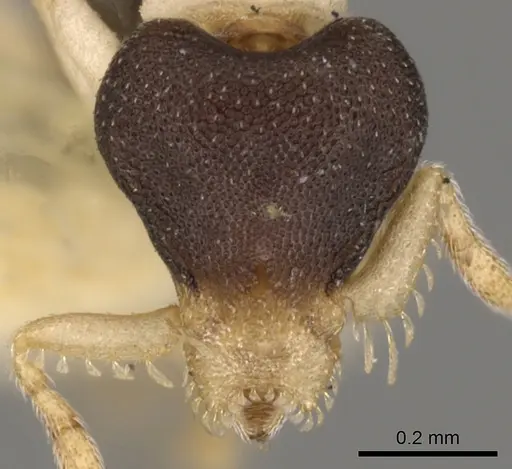
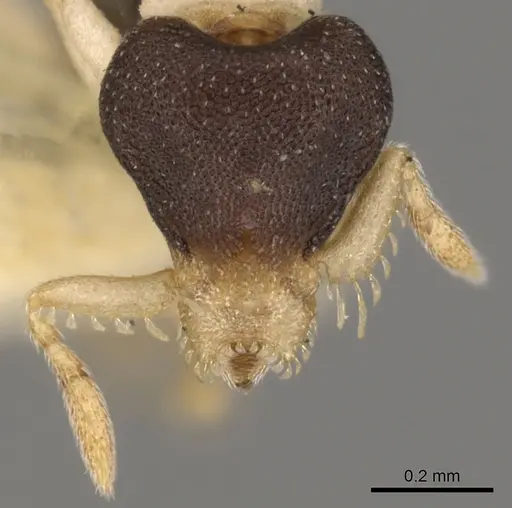
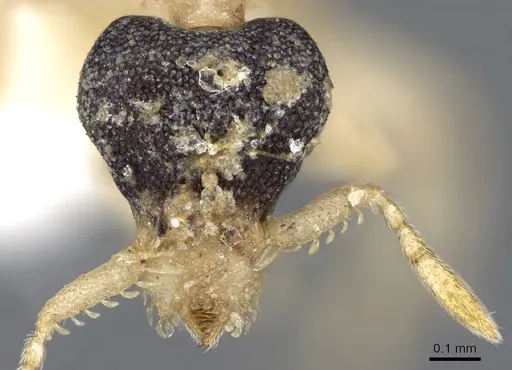
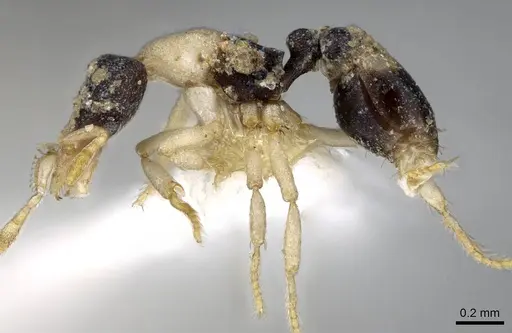
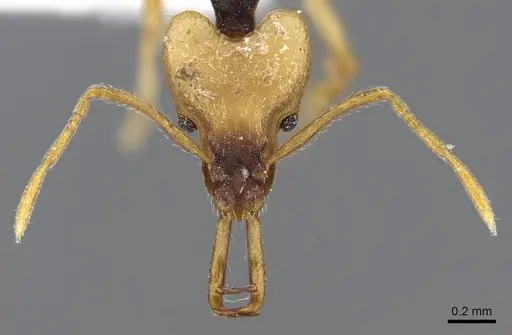
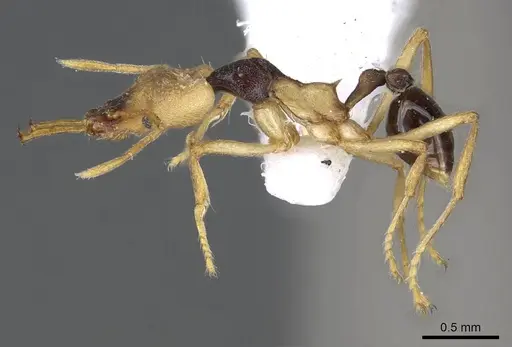
Strumigenys tigris is a tiny predatory ant measuring just 3.3-3.5mm for workers and 3.9mm for queens. These ants belong to the Myrmicinae subfamily and are part of the Strumigenys szalayi group, a complex of closely related species that vary in color from yellow to black. Workers have distinctive trap-jaw mandibles used to capture small prey, and their coloration is highly variable, some specimens have entirely yellow heads while others have dark anterior portions. This species is native to the highlands of northeastern Papua New Guinea, where it has been collected from rainforest, upper montane forest, and mixed oak forest at elevations around 2000 meters [1]. They nest in downed wood and rotting branches on the forest floor [1].
Quick Summary
- Difficulty: Hard
- Origin & Habitat: Northeastern Papua New Guinea highlands, found in rainforest, upper montane forest, and mixed oak forest at elevations around 2000 meters. Nests in downed wood and rotting branches [1].
- Colony Type: Likely monogyne (single queen colonies). Colony size appears small based on limited field data, only single individuals have been recorded in surveys [2].
- Colony: Monogyne
- Size & Growth:
- Queen: 3.9mm
- Worker: 3.3-3.5mm
- Colony: Unknown, but likely small (under 100 workers) based on limited field observations [2]
- Growth: Unknown, likely slow given small colony sizes typical of this genus
- Development: Unknown, estimated 8-12 weeks based on related Strumigenys species (No specific development data exists for this species. Related Strumigenys species typically have slow growth rates and small first broods.)
- Antkeeping:
- Temperature: Keep cool, around 18-22°C. These ants come from highland New Guinea where temperatures are moderate. Avoid overheating.
- Humidity: High humidity required, aim for 70-80%. They naturally live in damp forest floor environments in rotting wood.
- Diapause: Unknown, likely no true diapause given the tropical highland origin, but may have reduced activity during cooler periods.
- Nesting: Prefer naturalistic setups with rotting wood or cork. Y-tong nests can work but provide damp conditions. They nest in small chambers within decaying wood in the wild.
- Behavior: These are specialized predatory ants with trap-jaw mandibles. They are shy and not aggressive, workers will flee rather than fight. Their small size (3.3-3.5mm) makes escape prevention critical, they can squeeze through tiny gaps. Foraging is slow and deliberate as they hunt small prey.
- Common Issues: escape prevention is critical due to their tiny size, use fine mesh and tight-fitting barriers, specialized diet makes them difficult to feed, they need live small prey like springtails, slow growth and small colony sizes mean losses are difficult to recover, high humidity requirements can lead to mold problems if ventilation is poor, wild-caught colonies may be stressed from collection and difficult to establish
Housing and Nest Setup
Strumigenys tigris requires a naturalistic or semi-naturalistic setup that mimics their forest floor habitat. They naturally nest in rotting wood and small branches, so cork nests or setups with small pieces of damp wood work well [1]. Y-tong (AAC) nests can work if you keep the substrate consistently moist, but these ants prefer more natural arrangements. The outworld should be small since colonies remain small. Use a tight-fitting lid and apply Fluon or similar barrier to all openings, their tiny size means they can escape through gaps that would hold larger ants. A small foraging area with damp soil or substrate works best.
Feeding and Diet
Strumigenys tigris is a specialized predator that hunts small arthropods. In captivity, their primary food should be live springtails, these are the ideal size and provide proper nutrition. They may also accept other tiny live prey such as booklice (psocids), small mites, and fruit fly larvae, but do not rely on sugar sources as Strumigenys are not typically sugar-loving ants. Feed small prey items every 2-3 days, removing any uneaten prey after 24 hours. Do not overfeed, excess prey can stress colonies and attract mold. Freshly killed prey may be accepted if it is small enough.
Temperature and Humidity
Keep these ants at cool temperatures between 18-22°C. They come from highland New Guinea where conditions are moderate, not tropical heat. Avoid temperatures above 25°C as this can stress colonies. Heating is generally not needed unless your room is very cold. Humidity should be high, around 70-80%, which you can achieve by keeping the nest substrate damp but not waterlogged. Mist the setup occasionally and ensure good ventilation to prevent mold. The nest material should feel damp to the touch but never have standing water.
Behavior and Temperament
Strumigenys tigris is a shy, non-aggressive species. Workers are slow-moving and spend most of their time hunting or patrolling the nest area. They have trap-jaw mandibles but use them for hunting small prey, not for defense. When threatened, they are more likely to flee than to bite. Colonies are small and quiet, you will not see the dramatic activity levels of larger ants. Workers may form small trails when foraging but typically remain close to the nest. Their small size and quiet nature make them an interesting observation species, but they are not particularly active or showy.
Colony Establishment
Establishing Strumigenys tigris colonies can be challenging. If acquiring a queen (preferably with workers), place her in a small test tube setup with a damp cotton ball and minimal space. Do not disturb her during the founding period, queens may take several weeks to lay eggs and several more months to produce first workers. Once workers arrive, move the colony to a small naturalistic setup. Wild-caught colonies may be difficult to establish as these ants are sensitive to stress. Expect slow growth, a healthy founding colony may take a year or more to reach 20-30 workers. Patience is essential with this species.
Frequently Asked Questions
How long does it take for Strumigenys tigris to produce first workers?
The exact timeline is unknown for this species, but based on related Strumigenys species, expect 8-12 weeks from egg to worker at optimal temperatures. Founding colonies may take several months to produce their first workers, and growth is typically slow.
Can I keep Strumigenys tigris in a test tube setup?
Test tubes can work for founding colonies but these ants prefer naturalistic conditions with rotting wood. If using a test tube, ensure it stays damp and transfer to a more natural setup once workers arrive. The small size of the colony makes test tubes workable for short periods.
What do Strumigenys tigris eat?
They are specialized predators that need live small prey. Feed live springtails as a primary food source. They may also accept tiny mites, booklice, and fruit fly larvae. Sugar sources are generally not accepted, these are not honeydew-feeding ants.
Are Strumigenys tigris good for beginners?
No, this is a difficult species to keep. They require specialized live prey, high humidity, cool temperatures, and excellent escape prevention due to their tiny size. They are best suited for experienced antkeepers who can provide the specific conditions they need.
How big do Strumigenys tigris colonies get?
Based on limited field data showing only singleton occurrences, colonies likely remain small, probably under 100 workers even in mature colonies. They are not large colony formers like many Myrmicinae.
Do Strumigenys tigris need hibernation?
Diapause requirements are unknown. They come from highland New Guinea where temperatures are moderate year-round. No hibernation is likely needed, but you may observe reduced activity during cooler periods. Keep them at stable temperatures between 18-22°C.
Why are my Strumigenys tigris dying?
Common causes include: temperature too high (above 25°C), humidity too low, lack of appropriate live prey, escape through tiny gaps, mold from poor ventilation, or stress from wild collection. These are sensitive ants that require stable conditions. Review each parameter and ensure prey items are small enough.
Can I keep multiple Strumigenys tigris queens together?
Not recommended. There is no data on pleometrosis (multiple queen founding) for this species, and combining unrelated queens typically leads to fighting. Keep one queen per colony.
When should I move Strumigenys tigris to a formicarium?
Move them once the colony has established and has at least 10-15 workers. Use a small naturalistic setup with damp substrate and hiding places. Do not move too early or disturb the queen during founding.
References

This caresheet is licensed under CC BY-SA 4.0 .
CASENT0280735
View on AntWeb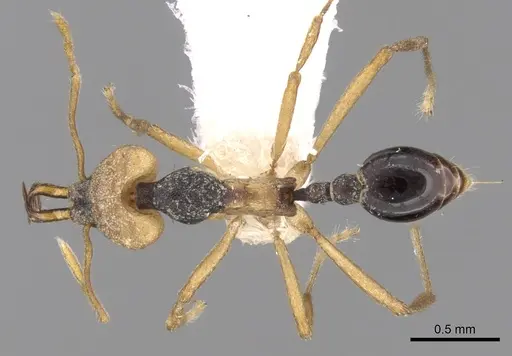
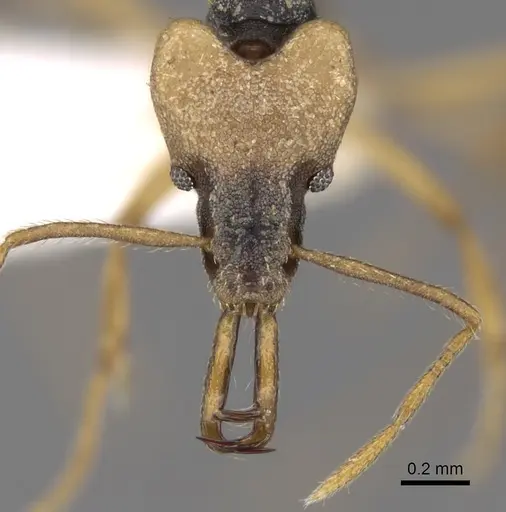
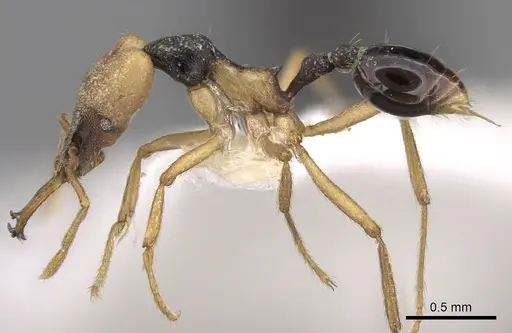
CASENT0900069
View on AntWeb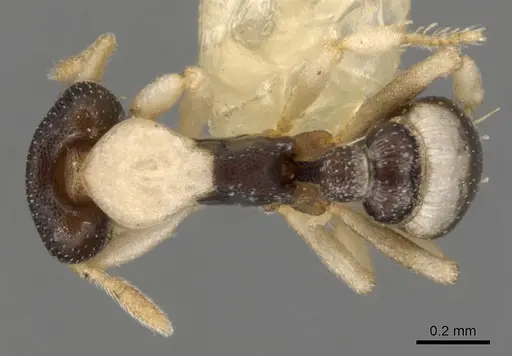
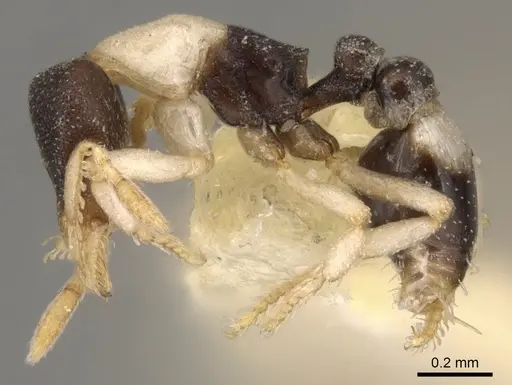
CASENT0914724
View on AntWeb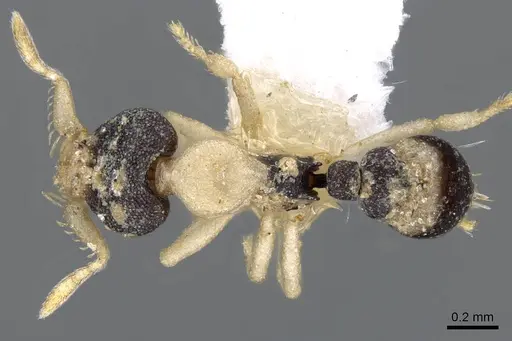
CASENT0914875
View on AntWeb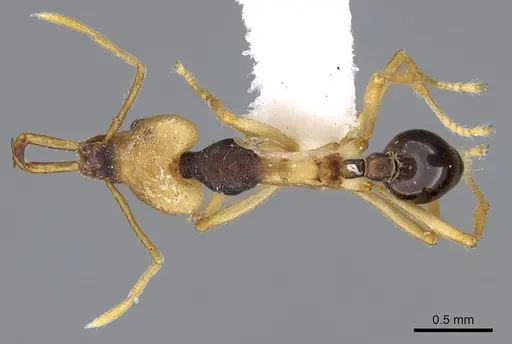
Literature
Loading...Loading products...