

Strumigenys thuvida
- Scientific Name
- Strumigenys thuvida
- Tribe
- Attini
- Subfamily
- Myrmicinae
- Author
- Bolton, 1983
- Distribution
- Found in 1 countries
Strumigenys thuvida Overview
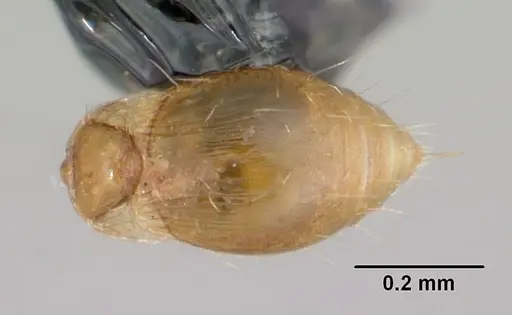
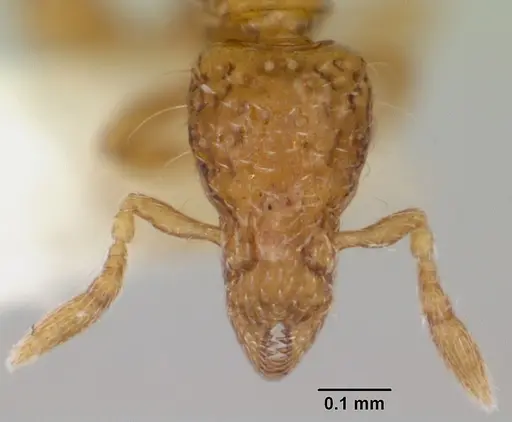
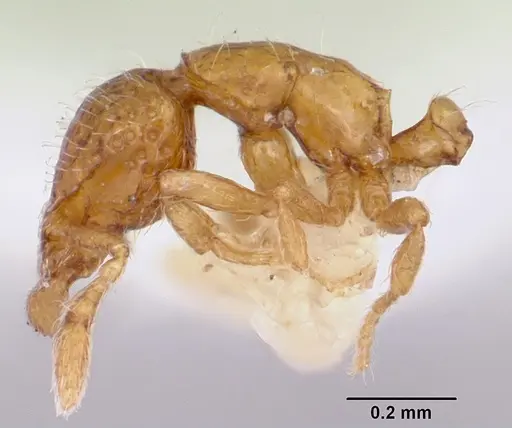
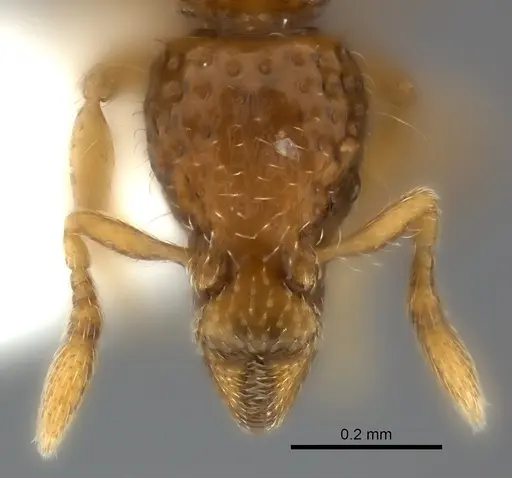
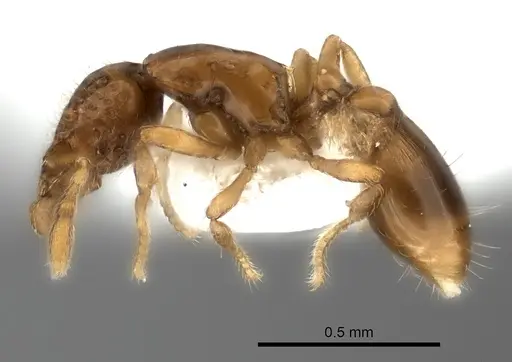
Strumigenys thuvida is an ant species of the genus Strumigenys. It is primarily documented in 1 countries , including Tanzania, United Republic of. Detailed taxonomic data and occurrence records can be further explored via authoritative databases such as AntWeb or the Global Biodiversity Information Facility (GBIF).
Strumigenys thuvida
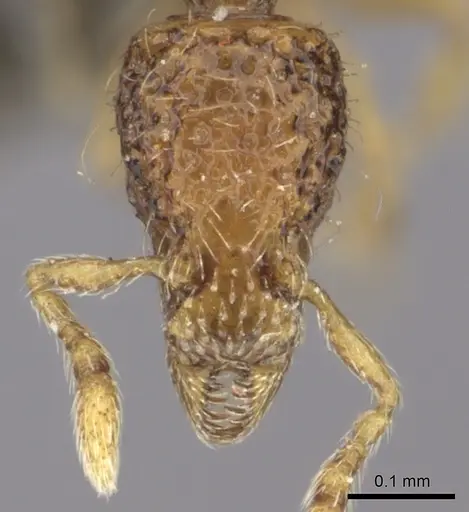
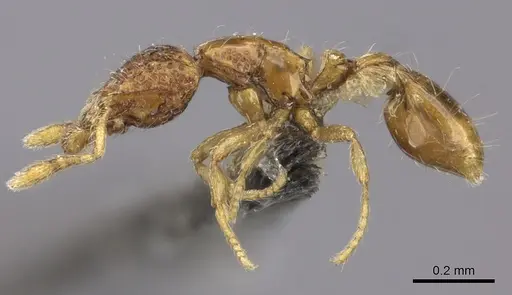
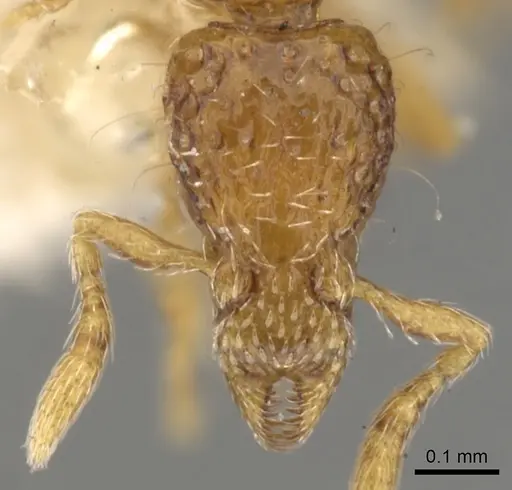
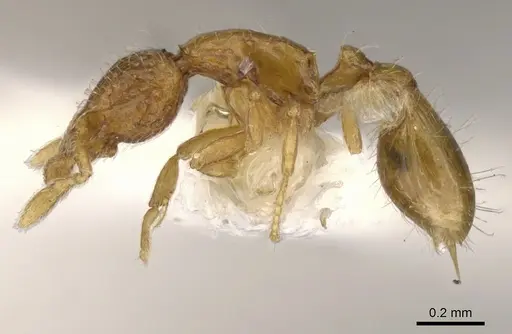
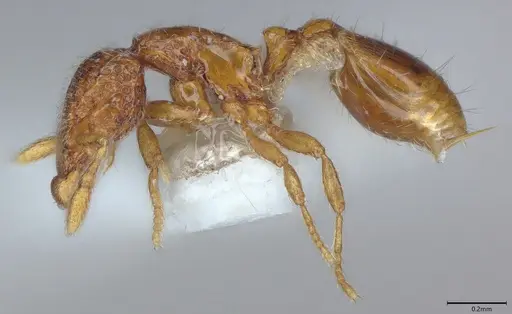
Strumigenys thuvida is a small predatory ant belonging to the dacetine group, known for their specialized trap-jaw mandibles. These ants are tiny, with workers measuring just 2-3mm, and feature distinctive elongated mandibles lined with teeth that they use to snap shut on prey with incredible speed. The species was first documented in Rwanda's Akagera National Park in 2026,representing a relatively recent addition to our documented knowledge of African Strumigenys diversity [1]. In their natural habitat, these ants are specialized predators that hunt small arthropods like springtails and other micro-invertebrates found in leaf litter and decaying wood.
Quick Summary
- Difficulty: Medium
- Origin & Habitat: Akagera National Park in eastern Rwanda, a savanna and woodland ecosystem at moderate elevation. The region experiences tropical climate with distinct wet and dry seasons.
- Colony Type: Likely single-queen colonies based on typical Strumigenys patterns. Colonies tend to remain small, typically under 200 workers.
- Colony: Monogyne
- Founding: Claustral
- Size & Growth:
- Queen: Approximately 3-4mm, estimated from genus patterns
- Worker: 2-3mm, typical for Strumigenys
- Colony: Likely 100-300 workers at maturity, typical for the genus
- Growth: Slow
- Development: Estimated 8-12 weeks based on related Strumigenys species (Development is typically slow, with colonies taking many months to reach moderate size)
- Antkeeping:
- Temperature: Keep around 22-26°C, they prefer warm, stable conditions similar to their tropical habitat
- Humidity: High humidity is essential, aim for 70-80%. These ants come from humid forest environments and dry out easily
- Diapause: Likely minimal or no true diapause given their tropical origin. They may show reduced activity during cooler periods.
- Nesting: They prefer humid nest setups like test tubes with water reservoirs, or plaster/acrylic nests that retain moisture. They do well in naturalistic setups with damp substrate.
- Behavior: These ants are specialized predators that rarely forage in the open. They rely on their trap-jaw mandibles to capture small prey, primarily springtails and other micro-arthropods. Workers are not aggressive toward humans and cannot sting. Their small size means escape prevention is important, they can slip through small gaps.
- Common Issues: slow growth can frustrate keepers expecting fast development, high humidity requirements make mold a constant threat, ensure good ventilation, specialized diet means they may refuse standard ant foods, live prey is often essential, small colony size means they remain fragile and sensitive to disturbance, test tube setups must have proper water reserves without flooding
Housing and Nest Setup
Strumigenys thuvida does well in setups that maintain high humidity. Test tubes with cotton water reservoirs work well for founding colonies, make sure the water chamber is sized appropriately so flooding doesn't drown the queen and brood. For established colonies, a small acrylic nest or plaster formicarium maintains humidity better than wood or earth setups. Keep the nest area consistently moist but not waterlogged. Because of their tiny size, ensure all connections between the nest and outworld are sealed with cotton or other appropriate barriers. A small outworld is fine since colonies remain relatively small. [1]
Feeding and Diet
These are specialized predators that require live small prey. Their primary food should be springtails (Collembola), these are the ideal natural prey and what they would hunt in the wild. You can culture your own springtail colony to provide a constant supply. Other small live prey like fruit flies, pinhead crickets, and tiny isopods may also be accepted. Unlike many ants, Strumigenys rarely show interest in sugar sources or honey. Do not rely on commercial ant foods, these ants are obligate predators. Feed small prey items every few days, removing any uneaten prey after 24 hours to prevent mold.
Temperature and Seasonal Care
Maintain temperatures between 22-26°C for optimal colony health and development. They come from a tropical African environment and do not tolerate cool temperatures well. A small heating cable on one side of the nest can help maintain warmth, but avoid direct heat that could dry out the colony. Since they originate from near the equator, they likely do not require a true hibernation period. You may notice reduced activity during what would be the dry season in their habitat, but this is not a cold-induced diapause. Keep temperatures stable, sudden drops or drafts can stress the colony. [1]
Behavior and Colony Dynamics
Strumigenys thuvida exhibits the characteristic trap-jaw behavior of the genus. Workers have elongated mandibles with internal teeth that can snap shut in milliseconds when triggered by prey movement. This is one of the fastest predatory mechanisms in the animal kingdom. Colonies are slow to establish and grow, with the queen remaining with the first batch of workers for some time. Workers are not aggressive and will flee rather than attack when threatened. The small colony size means the population remains fragile, avoid disturbing the nest frequently or moving colonies unnecessarily.
Frequently Asked Questions
How long does it take for Strumigenys thuvida to produce first workers?
Expect 8-12 weeks from egg to first worker at optimal temperature (around 24°C). This is typical for Strumigenys species, which are generally slow developers compared to many common ant species.
Can I keep Strumigenys thuvida in a test tube setup?
Yes, test tubes work well for this species. Use a tube with a water reservoir at one end, separated by a cotton plug. Keep the water chamber appropriately sized to prevent flooding. The small colony size means they can remain in test tube setups longer than many species.
What do Strumigenys thuvida ants eat?
They are specialized predators that need live small prey. Springtails are the ideal food, culture your own or purchase them. They will not accept sugar water, honey, or commercial ant foods. Other small live prey like fruit flies may be accepted occasionally.
How big do Strumigenys thuvida colonies get?
Colonies remain relatively small, typically reaching 100-300 workers at maturity. This is typical for the genus, they are not large colony formers like some ant species.
Do Strumigenys thuvida need hibernation?
No, they do not require hibernation. Being from tropical Rwanda, they are adapted to year-round warm conditions. They may show reduced activity during cooler periods but no special winter care is needed.
Are Strumigenys thuvida good for beginners?
This species is better suited for keepers with some experience. Their specialized diet (live prey only), high humidity requirements, and slow growth make them more challenging than beginner species like Lasius or Camponotus.
Why are my Strumigenys thuvida dying?
Common causes include: too low humidity (they dry out easily), wrong food (they need live prey, not sugar), temperature stress (they need 22-26°C), and disturbance from frequent nest inspections. Check that your setup maintains proper humidity and that you are providing appropriate live prey.
When should I move Strumigenys thuvida to a formicarium?
You can keep them in test tube setups indefinitely since colonies remain small. If you do move them, wait until the colony has at least 50 workers and shows consistent activity. Use a small acrylic or plaster nest that maintains humidity well.
How often should I feed Strumigenys thuvida?
Feed small prey items every 2-3 days. Remove any uneaten prey after 24 hours to prevent mold. Since colonies remain small, they need only a few prey items per feeding. Monitor consumption patterns and adjust accordingly.
References

This caresheet is licensed under CC BY-SA 4.0 .
CASENT0102592
View on AntWeb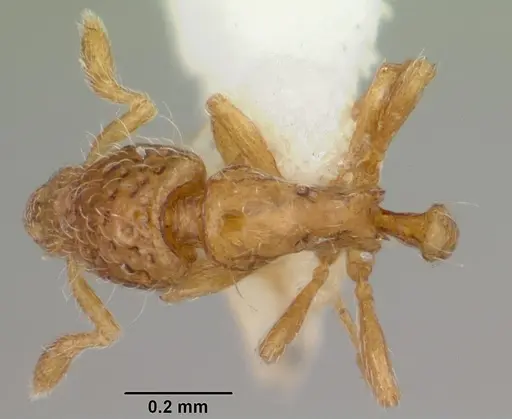
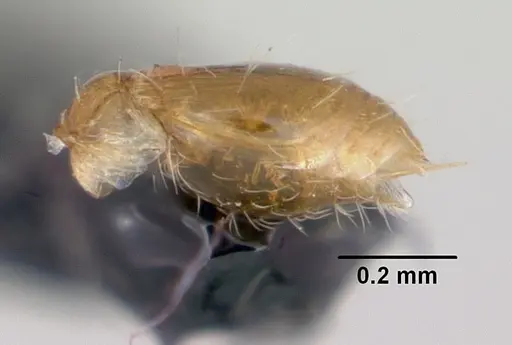
CASENT0178323
View on AntWeb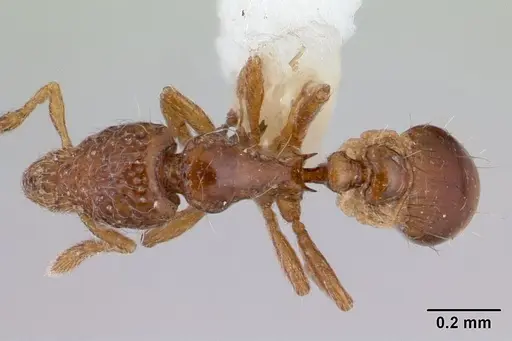
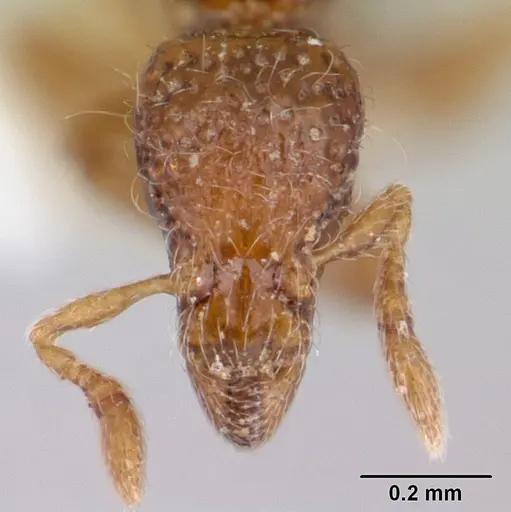
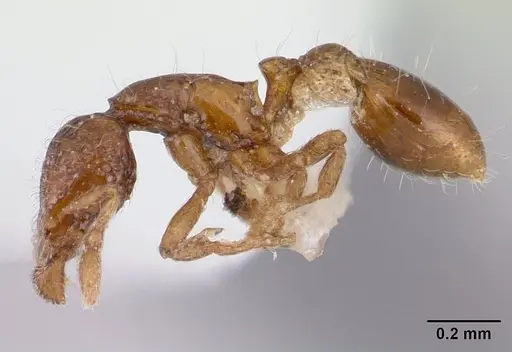
CASENT0217188
View on AntWeb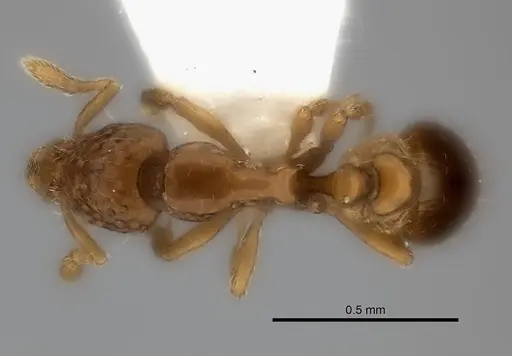
CASENT0235698
View on AntWeb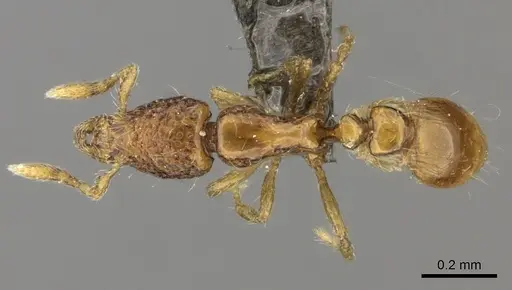
CASENT0900051
View on AntWeb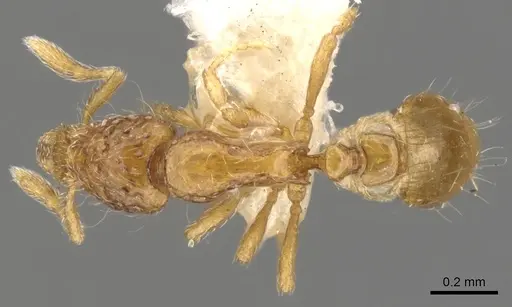
CASENT4036273
View on AntWeb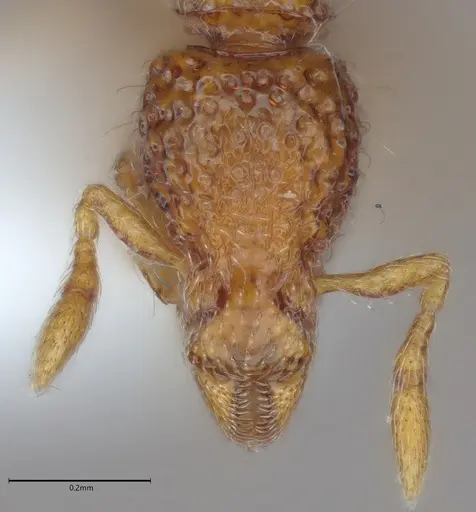
Literature
Loading...Loading products...