

Strumigenys teratrix
- Scientific Name
- Strumigenys teratrix
- Tribe
- Attini
- Subfamily
- Myrmicinae
- Author
- Bolton, 2000
- Distribution
- Found in 1 countries
Strumigenys teratrix Overview
Strumigenys teratrix is an ant species of the genus Strumigenys. It is primarily documented in 1 countries , including Brazil. Detailed taxonomic data and occurrence records can be further explored via authoritative databases such as AntWeb or the Global Biodiversity Information Facility (GBIF).
Strumigenys teratrix
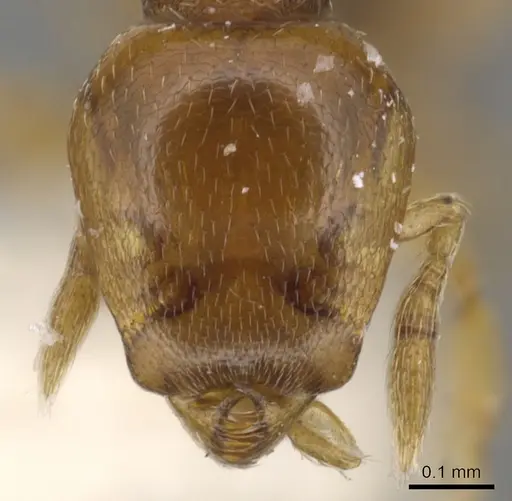
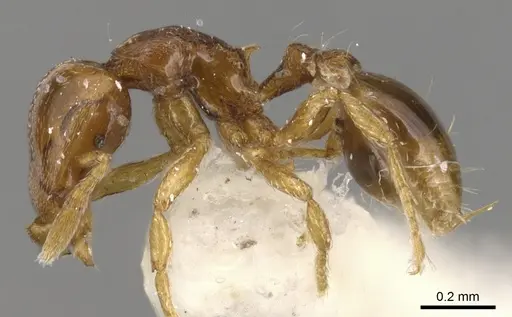
Strumigenys teratrix is an extremely tiny predatory ant measuring just 1.5mm in total length [1]. Workers have distinctive trap-jaw mandibles equipped with six teeth, four huge recurved teeth that form an efficient snapping mechanism for capturing prey [2]. The species features a long flagellate hair at the pronotal humerus and a notable ventral spongiform lobe on the postpetiole [1]. These ants are native to the Colombian Amazon, where they live in forest litter on the forest floor [3][2]. As a member of the dacetini tribe within Myrmicinae, this species is a specialized predator, primarily hunting tiny springtails and other micro-arthropods in their natural habitat.
Quick Summary
- Difficulty: Expert
- Origin & Habitat: Colombian Amazon region (Amazonas department), found in forest litter in tropical rainforest environments [3][2]
- Colony Type: Unconfirmed colony structure, likely single-queen based on typical Strumigenys patterns
- Size & Growth:
- Queen: Undocumented, estimated 2-3mm based on worker size
- Worker: 1.5mm total length (HL 0.44mm, HW 0.41mm) [1]
- Colony: Unknown, likely small colonies typical of litter-dwelling Strumigenys (under 100 workers)
- Growth: Slow, Strumigenys species typically grow slowly
- Development: Unknown, estimated 8-12 weeks based on related species at optimal temperature (Development timeline unconfirmed for this species, estimates based on typical Strumigenys patterns at tropical temperatures (24-28°C))
- Antkeeping:
- Temperature: Keep at 24-28°C, these are tropical ants from the Colombian Amazon [3]
- Humidity: High humidity required, forest litter dwellers need consistently moist substrate [2]
- Diapause: No, tropical species does not require hibernation
- Nesting: Naturalistic setup with fine substrate or test tube setup with high humidity. They prefer tight, humid chambers typical of litter-dwelling ants
- Behavior: These are extremely small, slow-moving ants that hunt using their trap-jaw mandibles. They are specialized predators targeting springtails and other tiny soil micro-arthropods. Workers forage individually through leaf litter rather than in groups. Escape prevention is critical due to their tiny 1.5mm size, they can squeeze through the smallest gaps. They are not aggressive toward humans and cannot sting.
- Common Issues: escape prevention is critical, they are extremely small and can slip through standard barriers, require live micro-prey (springtails), will not survive on sugar alone, high humidity is essential, drying out kills colonies quickly, slow growth tests keeper patience, colonies develop slowly, wild-caught colonies may have parasites that cause captive failures
Housing and Nest Setup
Strumigenys teratrix requires high-humidity housing due to their forest litter origin. A test tube setup works well, use a small test tube with a water reservoir secured with a cotton plug. The tube should be kept horizontally or at a slight angle so ants can choose humidity levels. Alternatively, a small naturalistic setup with fine, moist substrate (like coco fiber or a soil/sand mix) in a small container works well. Because they are only 1.5mm, escape prevention must be excellent, use fluon on container edges and ensure any ventilation holes are covered with fine mesh (at least 0.5mm or smaller). A small outworld for feeding connects to the nest via tubing. Keep the setup in a warm, humid location away from direct sunlight and air conditioning vents. [2][3]
Feeding and Diet
Strumigenys teratrix is a specialized predator and requires live prey to survive. Their primary food source in the wild is springtails (Collembola) and other tiny soil-dwelling arthropods [2]. In captivity, you must provide live springtails, these can be cultured separately or purchased from ant suppliers. Other tiny live prey like micro-arthropods, booklice (psocids), and fruit flies may be accepted, but springtails should form the core of their diet. They will not survive on sugar water or honey alone, these ants are strict predators. Feed small prey items every 2-3 days, removing any uneaten prey after 24 hours to prevent mold. The trap-jaw mandibles are designed for capturing tiny, fast-moving prey, so prey size should be appropriately small.
Temperature and Humidity
As a tropical species from the Colombian Amazon, Strumigenys teratrix requires warm, humid conditions. Keep the nest area at 24-28°C, this is ideal for tropical litter ants. Room temperature within this range works well. If your room is cooler, use a heating cable on one side of the nest to create a gentle temperature gradient. Place the heating element on top of the nest, not underneath, to avoid evaporating moisture too quickly. Humidity is critical, the substrate should feel consistently moist but not waterlogged. Mist the nest occasionally, but rely primarily on a water tube for constant humidity. Avoid both stagnant air (causes mold) and excessive airflow (causes drying). These ants die quickly if allowed to dry out. [3]
Behavior and Foraging
Strumigenys teratrix workers are solitary foragers that hunt individually through leaf litter rather than in groups. Their trap-jaw mandibles (the huge recurved teeth visible in specimens) snap shut extremely fast when triggered by prey movement, this is their primary hunting mechanism [2]. Workers are slow-moving compared to many ants, which suits their ambush predator lifestyle. They do not form large colonies, expect maybe a few dozen workers at most based on typical Strumigenys colony sizes. These ants are completely harmless to humans, they are too small to bite effectively and have no sting. Their main defense is staying hidden in leaf litter. Escape risk is very high due to their tiny 1.5mm size, so always use excellent escape prevention.
Colony Development
Colony growth in Strumigenys species is typically slow. The queen (though not documented for this specific species) would be expected to lay a small number of eggs that develop into larvae fed exclusively on prey. First workers (nanitics) will be very small and may take several months to appear. Expect slow expansion, a healthy colony might add only a few workers per month. This slow growth is normal for specialized predators and reflects their natural history of hunting sparse, tiny prey. Do not overfeed in an attempt to speed growth, excess prey simply decomposes and causes mold problems. Patience is essential with this species. If the colony stops growing, check humidity levels first, then prey availability.
Finding and Collecting
Strumigenys teratrix is known only from the Colombian Amazon region, specifically the Amazonas department [3][2]. The holotype was collected from forest litter using Berlese extraction (sifting through leaf litter to extract tiny arthropods). If you encounter this species in the wild, it would be through careful sifting of moist forest floor leaf litter. However, this species is rarely kept in captivity and may not be available through ant suppliers. Most captive Strumigenys colonies are either field-collected or from very specialized breeders. Be cautious about purchasing wild-caught colonies as they often carry parasites that can cause captive failures. Always ensure any ant collection follows local regulations regarding protected species.
Frequently Asked Questions
Can I keep Strumigenys teratrix in a test tube?
Yes, a test tube setup works well for these tiny ants. Use a small test tube with a water reservoir and keep it horizontally or at a slight angle. High humidity is essential, so ensure the cotton plug stays moist. Cover any air holes with fine mesh, these ants are only 1.5mm and can escape through tiny gaps.
What do Strumigenys teratrix ants eat?
They are specialized predators that require live prey. Their primary food should be live springtails (Collembola), which can be cultured or purchased from ant suppliers. They will not survive on sugar water, honey, or dead insects alone, their trap-jaw mandibles are designed for catching tiny, live prey.
How long until first workers in Strumigenys teratrix?
The exact timeline is unconfirmed for this species, but based on typical Strumigenys patterns, expect 8-12 weeks from egg to first worker at optimal tropical temperatures (24-28°C). Colony growth is slow, do not expect rapid expansion. Patience is essential with this species.
Are Strumigenys teratrix good for beginners?
No, this species is rated Expert difficulty. They require live springtail prey, high humidity, and excellent escape prevention. Their slow growth and specific dietary needs make them challenging even for experienced antkeepers. Start with easier species like Lasius or Messor before attempting Strumigenys.
Do Strumigenys teratrix need hibernation?
No, as a tropical species from the Colombian Amazon, they do not require hibernation or diapause. Keep them warm year-round at 24-28°C. Cold temperatures will stress them and may kill the colony.
Why are my Strumigenys teratrix dying?
Common causes include: drying out (high humidity is critical), lack of live springtail prey, escape (they are tiny), mold from excess food, and stress from cold temperatures. Check humidity levels first, then verify prey availability. Wild-caught colonies may carry parasites that cause delayed colony failure.
How big do Strumigenys teratrix colonies get?
Colony size is unconfirmed for this species, but based on typical litter-dwelling Strumigenys, colonies likely reach only a few dozen workers at most. These are small, slow-growing colonies that never become large like some ant species.
Can I keep multiple queens together?
This has not been documented for this specific species. Based on typical Strumigenys behavior, single-queen colonies are most likely. Do not attempt combining unrelated queens, they are likely to fight and stress each other.
When should I move Strumigenys teratrix to a formicarium?
For this species, a test tube setup with high humidity is often sufficient even for established colonies. If you do move them, use a small naturalistic setup with fine, moist substrate. Do not use large formicariums, these tiny ants do better in small, humid spaces.
References

This caresheet is licensed under CC BY-SA 4.0 .
CASENT0900201
View on AntWeb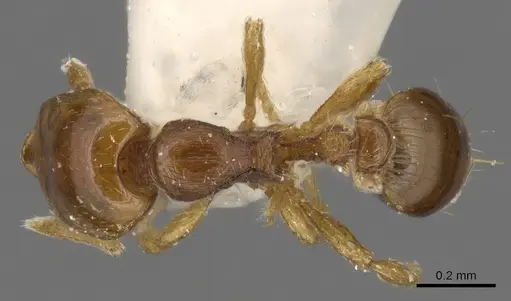
Literature
Loading...Loading products...