

Strumigenys tegar
- Scientific Name
- Strumigenys tegar
- Tribe
- Attini
- Subfamily
- Myrmicinae
- Author
- Fisher, 2000
- Distribution
- Found in 1 countries
Strumigenys tegar Overview
Strumigenys tegar is an ant species of the genus Strumigenys. It is primarily documented in 1 countries , including Madagascar. Detailed taxonomic data and occurrence records can be further explored via authoritative databases such as AntWeb or the Global Biodiversity Information Facility (GBIF).
Strumigenys tegar
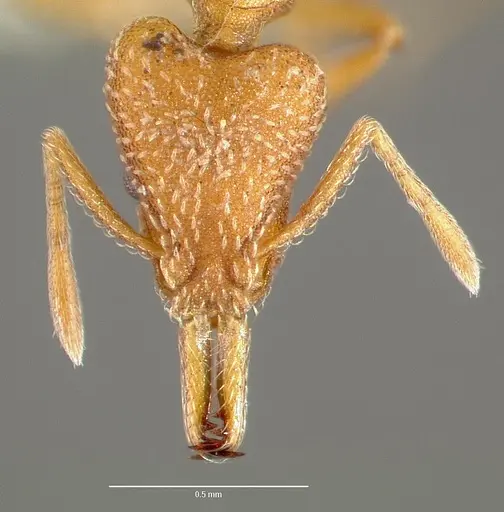
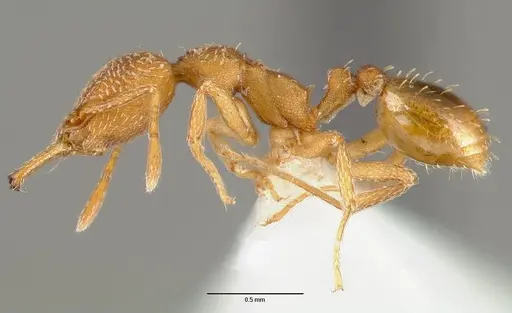
Strumigenys tegar is a tiny predatory ant endemic to Madagascar, found exclusively in forest habitats. Workers are minute at just 2-3mm, with the characteristic trap-jaw mandibles that give the genus its common name. They have a distinctive appearance with a pale/amber gaster and dark head. This species lives in leaf litter on the forest floor, making it a cryptobiotic species that thrives in humid, shaded microhabitats [1]. Unlike many ants, these predators specialize in hunting tiny arthropods like springtails using their explosive mandibles.
Quick Summary
- Difficulty: Medium
- Origin & Habitat: Endemic to Madagascar, found exclusively in forest sites at high elevations. They inhabit leaf litter on the humid forest floor [1].
- Colony Type: Likely monogyne (single queen colonies) based on typical Strumigenys behavior. Colonies remain small, typically under 200 workers.
- Colony: Monogyne
- Founding: Claustral
- Size & Growth:
- Queen: Estimated 3-4mm based on genus patterns
- Worker: 2-3mm [1]
- Colony: Likely under 200 workers based on genus patterns
- Growth: Slow
- Development: Estimated 6-10 weeks based on related Strumigenys species (Development is slow due to their predatory lifestyle and small colony size)
- Antkeeping:
- Temperature: Keep at 22-26°C. They prefer warm, humid conditions similar to tropical forest floor. A heating cable on one side of the nest creates a gentle gradient.
- Humidity: High humidity is critical, aim for 70-85%. These ants live in leaf litter where humidity stays consistently high. Keep the nest substrate moist but not waterlogged.
- Diapause: No true diapause required. Being a tropical species, they need year-round warmth. Reduce feeding slightly during cooler months but maintain temperature.
- Nesting: Y-tong (AAC) nests or naturalistic setups with multiple chambers work well. They prefer tight, humid chambers. A layer of moist soil/peat mixed with rotting wood mimics their natural leaf litter habitat.
- Behavior: These are docile, non-aggressive ants that pose no threat to keepers. Their trap-jaw mechanism is used for hunting tiny prey, not defense. They are slow-moving but have extremely fast mandible strikes when hunting. Escape prevention is important due to their tiny size, they can squeeze through standard barrier gaps. They are cryptic and spend most of their time in the nest or hunting in the substrate.
- Common Issues: tiny size makes escape likely without fine mesh barriers, slow growth can frustrate beginners who overfeed or disturb the colony, high humidity needs can cause mold if ventilation is poor, predatory diet means they need live prey, they won't accept sugar or dead food easily, wild-caught colonies may have parasites that kill them in captivity
Housing and Nest Setup
Strumigenys tegar needs a humid, naturalistic setup that mimics the leaf litter environment of the Madagascar forest floor. A Y-tong (AAC) nest with multiple small chambers works well, or you can create a naturalistic terrarium with a deep substrate layer. The substrate should be a mix of moist peat, coco fiber, and small pieces of rotting wood or leaf litter. This gives the ants hunting grounds and places to hide. Keep the nest area humid (70-85%) while allowing some drier areas for the ants to regulate their moisture needs. Because they are tiny, use fine mesh on any openings, standard barriers won't stop them from escaping. [1]
Feeding and Diet
Strumigenys tegar is a specialized predator that hunts tiny arthropods, primarily springtails (collembola) in the wild. In captivity, their primary food should be live springtails, these are essential and should be the bulk of their diet. You can also offer other tiny live prey like booklice (psocids), dust mites, and fruit flies. They will not accept dead food or sugar sources, this is not a honeydew-feeding species. Feed small amounts every few days, removing any uneaten prey after 24 hours. A well-fed colony will have workers that appear plump and healthy.
Temperature and Seasonal Care
As a tropical Madagascar species, Strumigenys tegar needs year-round warmth. Keep the nest at 22-26°C, with a slight gradient if possible. A heating cable placed on one side of the nest (on top, not underneath to avoid drying) helps maintain these temperatures. Unlike temperate species, they do not require a winter diapause. During cooler months, you may reduce feeding slightly, but maintain warmth and humidity. Sudden temperature drops or drafts can stress these ants and slow their already slow growth. [1]
Behavior and Handling
These are docile, cryptic ants that pose no danger to keepers. Their famous trap-jaw mandibles are used exclusively for hunting tiny prey, not for defense against larger threats. When hunting, they can strike in milliseconds to capture springtails. Workers are slow-moving and spend most of their time in the nest or hunting through the substrate. They are not aggressive and will not swarm or attack if the nest is disturbed, instead, they will retreat deeper into the nest. Observation is best done by watching them hunt, which can be fascinating to watch.
Frequently Asked Questions
Can I keep Strumigenys tegar in a test tube?
Test tubes can work for founding colonies but are not ideal long-term. These ants need hunting space and high humidity that a naturalistic or Y-tong setup provides better. If using test tubes, use multiple connected tubes and keep them very humid.
How long until Strumigenys tegar has first workers?
Expect 6-10 weeks from egg to first worker at optimal temperature (24-26°C). This is a slow process, and growth remains gradual even after the first workers hatch. Be patient, Strumigenys colonies grow much slower than typical ant species.
What do Strumigenys tegar eat?
They are specialized predators that need live tiny prey. Their primary food should be live springtails (collembola). Other acceptable foods include tiny live mites, booklice, and fruit flies. They will not accept dead food, sugar water, or honey.
Are Strumigenys tegar good for beginners?
They are intermediate-level ants due to their specific dietary needs (live springtails required) and high humidity requirements. They are not recommended as a first ant, but are manageable once you have experience with humidity-loving species.
How big do Strumigenys tegar colonies get?
Colonies remain small, typically under 200 workers. This is typical for the genus, they are not large colony builders. A mature colony of 100-150 workers is considered well-established.
Do Strumigenys tegar need hibernation?
No, they do not need hibernation. Being a tropical species from Madagascar, they need year-round warmth (22-26°C). Reducing temperature below 20°C for extended periods can be harmful.
Why are my Strumigenys tegar dying?
Common causes include: too low humidity (below 70%), temperature stress (below 20°C or above 30°C), lack of live prey, or mold from poor ventilation. They are sensitive to environmental changes. Also check for parasites if the colony was wild-caught.
When should I move Strumigenys tegar to a formicarium?
Wait until the colony has at least 20-30 workers before moving. They do better in stable conditions, so avoid disturbing the founding queen. A move should only happen if the test tube or founding setup is clearly inadequate.
Can I keep multiple Strumigenys tegar queens together?
This is not recommended. While colony structure is not fully studied for this species, Strumigenys are typically monogyne (single queen). Combining unrelated queens often leads to fighting.
References

This caresheet is licensed under CC BY-SA 4.0 .
CASENT0005642
View on AntWeb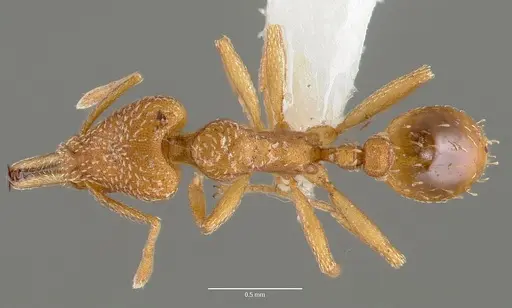
Literature
Loading...Loading products...