

Strumigenys tathula
- Scientific Name
- Strumigenys tathula
- Tribe
- Attini
- Subfamily
- Myrmicinae
- Author
- Bolton, 2000
- Distribution
- Found in 1 countries
Strumigenys tathula Overview
Strumigenys tathula is an ant species of the genus Strumigenys. It is primarily documented in 1 countries , including Madagascar. Detailed taxonomic data and occurrence records can be further explored via authoritative databases such as AntWeb or the Global Biodiversity Information Facility (GBIF).
Strumigenys tathula
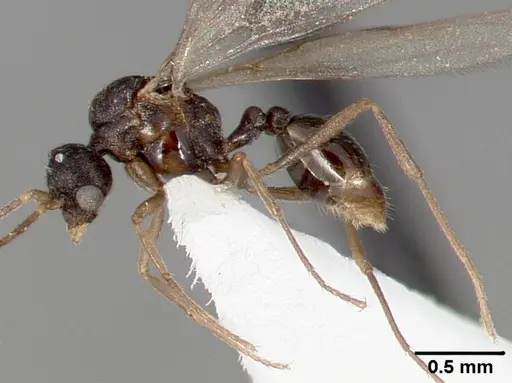
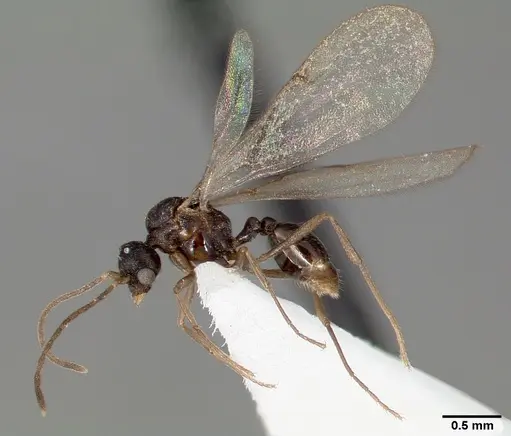
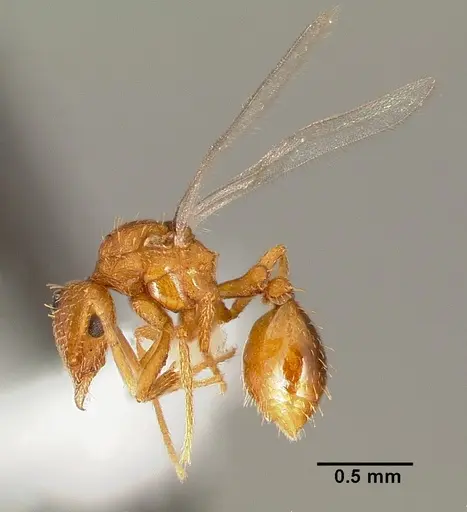
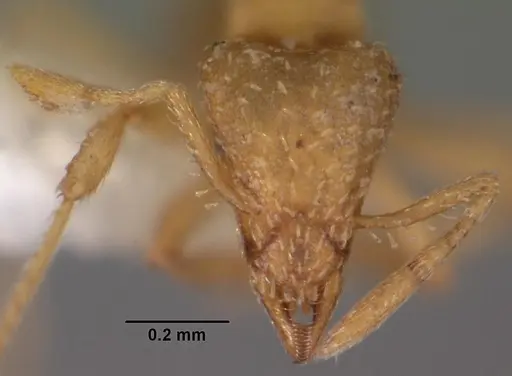
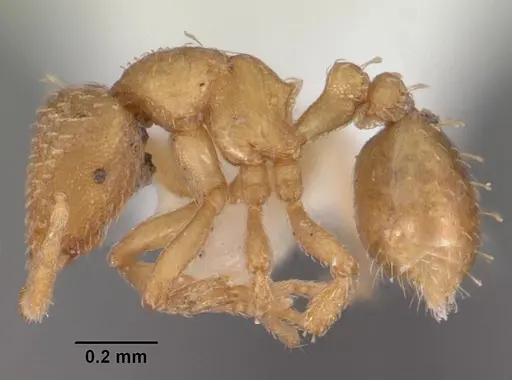
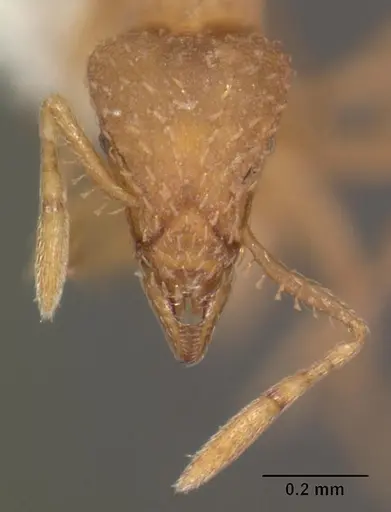
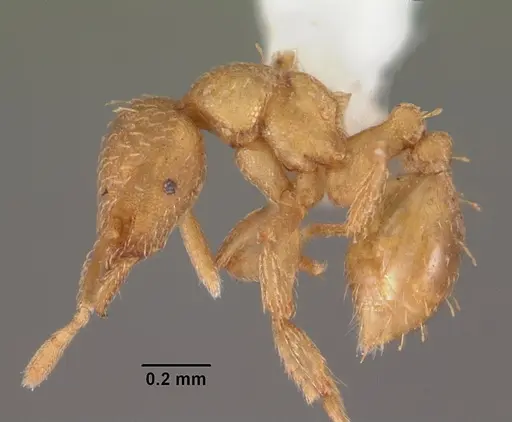
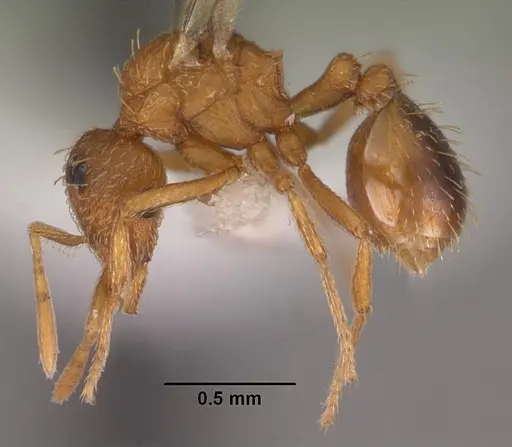
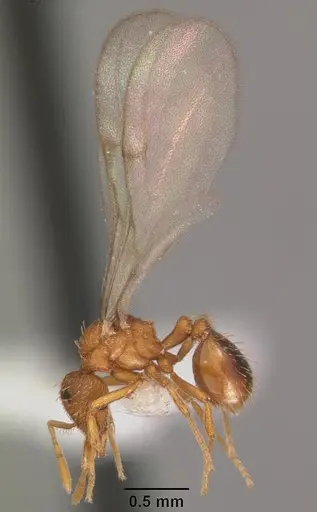
Strumigenys tathula is a tiny predatory ant endemic to Madagascar, originally described under the name Strumigenys tathula [1]. These ants are among the smallest in the ant world, with workers measuring just 2-3mm. They have distinctive trap-jaw mandibles that they use to snap shut on prey with incredible speed, a hunting mechanism that has made their tribe (Dacetini) famous among ant enthusiasts. Their pale to amber coloration helps them blend into the leaf litter and soil of their grassland habitat. The genus Strumigenys contains some of the most specialized predators in the ant world, targeting almost exclusively tiny soil-dwelling arthropods like springtails.
Quick Summary
- Difficulty: Hard
- Origin & Habitat: Endemic to Madagascar, found exclusively in grassland habitats in the high plateau region [1]. They live in leaf litter and soil, typically collected through litter sifting [1].
- Colony Type: Likely monogyne (single queen) based on typical genus patterns. Colony size is small, typically under 100 workers.
- Colony: Monogyne
- Founding: Claustral
- Size & Growth:
- Queen: Estimated 3-4mm based on genus typical measurements
- Worker: Estimated 2-3mm based on genus typical measurements
- Colony: Likely under 100 workers based on typical Strumigenys colony sizes
- Growth: Slow, specialized predators typically develop slowly
- Development: Estimated 8-12 weeks based on related Dacetini species patterns (Development times are estimated as no specific study exists for this species. Temperature will significantly affect development speed.)
- Antkeeping:
- Temperature: Keep at 22-26°C. Madagascar species generally prefer warm conditions. Use a heating cable on one side of the nest to create a gentle gradient.
- Humidity: High humidity (70-80%) is essential. These ants come from grassland litter layers where moisture is consistent. Keep the nest substrate moist but not waterlogged.
- Diapause: Likely no true diapause required, Madagascar has mild seasonal variation. However, a slight cooling period (18-20°C) during winter months may be beneficial.
- Nesting: Y-tong (AAC) nests or plaster nests work well. They prefer tight chambers scaled to their tiny size. A naturalistic setup with a soil layer also works since they naturally nest in litter and soil.
- Behavior: Very docile and non-aggressive. They are specialized predators that hunt tiny arthropods using their trap-jaw mandibles. They are not defensive and rarely sting. Escape prevention is critical, their tiny size means they can squeeze through standard barrier gaps. They are slow-moving and spend most of their time foraging in the substrate.
- Common Issues: specialized diet makes them difficult to feed, they require live springtails or other micro-prey, escape prevention is critical due to their tiny size, use fine mesh barriers, slow growth can frustrate beginners who overfeed or disturb the colony, they may refuse pre-killed prey, live food is often required to trigger hunting behavior, wild-caught colonies may have parasites that kill them in captivity
Housing and Nest Setup
Strumigenys tathula is a tiny ant that requires careful housing. Y-tong (AAC) nests work excellently because they provide the tight chambers and narrow passages these small ants prefer. Plaster nests are also suitable and allow you to control humidity more easily. Avoid tall, open spaces, these ants feel safest in compact, snug chambers. Since they naturally nest in leaf litter and soil, a naturalistic setup with a thin soil layer can also work well. Whatever nest type you choose, ensure it has a water reservoir to maintain humidity without frequent misting. [1]
Feeding and Diet
This is the most challenging aspect of keeping Strumigenys tathula. They are specialized predators that hunt tiny arthropods, primarily springtails. In captivity, their primary food should be live springtails, these are small enough for the ants to tackle and provide proper nutrition. Other tiny live prey like woodlice (isopods), mite eggs, or fruit fly larvae may also be accepted. They will typically ignore pre-killed or frozen prey, the movement triggers their hunting instinct. Sugar sources are generally not accepted by this genus. Feed every 2-3 days, offering only what the colony can consume within 24 hours.
Temperature and Humidity
Maintain temperatures between 22-26°C for optimal colony activity and brood development. A heating cable placed on one side of the nest creates a gentle temperature gradient that allows the ants to regulate their own conditions. Humidity is critical, aim for 70-80% relative humidity. The nest substrate should remain consistently moist but never waterlogged. You can achieve this by connecting a water reservoir to the nest or by misting the substrate lightly when it begins to dry. Poor humidity leads to desiccation and colony loss.
Behavior and Temperament
Strumigenys tathula is an extremely docile species. They have no interest in defending their colony and pose no threat to keepers. Their trap-jaw mandibles are designed for hunting tiny prey, not for defense against larger animals. They are slow-moving and spend most of their time foraging through the substrate in search of springtails. Workers are solitary foragers, they do not use chemical trails to recruit nestmates to food sources. This means you may only see one or two workers at a time even when the colony is healthy.
Colony Development
Colony growth is slow compared to many common ant species. A founding queen will lay her first batch of eggs and raise the first workers (nanitics) alone, sealed in her claustral chamber. The first workers are typically smaller than mature workers and may take several months to develop. Once the colony establishes its first workers, growth continues slowly. Expect a mature colony to contain perhaps 50-80 workers. The key to successful colony development is providing consistent, appropriate conditions and a steady supply of live prey.
Frequently Asked Questions
What do Strumigenys tathula ants eat?
They are specialized predators that require live springtails or other tiny live arthropods. They typically ignore pre-killed food. Other acceptable live prey includes tiny woodlice, mite eggs, and fruit fly larvae.
How long does it take for Strumigenys tathula to raise first workers?
Based on related species, expect 8-12 weeks from egg to first worker at optimal temperature (24-26°C). Growth is slow, and the first workers (nanitics) will be smaller than mature workers.
Can I keep Strumigenys tathula in a test tube?
Test tubes can work for founding colonies, but these tiny ants are excellent escape artists. You will need excellent escape prevention like Fluon on the test tube rim or fine mesh covering. A Y-tong nest is often a better long-term option.
Are Strumigenys tathula good for beginners?
No, they are considered difficult to keep. Their specialized live-food diet and high humidity requirements make them challenging. They are better suited for experienced antkeepers who can provide consistent care.
What temperature do Strumigenys tathula need?
Keep them warm at 22-26°C. A heating cable on one side of the nest creates a gradient. Avoid temperatures below 20°C or above 30°C.
How big do Strumigenys tathula colonies get?
Colony size remains small, likely under 100 workers at maturity. This is typical for the genus as they are not a rapid colony-growth species.
Do Strumigenys tathula need hibernation?
Probably not. As a Madagascar species from a mild climate, they do not require a true diapause. A slight cooling to 18-20°C during winter months may be beneficial but is not strictly necessary.
Why are my Strumigenys tathula dying?
The most common causes are: lack of live prey (they will starve if only given dead food), low humidity (causes desiccation), or escape (they are tiny and easily lost). Check these factors first.
Can I keep multiple Strumigenys tathula queens together?
This has not been documented for this species. Based on typical genus behavior, single-queen colonies are most common. Combining unrelated queens is not recommended.
References

This caresheet is licensed under CC BY-SA 4.0 .
CASENT0005460
View on AntWeb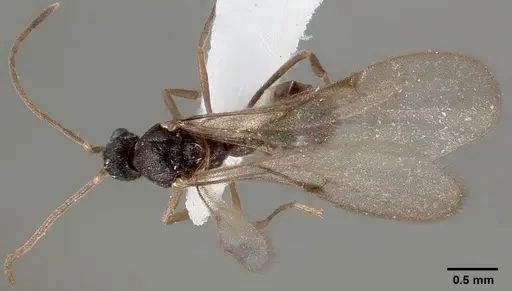
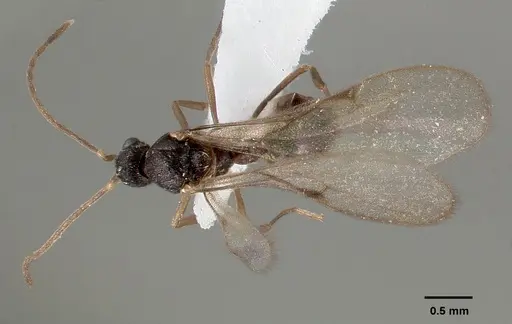
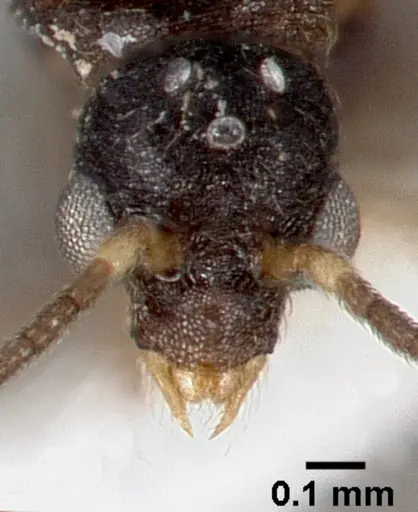
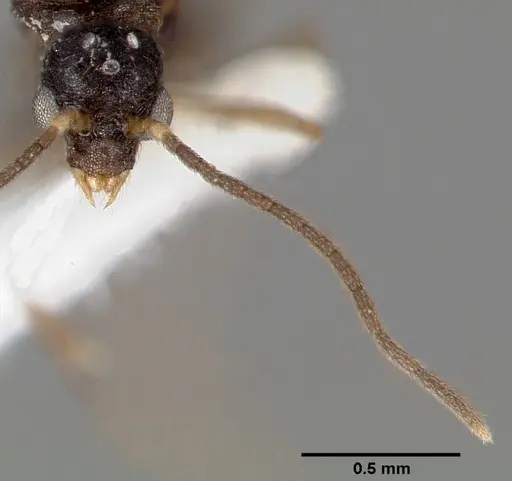
CASENT0005461
View on AntWeb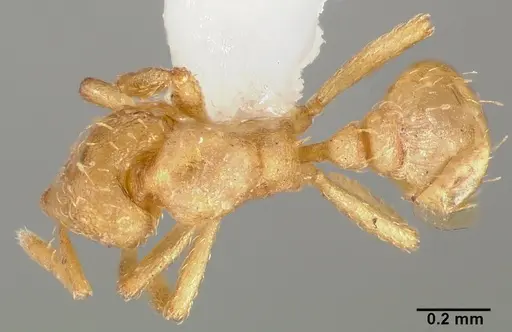
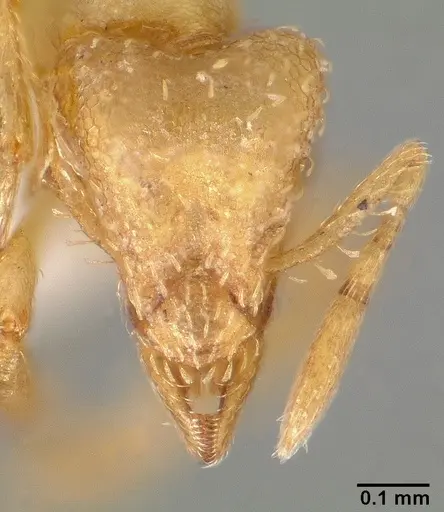
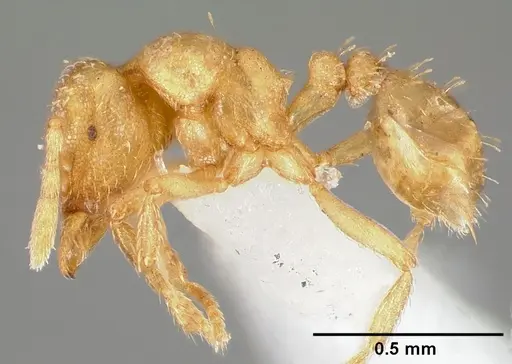
CASENT0006070
View on AntWeb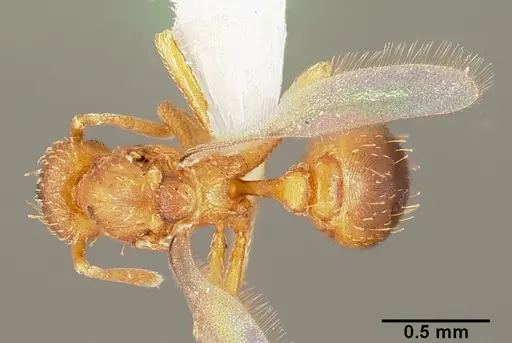
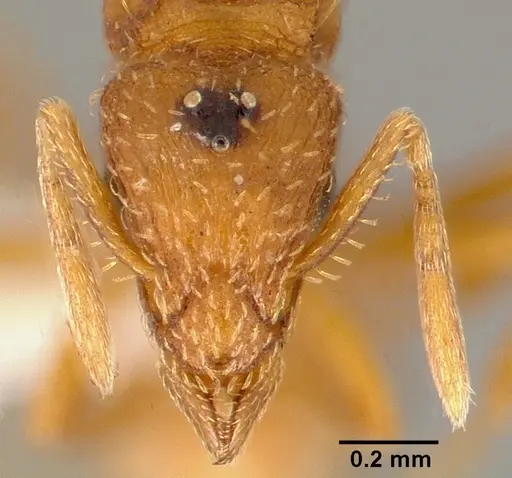
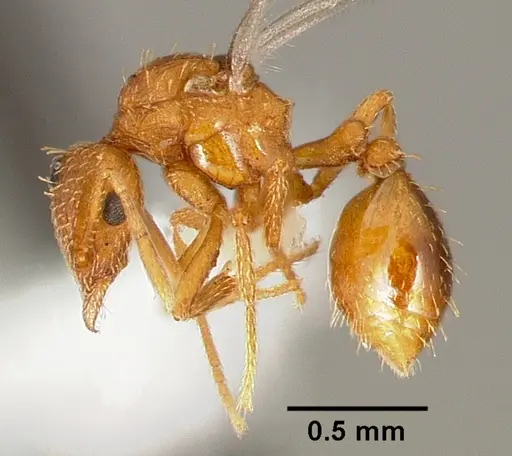
CASENT0006071
View on AntWeb
CASENT0102259
View on AntWeb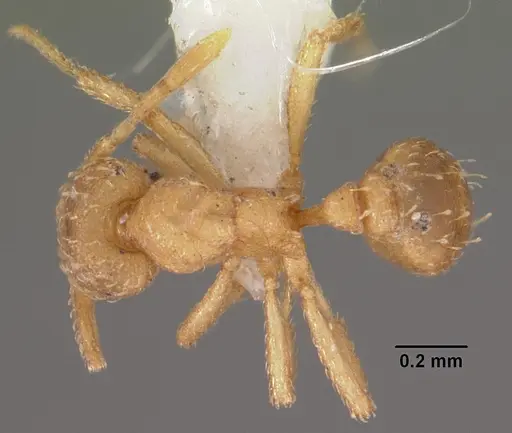
CASENT0102260
View on AntWeb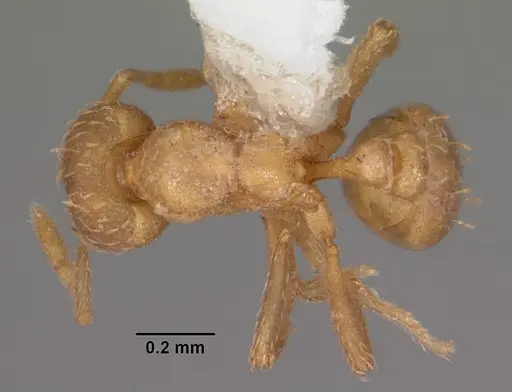
CASENT0102261
View on AntWeb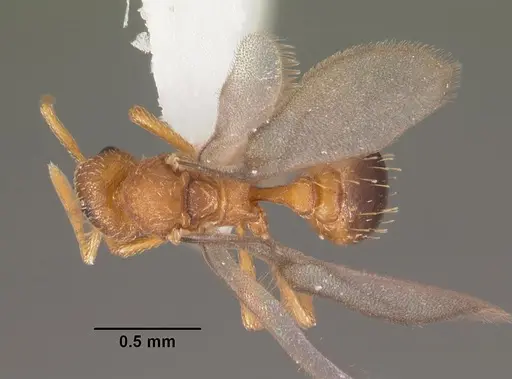
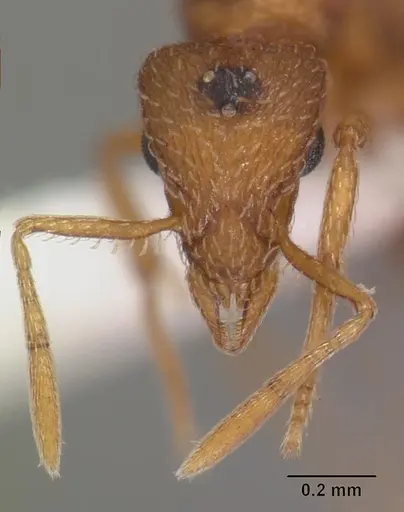
Literature
Loading...Loading products...