

Strumigenys tacta
- Scientific Name
- Strumigenys tacta
- Tribe
- Attini
- Subfamily
- Myrmicinae
- Author
- Bolton, 1983
- Distribution
- Found in 1 countries
Strumigenys tacta Overview
Strumigenys tacta is an ant species of the genus Strumigenys. It is primarily documented in 1 countries , including Uganda. Detailed taxonomic data and occurrence records can be further explored via authoritative databases such as AntWeb or the Global Biodiversity Information Facility (GBIF).
Strumigenys tacta
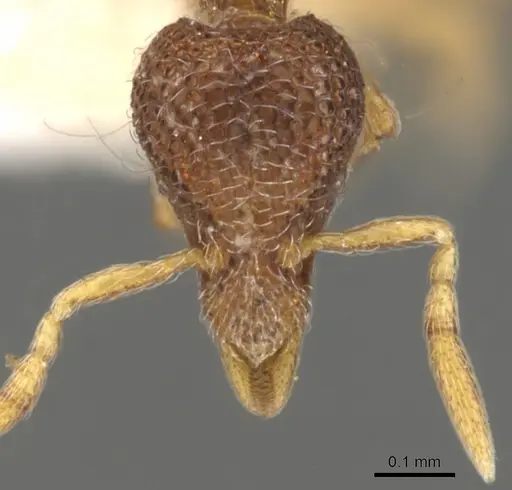
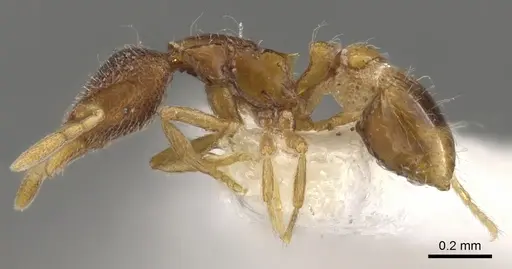
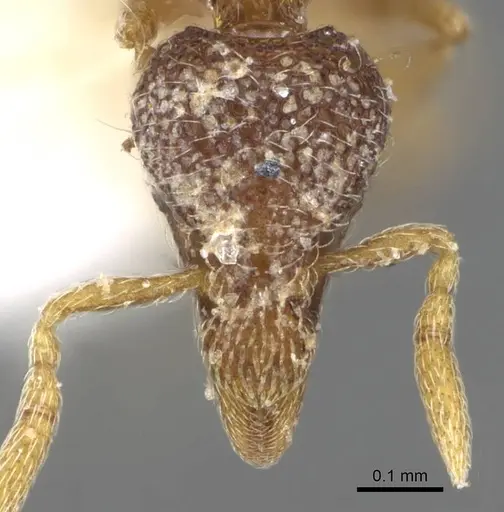
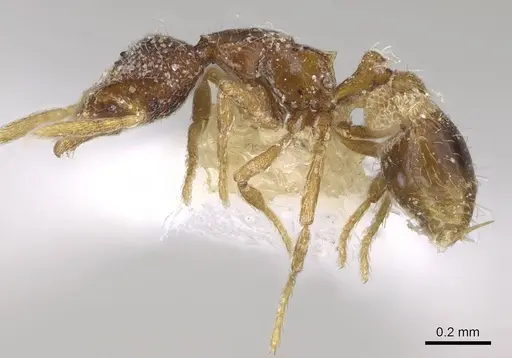
Strumigenys tacta is a tiny predatory ant measuring just 1.7-1.8mm in total length, with workers ranging from 0.29-0.31mm in head width. These ants are yellow to yellowish-brown in color and belong to the Strumigenys baudueri group, characterized by their distinctive 4-segmented antennae and sharply marginate pronotum with a longitudinal median carina. The species is widely distributed across the Afrotropical region, found in Ivory Coast (type locality), Ghana, Democratic Republic of Congo, Gabon, Cameroon, and Uganda where it inhabits forest leaf litter [1][2].
These ants are specialized predators that hunt micro-arthropods, particularly springtails, using their trap-jaw mandibles. As with other Strumigenys species, they form small colonies and are typically found in moist forest floor environments. Their tiny size and cryptic lifestyle make them a challenging but fascinating species for experienced antkeepers interested in predatory micro-ants.
Quick Summary
- Difficulty: Expert
- Origin & Habitat: Afrotropical region, Ivory Coast, Ghana, Democratic Republic of Congo, Gabon, Cameroon, and Uganda. Found in forest leaf litter samples [1][2].
- Colony Type: Likely monogyne (single queen) based on typical Strumigenys colony structure. Colony size is small, typically under 100 workers for this genus.
- Colony: Monogyne
- Size & Growth:
- Queen: Unknown for this species, estimated similar to other Strumigenys at 2-3mm
- Worker: 1.7-1.8mm total length, HW 0.29-0.31mm
- Colony: Likely under 100 workers based on typical Strumigenys colony sizes
- Growth: Slow
- Development: Unknown, estimated 8-12 weeks based on related Strumigenys species (Development is slow due to small colony size and specialized predatory lifestyle)
- Antkeeping:
- Temperature: Keep around 22-26°C, these are tropical forest ants that need warmth. A gentle gradient with a heating cable on one side of the nest works well.
- Humidity: High humidity is essential, think damp forest floor. Keep the nest substrate consistently moist but not waterlogged. These ants are found in leaf litter which retains moisture.
- Diapause: Likely no true diapause, being a tropical species, they probably slow down slightly during cooler months but do not require hibernation
- Nesting: Naturalistic setup works best, they nest in leaf litter and rotting wood in the wild. A naturalistic terrarium with moist soil, leaf litter, and small hiding spots mimics their natural environment. Y-tong nests with very small chambers may also work.
- Behavior: These ants are peaceful and not aggressive. They are specialized predators that hunt springtails and other micro-arthropods using their trap-jaw mandibles. Workers forage individually through leaf litter rather than in groups. Their tiny size makes escape prevention critical, they can squeeze through the smallest gaps. They are shy and will avoid confrontation, retreating rather than fighting.
- Common Issues: escape prevention is critical due to their tiny 1.7mm size, use fine mesh and tight-fitting lids, specialized diet requirements, they need live springtails or other micro-arthropods, not standard ant food, high humidity needs, dry conditions will kill them quickly, slow growth means colonies develop slowly and beginners may lose patience, small colony size makes them vulnerable to stress, handle minimally
Housing and Nest Setup
Strumigenys tacta requires a setup that mimics their natural forest floor habitat. A naturalistic terrarium works best, use a small container with moist soil (coconut fiber or soil mix), add leaf litter, small pieces of rotting wood, and moss to create a humid micro-environment. The substrate should remain consistently moist but never waterlogged. Because these ants are only 1.7mm, they need very small spaces to feel secure. You can also use a Y-tong (AAC) nest with the smallest chambers available, but ensure the outworld is also small-scale to prevent workers getting lost. Regardless of setup, escape prevention must be excellent, these tiny ants can squeeze through gaps you didn't know existed. Use fine mesh on any ventilation holes. [1]
Feeding and Diet
These ants are specialized predators that hunt micro-arthropods. Their primary food source should be live springtails, this is the most important thing to get right. Springtails are the natural prey of Strumigenys in the wild and should make up the bulk of their diet. You can culture your own springtails in a separate container with moist soil and decaying vegetation. Other small live prey may be accepted experimentally, such as booklice (psocids), tiny mites, or fruit fly larvae, but success varies. Do not rely on sugar sources, honey, or protein gels, these ants are obligate predators and typically ignore carbohydrate foods. Feed small amounts of prey every few days, removing any uneaten prey after 24 hours to prevent mold.
Temperature and Humidity
As a tropical forest species from Central and West Africa, Strumigenys tacta needs warm and humid conditions. Keep the nest area at 22-26°C, this range supports normal activity and brood development. A heating cable placed on one side of the nest creates a gentle temperature gradient that allows ants to regulate their own temperature by moving between warmer and cooler areas. Humidity is critical, maintain 70-80% relative humidity in the nest area. The substrate should feel damp to the touch. Mist the setup occasionally but rely more on a large water reservoir to maintain stable humidity. Avoid both stagnant air (causes mold) and excessive airflow (causes drying). Place the setup away from direct sunlight and air conditioning vents. [1][2]
Colony Care and Growth
Strumigenys tacta forms small colonies, typically under 100 workers. Growth is slow, you may only see a few new workers per month once the colony is established. This slow growth is normal for the genus and should not cause concern. The queen is difficult to distinguish from workers due to their small size. Handle the colony as little as possible, these tiny ants are sensitive to vibration and stress. When moving or observing, do so gently and without disturbing the nest structure. Watch for signs of health: active foragers, brood at various stages, and workers responding to prey. If workers become sluggish or brood stops developing, check humidity and temperature levels. Unlike larger ants, colonies cannot bounce back quickly from poor conditions.
Behavior and Temperament
These are peaceful, shy ants that avoid confrontation. Workers forage individually through leaf litter rather than in groups, searching for springtails and other small prey. Their trap-jaw mandibles are used to capture fast-moving prey, you may observe them snapping at springtails with remarkable speed. They are not defensive and will not attack threats larger than themselves. Instead, they retreat into leaf litter or small crevices. Because of their tiny size and peaceful nature, they are best kept in a species-only setup, they cannot compete with larger ants. Their small colony size and cryptic lifestyle make them a species for experienced antkeepers who appreciate subtle behaviors rather than dramatic displays.
Frequently Asked Questions
What do Strumigenys tacta ants eat?
They eat live springtails and other micro-arthropods. Springtails should be their primary food, culture your own or purchase regularly. They are obligate predators and do not accept sugar, honey, or protein gels. Other small live prey like booklice may be accepted experimentally.
How long does it take for Strumigenys tacta to produce first workers?
The exact timeline is unconfirmed, but based on related Strumigenys species, expect 8-12 weeks from egg to first worker at optimal temperature (22-26°C). Growth is slow and colonies remain small, this is normal for the genus.
Can I keep Strumigenys tacta in a test tube?
A test tube setup can work for founding colonies but is not ideal long-term. These ants need a naturalistic setup with moist substrate, leaf litter, and small hiding spots. A small naturalistic terrarium or modified Y-tong nest with tiny chambers is more appropriate.
Are Strumigenys tacta good for beginners?
No. This is an expert-level species due to their specialized diet (live springtails required), high humidity needs, tiny size making escape prevention difficult, slow growth, and overall fragility. They are best suited for experienced antkeepers who already keep other predatory micro-ants.
How big do Strumigenys tacta colonies get?
Colony size remains small, likely under 100 workers even at maturity. This is typical for the genus. Do not expect large, impressive colonies. The focus is on observing their fascinating predatory behavior rather than colony size.
Do Strumigenys tacta need hibernation?
No. Being a tropical species from Central and West Africa, they do not require hibernation. However, they may slow down slightly during cooler months. Simply maintain normal temperatures (22-26°C) year-round.
Why are my Strumigenys tacta dying?
Common causes include: dry conditions (they need high humidity), lack of live springtail prey (they will not survive on other foods), escape through tiny gaps, mold from over-misting or poor ventilation, and stress from excessive handling. Check humidity levels first, then verify prey availability.
When should I move Strumigenys tacta to a formicarium?
For this species, a naturalistic setup is preferable to a traditional formicarium. If you start with a test tube for the founding queen, transfer to a small naturalistic terrarium once the colony has 10+ workers. The key is providing moist leaf litter and small spaces, not a specific nest type.
Can I keep multiple Strumigenys tacta queens together?
This has not been studied for this specific species. Based on typical Strumigenys behavior, single-queen colonies are most common. Combining unrelated queens is not recommended, they may fight or stress each other. Stick to one queen per colony.
References

This caresheet is licensed under CC BY-SA 4.0 .
CASENT0102556
View on AntWeb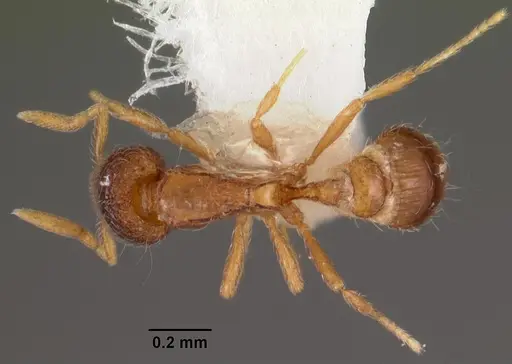
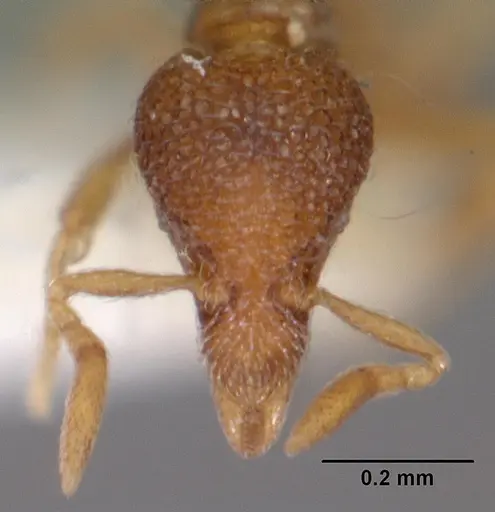
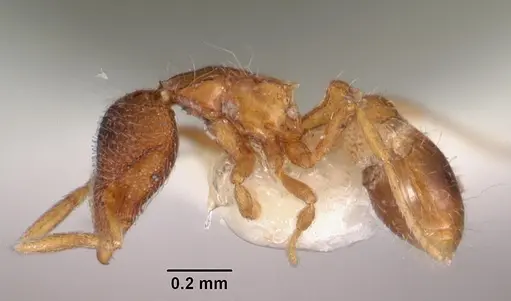
CASENT0845045
View on AntWeb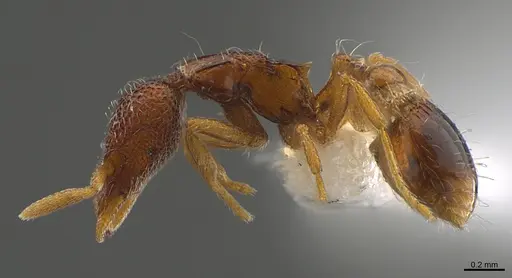
CASENT0900101
View on AntWeb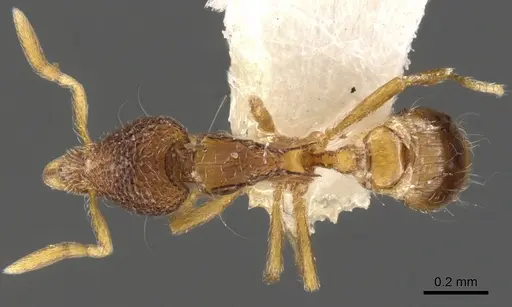
CASENT0914722
View on AntWeb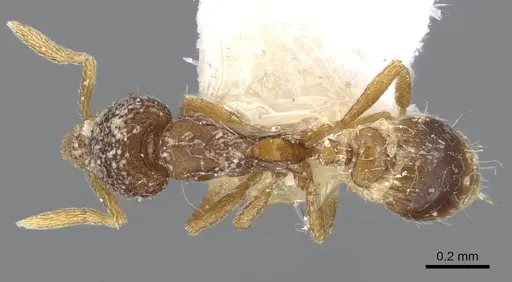
Literature
Loading...Loading products...