

Strumigenys splendens
- Scientific Name
- Strumigenys splendens
- Tribe
- Attini
- Subfamily
- Myrmicinae
- Author
- Borgmeier, 1954
- Distribution
- Found in 1 countries
Strumigenys splendens Overview
Strumigenys splendens is an ant species of the genus Strumigenys. It is primarily documented in 1 countries , including Brazil. Detailed taxonomic data and occurrence records can be further explored via authoritative databases such as AntWeb or the Global Biodiversity Information Facility (GBIF).
Strumigenys splendens
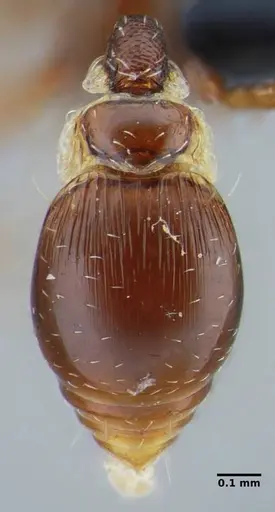
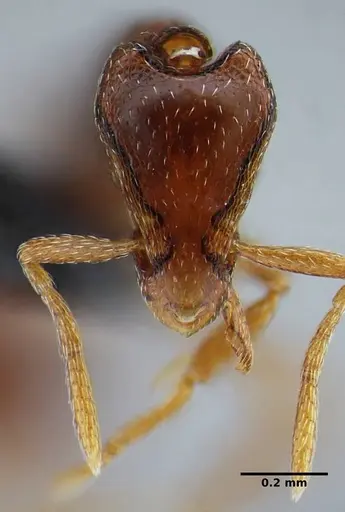
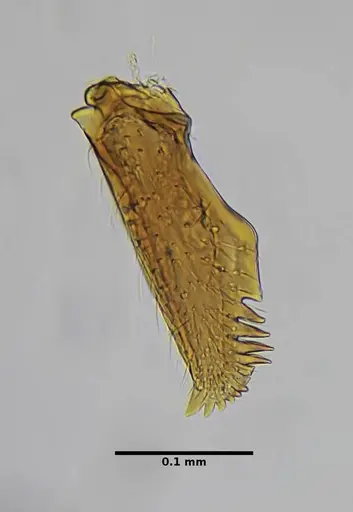
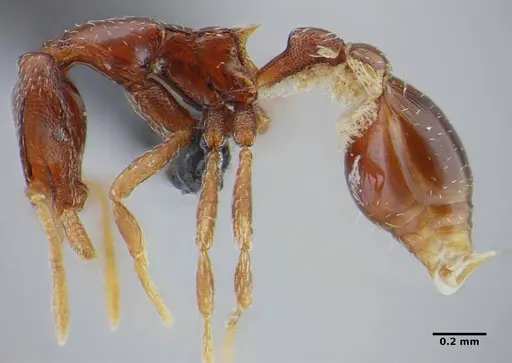
Strumigenys splendens is a tiny predatory ant measuring just 2.4-2.6mm in total length, belonging to the tribe Attini within the subfamily Myrmicinae. Workers have a smooth, shining head and alitrunk with fine reticulate-punctate sculpture on the propodeum and petiole node. The species lacks the specialized features found in other members of the splendens group, no expanded clypeus, no concealed preocular carinae, no shortened scapes, and no projecting hairs, making it the most generalized species in its group. This ant is native to the Neotropical region, specifically found in southern Brazil (Santa Catarina) and northern Argentina, typically at elevations of 300-500 meters [1].
The genus Strumigenys is famous for its trap-jaw mechanism, workers can snap their mandibles shut at incredible speeds to capture prey, primarily springtails and other micro-arthropods. However, no specific biological or behavioral data exists for S. splendens itself, making this a challenging species to keep for anyone interested in observing these specialized hunting behaviors in this particular species.
Quick Summary
- Difficulty: Expert
- Origin & Habitat: Southern Brazil (Santa Catarina) and northern Argentina, Neotropical region, elevation 300-500m [1]. Typical Atlantic Forest habitat with leaf litter microhabitats.
- Colony Type: Colony structure is unconfirmed. Most Strumigenys species are monogyne (single queen), but this has not been documented for S. splendens specifically.
- Size & Growth:
- Queen: Undescribed, queen size unknown
- Worker: 2.4-2.6mm total length, HL 0.63-0.68mm, HW 0.39-0.43mm
- Colony: Unknown, no colony size data exists for this species
- Growth: Unknown, likely slow based on genus patterns
- Development: Unconfirmed, likely 6-10 weeks based on related Strumigenys species (No direct development data exists for this species. Estimates based on typical Strumigenys genus patterns.)
- Antkeeping:
- Temperature: Based on Neotropical habitat, aim for 22-26°C. Avoid temperatures below 20°C as this species comes from a warm region.
- Humidity: High humidity required, these are leaf-litter ants from humid forest habitats. Keep substrate consistently moist but not waterlogged.
- Diapause: Unlikely, being a Neotropical species, they probably do not require true diapause. May experience reduced activity in cooler months.
- Nesting: In captivity, a small test tube setup or Y-tong nest with tight chambers works well. They prefer tight, humid spaces. Provide a small outworld for hunting.
- Behavior: Strumigenys are specialized predators that hunt springtails and other tiny arthropods using their trap-jaw mandibles. Workers are small and can escape through very small gaps, escape prevention is critical. They are not aggressive toward humans and cannot sting. Their small size and specialized diet make them challenging to keep.
- Common Issues: escape prevention is critical due to their tiny 2.4mm size, they can squeeze through standard mesh, specialized diet, they require live springtails or micro-arthropods, not standard ant food, no biological data exists, keepers are essentially working with unknown requirements, slow growth and small colony sizes make them fragile, high humidity needs can lead to mold problems if not managed properly
Housing and Nest Setup
Strumigenys splendens is an extremely small ant, with workers measuring only 2.4-2.6mm. This tiny size requires special attention to housing. Use a small test tube setup or a Y-tong (AAC) nest with very tight-fitting connections and fine mesh barriers. Standard ant keeping mesh will not contain them, use fabric mesh or petroleum jelly barriers on smooth surfaces. The nest chamber should be small and snug for the colony size. Provide a small outworld area where you can introduce prey items. Because they come from humid Neotropical forests, the nest should maintain high humidity. A water tube connected to a cotton plug works well for maintaining moisture. Avoid using setups with large open spaces where these tiny ants could get lost or overwhelmed. [1][2]
Feeding and Diet
Strumigenys are specialized predators that use their trap-jaw mandibles to capture fast-moving prey, primarily springtails (Collembola) and other micro-arthropods [2]. This species almost certainly requires live prey, they will not accept sugar water or dead insects like many other ants do. You will need to culture springtails or have a reliable source of tiny live prey. Other small prey like booklice (psocids), dust mites, and fruit flies may also be accepted. Feed small prey items every few days, removing any uneaten prey to prevent mold. The key challenge with this species is that they are obligate predators, there is no shortcut or substitute for live micro-prey. Do not attempt to keep this species unless you are prepared to maintain a springtail culture or have access to other tiny live prey.
Temperature and Humidity
As a Neotropical species from southern Brazil and Argentina, Strumigenys splendens prefers warm, humid conditions. Aim for temperatures in the range of 22-26°C, avoid letting temperatures drop below 20°C for extended periods. Room temperature in most homes should be suitable, but monitor during winter. Humidity is critical, these ants live in leaf litter environments where moisture is constantly present. Keep the nest substrate consistently moist but not waterlogged. A damp cotton plug in the water tube provides humidity. You can mist the outworld occasionally, but avoid direct spraying on the nest. The combination of high humidity and warm temperatures can promote mold growth, so ensure adequate ventilation while maintaining moisture. [1]
Colony Development and Growth
No specific development data exists for Strumigenys splendens, this is one of the least studied ant species in the hobby. Based on typical Strumigenys patterns, colonies likely grow slowly and remain small. Expect a colony to take many months to reach even 50 workers. Queens are undescribed, so founding behavior is unknown, but based on the genus, they are likely claustral (queen seals herself in and raises first workers alone from stored fat). Be patient with this species. Do not disturb the founding chamber once the queen has sealed herself in. Colonies should not be moved until they have established a stable worker population. The lack of biological data means you are essentially pioneering captive husbandry for this species, careful observation and documentation of your results would be valuable. [2]
Behavior and Temperament
Strumigenys workers are not aggressive and pose no threat to humans, they are tiny and their mandibles are adapted for hunting microscopic prey, not defense. However, their small size makes them excellent escape artists. They can squeeze through gaps that seem impossible. Always use fine mesh and check for any gaps in your setup. In terms of behavior, Strumigenys are fascinating to watch, workers hunt by slowly stalking prey, then snapping their mandibles shut with incredible speed. This trap-jaw mechanism is one of the fastest known in the animal kingdom. However, observing this behavior in S. splendens specifically would be a rare treat given how little is known about this species in captivity. [2]
Frequently Asked Questions
How long does it take for Strumigenys splendens to produce first workers?
Unknown, no development data exists for this specific species. Based on related Strumigenys species, expect 6-10 weeks from egg to worker at optimal temperature (around 24°C). However, this is an estimate only.
Can I keep Strumigenys splendens in a test tube?
Yes, a test tube setup is appropriate for this tiny ant. Use a small test tube with a water reservoir and cotton plug. However, escape prevention is critical, they are only 2.4mm and can squeeze through tiny gaps. Use fine mesh and check all connections.
What do Strumigenys splendens eat?
Like all Strumigenys, they are specialized predators that require live micro-prey, primarily springtails. They will not accept sugar water or dead insects. You will need to culture springtails or provide other tiny live arthropods as food.
Are Strumigenys splendens good for beginners?
No. This is an expert-level species due to several factors: their tiny size requires excellent escape prevention, they have an extremely specialized diet requiring live springtails, and almost no biological data exists for captive care. They are not recommended for beginners.
How big do Strumigenys splendens colonies get?
Unknown, no colony size data exists for this species. Based on related Strumigenys species, colonies likely remain small, probably under 100-200 workers even at maturity.
Do Strumigenys splendens need hibernation?
No. Being a Neotropical species from warm Brazil and Argentina, they do not require true diapause. However, they may show reduced activity during cooler months. Simply maintain normal room temperature year-round.
Can I keep multiple queens together?
Not recommended and likely unnecessary. Colony structure has not been documented for this species, but most Strumigenys are monogyne (single queen). There is no benefit to attempting multi-queen setups with no data to support it.
Why are my Strumigenys splendens dying?
Without biological data, diagnosing problems is difficult. However, common issues include: escape (they are tiny), starvation (if not providing live springtails), mold (from excessive moisture), and temperature stress (too cold). Review each of these factors. Also note that wild-caught colonies may carry parasites.
What temperature do Strumigenys splendens need?
Keep them warm, aim for 22-26°C. They come from a warm Neotropical region and will not tolerate cold temperatures. Room temperature in most homes is suitable, but monitor during winter months.
References

This caresheet is licensed under CC BY-SA 4.0 .
CASENT0281989
View on AntWeb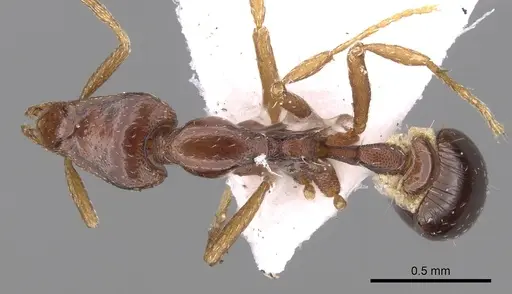
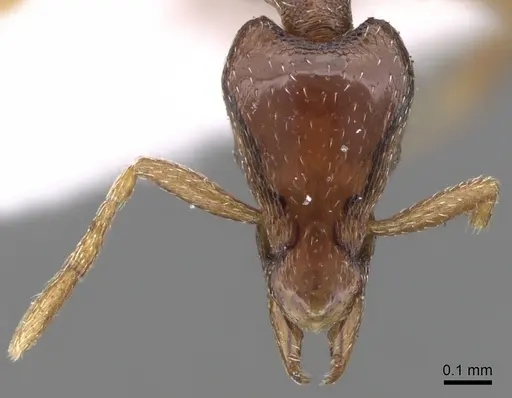
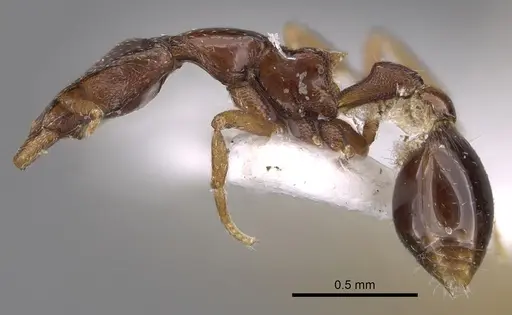
UFV-LABECOL-000096
View on AntWeb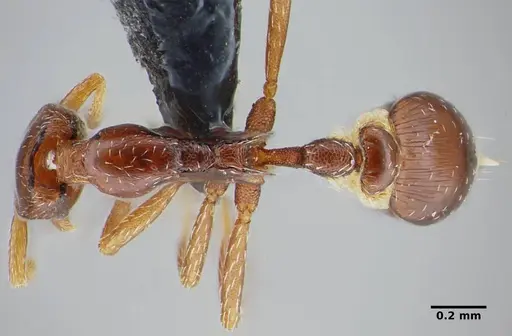
Literature
Loading...Loading products...