

Strumigenys smithii
- Scientific Name
- Strumigenys smithii
- Tribe
- Attini
- Subfamily
- Myrmicinae
- Author
- Forel, 1886
- Distribution
- Found in 10 countries
Strumigenys smithii Overview
Strumigenys smithii is an ant species of the genus Strumigenys. It is primarily documented in 10 countries , including Brazil, Colombia, Costa Rica. Detailed taxonomic data and occurrence records can be further explored via authoritative databases such as AntWeb or the Global Biodiversity Information Facility (GBIF).
Strumigenys smithii
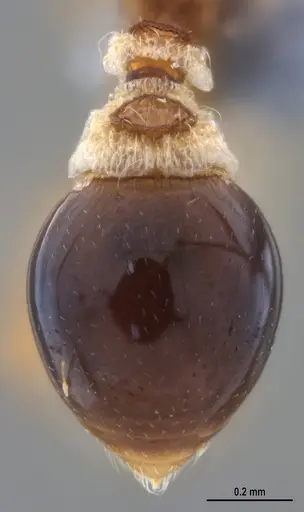
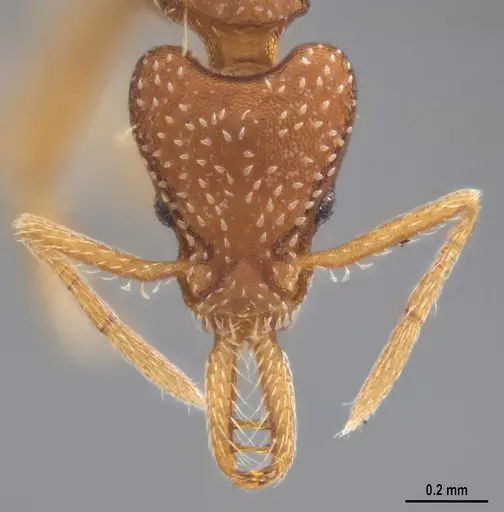
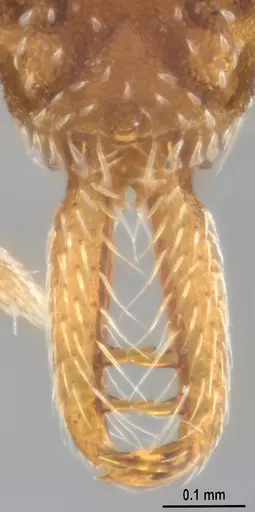
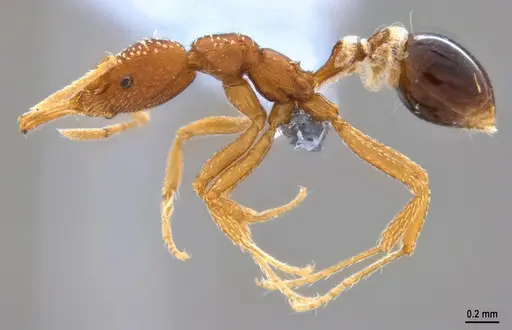
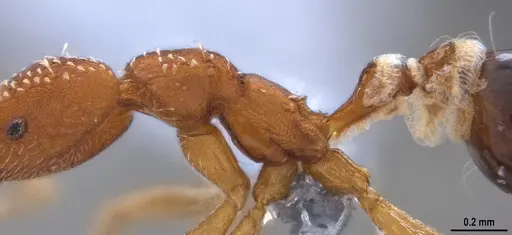
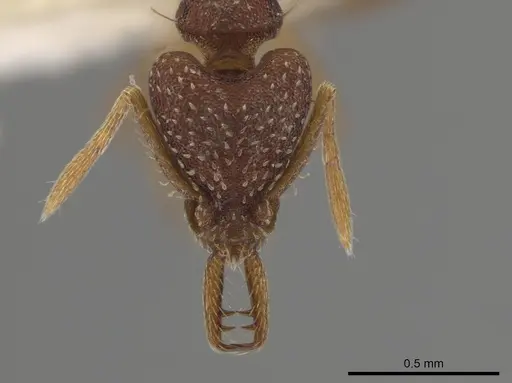
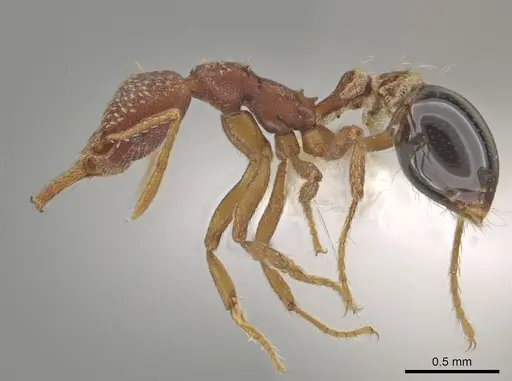
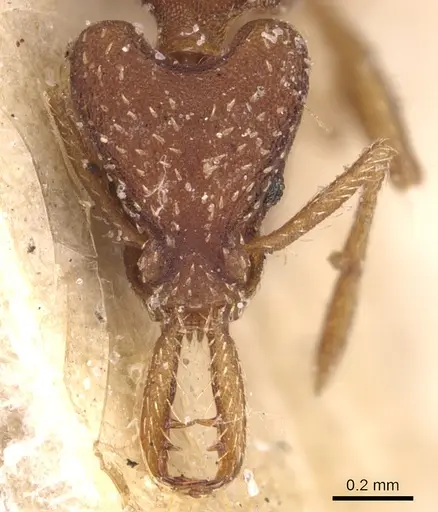
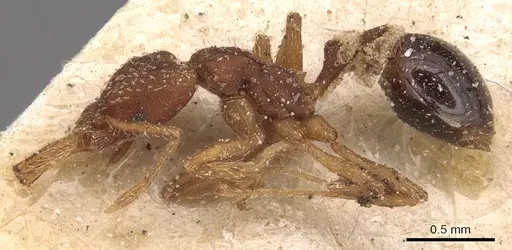
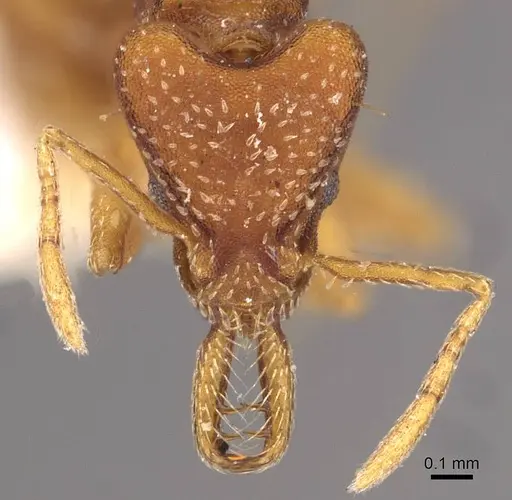
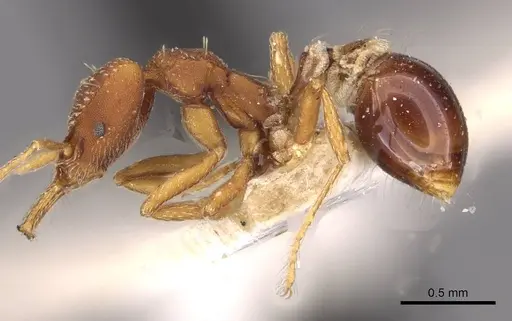
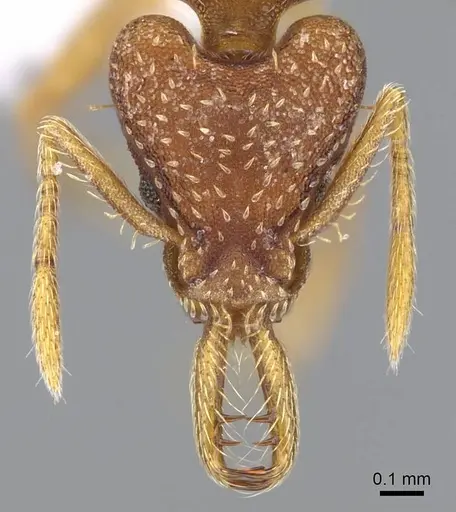
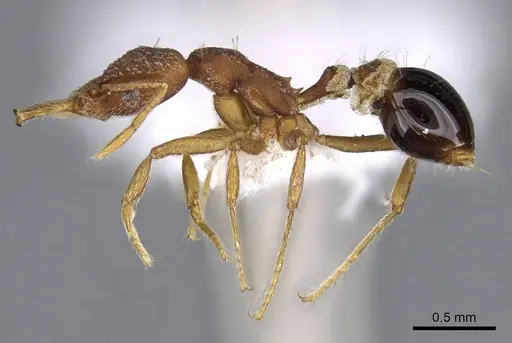
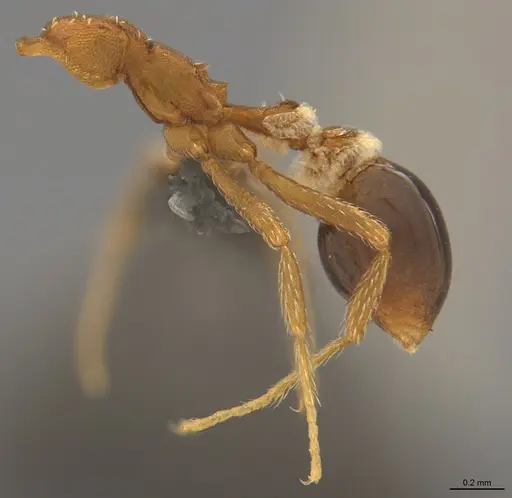
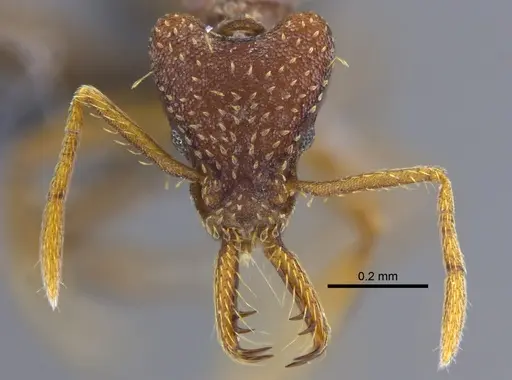
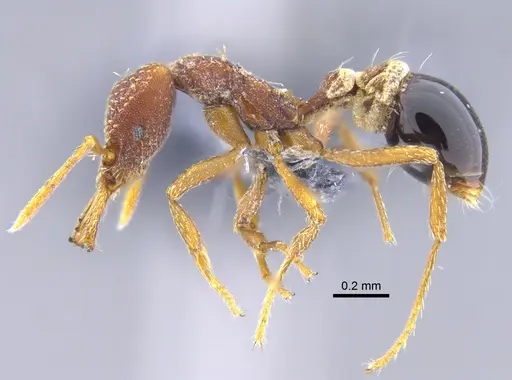
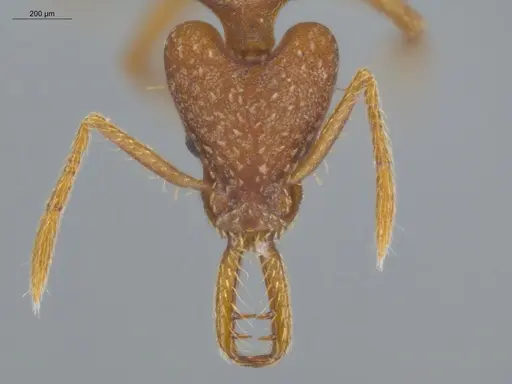
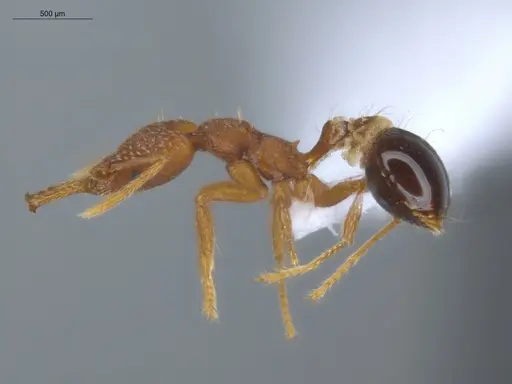
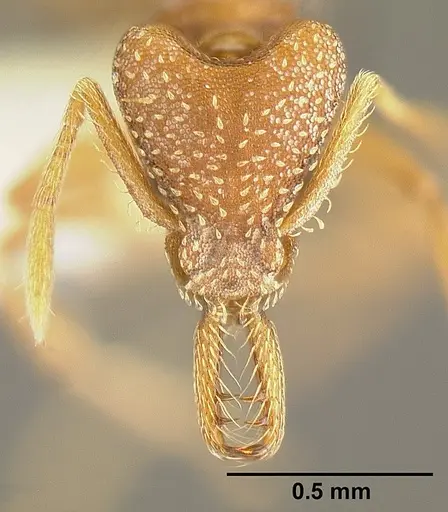
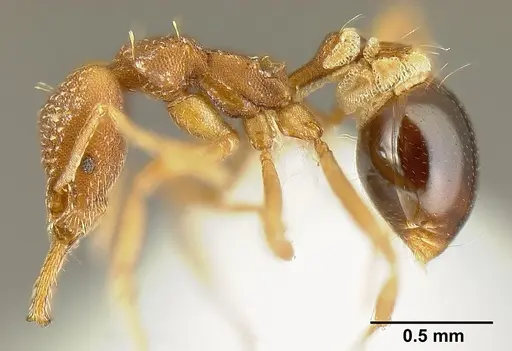
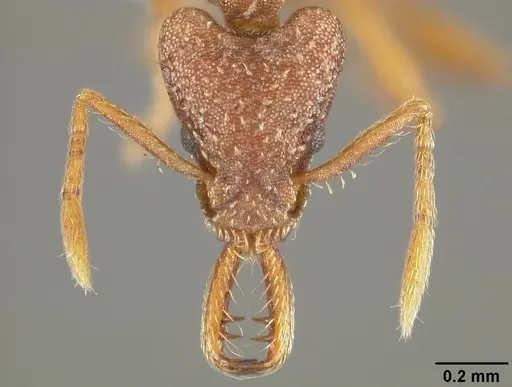
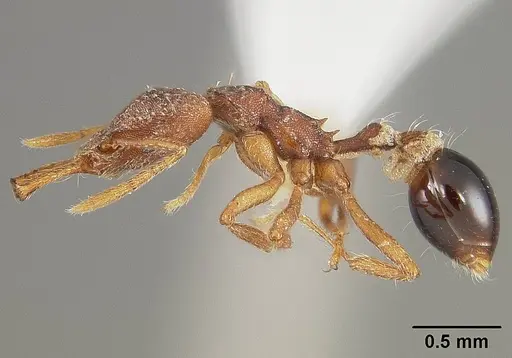
Strumigenys smithiii is a tiny predatory ant measuring just 2.7-3.3mm in total length. Workers have a distinctive appearance with reddish-brown to brown head and mesosoma contrasting sharply against a blackish gaster [1]. This species belongs to the mandibularis group within the dacetine tribe, characterized by their unusual mandible structure that uses a kinetic snap-jaw mechanism to capture prey [2]. The propodeum features both upper and lower teeth connected by a lamella, and the first gastral tergite is smooth and glassy [1]. Found throughout Central and South America, from Mexico down to Brazil, plus several Caribbean islands including Grenada, Guadeloupe, and St. Vincent [3][4]. This is the largest Strumigenys species found in Grenada [3].
Quick Summary
- Difficulty: Medium
- Origin & Habitat: Wet tropical forests of Central and South America and the Caribbean. Nests in rotten logs, rotten twigs, and occasionally in sod. In Costa Rica, they nest and forage in the low arboreal zone, and they've been found in bromeliads in Brazil where they associate with suspended soil and litter [5]. Primarily a forest species.
- Colony Type: Likely monogyne (single queen) based on typical Strumigenys patterns. Colony size is small, likely under 100 workers given their tiny size and the fact they are rarely collected in large numbers.
- Colony: Monogyne
- Size & Growth:
- Queen: Unconfirmed, estimated 4-5mm based on genus patterns
- Worker: 2.7-3.3mm
- Colony: Likely under 100 workers, small colonies typical of this genus
- Growth: Slow, dacetine ants develop slowly
- Development: Estimated 8-12 weeks at warm tropical temperatures (24-28°C) based on related dacetine species (Development is slow compared to many Myrmicinae. First workers (nanitics) will be very small.)
- Antkeeping:
- Temperature: Keep at 24-28°C, they are a tropical species requiring warm, stable temperatures [5]. A gentle gradient is helpful.
- Humidity: High humidity required, think damp forest floor and bromeliad axils. Keep the nest substrate consistently moist but not waterlogged. Provide a water tube but ensure the foraging area stays dry enough to prevent mold.
- Diapause: No, this is a tropical species that does not hibernate. Keep temperatures stable year-round.
- Nesting: Naturalistic setups work best, they nest in rotten wood in the wild. A Y-tong (AAC) nest or plaster nest with tight chambers scaled to their tiny size works well. Avoid test tubes as their small size makes escape likely. Provide access to a small outworld.
- Behavior: These are specialized predators that use their unique snap-jaw mandibles to capture tiny arthropod prey [2]. They are not aggressive toward humans and cannot sting. Their small size and slow movement make them fascinating to watch during hunting. Escape prevention is critical, they are tiny and can squeeze through standard barrier setups. They are shy and will retreat if disturbed. Foraging is slow and deliberate.
- Common Issues: escape prevention is critical, they are tiny and can slip through standard barriers, slow growth can frustrate beginners who overfeed or disturb the colony, colonies are small and fragile, avoid disturbing the nest, high humidity needs can lead to mold if ventilation is poor, live prey is required, they will not accept sugar or honey
Housing and Setup
Strumigenys smithiii requires careful housing due to their tiny size. A Y-tong (AAC) nest or plaster nest with very tight chambers works best, their small size means they can escape through gaps that would hold larger ants. The nest chambers should be scaled appropriately, no larger than necessary for their colony size. Provide a small, simple outworld that is easy to clean. Because they are arboreal foragers in the wild, adding some vertical structure or small twigs in the outworld can encourage natural foraging behavior. Use fluon or other barrier methods on the edges of the outworld, but ensure ventilation is adequate to prevent stagnant air and mold. A water tube should be provided, but keep the foraging area relatively dry to prevent moisture-related issues. [2][5]
Feeding and Diet
These are specialized predatory ants that require live prey. They use their unique kinetic snap-jaw mechanism to capture tiny arthropods [2]. Their primary diet in captivity should be small live prey such as springtails, fruit flies, and other tiny insects. They will not accept sugar water, honey, or other carbohydrates, this is not a honeydew-feeding species. Feed small prey items 2-3 times per week, adjusting based on colony size and consumption. Remove any uneaten prey after 24-48 hours to prevent mold. Do not overfeed, a few small prey items at a time is sufficient. Their tiny mandibles are designed for capturing very small prey, so avoid offering anything larger than they can handle.
Temperature and Humidity
As a tropical wet forest species, Strumigenys smithiii requires warm temperatures in the 24-28°C range [5]. Use a heating cable on one side of the nest to create a gentle temperature gradient, but avoid direct heat that could dry out the nest. Temperature stability is more important than precision, avoid major fluctuations. High humidity is essential. Keep the nest substrate consistently moist but not waterlogged, the substrate should feel damp to the touch. Mist occasionally but rely on substrate moisture rather than misting schedules. Ensure adequate ventilation to prevent both stagnant air (which causes mold) and excessive airflow (which dries the nest). A small water tube provides drinking water but should not flood the nest area.
Colony Development
Colony development in Strumigenys smithiii is slow compared to many common ant species. Expect 8-12 weeks from egg to first worker at optimal temperatures, based on related dacetine species. The first workers (nanitics) will be very small and may not be effective hunters initially. The queen will continue caring for the brood until enough workers develop to take over foraging duties. Colonies remain small, likely under 100 workers even at maturity. Do not disturb the colony during founding or when the queen is producing workers. Avoid checking the nest too frequently as this can stress the colony. Patience is key with this species, slow growth is normal, not a sign of problems.
Behavior and Temperament
Strumigenys smithiii is a shy, non-aggressive species. Workers are slow-moving and spend most of their time hunting for tiny prey in the nest and outworld. Their most fascinating behavior is their prey capture, they use a specialized kinetic mechanism in their mandibles to rapidly snap shut on prey [2]. They have spongiform tissue on their waist segments, which is a characteristic of the dacetine tribe [2]. When threatened, they will retreat rather than attack. They cannot sting and pose no danger to humans. Their small size and cryptic lifestyle make them more of an observation species than an interactive one. Watch for hunting behavior in the outworld, it's fascinating to see their snap-jaw in action.
Frequently Asked Questions
Can I keep Strumigenys smithii in a test tube?
Test tubes are not recommended due to their tiny size. They can easily escape through standard cotton plugs and the small space at the tube mouth. Use a Y-tong (AAC) nest or plaster nest with tight-fitting connections and fine mesh barriers.
What do Strumigenys smithii ants eat?
They are specialized predators that require live tiny prey. Feed small live insects like springtails, fruit flies, and other micro-arthropods. They will not accept sugar, honey, or dead insects. Their snap-jaw mandibles are designed for capturing very small live prey.
How long does it take for Strumigenys smithii to produce first workers?
Development is slow, expect 8-12 weeks from egg to first worker at optimal temperatures (24-28°C). This is based on related dacetine species as specific development data for S. smithii is not available. First workers will be very small nanitics.
Are Strumigenys smithii good for beginners?
They are rated as medium difficulty. While fascinating to watch, they have specific requirements: high humidity, warm temperatures, and most importantly, a constant supply of live tiny prey. They are not a good choice if you want a low-maintenance ant colony.
How big do Strumigenys smithii colonies get?
Colonies remain small, likely under 100 workers even at maturity. They are rarely found in large numbers in the wild. This is typical of the genus, they are cryptic, specialized predators rather than large colony builders.
Do Strumigenys smithii need hibernation?
No, they do not hibernate. This is a tropical species from wet forests in Central and South America. Keep temperatures stable year-round in the 24-28°C range. Do not expose them to temperatures below room temperature for extended periods.
Why are my Strumigenys smithii dying?
Common causes include: escape (they are tiny and can slip through barriers), mold from overwatering or poor ventilation, temperatures too cold (below 24°C), or lack of live prey. They are fragile and require specific conditions. Review humidity, temperature, and food sources.
When should I move Strumigenys smithii to a formicarium?
Move them when the colony reaches 15-20 workers and the test tube or founding setup becomes cramped. However, given their small size and escape risk, a properly set up Y-tong or plaster nest from the start is often better than moving them later.
Can I keep multiple Strumigenys smithii queens together?
Combining unrelated queens has not been documented for this species. Based on typical Strumigenys behavior, they are likely single-queen colonies. Do not attempt to house multiple queens together as fighting is likely.
References

This caresheet is licensed under CC BY-SA 4.0 .
ANTWEB1053703
View on AntWeb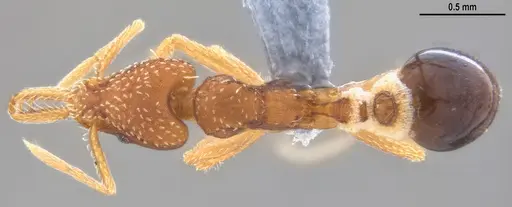
CASENT0640667
View on AntWeb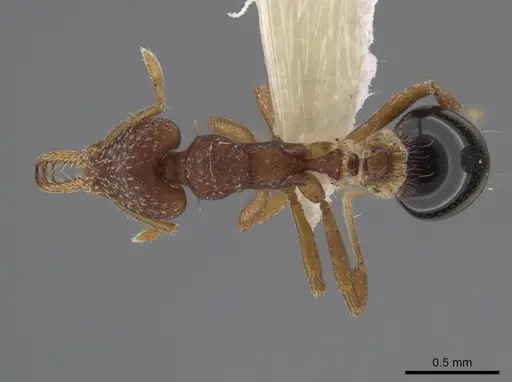
CASENT0904933
View on AntWeb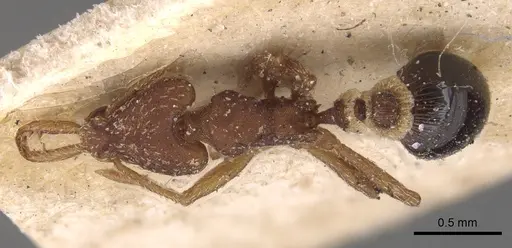
CASENT0909328
View on AntWeb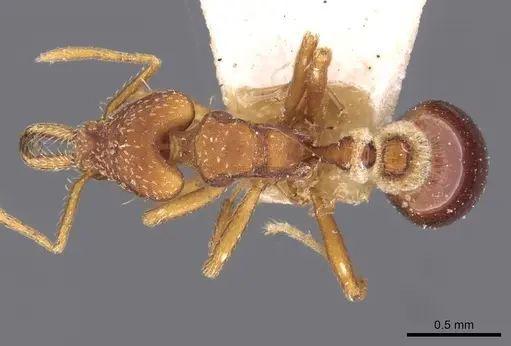
CASENT0914753
View on AntWeb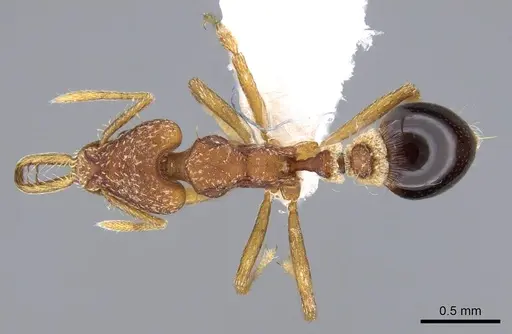
CASENT4036197
View on AntWeb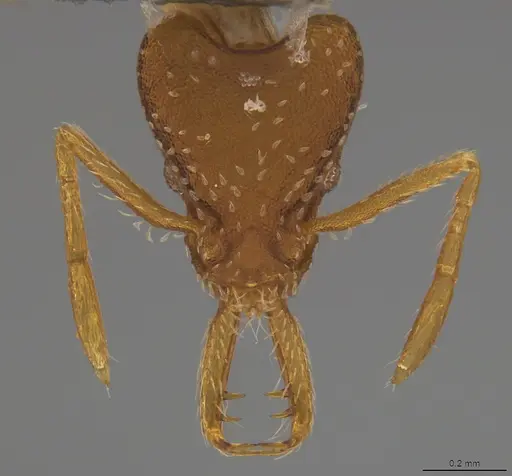
CBUMAGENT41695
View on AntWeb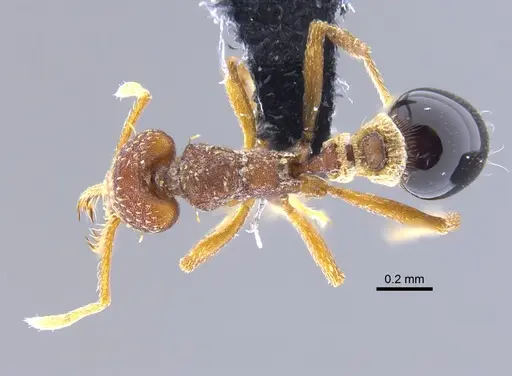
ECOFOG-IT14-0300-84
View on AntWeb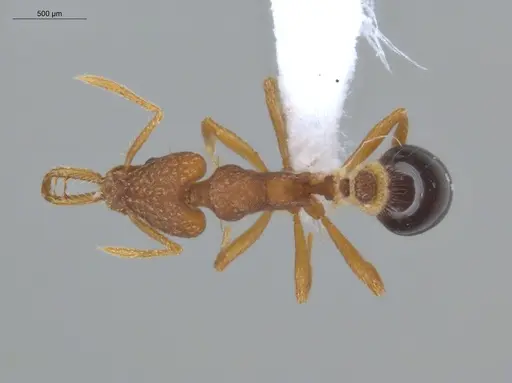
INBIOCRI002281918
View on AntWeb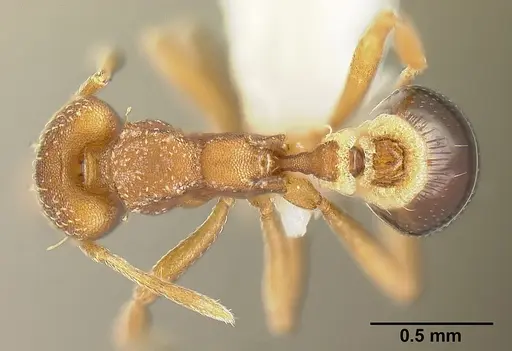
USNMENT00413854
View on AntWeb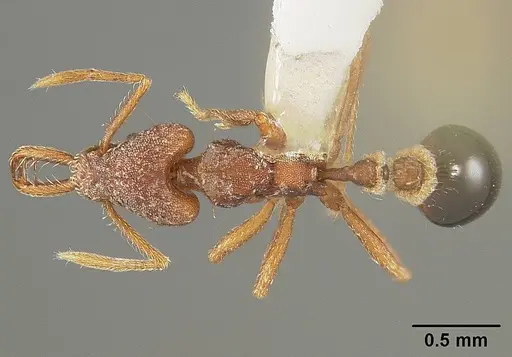
Literature
Loading...Loading products...