

Strumigenys sisyrata
- Scientific Name
- Strumigenys sisyrata
- Tribe
- Attini
- Subfamily
- Myrmicinae
- Author
- Brown, 1968
- Distribution
- Found in 1 countries
Strumigenys sisyrata Overview
Strumigenys sisyrata is an ant species of the genus Strumigenys. It is primarily documented in 1 countries , including Papua New Guinea. Detailed taxonomic data and occurrence records can be further explored via authoritative databases such as AntWeb or the Global Biodiversity Information Facility (GBIF).
Strumigenys sisyrata
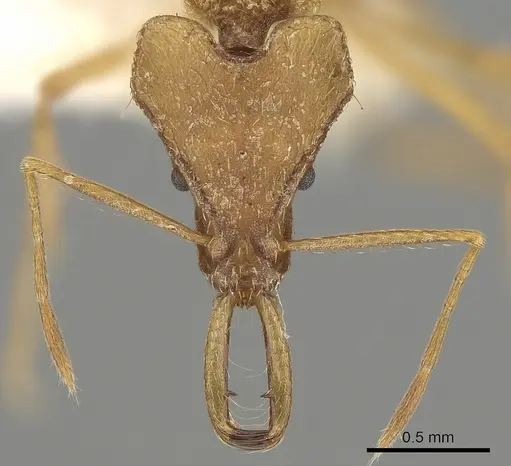
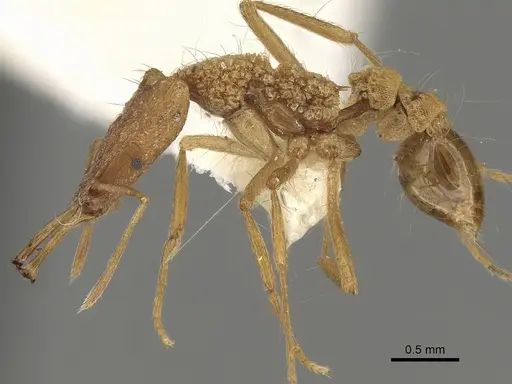
Strumigenys sisyrata is a small predatory ant species known for its remarkable trap-jaw mandibles. These ants have elongated mandibles with specialized teeth that can snap shut at extremely high speeds to capture prey. Workers are tiny, typically measuring 2-4mm, with a pale to reddish-brown coloration. The genus Strumigenys is characterized by their unique hunting mechanism, when triggered, their mandibles snap shut with such force that they can impale prey or launch the ant away from threats. This species is a habitat specialist, found exclusively in primary forest environments in Xishuangbanna, China [1].
Quick Summary
- Difficulty: Medium
- Origin & Habitat: Xishuangbanna, China, primary forest specialist [1]. These ants are restricted to old-growth forest habitats and are not found in disturbed areas like secondary forest or rubber plantations.
- Colony Type: Likely monogyne (single queen) based on typical Strumigenys colony structure. Colony size is small to moderate, typically under 500 workers.
- Colony: Monogyne
- Founding: Claustral
- Size & Growth:
- Queen: Estimated 4-5mm based on genus patterns
- Worker: Estimated 2-4mm based on genus patterns
- Colony: Up to several hundred workers, typical for Strumigenys genus
- Growth: Slow to moderate
- Development: Estimated 8-12 weeks based on related species (Development time is likely longer than average ants due to their specialized predatory lifestyle and small colony sizes)
- Antkeeping:
- Temperature: Keep at 22-26°C. These are tropical forest ants that prefer warm, stable conditions. A gentle heating gradient allows them to regulate temperature.
- Humidity: High humidity (70-85%) is essential. These ants come from humid primary forest environments. Keep the nest substrate consistently moist but not waterlogged.
- Diapause: Unlikely, being a tropical species from southern China, they probably do not require a true hibernation. However, they may slow down during cooler winter months.
- Nesting: Prefer naturalistic setups with moist substrate. Y-tong nests or plaster nests work well. They need tight, humid chambers and prefer dark, enclosed spaces. Avoid dry or ventilated setups.
- Behavior: These ants are specialized predators, primarily hunting springtails and other tiny arthropods. They are not aggressive toward humans and rarely sting. Their trap-jaw mechanism is primarily used for hunting prey, not defense. They are slow-moving and deliberate in their movements. Escape prevention is important due to their small size, use fine mesh barriers. They are not escape artists but can slip through small gaps.
- Common Issues: refusing to eat, these specialized predators often only accept live prey initially, colonies stalling, slow growth is normal but can indicate poor husbandry, dying from dryness, they require high humidity and will quickly decline in dry conditions, escape through tiny gaps, their small size means they can squeeze through standard barrier setups, stress from disturbance, these are sensitive ants that prefer minimal handling and dark conditions
Housing and Setup
Strumigenys sisyrata requires a humid, naturalistic setup to thrive. Y-tong (AAC) nests or plaster nests work well because they hold moisture consistently. The nest should have tight chambers, these ants prefer snug, enclosed spaces and will not use large open areas. Keep the nest area dark, these forest-dwelling ants are photophobic and will be more active in dim conditions. The outworld can be simple but should also maintain humidity. Use a water reservoir or moist substrate in the nest to maintain humidity levels of 70-85%. A small water tube for drinking is appreciated but not critical if the nest is moist enough. [1]
Feeding and Diet
This species is a specialized predator that primarily hunts springtails and other tiny arthropods. In captivity, their diet should focus on live prey, springtails are the ideal food source. They may accept other small live prey like fruit flies, but these should be offered sparingly. Unlike many ants, they are not typically interested in sugar water or honey. Some keepers report success with tiny pieces of mealworm or other small insects, but these should be fresh and moving to trigger their predatory response. Feed small amounts 2-3 times per week. The key is offering live, small prey that they can capture with their trap-jaw mechanism.
Temperature and Seasonal Care
Keep your colony at 22-26°C for optimal health and development. Being from a tropical region in southern China, they do not require hibernation. However, they may show reduced activity during winter months when room temperatures drop. A heating cable on one side of the nest can create a temperature gradient, allowing the ants to choose their preferred zone. Avoid temperature fluctuations and keep them away from cold drafts. Room temperature in most homes should be suitable, but monitor during winter to ensure they stay above 20°C. [1]
Behavior and Colony Dynamics
Strumigenys ants are fascinating to watch due to their unique hunting behavior. When hunting, they slowly approach prey, then snap their mandibles shut with incredible speed. This mechanism is one of the fastest in the animal kingdom. Colonies are relatively small and slow-growing. Queens are long-lived and colonies can persist for many years. Workers are not aggressive and will not defend the colony aggressively, they rely on their cryptic lifestyle rather than confrontation. The colony will establish a network of foragers who search the outworld for prey. They are most active during evening and night hours when lighting is low.
Handling and Observation
These ants are sensitive to disturbance and prefer minimal handling. When you need to move them, do so gently and avoid shaking or jaring the nest. They are not dangerous and their trap-jaw mechanism poses no threat to humans. For observation, use red light or observe in dim conditions, bright light will cause them to retreat into the nest. Photography is best done with minimal flash. These ants are more of a watch-and-appreciate species rather than an interactive pet. Regular disturbance can cause colony stress and may lead to abandonment of the nest or queen death.
Frequently Asked Questions
What do Strumigenys sisyrata ants eat?
They are specialized predators that primarily eat live springtails and other tiny arthropods. They typically do not accept sugar sources. Offer small live prey 2-3 times per week.
How long does it take for Strumigenys sisyrata to raise first workers?
Estimated 8-12 weeks from egg to first worker based on related Strumigenys species. Development is slower than many common ant species.
What size colony do Strumigenys sisyrata reach?
Colonies typically reach several hundred workers at maximum. They are not large colony builders and remain relatively modest in size throughout their lifespan.
Can I keep Strumigenys sisyrata in a test tube?
Test tubes can work for founding colonies but are not ideal for established colonies. They prefer naturalistic or plaster nests that hold humidity well. If using test tubes, ensure the cotton is kept moist and cover the tube to create dark conditions.
Are Strumigenys sisyrata good for beginners?
They are considered intermediate to advanced due to their specific humidity and dietary requirements. Their need for live prey and high humidity makes them more challenging than common species like Lasius or Camponotus.
Do Strumigenys sisyrata need hibernation?
Probably not, being from tropical southern China, they do not require a true diapause. They may slow down during cooler winter months but can be kept at room temperature year-round.
Why is my Strumigenys sisyrata colony dying?
The most common causes are low humidity (below 70%), refusing to eat (they need live prey), and stress from disturbance. Check that the nest is consistently moist and that you are offering appropriate live prey.
What humidity do Strumigenys sisyrata need?
High humidity of 70-85% is essential. These forest ants quickly decline in dry conditions. Keep the nest substrate consistently moist but not waterlogged.
When should I move Strumigenys sisyrata to a formicarium?
Wait until the colony has at least 20-30 workers and is actively foraging. Moving too early can stress the queen. A small Y-tong or plaster nest works well for colonies of this size.
References

This caresheet is licensed under CC BY-SA 4.0 .
CASENT0280752
View on AntWeb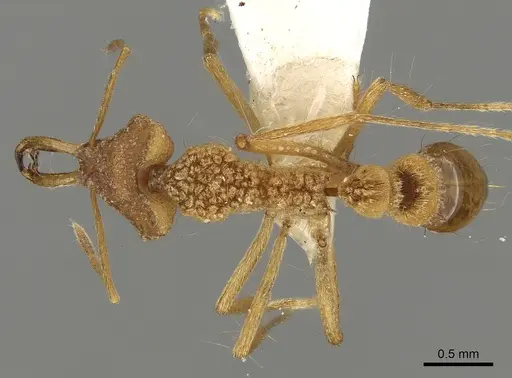
Literature
Loading...Loading products...