

Strumigenys simoni
- Scientific Name
- Strumigenys simoni
- Tribe
- Attini
- Subfamily
- Myrmicinae
- Author
- Emery, 1895
- Distribution
- Found in 8 countries
Strumigenys simoni Overview
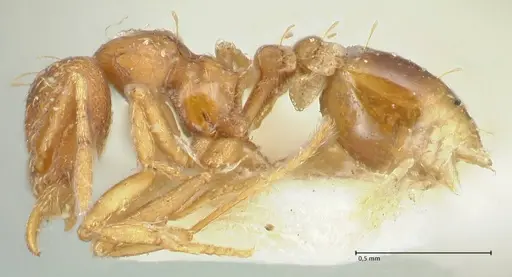
Strumigenys simoni is an ant species of the genus Strumigenys. It is primarily documented in 8 countries , including Gambia, Guinea, Mauritius. Detailed taxonomic data and occurrence records can be further explored via authoritative databases such as AntWeb or the Global Biodiversity Information Facility (GBIF).
Strumigenys simoni - "Trap-Jaw Ant (a general common name for the genus)"
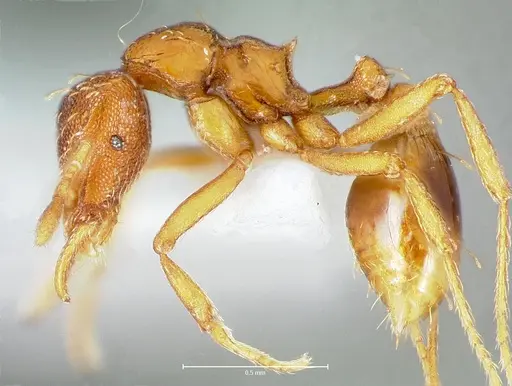
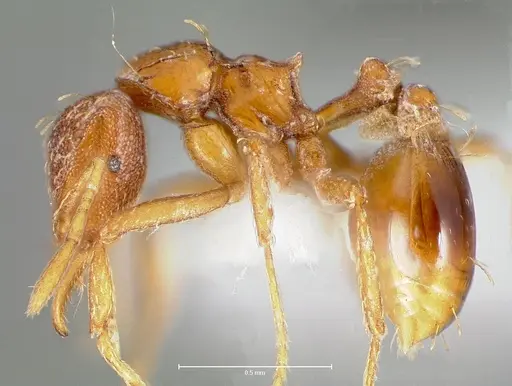
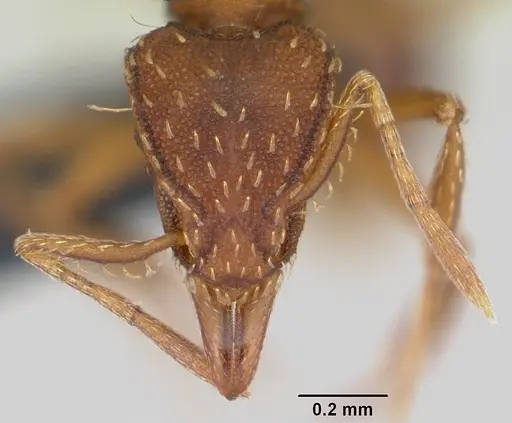
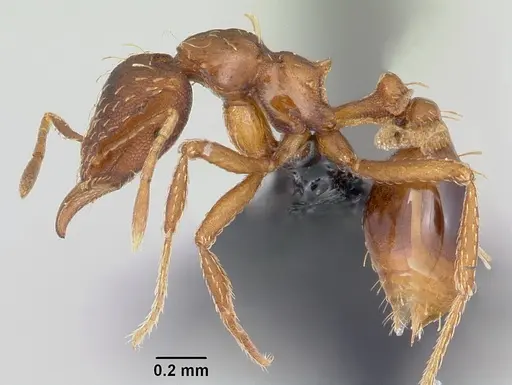
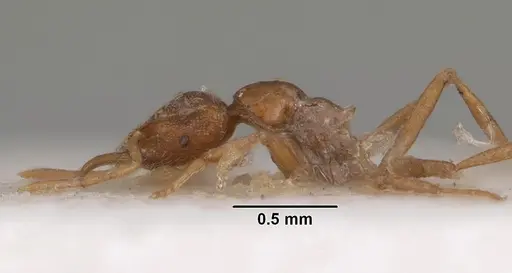
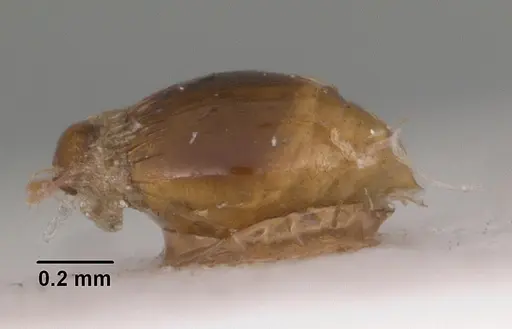
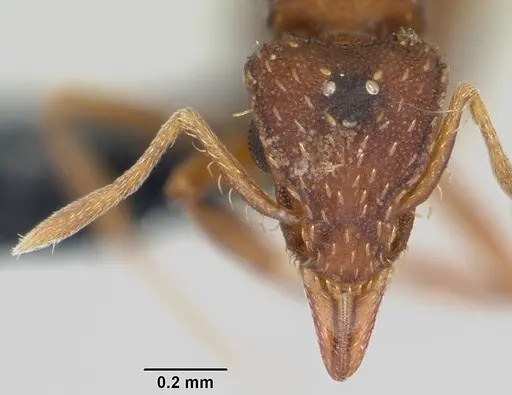
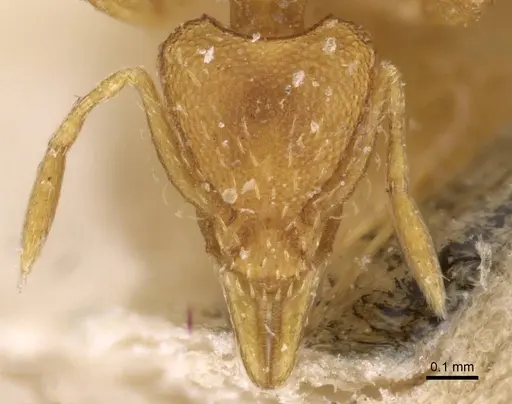
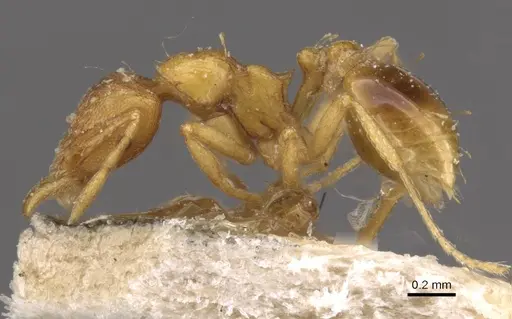
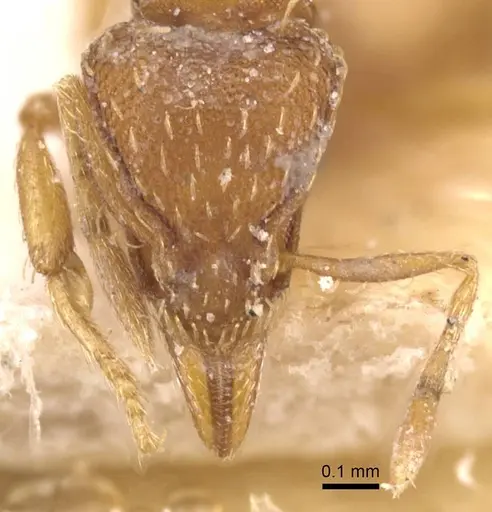
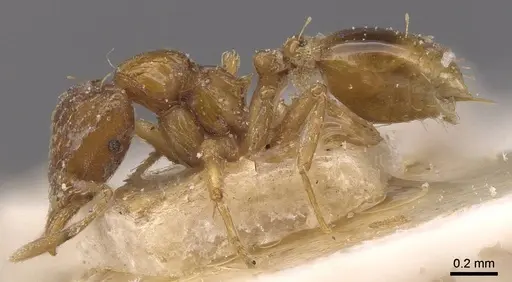
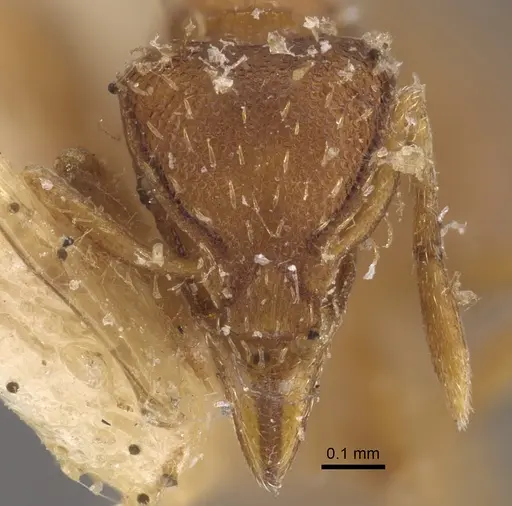
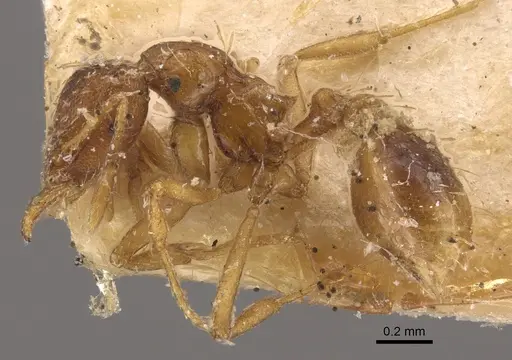
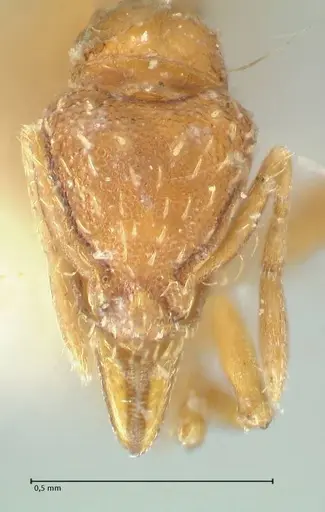
Strumigenys simoni are tiny, fascinating ants known for their specialized trap-jaw mandibles, which snap shut with incredible speed to capture small prey like springtails. These ants typically range from yellowish-brown to blackish-brown in color. They are part of a highly diverse genus, recognized by their distinct mandibles and often the presence of sponge-like tissue on their waist segments. They are cryptic, often found nesting and foraging within leaf litter, soil, or rotting wood.
- Difficulty: Medium
- Origin & Habitat: Eastern and Southern Africa, with some records in Nigeria and Mauritius (likely introduced). in Open forests and savannas, often nesting in soil, under or between rocks, or in and under logs. They typically avoid dense rainforests..
- Colony Type: Monogyne, claustral founding.
- Size & Growth:
- Queen: Not specified
- Worker: 2.4-3.0mm
- Colony: Small (15-400 individuals). Slow growth.
- Antkeeping:
- Temperature: Aim for a temperature range between 20-25°C. Stability is key for brood development..
- Humidity: High humidity is crucial, likely around 70-90%, given their preference for leaf litter and subterranean environments. Keep the substrate consistently moist but avoid stagnant water..
- Diapause: Not required. Not specified at Not specified.
- Nesting: These ants thrive in naturalistic setups. A plaster or soil-based nest is ideal, mimicking their natural habit of nesting in leaf litter, soil, or rotten wood. Smaller colonies can do well in test tubes with a moist substrate..
- Behavior: Low (primarily towards prey, not typically aggressive towards handlers) aggressiveness.
- Common Issues: Lack of appropriate prey (specialized diet), Humidity fluctuations, Nest desiccation, Escape artists due to small size, Stress from frequent disturbance.
Keeping Strumigenys simoni can be a truly rewarding experience for an antkeeper interested in specialized ant species. Their unique trap-jaw mandibles are a marvel to observe, showcasing incredible predatory behavior, particularly when hunting springtails. Providing a suitable foraging area, often referred to as an 'outworld,' with plenty of leaf litter and a consistent supply of small, soft-bodied arthropods like springtails, is paramount for their success in captivity. They are quite sensitive to disturbances, so try to keep observations to a minimum, allowing them to settle into their new formicarium.
Humidity is a critical factor for these ants. As they naturally inhabit damp environments such as leaf litter and soil, maintaining consistently high humidity within their nest and foraging area is non-negotiable. Using a nest type that can retain moisture well, like a plaster or natural soil setup, will be beneficial. Regular misting of the outworld, or keeping a section of the substrate continuously damp, will help create the humid conditions they need to thrive and ensure their delicate brood develops properly.
Their diet primarily consists of small, soft-bodied arthropods, with springtails being a preferred prey item. Sourcing a steady supply of these tiny invertebrates is essential, as Strumigenys simoni are specialized predators and may not readily accept other food sources. Avoid offering sugary foods like honey or sugar water, as these ants are strictly zoophagous. Observing their hunting strategies can be a highlight of keeping this species, as their trap-jaw mandibles are designed for swift and precise capture of their quick-moving prey.
Colony size for Strumigenys simoni tends to remain relatively small, typically ranging from 15 to 400 individuals. This makes them a manageable species for many antkeepers, as they won't outgrow their formicarium too quickly. However, their small size also means they can be easily overlooked, so ensure your setup is escape-proof with very fine mesh or a secure lid. Patience is key with these smaller, cryptic species, as their growth rate is generally slow compared to larger, more common ant species.
Frequently Asked Questions
What do Strumigenys simoni ants eat in captivity?
These fascinating ants are specialized predators, primarily hunting small, soft-bodied arthropods. Their go-to meal in the antkeeping world is typically springtails (Collembola). It's crucial to offer them live prey since their trap-jaw mandibles are designed for actively catching quick-moving insects. Don't bother with sugar water or honeydew; they're strictly carnivorous!
What kind of nest is best for Strumigenys simoni?
Strumigenys simoni thrive in setups that mimic their natural subterranean and leaf litter habitats. We recommend a plaster or natural soil-based formicarium. You can also start a small colony in a test tube setup, as long as you provide a consistently moist environment. They need ample space for their intricate tunneling and for housing their delicate brood.
How large do Strumigenys simoni colonies get?
Unlike some of the massive supercolony species out there, Strumigenys simoni colonies tend to stay on the smaller side, usually ranging from about 15 to 400 workers. This makes them a great choice if you're looking for a species that won't completely overwhelm your setup, but still offers plenty of engaging ant behavior to observe.
Are Strumigenys simoni difficult to keep?
They fall into the 'Medium' difficulty rating. While not as straightforward as a Lasius niger colony, they're certainly manageable for keepers with some experience. The main challenges come from consistently providing their specific live prey and maintaining precise humidity levels, which are absolutely crucial for their well-being. Keeping them happy means keeping them damp and well-fed.
Do Strumigenys simoni sting?
Yes, Strumigenys simoni do possess a sting. However, they are not typically aggressive towards handlers. Their sting is primarily used for subduing their prey. Given their small size, a sting from these ants would likely be negligible to humans, but it's still best to handle them with care and respect.
What is the ideal temperature and humidity for Strumigenys simoni?
For optimal health and brood development, aim for a temperature range of 20-25°C (68-77°F). Humidity is paramount for this species; maintaining a high relative humidity, ideally between 70-90%, is critical. They are found in moist environments in the wild, so consistent moisture in their nest setup is key.
How fast do Strumigenys simoni colonies grow?
Their colony growth rate is generally considered slow. Don't expect a population explosion with these ants. This slow and steady growth, combined with their modest maximum colony size, means you won't need to upgrade their formicarium as frequently as with some faster-growing species.
Do Strumigenys simoni need diapause?
No, Strumigenys simoni are typically found in tropical and subtropical regions, so they do not require a diapause period. Consistent warmth and humidity year-round are what they need to thrive.
What makes Strumigenys simoni mandibles special?
Their mandibles are truly extraordinary! They are often referred to as 'trap-jaw' mandibles because they can snap shut incredibly fast – some of the fastest movements in the animal kingdom. This mechanism is perfectly adapted for ambushing and immobilizing their primary prey, springtails, which are known for their rapid escape abilities. It’s a highlight to witness their hunting prowess!
Can I keep multiple Strumigenys simoni queens together?
Strumigenys simoni are typically monogyne, meaning a colony is founded and maintained by a single queen. While some ant species can tolerate multiple queens (pleometrosis or polygyny), it's generally not recommended for this species. Introducing multiple queens could lead to conflicts and potential colony failure. Stick to one queen per setup for the best chance of success.
What are common issues when keeping Strumigenys simoni?
The most frequent challenges include ensuring a consistent supply of their specialized prey, maintaining stable high humidity to prevent desiccation, and preventing escapes due to their small size. They can also be sensitive to frequent disturbances, which might lead to colony stress or stalling. Proper humidity control in the formicarium is vital to avoid issues like mold, which can harm the colony.
Where can I find Strumigenys simoni in the wild?
In their native range, Strumigenys simoni can be found in eastern and southern Africa. They are often collected from leaf litter or soil samples in open forest and savanna environments. Their cryptic nature means you'd typically have to sift through a lot of substrate to find them.
Are Strumigenys simoni good for beginners?
While captivating, Strumigenys simoni might be a bit challenging for absolute beginners. Their specialized diet and strict humidity requirements can be tricky to manage if you're just starting out in antkeeping. We'd suggest gaining some experience with a more forgiving species before diving into the world of trap-jaw ants.

This caresheet is licensed under CC BY-SA 4.0 .
CASENT0005997
View on AntWeb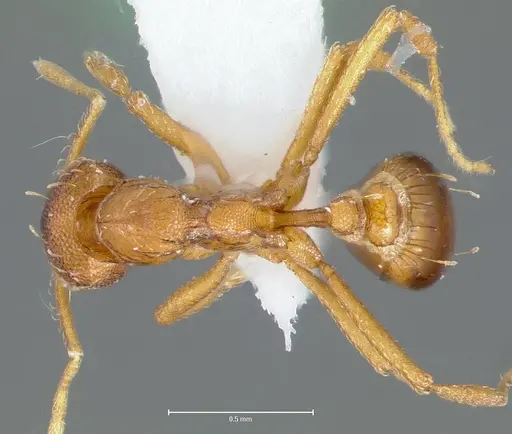
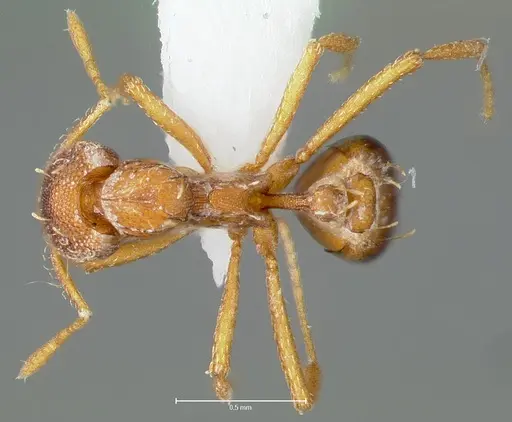
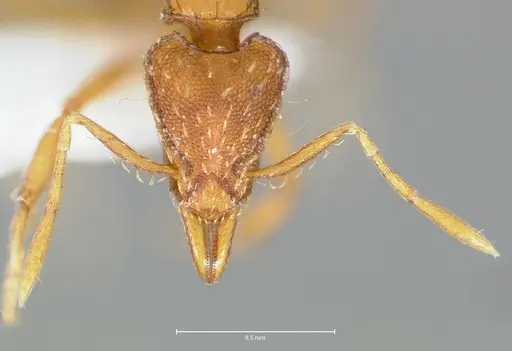
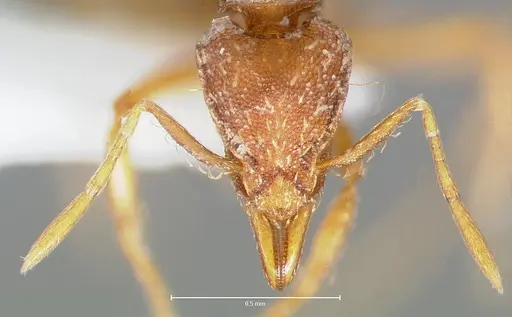
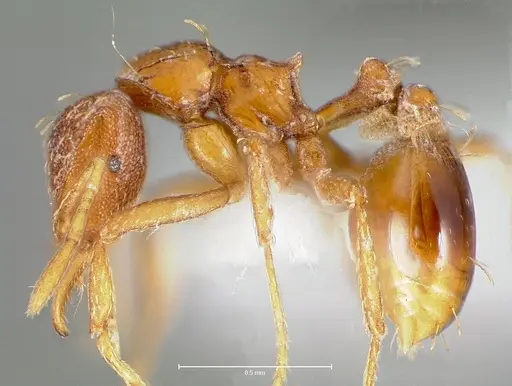
CASENT0006029
View on AntWeb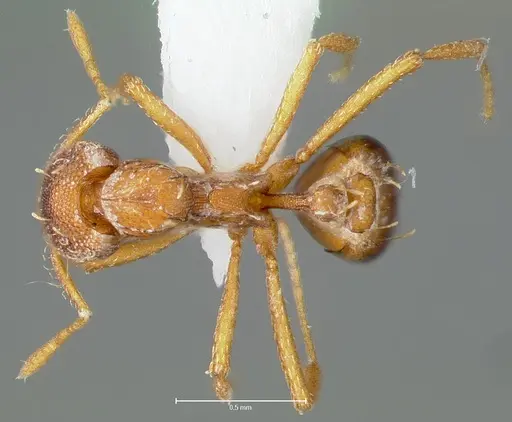
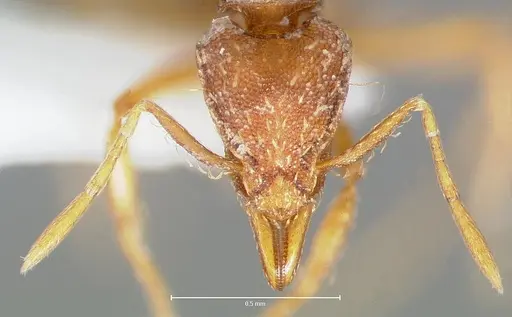
CASENT0060533
View on AntWeb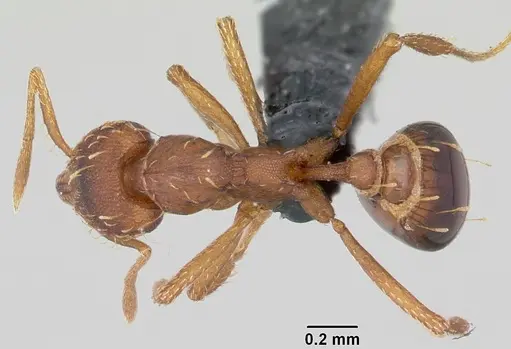
CASENT0102079
View on AntWeb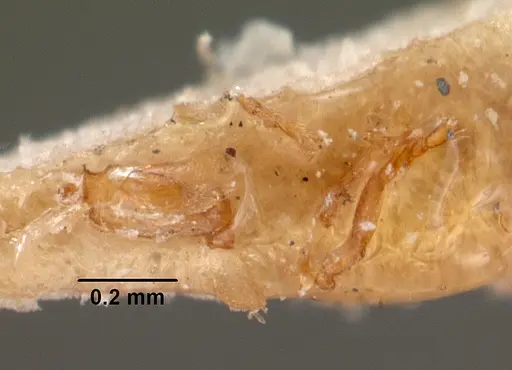


CASENT0102255
View on AntWeb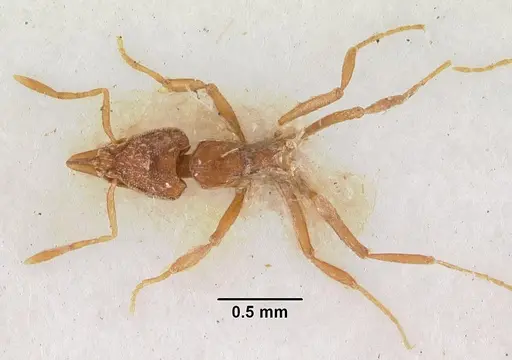
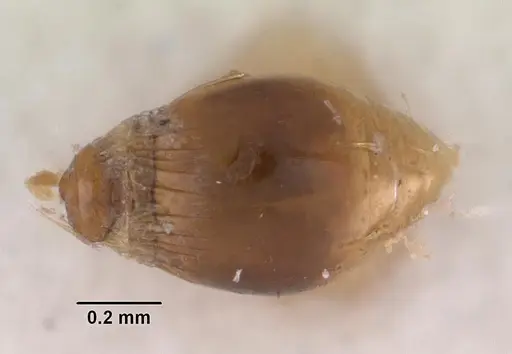
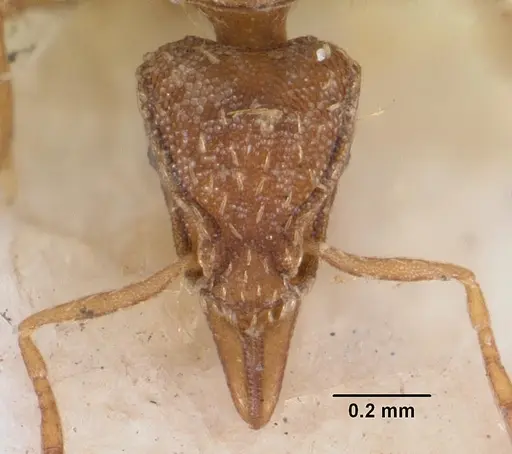
CASENT0104921
View on AntWeb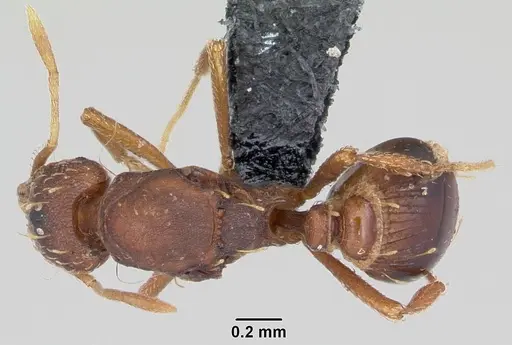
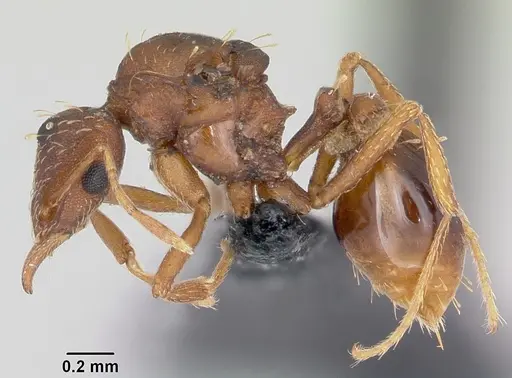
CASENT0235697
View on AntWeb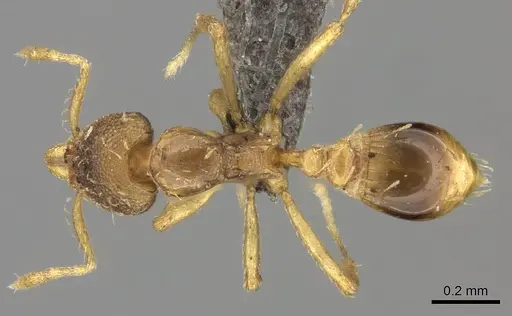
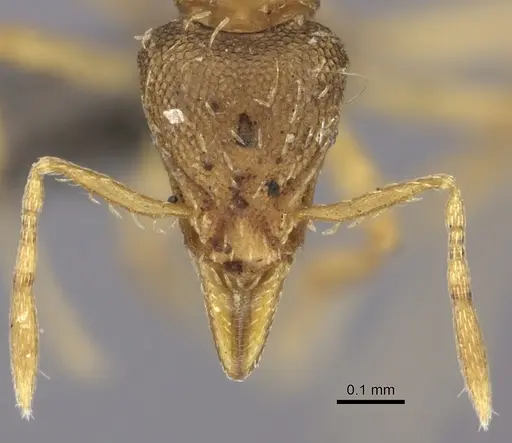
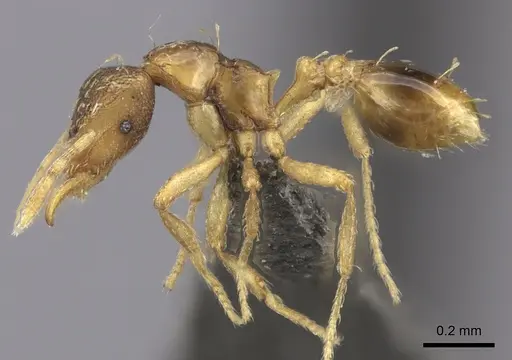
CASENT0358223
View on AntWeb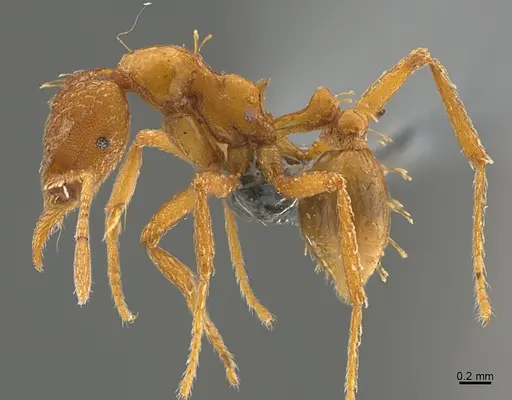
CASENT0763717
View on AntWeb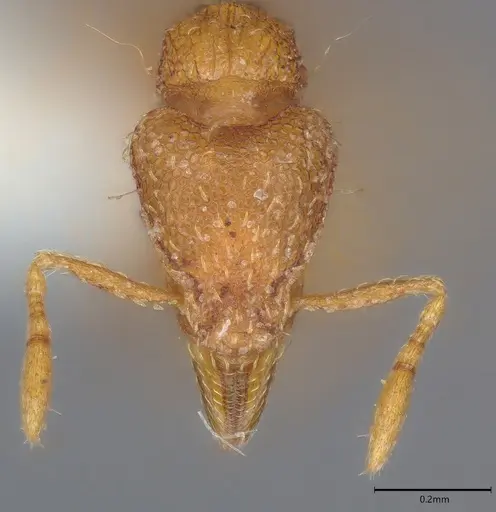
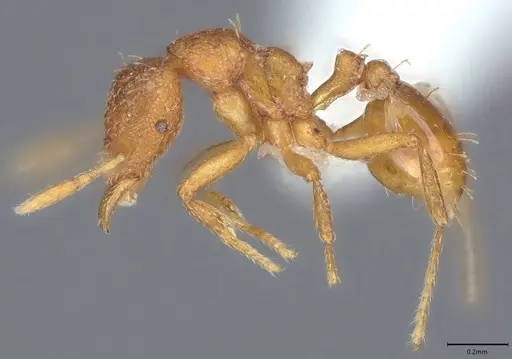
CASENT0778978
View on AntWeb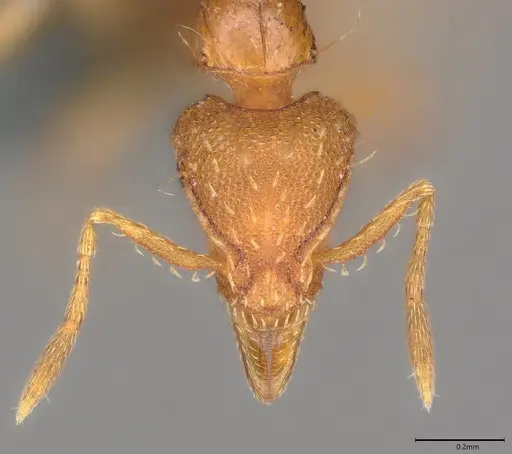
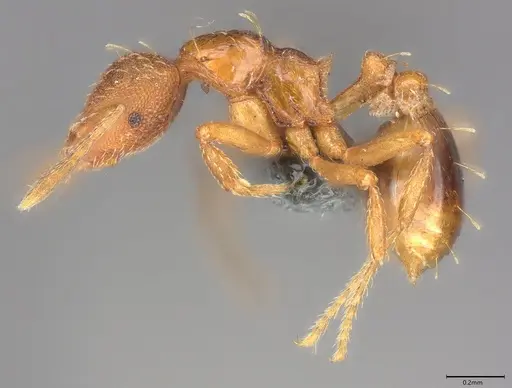
CASENT0909331
View on AntWeb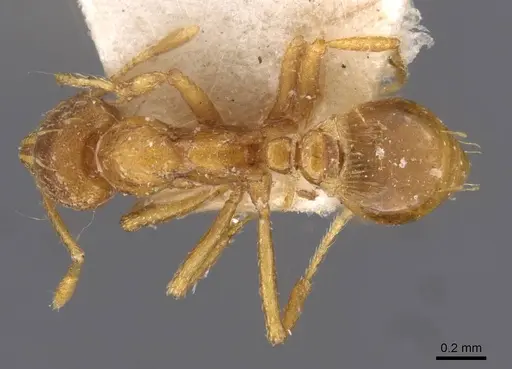
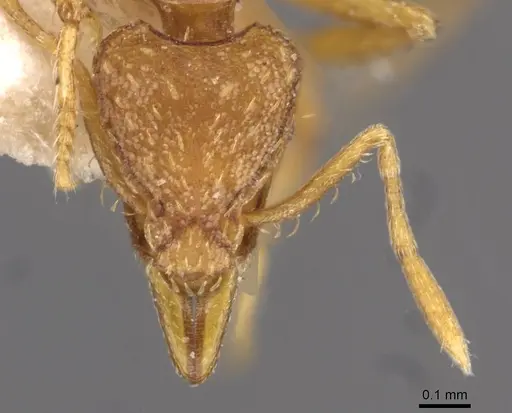
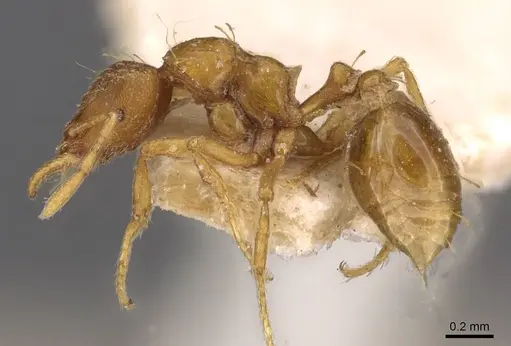
CASENT0909332
View on AntWeb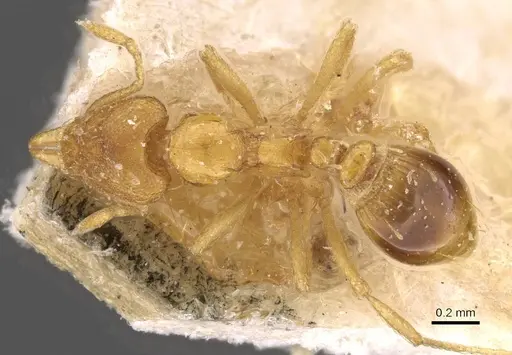
CASENT0909333
View on AntWeb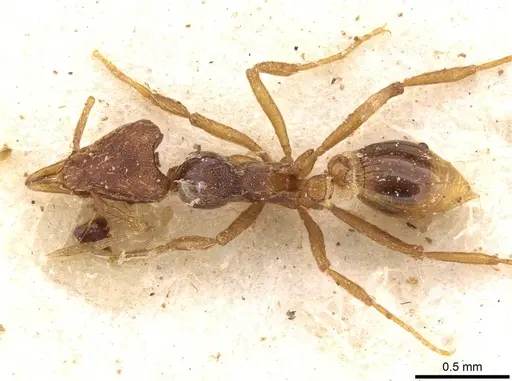
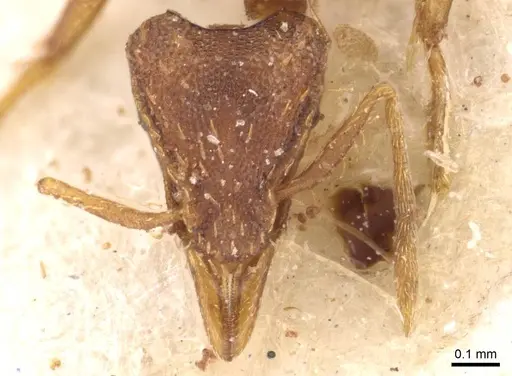
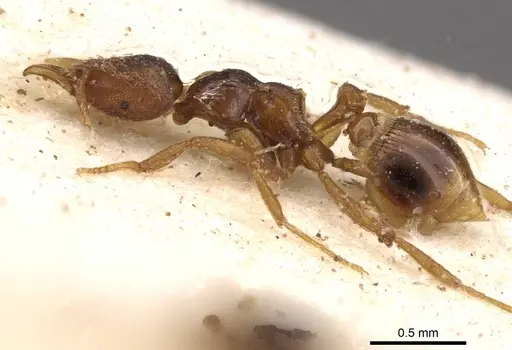
CASENT0912842
View on AntWeb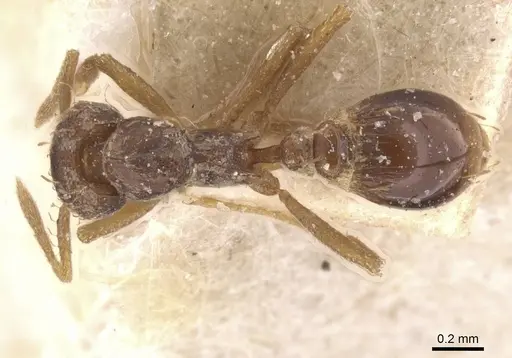
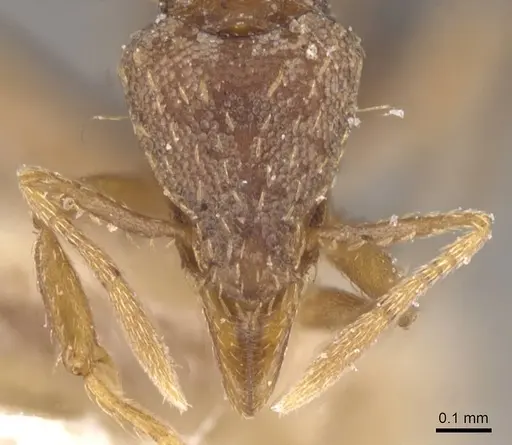
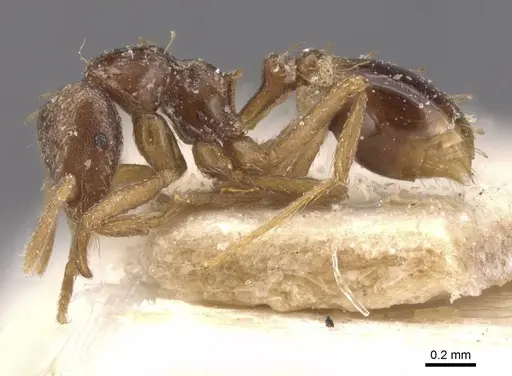
CASENT0912843
View on AntWeb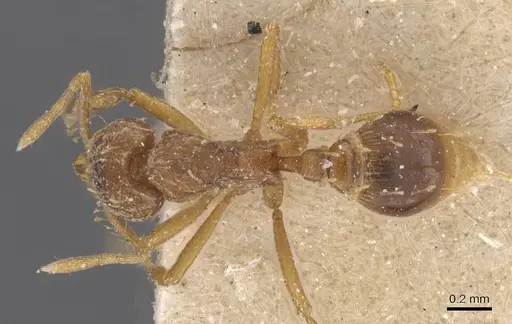
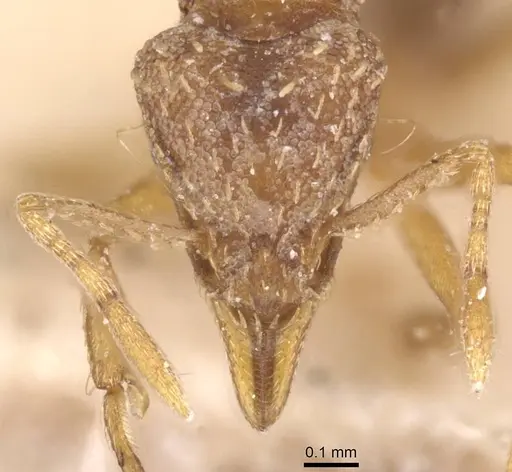
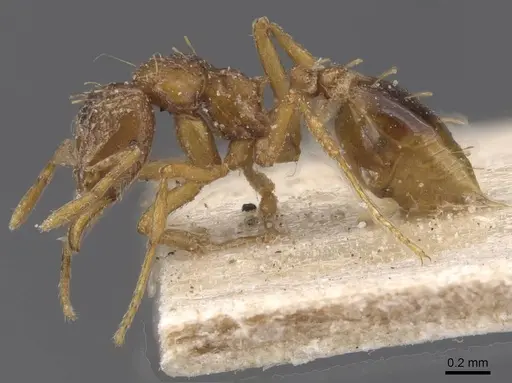
CASENT0912844
View on AntWeb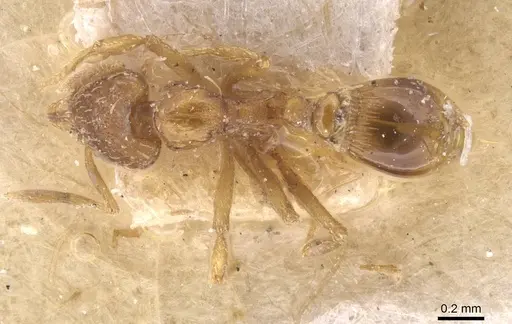
CASENT0912845
View on AntWeb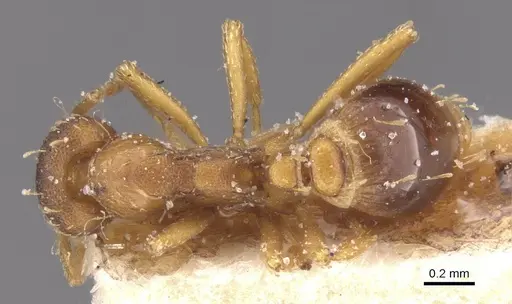
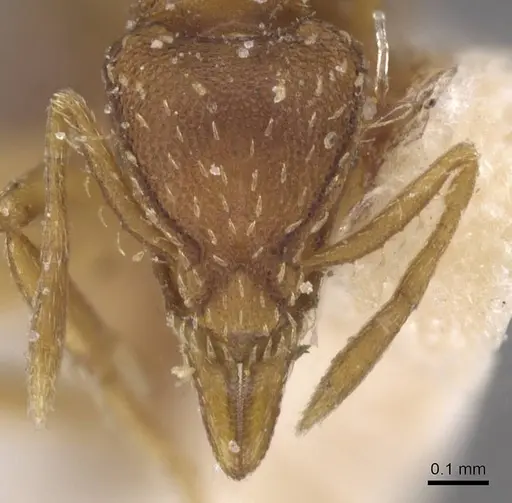
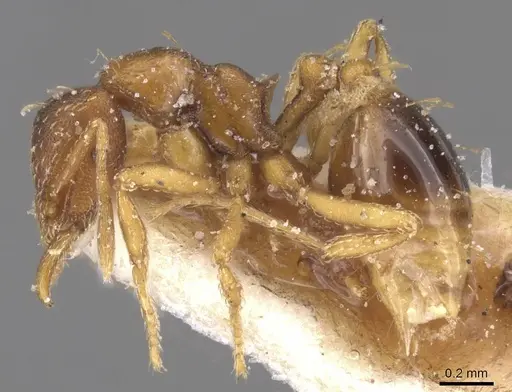
CASENT0917840
View on AntWeb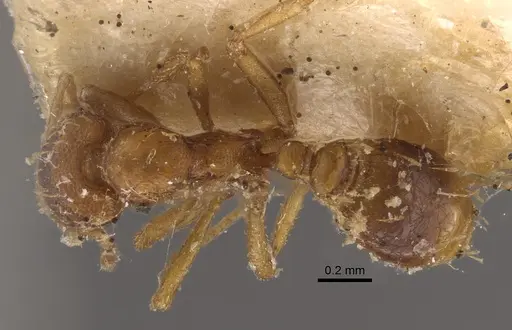
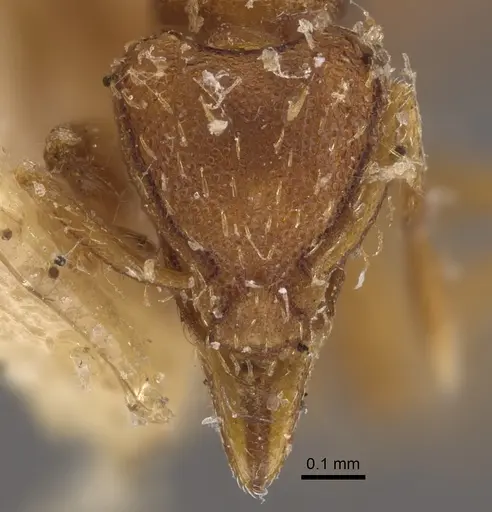
FOCOL2168
View on AntWeb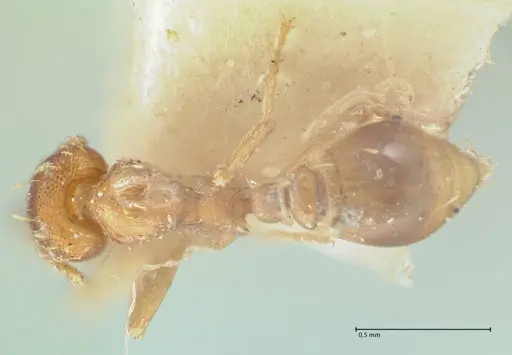
Literature
Loading...Loading products...