

Strumigenys seti
- Scientific Name
- Strumigenys seti
- Tribe
- Attini
- Subfamily
- Myrmicinae
- Author
- Bolton, 2000
- Distribution
- Found in 1 countries
Strumigenys seti Overview
Strumigenys seti is an ant species of the genus Strumigenys. It is primarily documented in 1 countries , including Madagascar. Detailed taxonomic data and occurrence records can be further explored via authoritative databases such as AntWeb or the Global Biodiversity Information Facility (GBIF).
Strumigenys seti
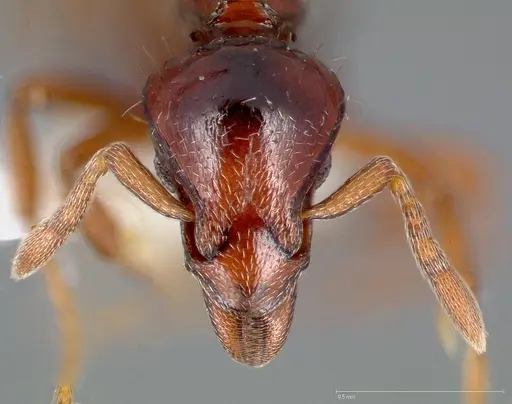
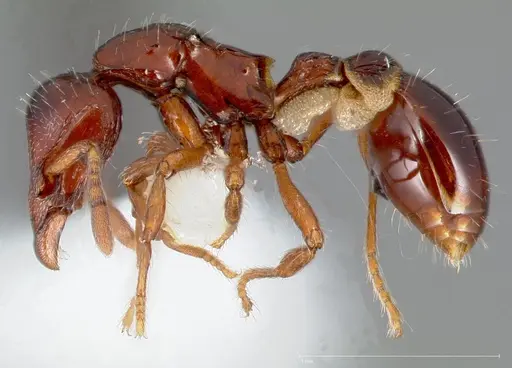
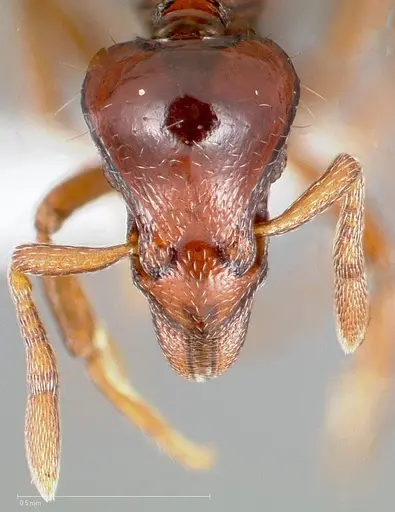
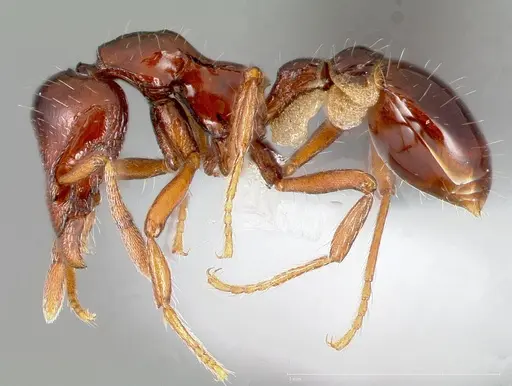
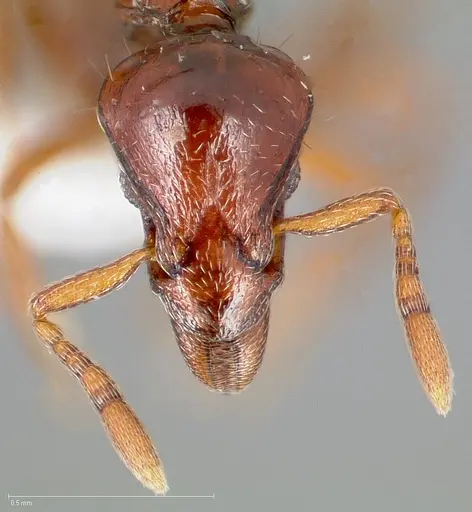
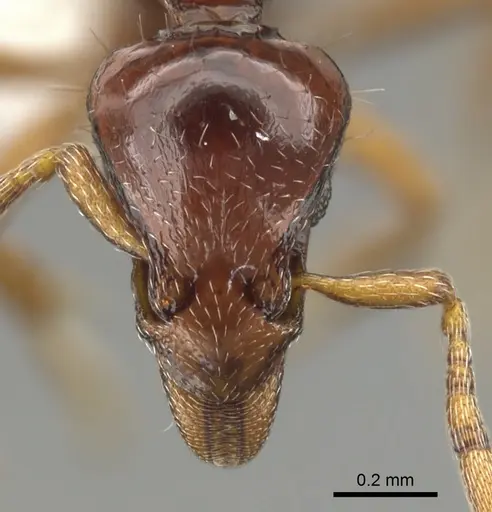
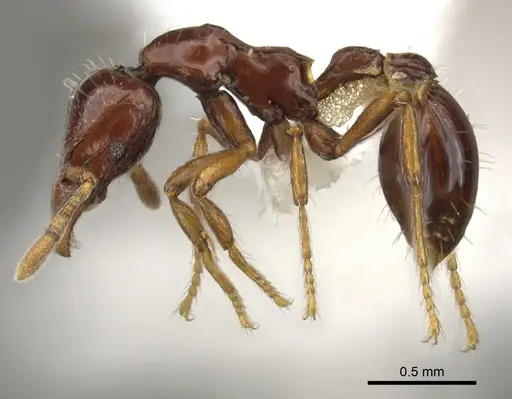
Strumigenys seti is a tiny predatory ant native to Madagascar, measuring just 3.0-3.3mm in workers. This species belongs to the Strumigenys leptothrix group and is one of the most densely hairy ants in its complex, with distinctive straight hairs projecting from the sides of its head behind the eyes. Workers have a dark brown coloration with a relatively smooth sculpture and short propodeal teeth. The species was originally described as Strumigenys seti in 2000 before being transferred to Strumigenys. Queens are similar in size to workers but slightly larger at 3.1mm [1].
What makes S. seti stand out is its high-elevation lifestyle, this is one of the few Strumigenys species documented at montane rainforest elevations above 1500m. Unlike their lowland relatives, these ants have adapted to cooler, more humid conditions. They are specialized predators of tiny soil invertebrates, using their trap-jaw mandibles to capture prey much smaller than themselves [2][3].
Quick Summary
- Difficulty: Medium
- Origin & Habitat: Endemic to Madagascar, found in montane rainforest at elevations of 1580-1860m and in tropical dry deciduous forest. Most specimens have been collected from leaf litter samples in forest environments [2][3][1].
- Colony Type: Unknown colony structure. No published data on queen number or colony size in the wild. Likely single-queen based on typical Strumigenys patterns, but this is unconfirmed.
- Size & Growth:
- Queen: ~3.1mm [1]
- Worker: 3.0-3.3mm [1]
- Colony: Unknown, no wild colony size data available
- Growth: Slow, based on typical Strumigenys growth patterns and small colony sizes in related species
- Development: Estimated 8-12 weeks at optimal temperature based on genus-level data for small Myrmicinae (Development timeline is not directly studied for this species. Small colony size suggests slower overall growth compared to faster-growing Myrmicinae.)
- Antkeeping:
- Temperature: Keep cool at 18-22°C. The high-elevation montane rainforest origin suggests they prefer temperatures lower than typical room temperature. Avoid overheating, a room-temperature setup around 20°C is ideal.
- Humidity: High humidity required, these are leaf litter ants from humid forest floors. Keep nest substrate consistently moist but not waterlogged. Target 70-85% humidity in the nest area.
- Diapause: Likely no true diapause required. Madagascar has mild seasonal variation at high elevations. However, a slight winter cooldown period (reducing to 15-18°C for 2-3 months) may benefit colony health.
- Nesting: Y-tong (AAC) nests or plaster nests work well for these tiny ants. They prefer tight chambers that retain humidity. naturalistic setups with leaf litter and soil also work if humidity is maintained. Avoid dry, airy setups.
- Behavior: Very peaceful, non-aggressive ants. They are slow-moving and spend most of their time foraging in the leaf litter layer. Workers have trap-jaw mandibles but are too small to harm humans. Escape risk is extremely high due to their tiny 3mm size, they can squeeze through standard test tube cotton and gaps in poorly sealed setups. Use fine mesh barriers and ensure all connections are tight. They are cryptic and spend much time hidden in the substrate.
- Common Issues: escape prevention is critical, they are tiny enough to squeeze through standard barriers and cotton plugs, high humidity needs can lead to mold if ventilation is poor, slow growth can frustrate beginners who overfeed and pollute the nest, cold temperatures will slow or stop brood development, keep above 18°C, wild-caught colonies may be stressed from collection and have high initial mortality
Housing and Setup
Strumigenys seti is a tiny leaf litter ant that needs a carefully designed setup. A Y-tong (AAC) nest or plaster nest works best because these materials hold humidity well and provide the tight chambers these small ants prefer. The nest should have chambers sized appropriately for their 3mm body size, too large and they may feel exposed. Keep the outworld simple and easy to maintain. Because of their tiny size, escape prevention is absolutely critical. Use fine mesh (at least 0.5mm or smaller) on any ventilation holes, and check all connections regularly. A test tube setup can work but requires careful sealing, standard cotton plugs may need to be replaced with cotton wool packed tightly or a sponge barrier. The naturalistic setup with a layer of moist leaf litter on top of soil works well for established colonies and allows them to forage naturally. [2][3]
Temperature Requirements
Based on their collection at elevations of 1580-1860m in Madagascar's montane rainforests, these ants prefer cooler temperatures than most tropical ants. Keep the nest in the range of 18-22°C. Room temperature (around 20°C) is often ideal without additional heating. If your room is colder, use a heating cable on one side of the nest to create a gentle gradient, never heat the entire nest, and avoid temperatures above 25°C. Cold temperatures below 15°C will cause brood development to stall, so monitor with a thermometer. In winter, a slight reduction to 15-18°C for 2-3 months may simulate their natural seasonal cycle, but this appears optional since Madagascar has mild seasonal variation at high elevations [2].
Humidity and Moisture
These ants come from humid forest floor environments, so moisture management is essential. Keep the nest substrate consistently moist, it should feel damp to the touch but never soggy or standing with water. For Y-tong nests, use a water reservoir that provides humidity without flooding. For test tube setups, fill the water reservoir about one-third full and use a cotton barrier. Monitor for condensation on the nest walls, some condensation is good, but excessive dripping indicates too much water. The key is providing a humidity gradient so ants can choose their preferred zone. Dry conditions will cause workers to cluster and may kill brood. Mold is a risk in overly wet setups with poor ventilation, balance is key.
Feeding and Diet
Strumigenys are specialized predators of tiny soil invertebrates. In captivity, their primary food should be live springtails (Folsomia candida or similar), which are small enough for their 3mm workers to handle. They may also accept other tiny prey such as booklice (psocids), fruit flies, and other micro-arthropods. Offer prey items that are appropriately sized, no larger than the ant's head. Feed every 2-3 days, removing any uneaten prey after 24 hours to prevent mold. Sugar sources are rarely accepted by predatory Strumigenys, but you can occasionally offer a tiny drop of diluted honey or sugar water to test acceptance. Do not rely on sugar as a primary food source, these are obligate predators.
Behavior and Temperament
Strumigenys seti is a peaceful, cryptic ant that avoids confrontation. Workers are slow-moving and spend most of their time foraging in the substrate rather than out in the open. They have trap-jaw mandibles (characteristic of the genus) but these are used for catching tiny prey, not for defense against larger threats. The ants are completely harmless to humans, their jaws are too small to penetrate skin. The main behavioral concern is escape risk. Their tiny 3mm size means they can squeeze through gaps that would stop larger ants. Always use excellent escape prevention, check for gaps in tubing connections, and use fine mesh on any ventilation. They are not aggressive and do not swarm or defend their nest vigorously.
Colony Development
Colony growth in Strumigenys seti is expected to be slow. Based on typical patterns for small Myrmicinae, expect 8-12 weeks from egg to first worker (nanitic) at optimal temperature. Colonies likely remain small, probably reaching 50-200 workers at maturity based on related species. The first workers (nanitics) will be slightly smaller than normal workers. Do not disturb the queen during the founding phase, she should be left alone in a dark, quiet location. Once workers emerge, they will begin foraging for prey to feed the developing brood. Growth can be accelerated slightly by keeping at the warm end of their range (20-22°C) and providing consistent, appropriate-sized prey. Patience is essential with this species.
Frequently Asked Questions
How long does it take for Strumigenys seti to produce first workers?
Expect 8-12 weeks from egg to first worker at optimal temperature (around 20°C). This is based on typical development times for small Myrmicinae in the Strumigenys genus. Growth is slow, so patience is essential.
What do Strumigenys seti ants eat?
They are specialized predators that need live tiny prey. Feed live springtails as their primary food, along with other micro-arthropods like booklice and fruit flies. Prey should be appropriately sized, no larger than the ant's head. Sugar sources are rarely accepted.
Can I keep Strumigenys seti in a test tube?
Yes, but with caution. Use a test tube with a tight cotton barrier (pack cotton firmly) and ensure no gaps exist. Check regularly for escapes. A Y-tong or plaster nest is often better for long-term housing because they hold humidity better and provide more appropriate chamber sizes.
What temperature do Strumigenys seti ants need?
Keep them cool at 18-22°C. Room temperature around 20°C is ideal. They come from high-elevation montane rainforest in Madagascar, so they prefer cooler conditions than typical tropical ants. Avoid temperatures above 25°C [2].
Are Strumigenys seti good for beginners?
They are considered medium difficulty. The main challenges are their high humidity requirements, escape prevention due to their tiny size, and slow growth. Experienced antkeepers who can maintain consistent humidity will have more success. They are not recommended as a first ant but are manageable for those with some experience.
How big do Strumigenys seti colonies get?
Colony size is estimated at 50-200 workers at maturity based on related species. No wild colony data is available, but Strumigenys colonies typically remain small. They are not a rapidly expanding species.
Do Strumigenys seti need hibernation?
True hibernation is not required. However, a slight winter cooldown to 15-18°C for 2-3 months may benefit colony health. This simulates their natural seasonal conditions in Madagascar's high-elevation habitats. Do not hibernate them at cold temperatures below 10°C.
Why are my Strumigenys seti escaping?
Their tiny 3mm size allows them to squeeze through standard barriers. Use fine mesh (0.5mm or smaller), check all tubing connections, and ensure lid seals are tight. Replace cotton plugs with tightly packed cotton wool or use sponge barriers. Inspect the setup daily until you identify the escape route.
When should I move Strumigenys seti to a formicarium?
Wait until the colony has at least 20-30 workers before moving. They can remain in a test tube setup longer than larger ants because they prefer small, humid spaces. Move them when the test tube becomes dirty or the water reservoir runs out, using the棉 transfer method.
References

This caresheet is licensed under CC BY-SA 4.0 .
CASENT0005457
View on AntWeb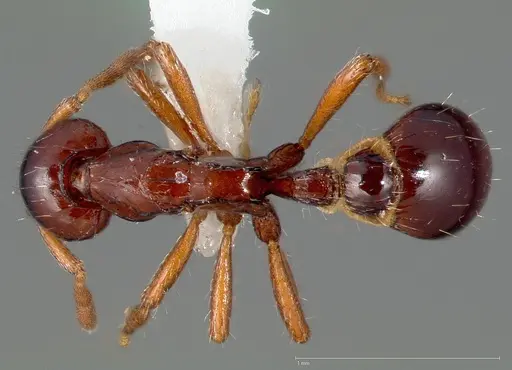
CASENT0005458
View on AntWeb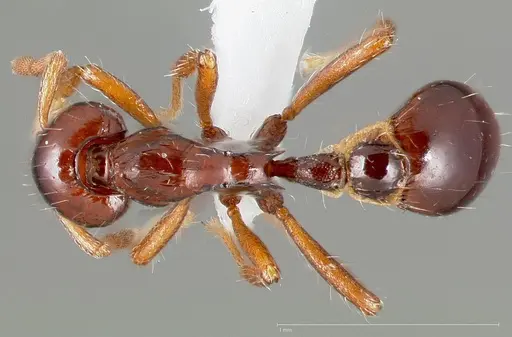
CASENT0005459
View on AntWeb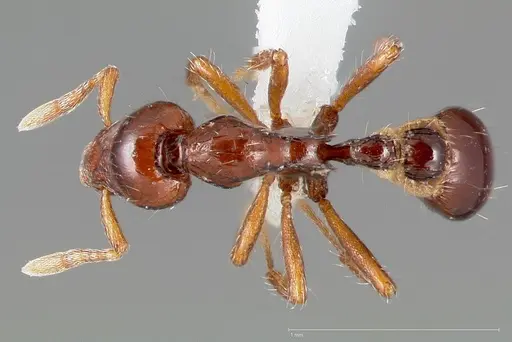
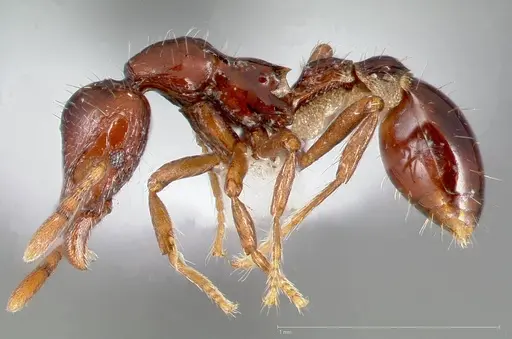
CASENT0005995
View on AntWeb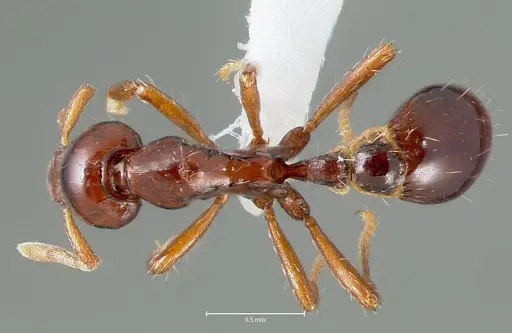
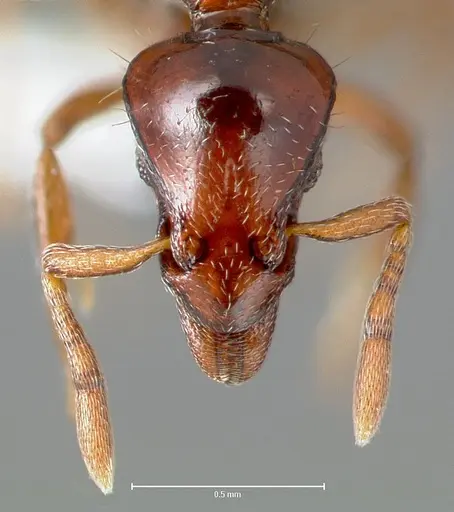
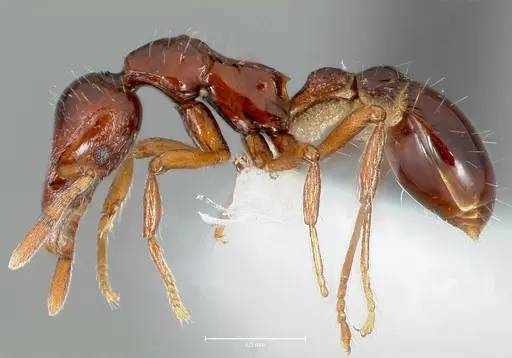
CASENT0900038
View on AntWeb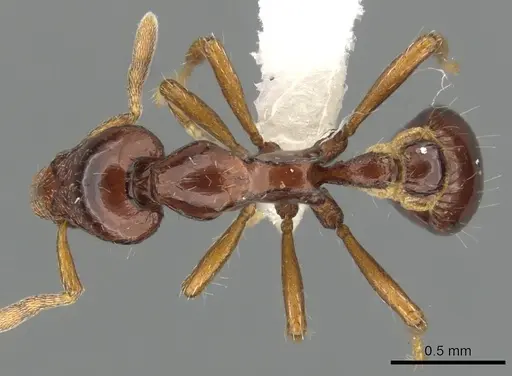
Literature
Loading...Loading products...