

Strumigenys serrula
- Scientific Name
- Strumigenys serrula
- Tribe
- Attini
- Subfamily
- Myrmicinae
- Author
- Santschi, 1910
- Distribution
- Found in 4 countries
Strumigenys serrula Overview
Strumigenys serrula is an ant species of the genus Strumigenys. It is primarily documented in 4 countries , including Central African Republic, Gabon, Kenya. Detailed taxonomic data and occurrence records can be further explored via authoritative databases such as AntWeb or the Global Biodiversity Information Facility (GBIF).
Strumigenys serrula
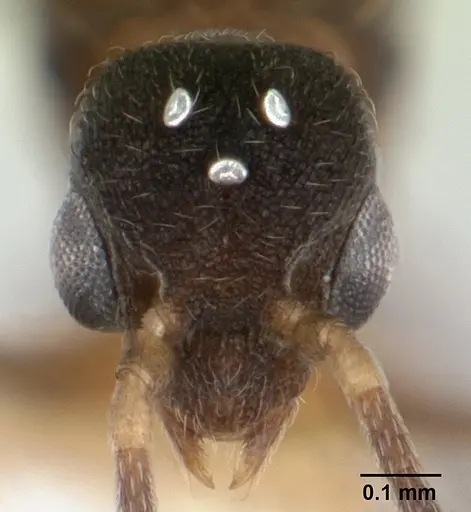
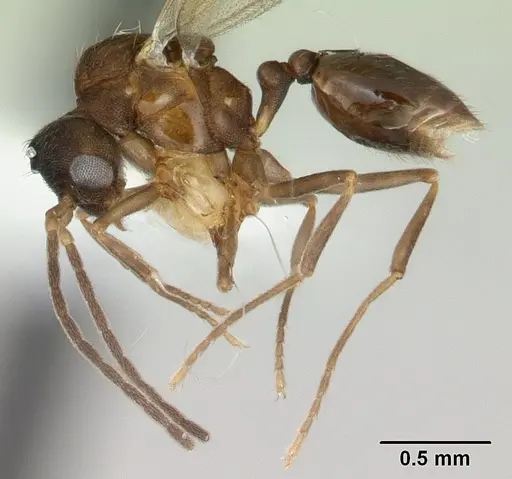
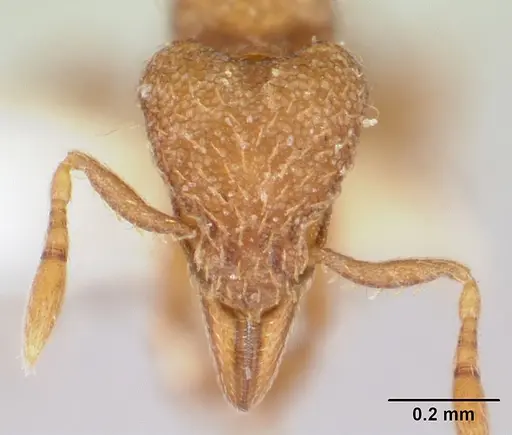
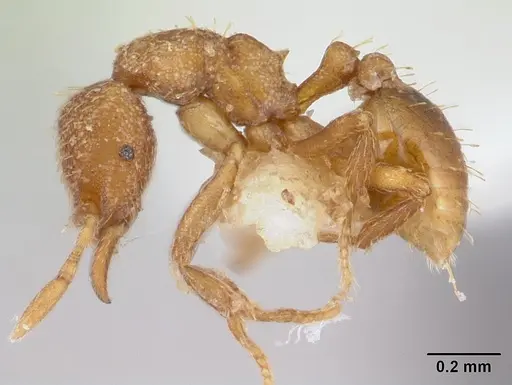
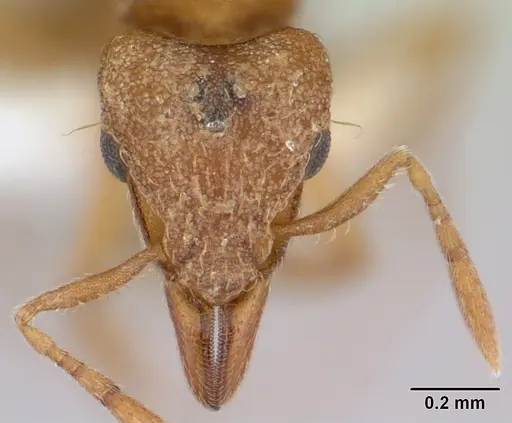
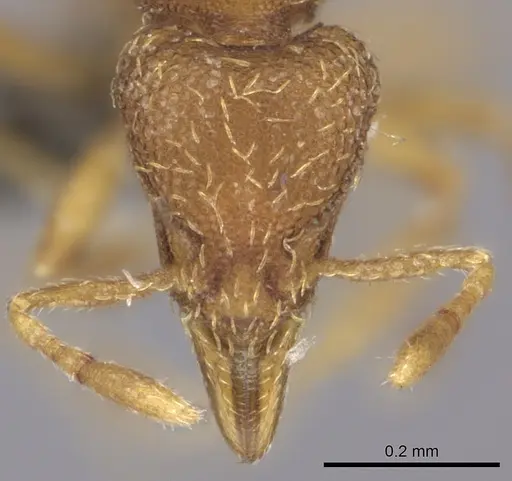
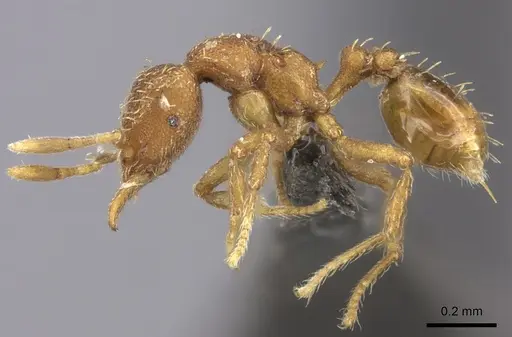
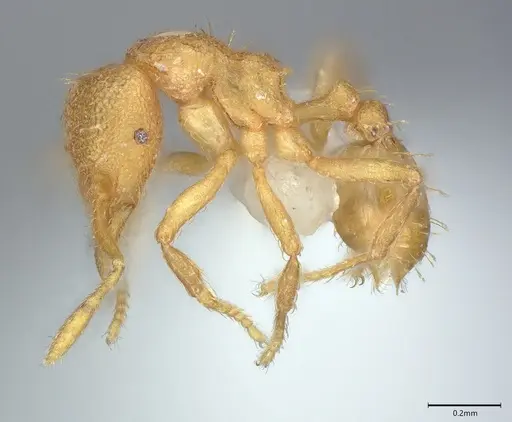
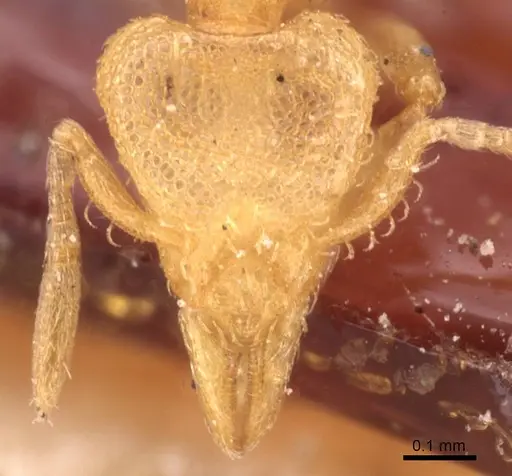
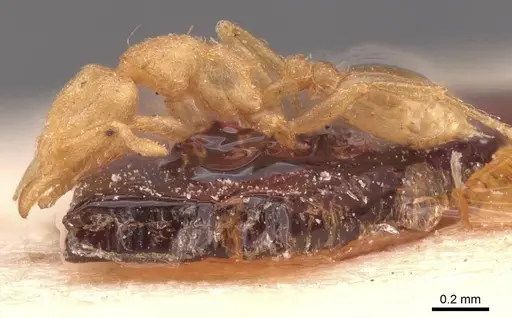
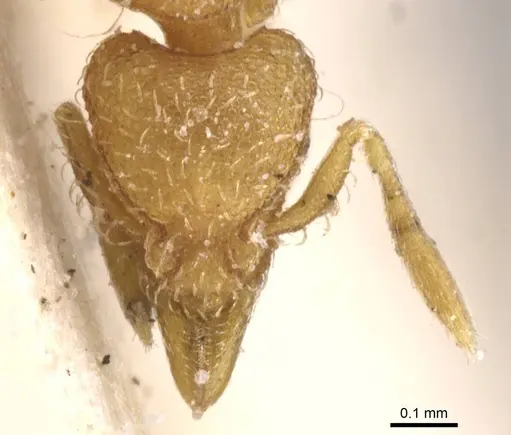
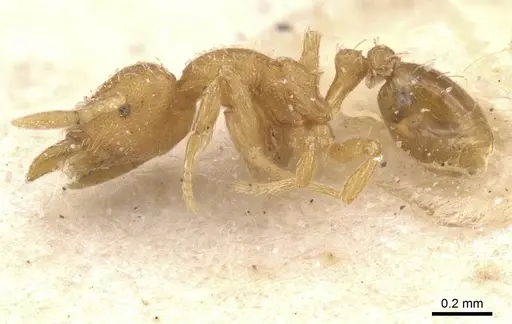
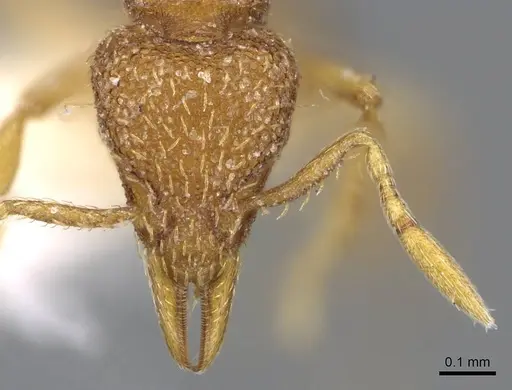
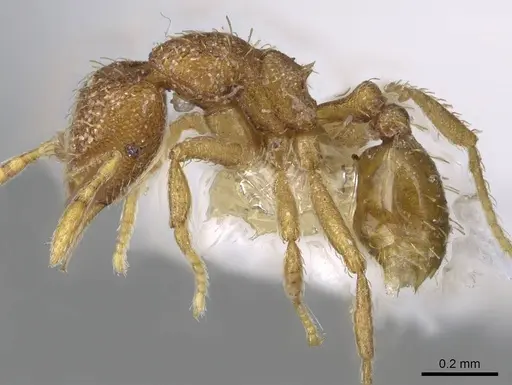
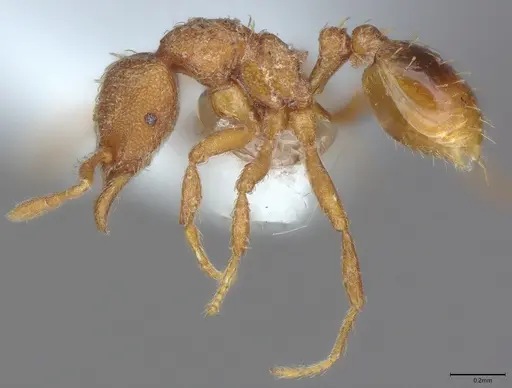
Strumigenys serrula is a small predatory ant native to Central and East Africa. Workers measure just 2-3mm and possess the genus' signature trap-jaw mandibles capable of snapping shut at incredible speeds to capture prey [1][2]. Their most distinctive feature is the specialized elongated mandibles with teeth that can lock and release like a spring mechanism, used to capture tiny arthropods, primarily springtails. The head is somewhat triangular when viewed from above, and the body is typically pale brown to reddish-brown. These ants are rarely kept in captivity due to their extremely specialized diet requirements, making them a challenge even for experienced antkeepers.
Quick Summary
- Difficulty: Expert
- Origin & Habitat: Found in Rwanda and the Democratic Republic of Congo, where they inhabit humid forest environments and leaf litter layers in tropical and subtropical habitats [1][2].
- Colony Type: Monogyne, single queen colonies. Colonies are relatively small, typically containing only a few dozen to a couple hundred workers.
- Colony: Monogyne
- Founding: Claustral
- Size & Growth:
- Queen: 3-4mm (estimated based on genus)
- Worker: 2-3mm [1]
- Colony: Up to 200-300 workers (typical for genus)
- Growth: Slow
- Development: Estimated 6-8 months at optimal temperature, Strumigenys species develop very slowly compared to most ants (Development is significantly slower than typical ants, first workers (nanitics) may take many months to emerge)
- Antkeeping:
- Temperature: Keep at 24-27°C. They require warm, stable temperatures matching their tropical forest floor origin.
- Humidity: High humidity required, aim for 70-85%. Keep the nest substrate consistently moist but not waterlogged. These ants come from humid forest environments.
- Diapause: No, being a tropical species, they do not require hibernation. Keep them warm year-round.
- Nesting: Prefer naturalistic setups with moist substrate. They do well in setups with multiple small chambers filled with soil/leaf litter mixture. Test tubes can work if humidity is maintained, but naturalistic terrariums are ideal.
- Behavior: Trap-jaw ants are specialized predators. They hunt by slowly approaching prey, then snapping their mandibles shut at extremely high speed. They are not aggressive toward humans but can sting if handled. They are shy and reclusive, spending most of their time in the nest or hunting in the leaf litter layer. Escape prevention is important due to their small size, they can squeeze through standard mesh. They are slow-moving outside of hunting bursts.
- Common Issues: Specialized diet makes them extremely difficult to keep, they require live springtails and will not accept alternative foods, Very slow development means colonies can stall for months without visible progress, Small size creates escape risk, fine mesh is essential, High humidity requirements can lead to mold problems if ventilation is poor, Wild-caught colonies often fail due to stress and inability to adapt to captive food sources
Housing and Setup
Strumigenys serrula requires a setup that recreates their natural forest floor habitat. A naturalistic terrarium works best, use a small container filled with a mixture of moist soil and decaying leaf litter. The substrate should be kept consistently humid but never waterlogged. You can add pieces of rotting wood, bark, or moss to provide hunting grounds and shelter. Because they are tiny, even small gaps can allow escapes, use fine mesh on any ventilation holes. A small water reservoir connected to the nest area helps maintain humidity through capillary action. Avoid test tube setups unless you can maintain high humidity consistently, as these ants quickly decline in dry conditions. [1][2]
Feeding and Diet
This is the most critical aspect of keeping Strumigenys serrula. They are obligate predators specializing almost exclusively on springtails (Collembola). In captivity, you must maintain a culture of live springtails to feed your colony. Other small arthropods like booklice (Psocoptera), minute soil mites, and tiny beetles may be accepted experimentally, but springtails must be the primary food source. They will not survive on sugar water, honey, or standard ant protein foods. You need to establish a thriving springtail culture before acquiring these ants, and be prepared to continuously maintain both cultures. Feed small numbers of springtails every few days, removing any uneaten prey within 24 hours to prevent mold.
Temperature and Care
Keep your colony at 24-27°C continuously. Being a tropical species from Central Africa, they require warm conditions year-round. Temperature drops below 20°C can slow their metabolism significantly and lead to colony decline. A small heat mat on one side of the enclosure can help maintain warmth, but always provide a temperature gradient so the ants can move to cooler areas if needed. Room temperature in heated homes may be sufficient, but monitor with a thermometer. Unlike temperate species, they do not require any cooling period or winter rest, keep them warm and active throughout the year. [1][2]
Behavior and Temperament
Strumigenys serrula is not a display ant, they are reclusive and spend most of their time hidden in the nest or hunting through the leaf litter. Their trap-jaw mechanism is fascinating to observe when they capture prey, but they are not active foragers that will come out to greet you at feeding time. Workers are docile and rarely show aggression, even toward each other. They can deliver a sting if provoked, but being so small, the effect is minimal for humans. The main behavioral concern is their escape ability, despite being slow-moving, their tiny size allows them to squeeze through gaps that larger ants cannot. Always use fine mesh and check for any small openings in your setup.
Colony Development
Expect very slow colony growth. A newly mated queen will seal herself in a small chamber and lay her first eggs. The larvae develop slowly, and it can take 6-8 months or longer for the first workers (nanitics) to emerge. These first workers are typically smaller than mature workers and may take additional months to develop into effective hunters. A mature colony may only reach 200-300 workers over several years. This slow growth is normal for the genus, do not panic if you see no visible progress for months. The key is patience and maintaining consistent care conditions. Once established, colonies can live for many years, with queens potentially living 10-15 years.
Frequently Asked Questions
Can I keep Strumigenys serrula in a test tube?
It is possible but not ideal. Test tubes can work if you maintain high humidity by adding a large water reservoir and keeping the setup in a warm, humid room. However, naturalistic setups with soil and leaf litter are much better for their long-term health and hunting behavior.
What do Strumigenys serrula eat?
They eat almost exclusively live springtails. This is non-negotiable, they will not survive on standard ant foods. You must maintain a springtail culture to feed your colony. Other tiny arthropods may be accepted occasionally but should not be the primary food.
How long does it take for first workers to emerge?
First workers typically emerge after 6-8 months, sometimes longer. Strumigenys species develop much slower than typical ants. Be patient and maintain consistent care conditions.
Are Strumigenys serrula good for beginners?
No. This is an expert-level species due to their extremely specialized diet requirements. You must be able to maintain live springtail cultures and provide the specific humidity and temperature conditions they need. Beginners should start with easier species.
How big do Strumigenys serrula colonies get?
Colonies typically reach 200-300 workers at maturity. They are not large colony ants like some other genera. Growth is very slow, taking several years to reach maximum size.
Do Strumigenys serrula need hibernation?
No. Being a tropical African species, they do not require hibernation or any cooling period. Keep them warm at 24-27°C year-round.
Why are my Strumigenys serrula dying?
The most common causes are: lack of live springtails (starvation), low humidity, temperatures below 20°C, or stress from wild-caught colonies. Ensure you have a thriving springtail culture and proper humidity before acquiring these ants.
When should I move Strumigenys serrula to a formicarium?
If using a test tube setup, you may need to move them when the water reservoir runs low or mold becomes an issue. However, a naturalistic setup from the start is preferable. Only move when absolutely necessary as relocation causes significant stress.
Can I keep multiple Strumigenys serrula queens together?
No. This is a monogyne species with a single queen per colony. Multiple queens will fight. Only keep one queen per colony.
References

This caresheet is licensed under CC BY-SA 4.0 .
CASENT0178316
View on AntWeb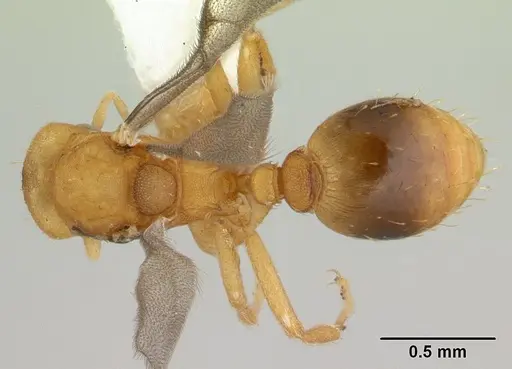
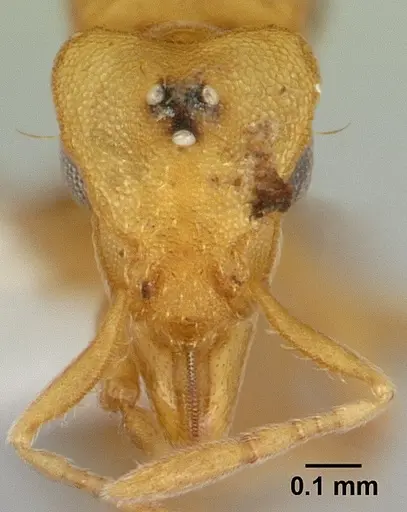
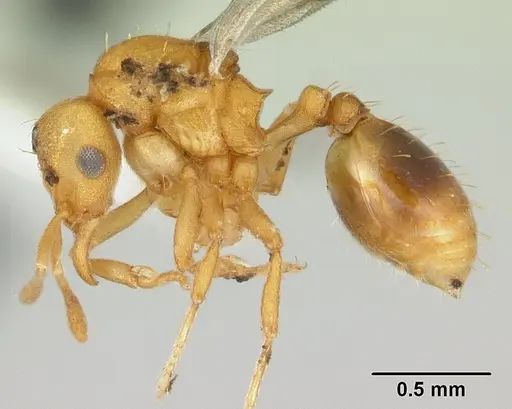
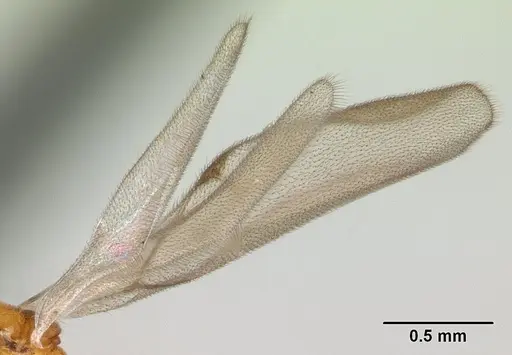
CASENT0178317
View on AntWeb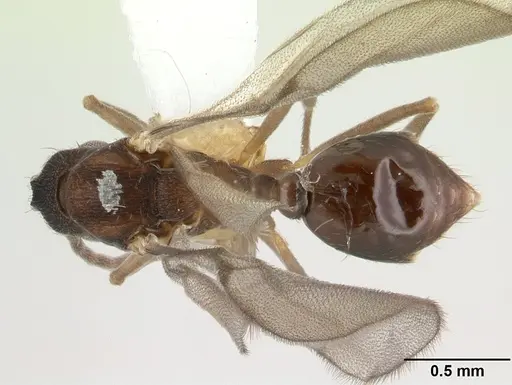
CASENT0178318
View on AntWeb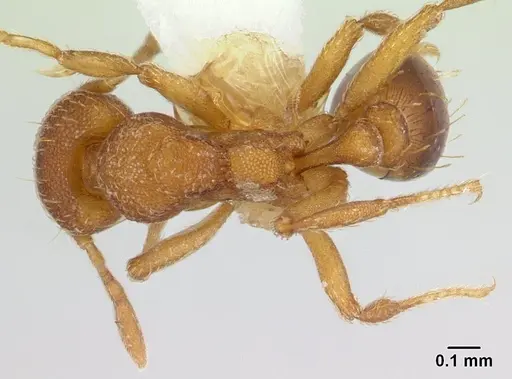
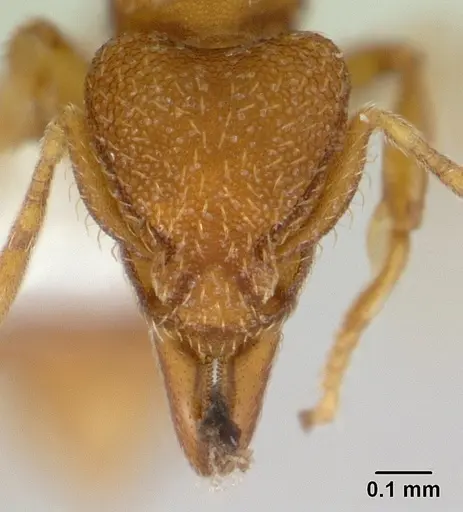
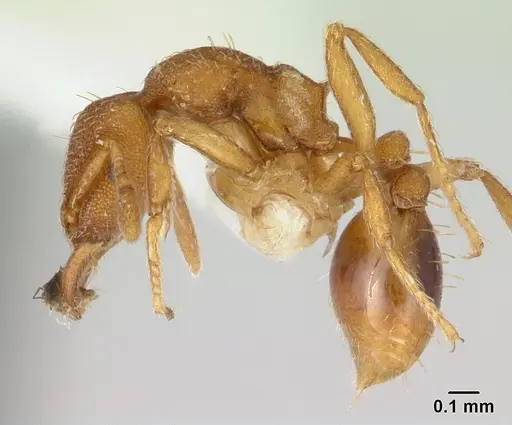
CASENT0178319
View on AntWeb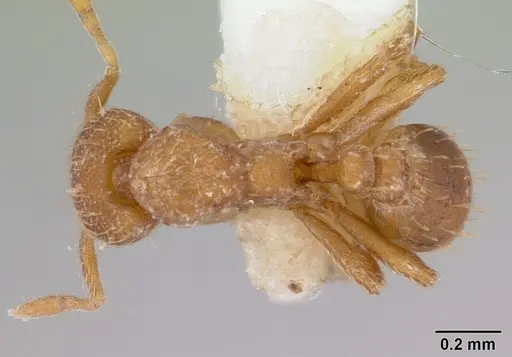
CASENT0178320
View on AntWeb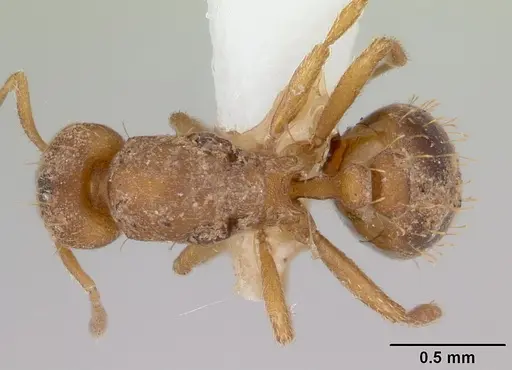
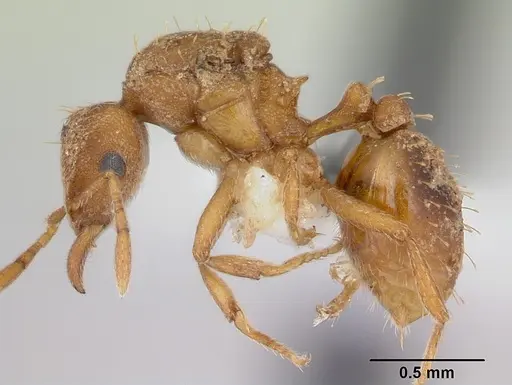
CASENT0217190
View on AntWeb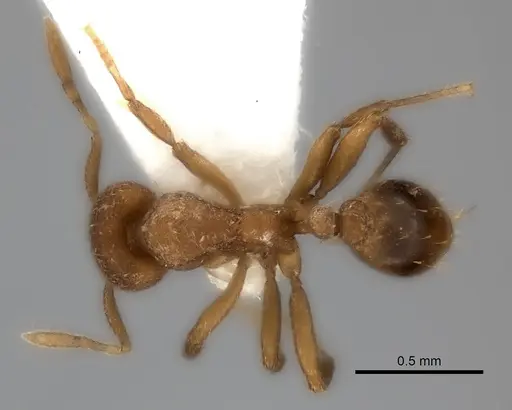
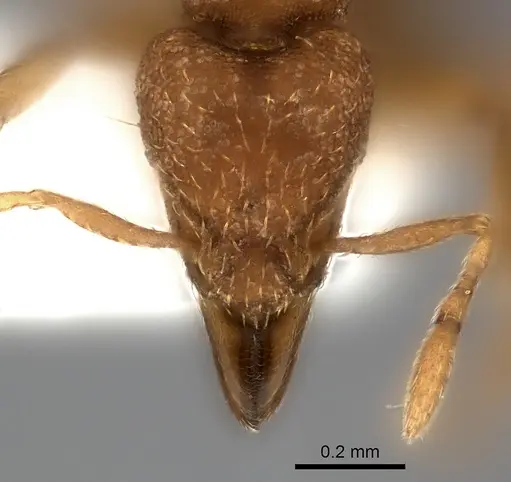
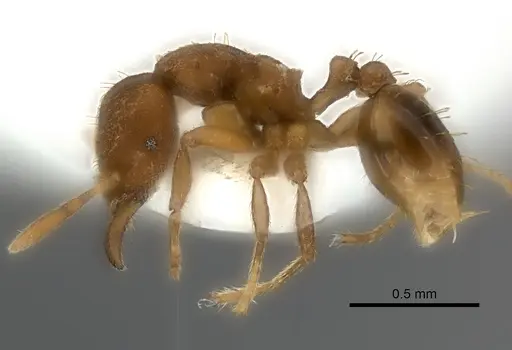
CASENT0235694
View on AntWeb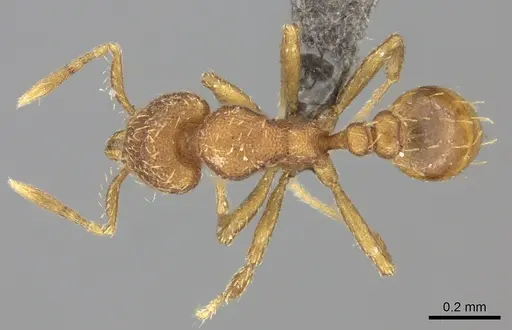
CASENT0353981
View on AntWeb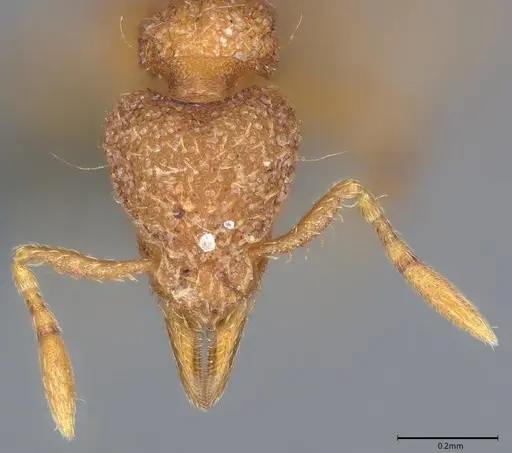
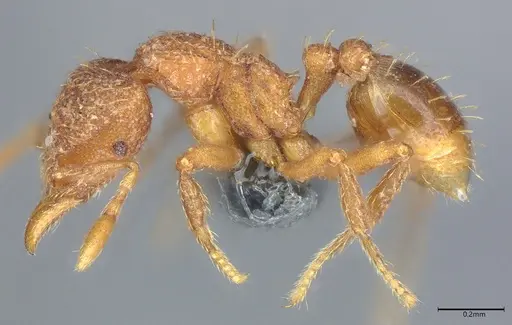
CASENT0358176
View on AntWeb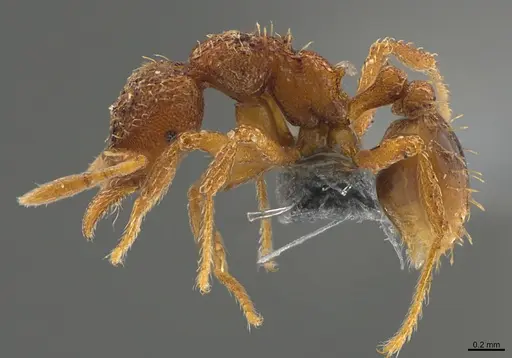
CASENT0414575
View on AntWeb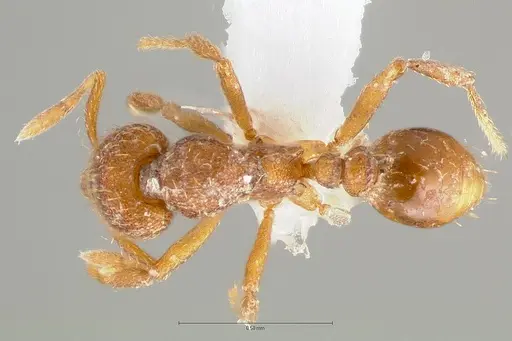
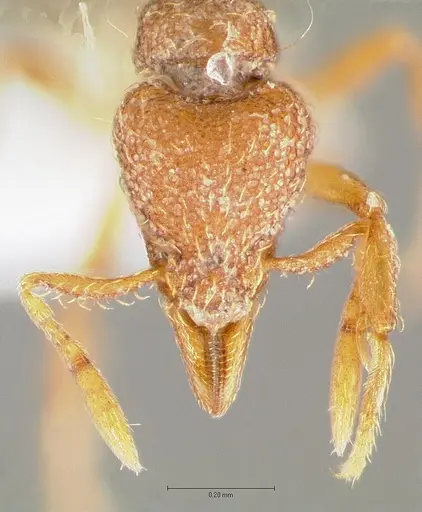
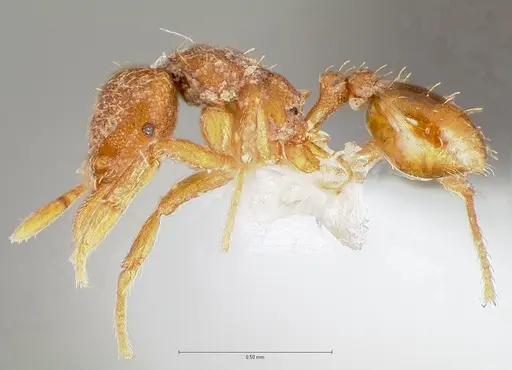
CASENT0417811
View on AntWeb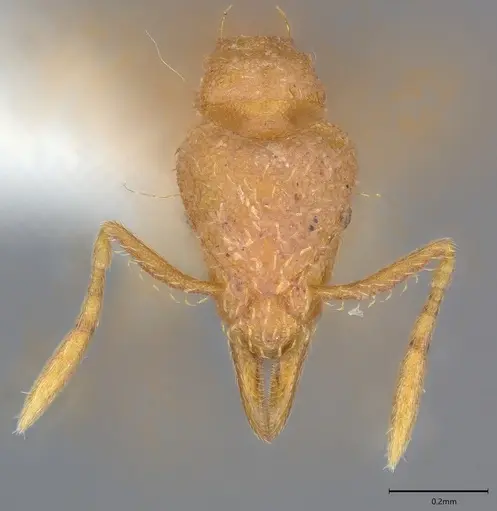
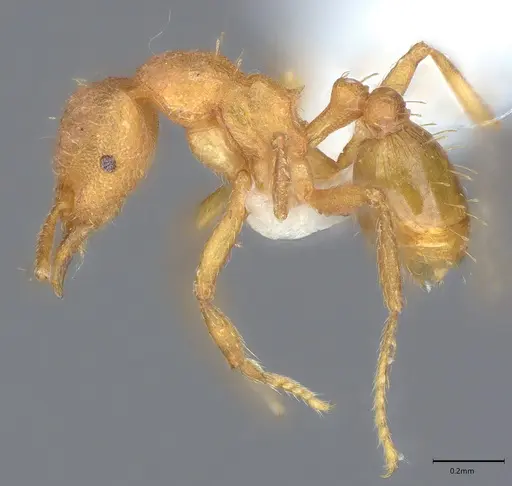
CASENT0845010
View on AntWeb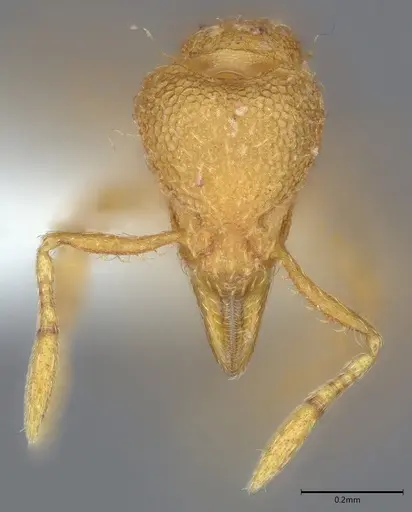
CASENT0912840
View on AntWeb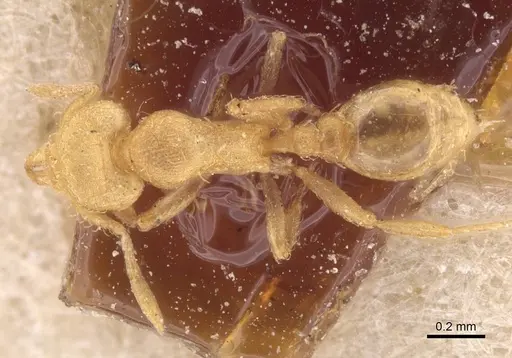
CASENT0912841
View on AntWeb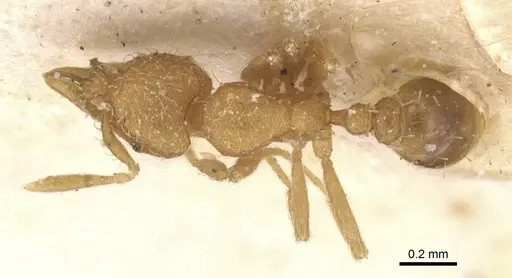
CASENT0914714
View on AntWeb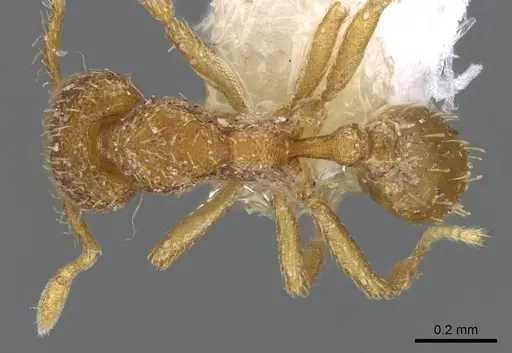
CASENT4036271
View on AntWeb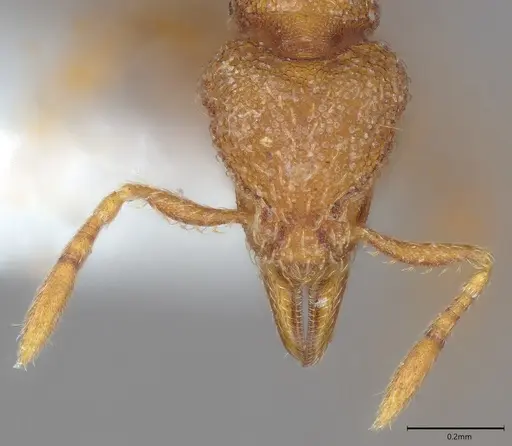
Literature
Loading...Loading products...