

Strumigenys schulzi
- Scientific Name
- Strumigenys schulzi
- Tribe
- Attini
- Subfamily
- Myrmicinae
- Author
- Emery, 1894
- Distribution
- Found in 11 countries
Strumigenys schulzi Overview
Strumigenys schulzi is an ant species of the genus Strumigenys. It is primarily documented in 11 countries , including Brazil, Colombia, Costa Rica. Detailed taxonomic data and occurrence records can be further explored via authoritative databases such as AntWeb or the Global Biodiversity Information Facility (GBIF).
Strumigenys schulzi
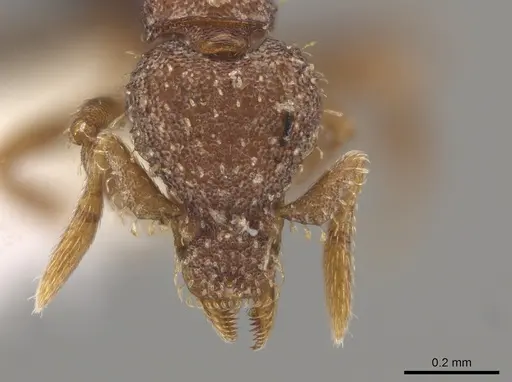
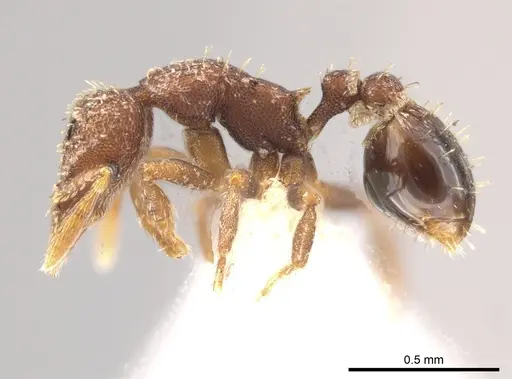
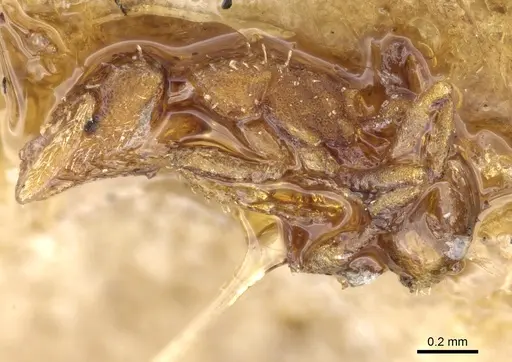
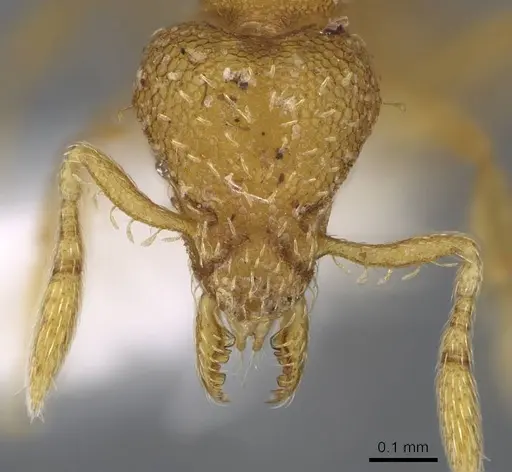
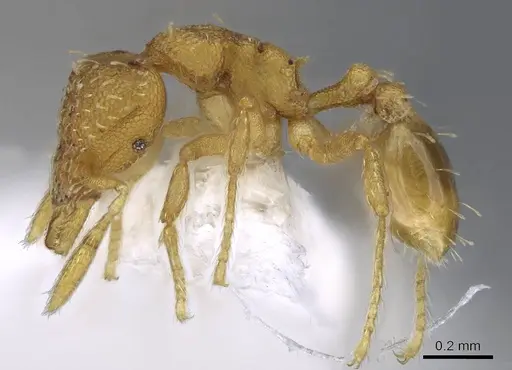
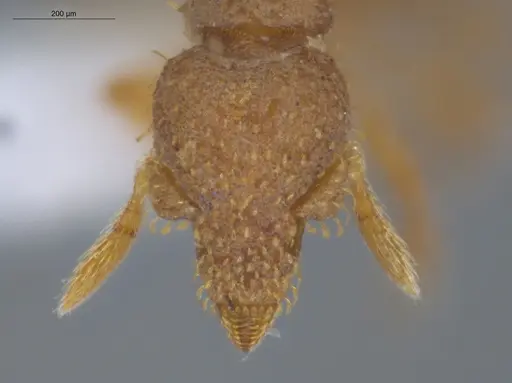
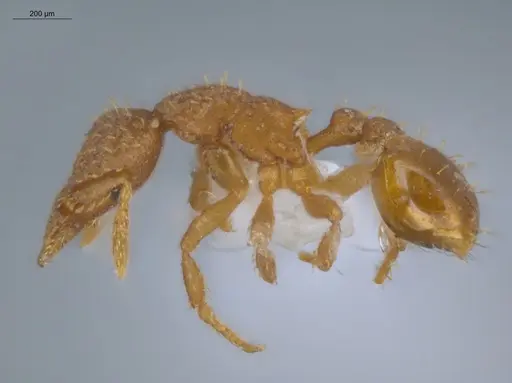
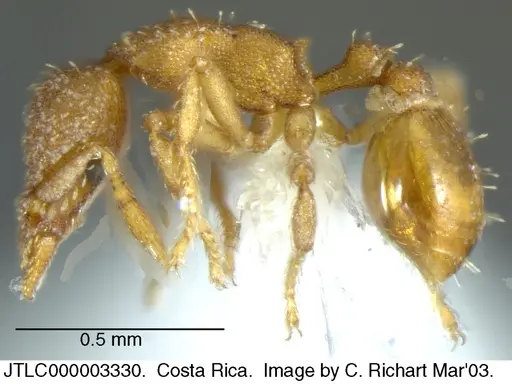
Strumigenys schulzi is a tiny predatory ant measuring just 1.8-1.9mm in total length [1]. Workers have distinctive trap-jaw mandibles with 5 triangular teeth and large eyes containing over 20 ommatidia [2]. The body is uniformly yellow to brownish yellow, with strongly flattened and widened antenna1 scapes, and the dorsal surface is covered in distinctive spoon-shaped (spatulate) hairs [2]. This species belongs to the schulzi-group within the genus Strumigenys and shows some variation across its wide geographic range from southern Mexico to southern Brazil [1]. The species was originally described by Emery in 1894 and was later confirmed as the senior synonym of Strumigenys schulzi.
What makes S. schulzi fascinating is its specialized predatory lifestyle, these tiny ants are specialist hunters of springtails (Collembola), using their trap-jaw mandibles to capture this specific prey [3]. Unlike many ground-nesting ants, they nest and forage in the low arboreal zone, just above the soil and leaf litter layer, often hiding under tree bark or in pre-existing cavities in vegetation [1]. They are nocturnal foragers, with workers occasionally spotted hunting on the ground at night [1].
Quick Summary
- Difficulty: Medium
- Origin & Habitat: Neotropical region, found from southern Mexico through Central America to southern Brazil, including Barbados, Belize, Costa Rica, Ecuador, French Guiana, Honduras, Panama, Peru, Trinidad and Tobago, and Venezuela [1]. Inhabits wet tropical forests, typically collected from leaf litter and vegetation samples in lowland rainforest habitats [1].
- Colony Type: Colony structure is not well documented. Samples consist primarily of single individuals, suggesting small colony sizes or solitary nesting behavior. Workers are foragers, and the species appears to nest in pre-existing cavities in vegetation rather than excavating nests in soil [1].
- Size & Growth:
- Queen: Undescribed, queen measurements not available in primary literature
- Worker: 1.8-1.9mm total length, HL 0.50-0.55mm, HW 0.37-0.42mm
- Colony: Likely small, samples typically consist of single individuals rather than large series [1]
- Growth: Unknown
- Development: Unconfirmed, no direct development data available for this species (Development timeline has not been studied. Based on related Strumigenys species and their small size, development likely takes several months from egg to adult worker at optimal temperatures.)
- Antkeeping:
- Temperature: Keep at room temperature in the low-to-mid 20s°C range (approximately 22-26°C). This species comes from tropical wet forests, so warmth and humidity together are important. A gentle heat gradient allows ants to regulate their temperature.
- Humidity: Requires high humidity, think damp tropical forest conditions. Keep the nest substrate consistently moist but not waterlogged. These ants inhabit wet forest environments and desiccate easily due to their tiny size. Misting the outworld regularly and using a water reservoir in the nest helps maintain humidity.
- Diapause: Unlikely, as a tropical species, they probably do not require a true hibernation period. However, they may show reduced activity during cooler or drier seasons in their natural habitat.
- Nesting: Prefers arboreal-style setups that mimic their natural habitat in vegetation. Small test tubes or acrylic nests work well, but the outworld should be set up to maintain humidity. They nest under tree bark and in pre-existing cavities in nature, so providing tight-fitting chambers and dark spaces mimics their natural shelter. Y-tong (AAC) nests or small acrylic formicaria with good humidity retention are suitable choices.
- Behavior: These ants are specialized predators with trap-jaw mandibles designed for hunting springtails. They are nocturnal foragers, becoming active in the evening and night hours [1]. Workers are small but capable of quick movements when hunting. They are not aggressive toward humans and cannot sting, their primary defense is escaping into crevices. Escape prevention is critical due to their very small size (under 2mm). They may be shy and reclusive, preferring to stay hidden in the nest or foraging quietly at night. Their specialized diet means they require live springtails or other tiny micro-arthropods as primary food.
- Common Issues: tiny size means escapes are likely without fine mesh barriers and tight-fitting lids, specialized diet on springtails can be difficult to maintain, cultures may be needed, small colony sizes make them vulnerable to stress and population crashes, high humidity requirements can lead to mold issues if ventilation is poor, difficulty finding mates for reproduction, sexuals are rarely encountered in the wild
Housing and Nest Setup
Strumigenys schulzi requires setup considerations that reflect their arboreal, humidity-loving nature. A small test tube setup works well for founding colonies, but you should use a water reservoir to maintain humidity over an extended period. Because they are tiny (under 2mm), any gaps in the setup can become escape routes, use fluon on the rim and ensure all connections are tight [1].
For established colonies, a small acrylic nest or Y-tong (AAC) formicarium provides better space while still retaining humidity. The outworld should be simple and easy to keep humid, a small plastic container works fine. Add some pieces of cork bark or small hiding spots to mimic their natural shelter under tree bark [1]. Keep the nest area dark or provide a dark retreat space, as these ants prefer dim conditions and are nocturnal.
Ventilation is important but should not create excessive airflow that dries them out. Small ventilation holes or a mesh top that retains humidity while allowing some air exchange works best. The substrate (if using a naturalistic setup) should be kept moist but never waterlogged.
Feeding and Diet
This is the most critical aspect of keeping Strumigenys schulzi successfully. They are specialist predators that feed almost exclusively on springtails (Collembola) [3]. In captivity, you must establish a springtail culture to provide a reliable food source. Other tiny micro-arthropods like minute soil mites may be accepted as alternative prey, but springtails should form the core of their diet.
Do not rely on sugar water or honey as primary food sources, these ants are predators, not nectar feeders. While they may occasionally sample sweet liquids, the protein from live prey is essential for their survival and colony growth. Feed small springtails regularly, removing any uneaten prey after 24-48 hours to prevent mold.
Because they are nocturnal, offer food in the evening or at night when they become active. A few springtails placed in the outworld every 2-3 days (depending on colony size) keeps them well-fed without overloading the setup. Monitor consumption and adjust feeding frequency accordingly.
Temperature and Humidity
Strumigenys schulzi comes from wet tropical forests in the Neotropics, so they need warm and humid conditions. Aim for temperatures in the low-to-mid 20s°C (approximately 22-26°C). Room temperature within this range is usually suitable. If your room is cooler, a heating cable on one side of the nest (placed on top of the nest, not underneath to avoid drying) can create a warm zone.
Humidity is crucial, these tiny ants desiccate quickly in dry conditions. Keep the nest substrate consistently moist. In test tube setups, ensure the water reservoir is large enough to maintain humidity for several weeks. In formicaria, mist the nest area regularly and consider using a moist cotton ball or water reservoir. The goal is damp conditions similar to a tropical forest floor, not soaking wet.
Avoid placing the setup near air conditioning vents, heaters, or in direct sunlight, all of these create temperature and humidity fluctuations that stress these sensitive ants. [1]
Behavior and Activity Patterns
These ants are nocturnal hunters, becoming active in the evening and through the night [1]. During the day, workers typically remain hidden in the nest or within shelter sites. Their trap-jaw mandibles are specialized for capturing springtails, when triggered, the mandibles snap shut rapidly on prey.
Workers are small but fast-moving when hunting. They are not aggressive and will flee rather than confront threats. In captivity, you may not see much activity unless you observe in the evening or night with a red light (which they cannot see well).
Their small size (under 2mm) means they can squeeze through incredibly tiny gaps. Excellent escape prevention is essential, use fluon on all rim surfaces, ensure connection points are tight, and consider fine mesh on any ventilation. Even a small gap that seems insignificant with larger ants can be an escape route for these tiny predators.
Colony Growth and Reproduction
Colony growth in Strumigenys schulzi appears to be slow, and colonies likely remain small. Scientific samples consist primarily of single workers rather than large series, suggesting colonies may only reach dozens of individuals rather than hundreds [1]. This makes sense given their specialized diet and small prey requirements.
Reproduction in captivity is challenging. Sexual individuals (males and queens) are rarely encountered in the wild, and nuptial flight timing is unknown. If you obtain a mated queen, she will need to raise the first brood alone in a claustral-type setup (if typical of the genus). The first workers (nanitics) will be very small.
Patience is key with this species. Growth from egg to worker likely takes several months, and colonies may take years to reach even modest sizes of 20-30 workers. Do not overfeed or disturb the colony excessively, stable conditions and consistent prey availability matter more than anything else.
Frequently Asked Questions
What do Strumigenys schulzi ants eat?
They are specialist predators that feed almost exclusively on springtails (Collembola) [3]. You must maintain a springtail culture to keep this species successfully. Other tiny micro-arthropods may be accepted experimentally, but springtails should form the core of their diet. Sugar water is not a reliable food source for this predatory species.
How long does it take for Strumigenys schulzi to develop from egg to worker?
The exact development timeline has not been studied for this species. Based on related Strumigenys species and their small size, development likely takes several months from egg to adult worker at optimal temperatures (22-26°C). Expect a slow growth rate and be patient with founding colonies.
Are Strumigenys schulzi good for beginners?
No, this species is not recommended for beginners. Their specialized diet requiring live springtail cultures, tiny size making escape prevention difficult, and high humidity requirements make them challenging. They are best suited for antkeepers with experience maintaining humidity-dependent species and the ability to culture live prey.
What size colony do Strumigenys schulzi reach?
Colony size appears to be small based on scientific samples that typically consist of single individuals rather than large series [1]. Colonies likely reach only a few dozen workers at most, not hundreds like many other ant species.
Do Strumigenys schulzi need hibernation?
No, they do not require hibernation. As a tropical species from wet forests in Central and South America, they are adapted to year-round warm and humid conditions [1]. They may show reduced activity during cooler periods but do not enter true diapause.
Can I keep Strumigenys schulzi in a test tube?
Yes, a test tube setup works well for founding colonies. Use a tube with a water reservoir to maintain humidity, and apply fluon on the rim to prevent escapes due to their tiny size. For established colonies, a small acrylic nest or Y-tong formicarium provides more space while still retaining humidity.
Why are my Strumigenys schulzi dying?
Common causes include: desiccation from low humidity (critical for this species), lack of live springtail prey (they cannot survive on sugar or other foods), escape through tiny gaps, mold from over-wetting, and stress from excessive disturbance. Ensure high humidity, maintain a springtail culture, and use excellent escape prevention.
When are Strumigenys schulzi active?
They are nocturnal, becoming active in the evening and through the night [1]. You will see most activity if you observe in the evening or use a red light at night. During the day, workers typically remain hidden in the nest.
Where is Strumigenys schulzi native to?
They are found throughout the Neotropical region, from southern Mexico through Central America (Costa Rica, Panama, Honduras, Belize) to southern Brazil, also including Caribbean islands like Barbados and Trinidad [1]. They inhabit wet tropical forests in the low arboreal zone.
References

This caresheet is licensed under CC BY-SA 4.0 .
CASENT0281996
View on AntWeb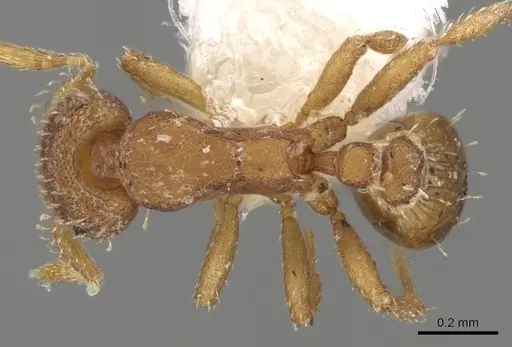
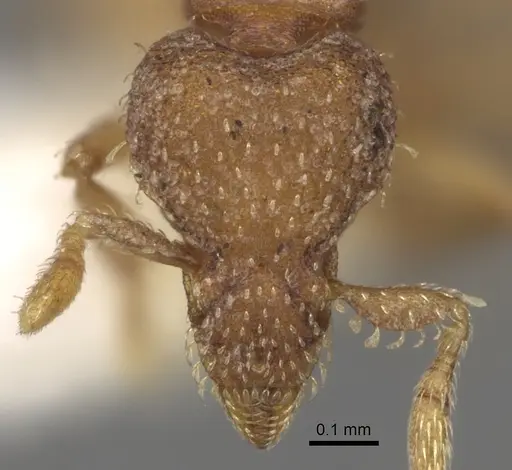
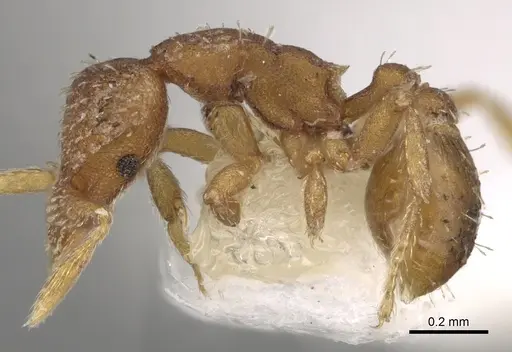
CASENT0647506
View on AntWeb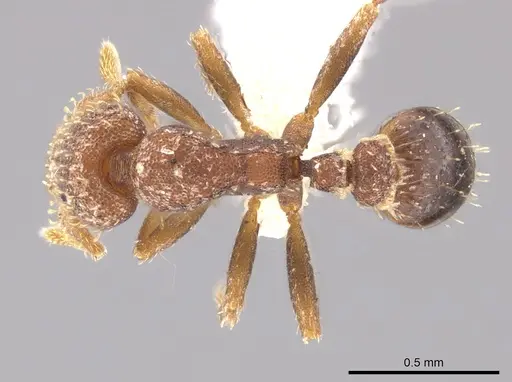
CASENT0904958
View on AntWeb
CASENT0914612
View on AntWeb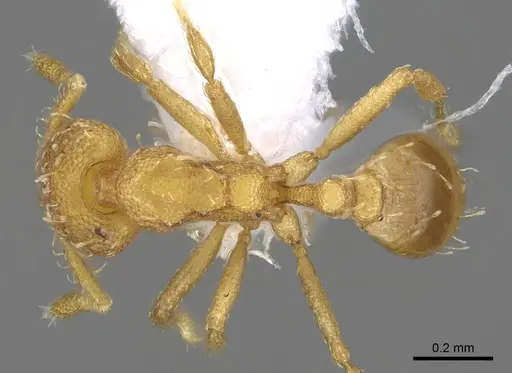
ECOFOG-IT14-0429-37
View on AntWeb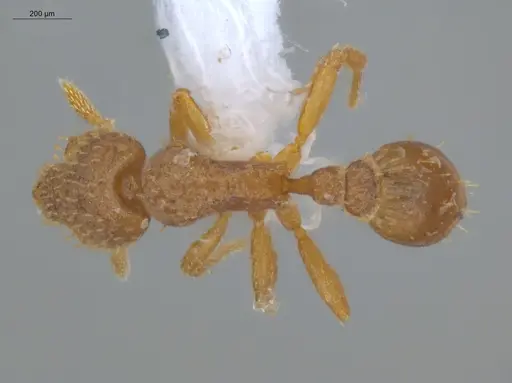
JTLC000003330
View on AntWeb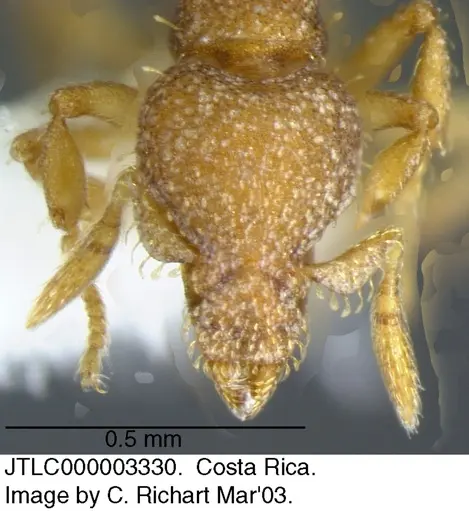
Literature
Loading...Loading products...