

Strumigenys schmalzi
- Scientific Name
- Strumigenys schmalzi
- Tribe
- Attini
- Subfamily
- Myrmicinae
- Author
- Emery, 1906
- Distribution
- Found in 3 countries
Strumigenys schmalzi Overview
Strumigenys schmalzi is an ant species of the genus Strumigenys. It is primarily documented in 3 countries , including Brazil, Curaçao, Paraguay. Detailed taxonomic data and occurrence records can be further explored via authoritative databases such as AntWeb or the Global Biodiversity Information Facility (GBIF).
Strumigenys schmalzi
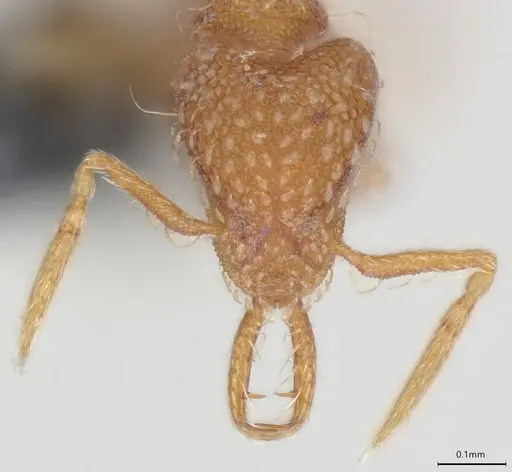
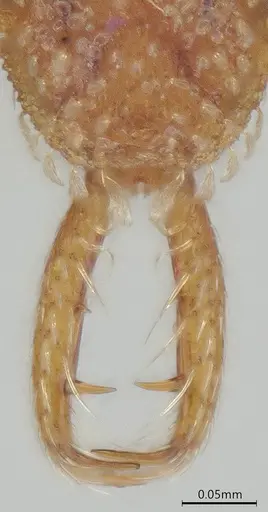
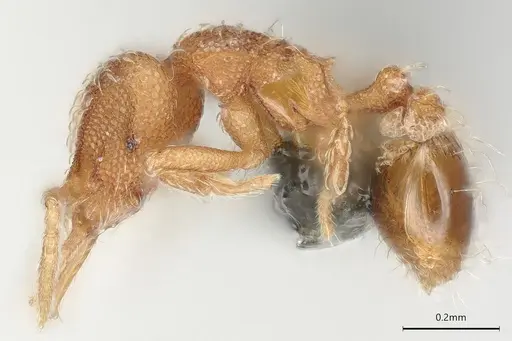
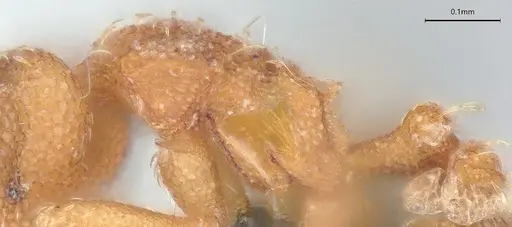
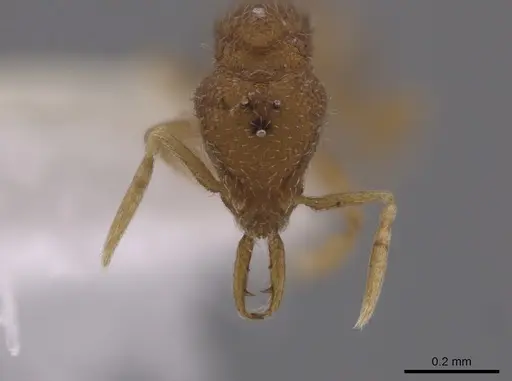
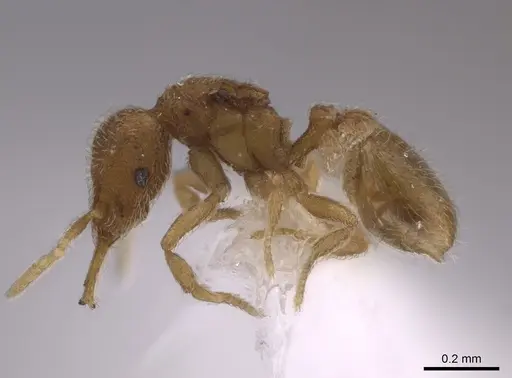
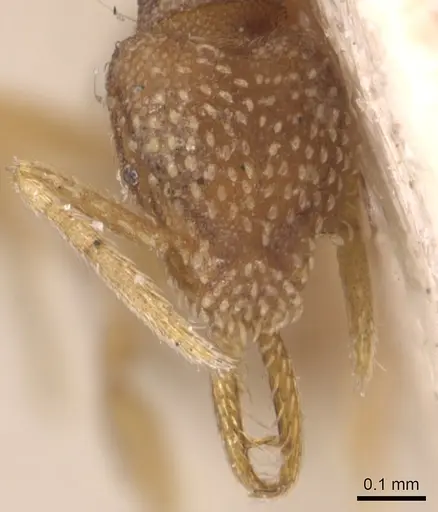
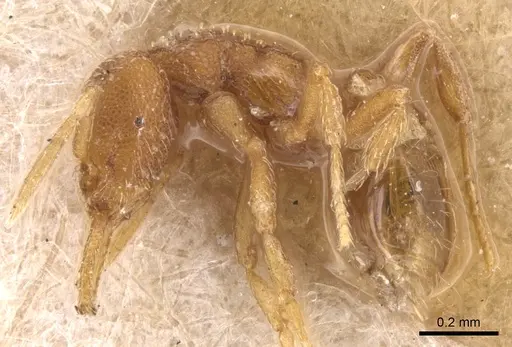
Strumigenys schmalzi is a tiny predatory ant measuring just 1.8mm in total length, belonging to the Dacetini tribe known for their specialized trap-jaw mandibles [1]. Workers have a distinctive appearance with spatulate hairs on the head and promesonotum, and their gaster bears extremely fine, curved hairs. This species is part of the Strumigenys silvestrii group and is closely related to Strumigenys carinithorax, so similar that they may eventually prove to be the same species. The species is poorly sampled in the wild, with most records coming from Brazil's Atlantic Forest and Amazon regions, as well as Paraguay, Peru, and Trinidad and Tobago [2]. Found in leaf litter environments, these ants are specialized predators that hunt small arthropods.
Quick Summary
- Difficulty: Expert
- Origin & Habitat: Neotropical region, Brazil, Paraguay, Argentina, Peru, and Trinidad and Tobago. Inhabits leaf litter in Atlantic semi-deciduous forests, Amazon areas, and occasionally secondary forest remnants. Collected from forest floor environments in both preserved and disturbed areas including Eucalyptus plantations [1][3][4].
- Colony Type: Unknown colony structure. Single-queen colonies are typical for most Strumigenys species, but founding behavior and colony organization have not been documented for this specific species.
- Size & Growth:
- Queen: Undocumented, estimated 2-3mm based on worker size of 1.8mm and typical genus patterns
- Worker: 1.8mm total length (TL), HL 0.46,HW 0.36
- Colony: Unknown, related Strumigenys species typically reach 100-500 workers
- Growth: Slow, based on typical Dacetini development patterns
- Development: Estimated 8-12 weeks at optimal temperature based on genus patterns for small Myrmicinae in tropical conditions (Direct development data unavailable for this species, estimates based on related Dacetini species)
- Antkeeping:
- Temperature: Keep at 24-28°C, these are tropical forest ants requiring warm, stable conditions. A gentle gradient allowing cooler areas around 22°C is recommended.
- Humidity: High humidity required, think damp forest floor. Keep substrate consistently moist but not waterlogged. Provide a water tube and mist occasionally.
- Diapause: Unlikely, as a tropical species, they probably do not require a true diapause. However, slight seasonal slowdowns may occur during cooler periods.
- Nesting: Y-tong (AAC) nests or test tube setups work well for these tiny ants. They prefer tight chambers scaled to their minute size. Naturalistic setups with leaf litter and moist substrate also mimic their natural forest floor habitat.
- Behavior: Very shy and non-aggressive. As specialized predators, they hunt small arthropods using their trap-jaw mandibles. They are not defensive and rarely sting. Escape prevention is critical due to their extremely small size, they can squeeze through the tiniest gaps. Workers are slow-moving and spend most of their time hunting in leaf litter.
- Common Issues: escape prevention is critical, tiny size means they can slip through standard barrier setups, specialized diet makes feeding challenging, they need live small prey, slow colony growth tests keeper patience, poorly documented species means limited care guidance available, wild-caught colonies may have parasites that are difficult to treat
Housing and Nest Setup
Strumigenys schmalzi is an extremely small ant requiring carefully scaled housing. Y-tong (acrylic) nests with narrow chambers work well, as do test tube setups. The chambers should be tight, these ants feel secure in snug spaces. Because of their tiny size, escape prevention must be excellent. Use fine mesh barriers (at least 0.5mm or tighter) and ensure all openings are sealed. A naturalistic setup with a layer of moist leaf litter over damp soil can mimic their natural forest floor habitat and provide hunting grounds. Keep the nest area humid but ensure some dry areas exist so ants can self-regulate. A water tube connected to the nest helps maintain humidity [1][3].
Feeding and Diet
This species is a specialized predator in the Dacetini tribe, they are not generalists and require live prey. Their diet consists of tiny arthropods, particularly springtails and other micro-arthropods found in leaf litter. You should culture live springtails, dwarf isopods, or similar tiny prey to feed them. Offer prey items that are appropriately sized, no larger than the ant's head. Feed every 2-3 days, removing uneaten prey to prevent mold. Sugar sources are unlikely to be accepted, these are obligate predators. Some keepers report success with tiny pieces of mealworm, but live prey should form the core of their diet. Do not expect them to accept honey or sugar water [1].
Temperature and Humidity
As a tropical species from Brazil's Atlantic Forest and Amazon regions, Strumigenys schmalzi requires warm, humid conditions. Keep the nest area at 24-28°C with minimal fluctuations. A heating cable on one side of the nest can create a gentle gradient, but avoid direct heat that could dry them out. High humidity is essential, aim for 70-85% relative humidity in the nest area. The substrate should feel damp to the touch but never waterlogged. These ants come from forest floor environments where humidity remains consistently high. Mist the outworld occasionally and keep the water tube filled. Poor humidity leads to worker mortality and colony decline [1][3][4].
Colony Establishment
Establishing a colony of this species is challenging due to limited availability and poor documentation. If you obtain a queen, she should be housed in a small test tube setup with moist cotton. The founding chamber should be dark and humid. Queens are likely claustral (seal themselves in) like most Myrmicinae, living off stored fat reserves until first workers emerge. First workers (nanitics) will be very small and may take 8-12 weeks to develop based on typical Dacetini patterns. Do not disturb the queen during founding. Once workers emerge, introduce tiny live prey. Growth is slow, colonies may take months or even a year to reach 20-30 workers. Patience is essential with this species. Consider that wild-caught colonies may carry parasites that can cause colony failure in captivity.
Behavior and Temperament
Strumigenys schmalzi is a shy, non-aggressive species. Workers are slow-moving and spend their time hunting in the leaf litter layer. They possess trap-jaw mandibles (characteristic of Dacetini) that they use to capture small prey, but they pose no threat to humans. These ants are not defensive and will not bite or sting. Their tiny size and docile nature make them fascinating to observe, but they are not interactive pets. Workers may be difficult to spot in the nest due to their minute size. They do not form large colonies, expect maximum sizes of a few hundred workers based on related species. The species shows some resilience in disturbed habitats like Eucalyptus plantations, suggesting adaptability, but they thrive best in stable, humid conditions [1][3].
Frequently Asked Questions
How long does it take for Strumigenys schmalzi to produce first workers?
Estimated 8-12 weeks from egg to first worker at optimal temperature (24-28°C). This is based on typical Dacetini development patterns, as specific development data for this species is not available. Growth is slow, colonies may take many months to establish [1].
Can I keep Strumigenys schmalzi in a test tube?
Yes, test tubes work well for founding colonies and small colonies. Use a small test tube with a water reservoir at one end, sealed with cotton. The chamber should be humid but not flooded. Due to their tiny size, ensure the cotton is packed tightly to prevent escapes. As the colony grows, you may need to move them to a more spacious Y-tong nest.
What do Strumigenys schmalzi ants eat?
They are specialized predators requiring live tiny prey. Culture live springtails, dwarf isopods, or other micro-arthropods to feed them. Prey should be appropriately sized, no larger than the ant's head. Sugar sources are unlikely to be accepted. This is not a species that will accept commercial ant food.
Are Strumigenys schmalzi good for beginners?
No, this is an expert-level species. They are extremely small (1.8mm), require specialized live prey feeding, need high humidity, and have poorly documented care requirements. They are also rarely available in the antkeeping hobby. Beginners should start with more documented species like Lasius, Camponotus, or Messor.
How big do Strumigenys schmalzi colonies get?
Colony size is not well documented, but related Strumigenys species typically reach 100-500 workers. This species is unlikely to form large colonies. Growth is slow, and colonies may take a year or more to reach moderate size.
Do Strumigenys schmalzi need hibernation?
No, as a tropical species from Brazil and surrounding regions, they do not require hibernation. They may experience slight slowdowns during cooler periods, but a true diapause is not necessary. Keep them at warm temperatures year-round (24-28°C).
Why are my Strumigenys schmalzi dying?
Common causes include: low humidity (they need damp conditions), inappropriate prey (must be live and tiny), escape (check for tiny gaps), temperature issues (too cold or too hot), and parasites from wild-caught colonies. Review each parameter and ensure conditions match their forest floor habitat.
When should I move Strumigenys schmalzi to a formicarium?
Move them when the test tube becomes crowded and the colony reaches 30-50 workers. A Y-tong nest with small chambers works well. Do not move too early, these ants prefer tight spaces and may struggle in oversized nests.
Can I keep multiple Strumigenys schmalzi queens together?
This has not been documented. Based on typical Strumigenys behavior, single-queen colonies are most likely. Combining unrelated queens is not recommended without evidence that they can coexist.
References

This caresheet is licensed under CC BY-SA 4.0 .
CASENT0178127
View on AntWeb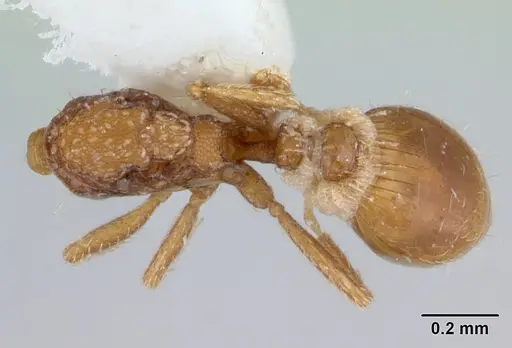
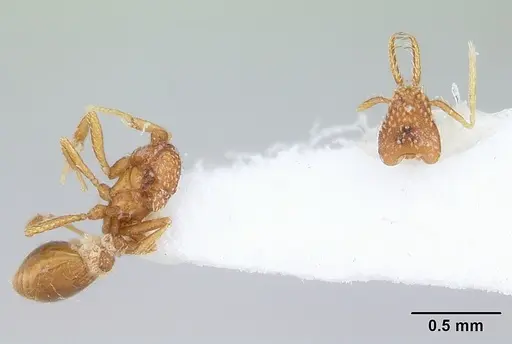
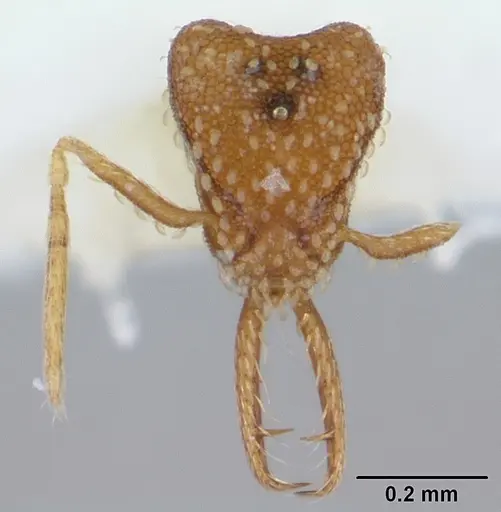
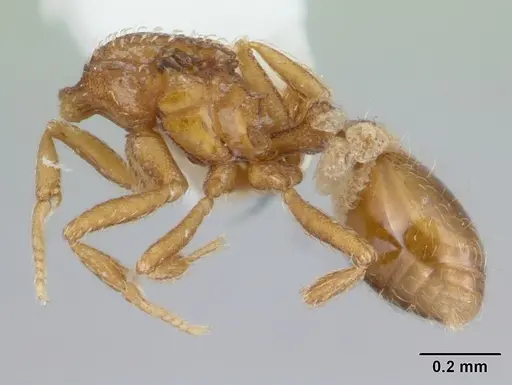
CASENT0372328
View on AntWeb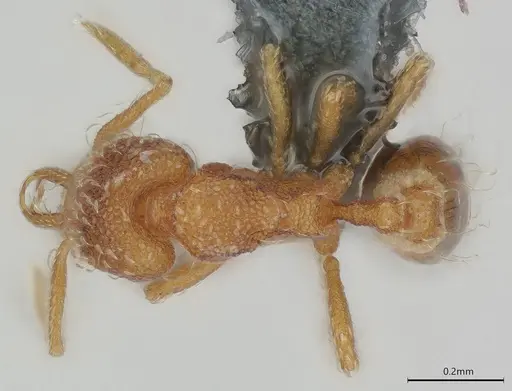
CASENT0658935
View on AntWeb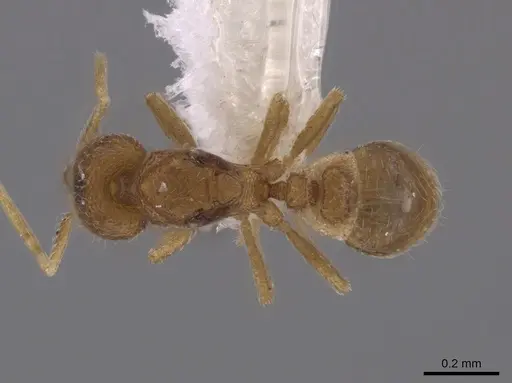
CASENT0904938
View on AntWeb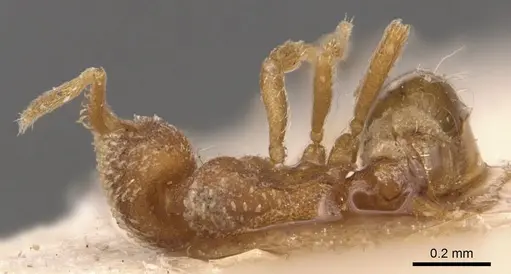
Literature
Loading...Loading products...