

Strumigenys saliens
- Scientific Name
- Strumigenys saliens
- Tribe
- Attini
- Subfamily
- Myrmicinae
- Author
- Mayr, 1887
- Distribution
- Found in 2 countries
Strumigenys saliens Overview
Strumigenys saliens is an ant species of the genus Strumigenys. It is primarily documented in 2 countries , including Brazil, French Guiana. Detailed taxonomic data and occurrence records can be further explored via authoritative databases such as AntWeb or the Global Biodiversity Information Facility (GBIF).
Strumigenys saliens
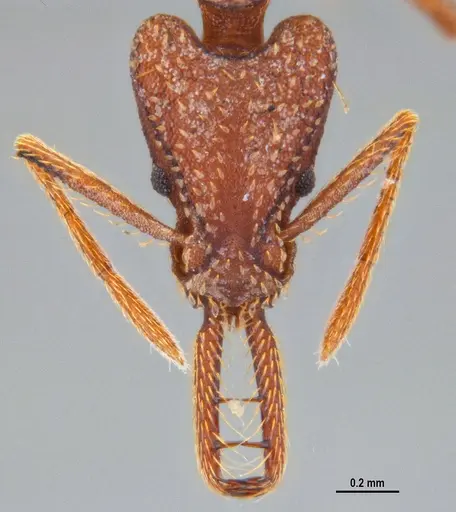
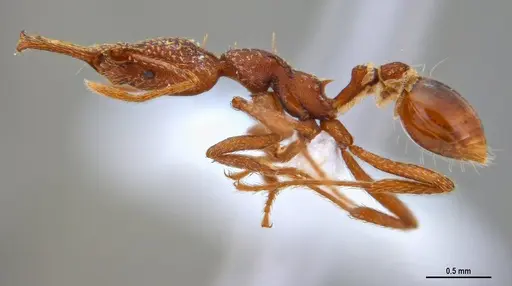
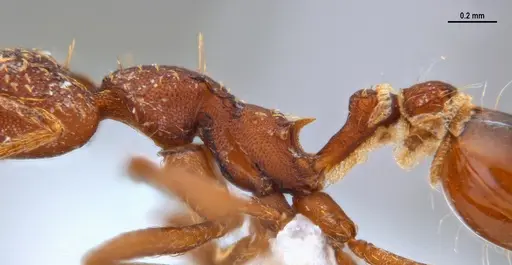
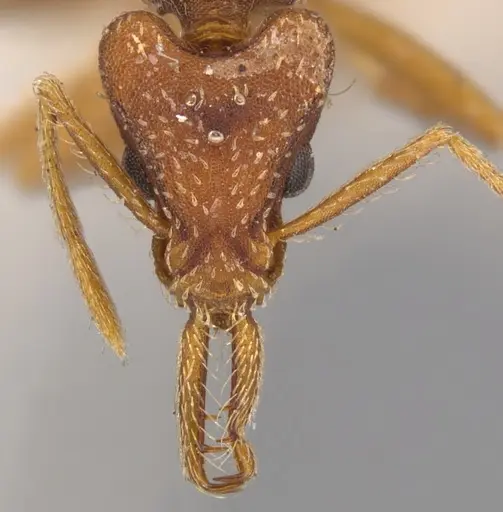
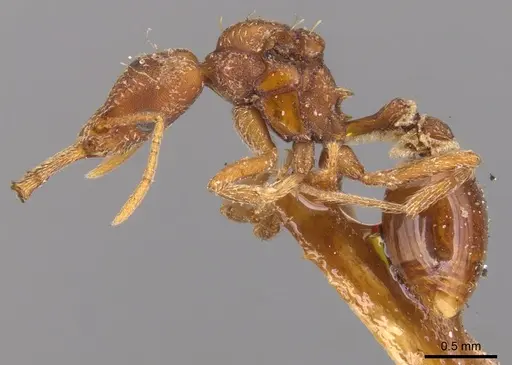
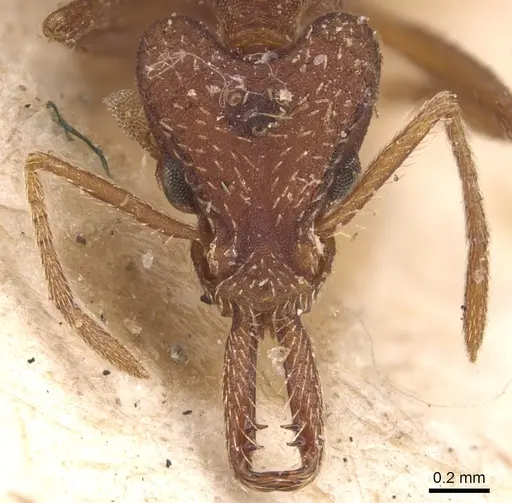
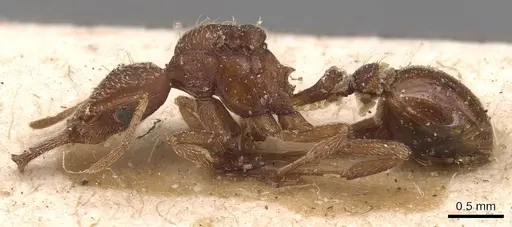
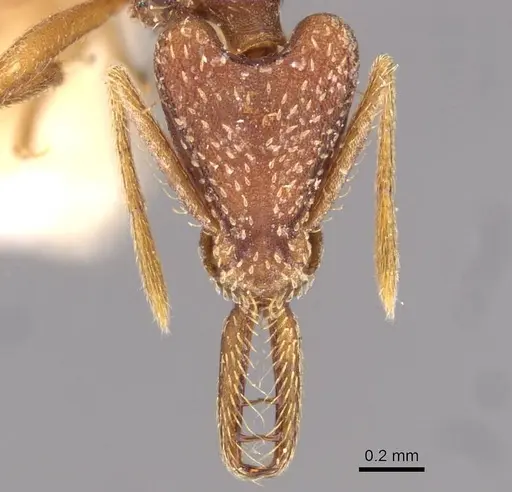
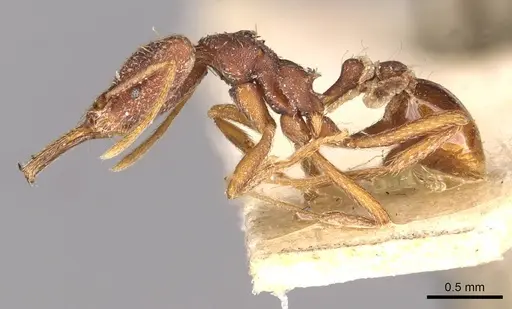
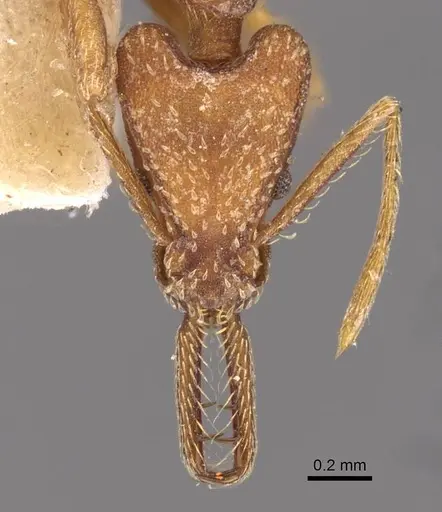
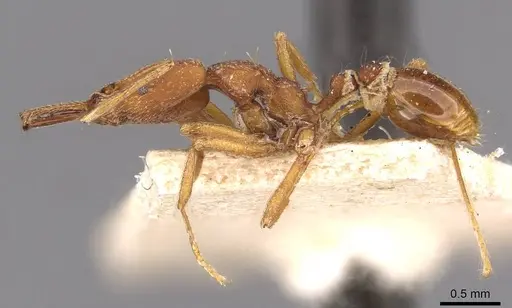
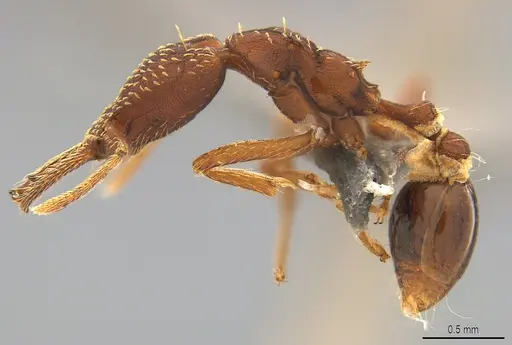
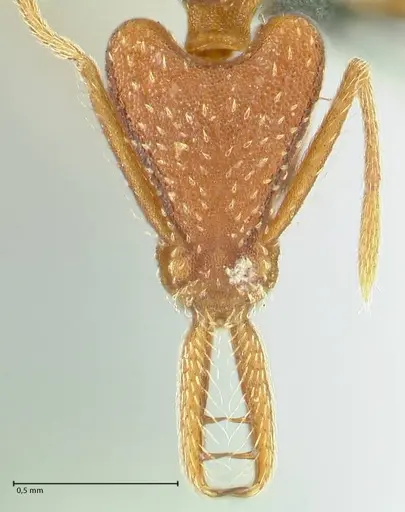
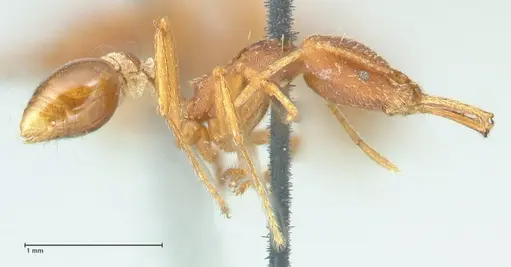
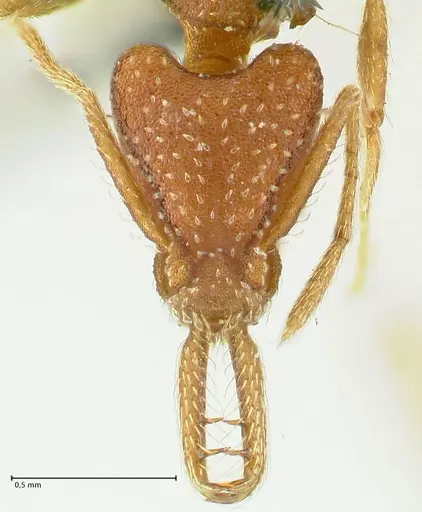
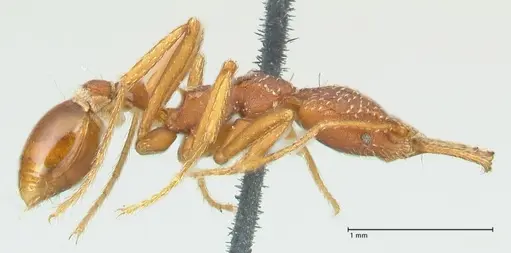
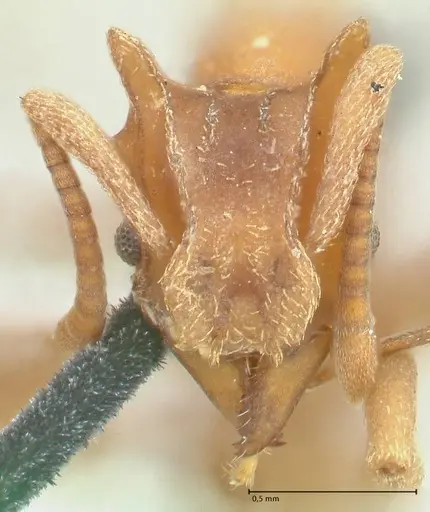
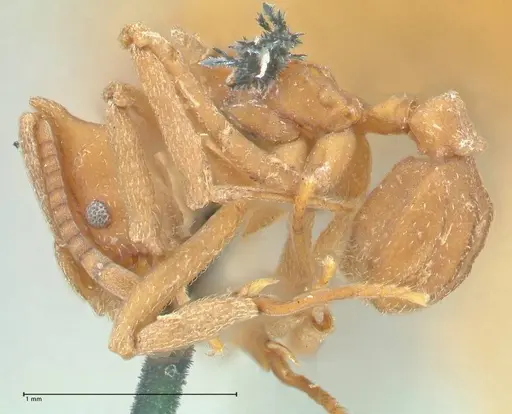
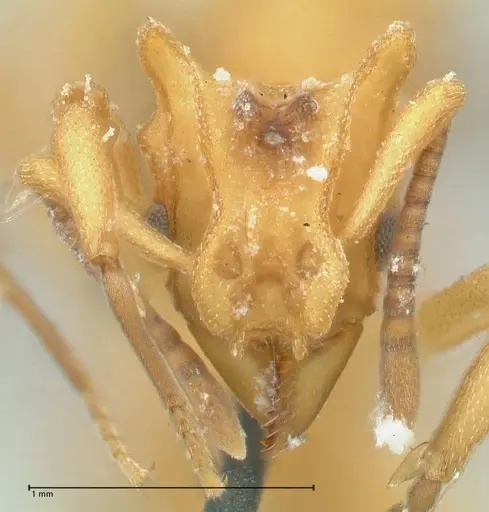
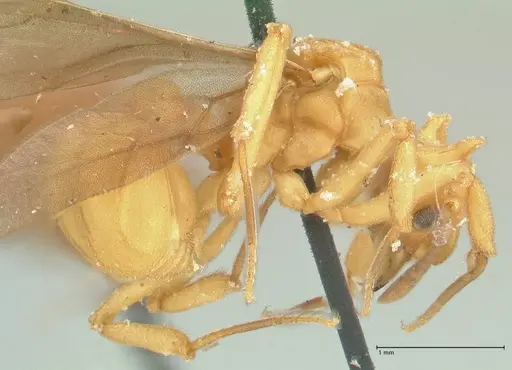
Strumigenys saliens is a small predatory ant native to the Neotropical region, found across Brazil, Argentina, Paraguay, Panama, and French Guiana [1]. Workers measure 3.5-3.9mm with distinctive elongated mandibles characteristic of the mandibularis group [2]. The species nests in rotten logs and branches lying on the forest floor, making them a litter-dwelling ant that thrives in humid, dark microhabitats. Their propodeal declivity is notably deeper than related species, which helps distinguish them from close relatives like Strumigenys prospiciens.
These ants are cryptic predators, specializing in hunting small prey like springtails in the leaf litter. They belong to the functional group of cryptic species, secretive ants that avoid light and move slowly through their environment [3]. A notable behavior is retrosalience, where they retreat backward when disturbed, similar to some trap-jaw ants [4]. This defensive strategy adds an interesting behavioral dimension to keeping this species.
Quick Summary
- Difficulty: Medium
- Origin & Habitat: Neotropical region, Brazil, Argentina, Paraguay, Panama, and French Guiana. They inhabit rotten logs and branches on the floor of tropical and subtropical forests[5].
- Colony Type: Monogyne, single queen colonies. Queens measure 4.2-4.5mm and are slightly larger than workers [1].
- Colony: Monogyne
- Founding: Claustral
- Size & Growth:
- Queen: 4.2-4.5mm [1]
- Worker: 3.5-3.9mm [2]
- Colony: Unknown, likely small colonies typical of litter-dwelling Strumigenys
- Growth: Slow, typical for predatory ants that require live prey
- Development: Estimated 8-12 weeks at optimal temperature based on related Strumigenys species (Development is likely slow due to their predatory nature and small colony sizes)
- Antkeeping:
- Temperature: Keep at 22-26°C, they are tropical ants that need warmth. Avoid temperatures below 20°C.
- Humidity: High humidity is essential, they naturally live in rotting wood on the forest floor. Keep nest substrate consistently moist but not waterlogged.
- Diapause: Likely no true diapause given their tropical distribution, but may reduce activity in cooler months
- Nesting: Best kept in naturalistic setups with rotting wood pieces or in Y-tong/plaster nests with high humidity. They prefer dark, confined spaces similar to their natural log habitats.
- Behavior: Cryptic and secretive, these ants avoid light and move slowly through their environment [3]. They are predators that hunt small invertebrates, primarily springtails. Their elongated mandibles are specialized for capturing prey. They are not aggressive and will retreat when disturbed, using retrosalience (backward retreat) as a defense [4]. Escape risk is moderate, they are small but not particularly fast or prone to escaping.
- Common Issues: slow growth can frustrate keepers who expect rapid colony development, requiring live prey means they cannot survive on sugar alone, this is a major commitment, high humidity needs can lead to mold problems if ventilation is poor, wild-caught colonies may have parasites that cause colony collapse, cryptic behavior means you may not see much activity, this worries beginners who think their colony is dying
Housing and Nest Setup
Strumigenys saliens requires high humidity and dark conditions to thrive. In the wild, they nest in rotting logs and branches on the forest floor, so your setup should mimic this. A naturalistic terrarium with a layer of moist soil and pieces of rotting wood works well, the ants will nest inside the wood. Alternatively, a Y-tong (acrylic) nest or plaster nest with a water reservoir can work, but you must maintain high humidity. Keep the nest completely dark or covered with an opaque material, as these are cryptic ants that avoid light. A small outworld for feeding is sufficient since colonies remain small. Use a test tube setup for founding colonies, keeping it horizontal and dark [1].
Feeding and Diet
These are obligate predators that require live small invertebrates. Their primary food should be live springtails, these are ideal size and readily accepted. Other small prey like fruit flies, tiny beetles, and micro-arthropods can also be offered. They will not accept sugar water or honey as a food source, Strumigenys are not attracted to carbohydrates. Feed prey every 2-3 days, removing any uneaten prey after 24 hours to prevent mold. Do not overfeed, small portions are better. The key to keeping this species is establishing a reliable source of small live prey. Some keepers culture their own springtail colonies to ensure constant food availability [1].
Temperature and Humidity
Maintain temperatures between 22-26°C. They are tropical ants that need consistent warmth, avoid drafts and temperatures below 20°C. A heating cable on one side of the nest can create a gentle gradient, but never place heat directly on the nest as it dries them out. Humidity is critical: keep the nest substrate consistently moist. The substrate should feel damp to the touch but never soggy. Mist the outworld occasionally but avoid getting water directly on the nest. Poor humidity leads to colony decline and death. However, balance humidity with adequate ventilation to prevent mold growth [1].
Behavior and Temperament
Strumigenys saliens is a cryptic species, they are secretive, avoid light, and move deliberately rather than quickly. When disturbed, they may exhibit retrosalience, retreating backward into crevices or under objects [4]. They are not aggressive and pose no threat to keepers. Their elongated mandibles are used for hunting small prey, not for defending against large threats. You will often see them slowly patrolling their territory or standing motionless for long periods. This slow, secretive lifestyle is normal, do not mistake their calm behavior for illness. Colonies remain small, typically under 100 workers, so you will not see the massive activity seen in larger ant species [3].
Colony Development
Colony growth is slow compared to many common ant species. A founding queen will lay eggs and raise the first workers (nanitics) over several months. The first workers are smaller than mature workers and will gradually be replaced. Expect 6-12 months to reach 20-30 workers. Maximum colony size is likely under 100 workers based on typical litter-dwelling Strumigenys patterns. This slow growth is normal, do not overfeed or disturb the nest in an attempt to speed things up. Patience is key with this species. Queens are claustral, sealing themselves in during founding and living off stored fat until first workers emerge [1].
Frequently Asked Questions
Can I keep Strumigenys saliens in a test tube?
Yes, you can start them in a test tube setup. Keep the tube horizontal with a cotton ball providing water access. Cover the tube with dark material to block light. Keep humidity high by ensuring the water end stays moist. Once the colony reaches 15-20 workers, consider moving them to a naturalistic setup with rotting wood pieces where they can nest more naturally.
What do Strumigenys saliens eat?
They are obligate predators that need live small invertebrates. Their primary food should be live springtails, which are the perfect size. They will not accept sugar water, honey, or other carbohydrates. Other small live prey like fruit flies and tiny beetles can be offered as variety. Never feed them large insects or anything bigger than their head, they cannot tackle large prey.
How long until first workers in Strumigenys saliens?
Expect 8-12 weeks from egg to first worker at optimal temperature (around 24°C). Development is slow compared to many ant species. The first workers (nanitics) will be smaller than mature workers. Full colony development takes many months, patience is essential with this species.
Are Strumigenys saliens good for beginners?
No, this species is not ideal for beginners. They require live prey (not just sugar water), high humidity, and have slow growth that can frustrate new keepers. They also remain cryptic and inactive, which worries beginners who think their colony is dying. If you want a rewarding predatory ant experience, start with more forgiving species first.
Why is my Strumigenys saliens colony dying?
Common causes include: low humidity (they need consistently moist conditions), wrong food (they must have live prey, not sugar), temperature issues (too cold below 20°C), and stress from too much light or disturbance. They are also sensitive to mold. Review your setup against their natural habitat requirements and make adjustments gradually.
How big do Strumigenys saliens colonies get?
Colonies remain small, likely under 100 workers at maturity. This is typical for litter-dwelling Strumigenys species. Do not expect large, active colonies. Their cryptic lifestyle means you will see limited activity even in established colonies.
Do Strumigenys saliens need hibernation?
No, they do not need hibernation. Being tropical ants from South America, they do not experience cold winters that would trigger diapause. Simply maintain stable warm temperatures year-round. You may notice reduced activity in cooler months, but this is not a true hibernation.
When should I move Strumigenys saliens to a formicarium?
Wait until the colony has at least 15-20 workers and the founding test tube is becoming cramped. A naturalistic terrarium with moist soil and rotting wood pieces works best. Alternatively, a Y-tong nest with high humidity settings can work. Do not move too early, disturbing founding colonies often leads to colony failure.
Can I keep multiple Strumigenys saliens queens together?
No, this is a monogyne (single-queen) species. Multiple unrelated queens will fight. Only keep one queen per colony. In the wild, colonies have a single reproductive queen.
References

This caresheet is licensed under CC BY-SA 4.0 .
ANTWEB1047390
View on AntWeb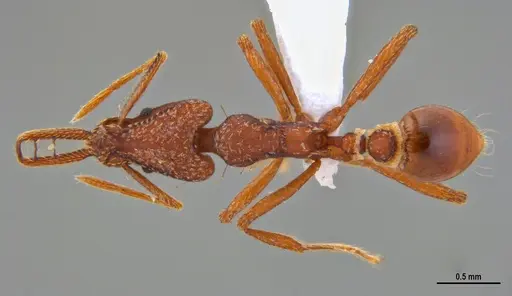
CASENT0900427
View on AntWeb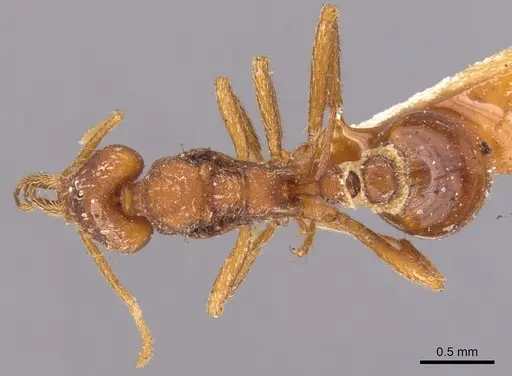
CASENT0904932
View on AntWeb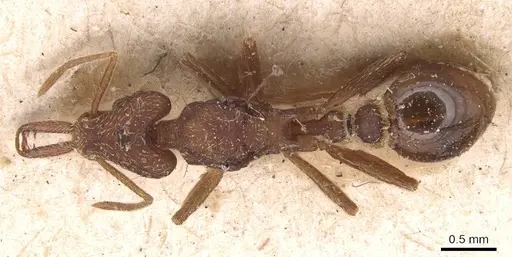
CASENT0909326
View on AntWeb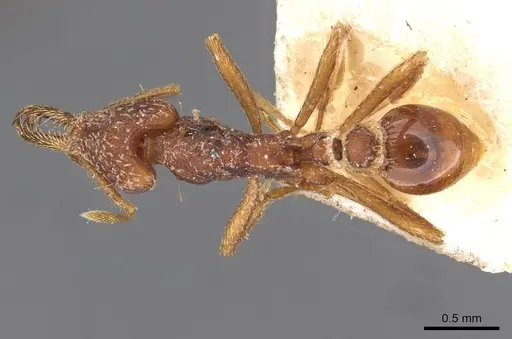
CASENT0909327
View on AntWeb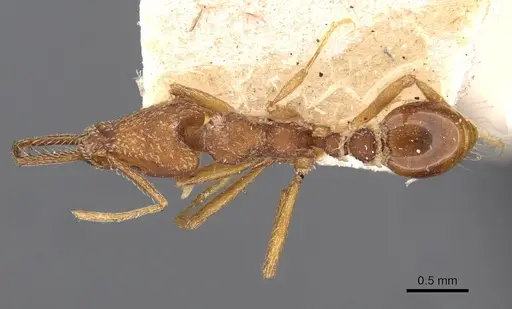
CASENT0915700
View on AntWeb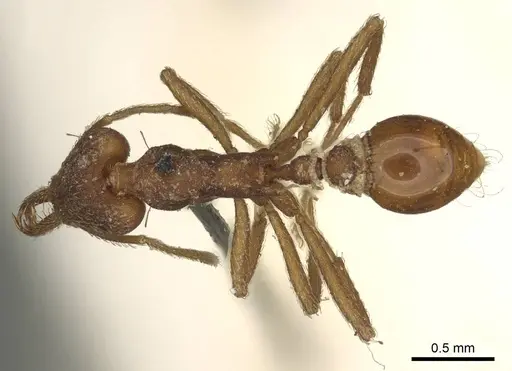
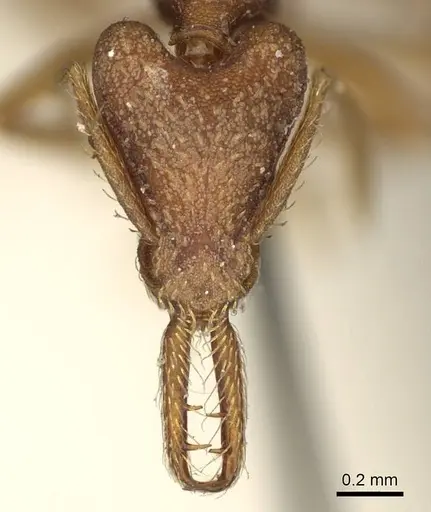
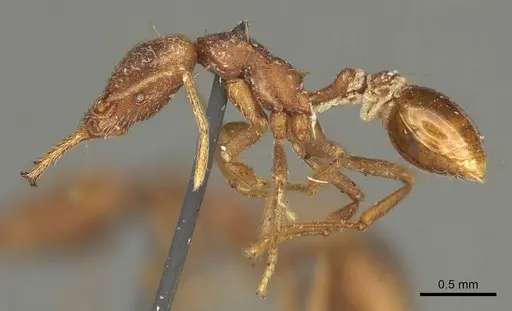
CASENT4036194
View on AntWeb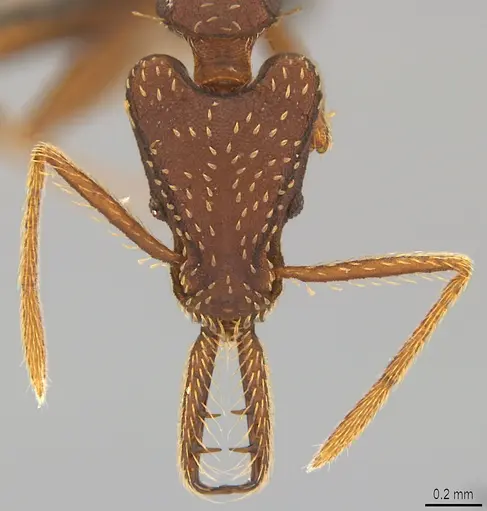
CASENT4036226
View on AntWeb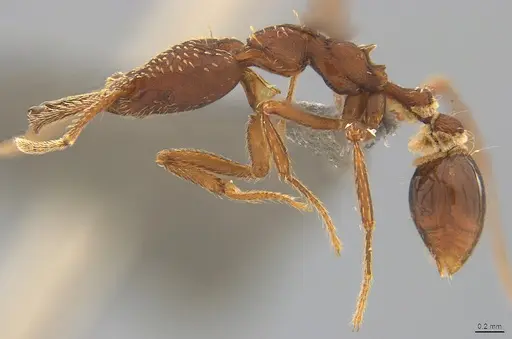
FOCOL2158-1
View on AntWeb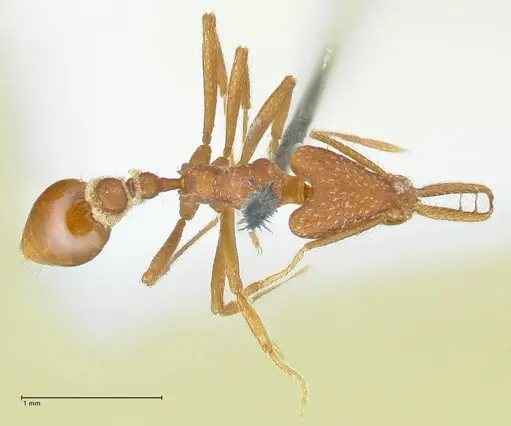
FOCOL2158-2
View on AntWeb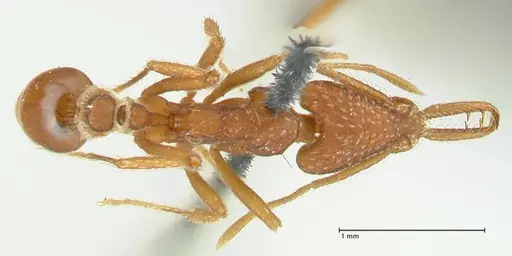
FOCOL2161-1
View on AntWeb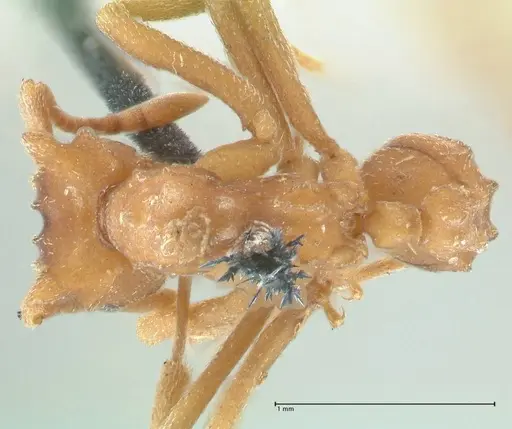
FOCOL2161-2
View on AntWeb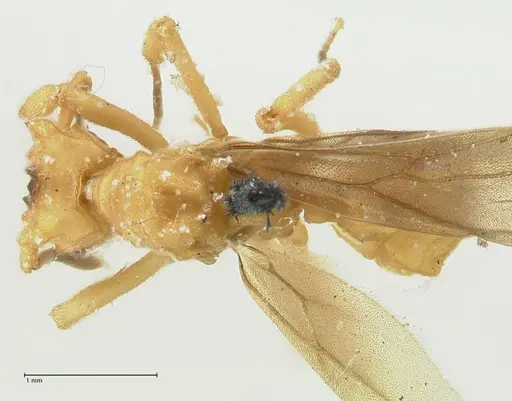
Literature
Loading...Loading products...