

Strumigenys roomi
- Scientific Name
- Strumigenys roomi
- Tribe
- Attini
- Subfamily
- Myrmicinae
- Author
- Bolton, 1972
- Distribution
- Found in 1 countries
Strumigenys roomi Overview
Strumigenys roomi is an ant species of the genus Strumigenys. It is primarily documented in 1 countries , including Ghana. Detailed taxonomic data and occurrence records can be further explored via authoritative databases such as AntWeb or the Global Biodiversity Information Facility (GBIF).
Strumigenys roomi
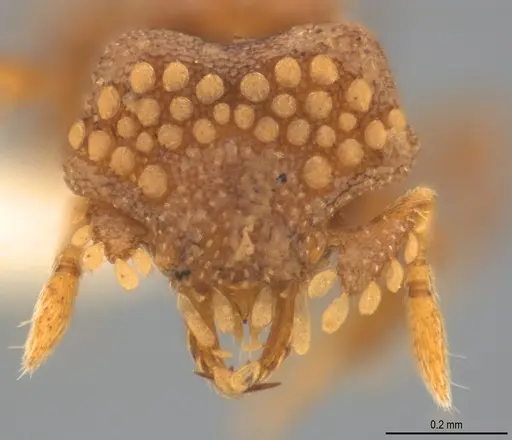
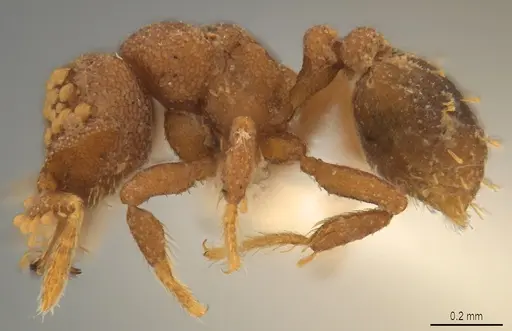
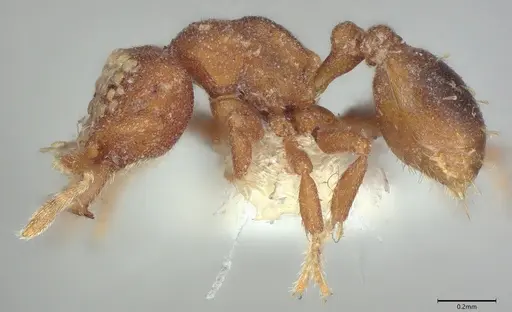
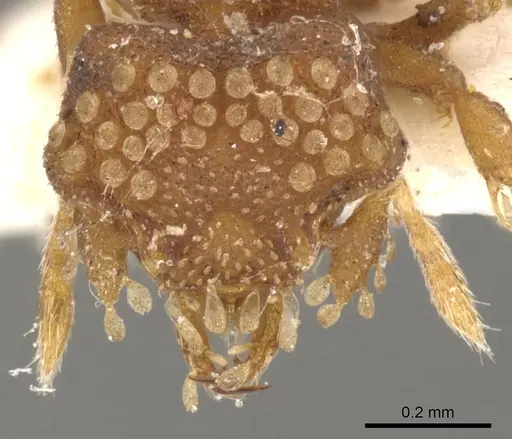
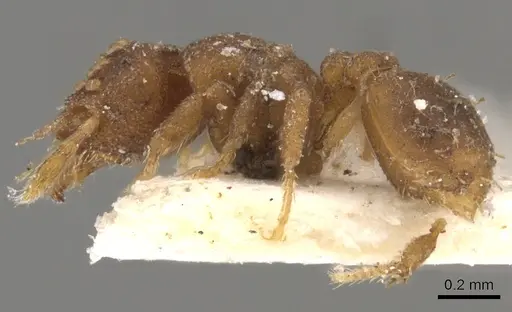
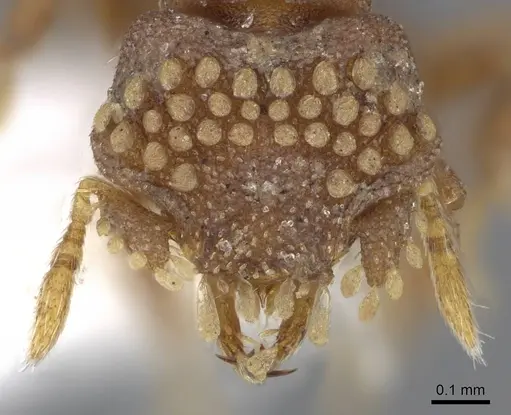
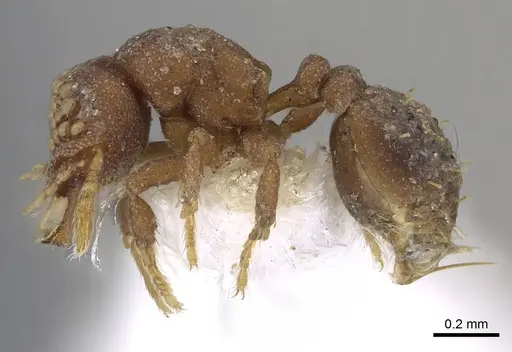
Strumigenys roomi is a tiny predatory ant species native to West and Central Africa. Workers measure just 1.8-2.1mm, making them one of the smaller ant species kept in captivity. They belong to the tribe Attini (fungus-growing ants) but unlike their leaf-cutter relatives, Strumigenys are specialized predators that hunt micro-arthropods like springtails using their trap-jaw mandibles. The species has distinctive very long spiniform teeth on their mandibles that cross over each other when closed, and their head bears conspicuous orbicular (round) hairs. They are medium brown in color and have 6-segmented antennae.
These ants inhabit rainforest, cocoa farms, and secondary bush areas across Ghana, Ivory Coast, Cameroon, Democratic Republic of Congo, and Gabon, typically found in soil and ground litter [1]. Their tiny size and specialized diet make them a challenging but fascinating species for experienced antkeepers.
Quick Summary
- Difficulty: Expert
- Origin & Habitat: West and Central Africa, found in Ghana, Ivory Coast, Cameroon, Democratic Republic of Congo, and Gabon. They inhabit rainforest, cocoa farms, and secondary bush, living in soil and ground litter[1].
- Colony Type: Likely monogyne (single queen colonies). Colony size reaches approximately 100-300 workers based on related Strumigenys species.
- Colony: Monogyne
- Founding: Claustral
- Size & Growth:
- Queen: Approximately 2.5-3mm (estimated based on genus patterns)
- Worker: 1.8-2.1mm
- Colony: Estimated 100-300 workers based on related species
- Growth: Slow, these are tiny ants with specialized feeding requirements
- Development: Estimated 8-12 weeks at optimal temperature based on genus patterns for small Myrmicinae (Development is likely slow due to small colony size and specialized predatory lifestyle)
- Antkeeping:
- Temperature: Keep at 24-28°C, they come from tropical regions and need warmth. A gentle heating gradient allows workers to regulate their temperature [1].
- Humidity: High humidity (70-85%) is essential, they naturally live in forest floor litter which stays damp. Keep the nest substrate consistently moist but not waterlogged [1].
- Diapause: No true diapause required, being a tropical species, they need year-round warm conditions. Reduce feeding slightly during cooler periods but no hibernation [1].
- Nesting: Use a naturalistic setup with fine substrate (coco fiber, peat moss) or a plaster/acrylic nest with small chambers. They need tight passages scaled to their tiny 2mm size. Keep nest humidity high with a water reservoir [1].
- Behavior: Strumigenys roomi is a specialized predator. Workers hunt springtails and other micro-arthropods using their trap-jaw mandibles, when prey triggers the sensory hairs between the mandibles, they snap shut in milliseconds. They are not aggressive toward humans and cannot sting. Due to their extremely small size (under 2mm), escape prevention is critical, they can squeeze through standard mesh barriers. Workers are relatively inactive compared to other ants, spending much of their time patrolling the substrate surface for prey [1].
- Common Issues: escape prevention is critical, their tiny 2mm size means they can slip through standard mesh, use fine mesh or fluon barriers, specialized diet requires live springtails or micro-arthropods, they will not accept freeze-dried or dead prey, slow growth can frustrate keepers, colonies develop slowly and may stall without proper prey availability, high humidity needs can cause mold problems if ventilation is poor, balance humidity with adequate airflow, wild-caught colonies may contain parasites that can devastate the colony in captivity
Housing and Setup
Strumigenys roomi requires a carefully designed setup due to their tiny size. A naturalistic terrarium-style setup works best, use a shallow container (2-3cm deep substrate) with coco fiber, peat moss, or a mixture that holds moisture well. The substrate should be damp but not waterlogged. You can also use small acrylic nests with chambers scaled to their 2mm size, but ensure passages are narrow enough that workers can touch both walls [1].
Escape prevention is your top priority. These ants are so small they can slip through standard mesh barriers. Use fine mesh (0.5mm or smaller), apply fluon to container edges, or use a water moat barrier. Even small gaps in lid seals will result in escapes. A shallow outworld makes feeding easier and allows you to observe hunting behavior [1].
Feeding and Diet
This is the most challenging aspect of keeping Strumigenys roomi. They are obligate predators that specialize in hunting springtails and other micro-arthropods. In captivity, their primary food should be live springtails (Folsomia candida or similar small species). You can culture springtails separately in damp containers with decaying wood or charcoal [1].
Other accepted prey may include tiny soil mites, booklice (psocids), and other minute arthropods. They will NOT accept dead prey, freeze-dried insects, or sugar sources, their hunting instinct is specifically triggered by movement. Feed small prey items every 2-3 days, adjusting based on colony size and consumption. A well-fed colony will have workers actively patrolling the substrate surface [1].
Temperature and Humidity
As a tropical species from West/Central Africa, Strumigenys roomi needs warm, humid conditions year-round. Maintain temperatures between 24-28°C, use a heating cable on one side of the nest to create a gentle gradient, allowing workers to self-regulate. Avoid temperatures below 22°C as this can slow their already slow metabolism and potentially harm the colony [1].
Humidity should remain high (70-85%). Their natural habitat is the damp forest floor where leaf litter stays consistently moist. Use a water reservoir in your nest setup or mist regularly, but ensure good ventilation to prevent mold. The substrate should feel damp to the touch. A hygrometer helps monitor conditions, place it near the nest but not directly on wet substrate [1].
Colony Development
Colony growth is slow, Strumigenys are not rapid developers like some Myrmicinae. A newly mated queen will lay eggs after sealing herself in a claustral chamber, and the first workers (nanitics) may take 8-12 weeks to emerge, depending on temperature. Initial colony size remains small, often just 5-15 workers for the first several months.
Mature colonies may reach 100-300 workers over several years. The key to successful growth is consistent access to live prey. Without springtails or other micro-arthropods, colonies will stall or decline. Workers are long-lived compared to many ant species, which helps compensate for slow production. Be patient, a healthy colony can persist for many years once established.
Behavior and Observation
Strumigenys roomi workers are fascinating to observe. Unlike many ants that run frantically across the outworld, these ants move with deliberate purpose, often stopping and scanning their surroundings. Their large eyes and specialized hairs detect minute movements of potential prey.
When hunting, workers approach springtails slowly, then their mandibles snap shut in a fraction of a second, one of the fastest movements in the animal kingdom for their body size. They do not have a stinger and pose no threat to humans. Workers may ignore initially offered prey until they learn to recognize movement patterns, persistence is key when establishing feeding routines [1].
Frequently Asked Questions
Can I keep Strumigenys roomi in a test tube?
Test tubes are not ideal for this species. Their tiny 2mm size and need for live prey make a naturalistic setup or small acrylic nest much better. If using test tubes, you would need to add springtail cultures inside, which is difficult to maintain. A shallow naturalistic terrarium with damp substrate allows for springtail cultures and easier feeding observation [1].
How long does it take for the first workers to emerge?
Expect 8-12 weeks from egg to first worker at optimal temperature (around 26°C). This is slower than many common ant species. The queen will seal herself in during claustral founding and may not emerge until her first nanitic workers hatch. Patience is essential, do not disturb the founding chamber during this period.
What do Strumigenys roomi eat?
They are specialized predators that require live micro-arthropods. Their primary food should be live springtails (Folsomia candida or similar). They will not accept dead prey, freeze-dried insects, honey, or sugar water. Their hunting behavior is triggered by movement, so only live prey works. You may also experiment with tiny soil mites and booklice [1].
Are Strumigenys roomi good for beginners?
No, this species is not recommended for beginners. Their tiny size requires excellent escape prevention, they need a specialized diet of live springtails (which must be cultured separately), and they require high humidity and warm temperatures. They are considered an expert-level species. Start with easier species like Lasius or Camponotus before attempting Strumigenys [1].
How big do Strumigenys roomi colonies get?
Based on related species, colonies likely reach 100-300 workers at maturity. Growth is slow, it may take 2-3 years to reach this size from a single queen. They are not large colonies compared to many ants, but they are long-lived and can persist for many years with proper care.
Do Strumigenys roomi need hibernation?
No, they do not require hibernation. Being a tropical species from West/Central Africa, they need year-round warm conditions (24-28°C). Reducing temperature below 22°C for extended periods can harm the colony. Simply maintain consistent warmth and slightly reduce feeding during any cooler periods [1].
Why are my Strumigenys roomi dying?
Common causes include: lack of live prey (they will starve if only dead food is offered), escape through tiny gaps (their 2mm size escapes through standard barriers), low humidity causing desiccation, temperatures below 22°C slowing metabolism, or parasites from wild-caught colonies. Ensure you have a proper springtail culture and excellent escape prevention before acquiring this species [1].
Can I keep multiple queens together?
Strumigenys roomi is likely monogyne (single queen per colony). Combining unrelated queens has not been documented and is not recommended. If you acquire a wild colony, it likely has one queen. Multiple founding queens would likely fight, as is typical for this genus. Keep one queen per setup.
When should I move them to a formicarium?
For Strumigenys roomi, a naturalistic setup is often preferable to traditional formicariums. If you do use a formicarium, wait until the colony has at least 20-30 workers and is actively hunting. The chambers and passages must be very small (scaled to their 2mm size). Many keepers successfully keep them in simple plastic containers with damp substrate [1].
References

This caresheet is licensed under CC BY-SA 4.0 .
CASENT0425584
View on AntWeb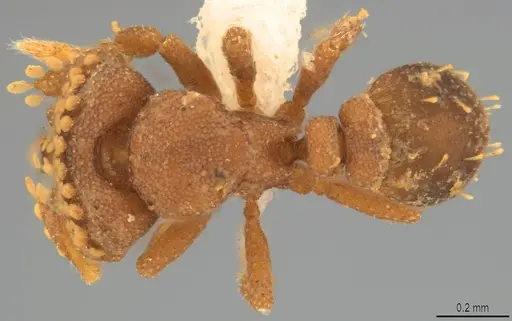
CASENT0810388
View on AntWeb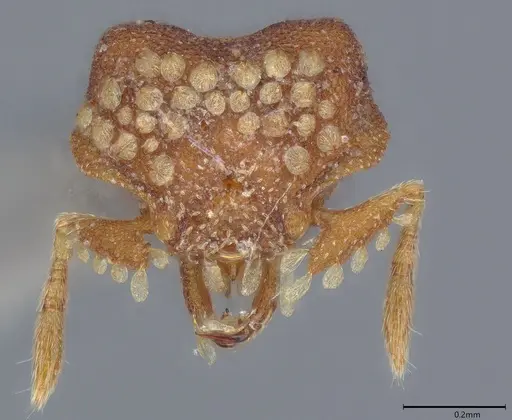
CASENT0900044
View on AntWeb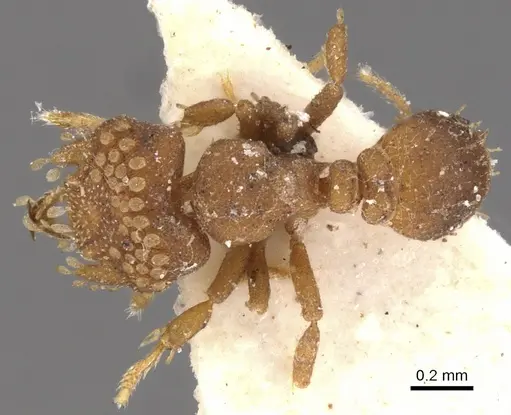
CASENT0914713
View on AntWeb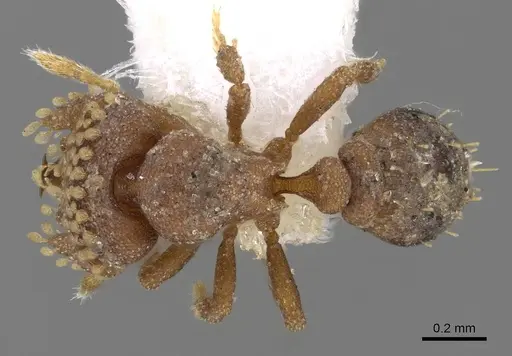
Literature
Loading...Loading products...