

Strumigenys rohweri
- Scientific Name
- Strumigenys rohweri
- Tribe
- Attini
- Subfamily
- Myrmicinae
- Author
- Smith, 1935
- Distribution
- Found in 1 countries
Strumigenys rohweri Overview
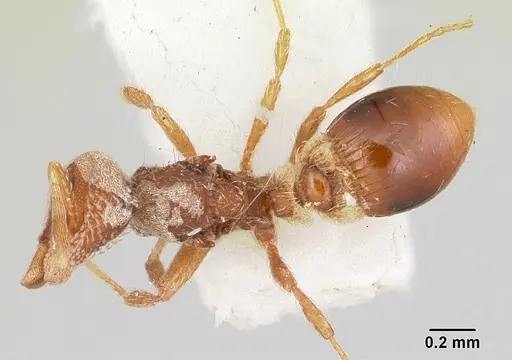
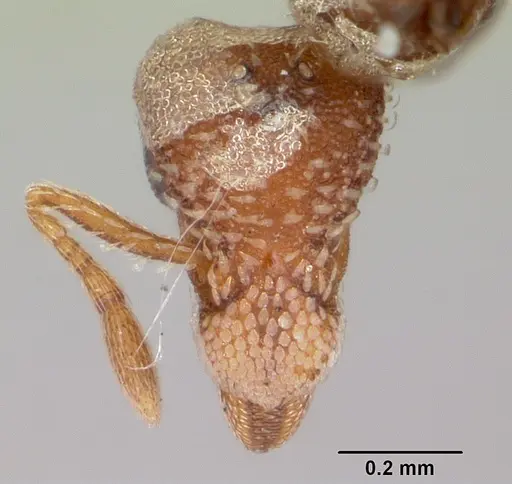
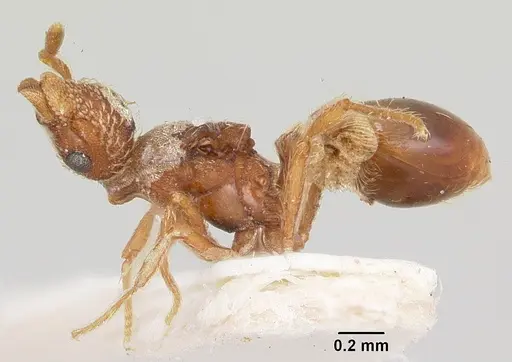
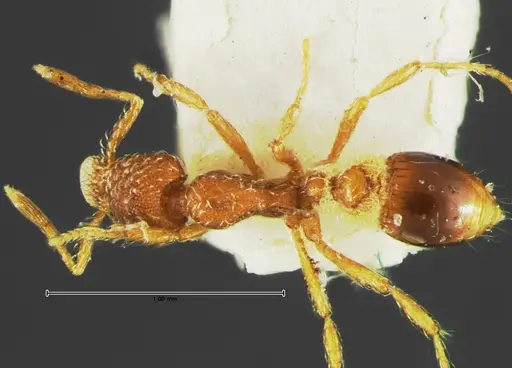
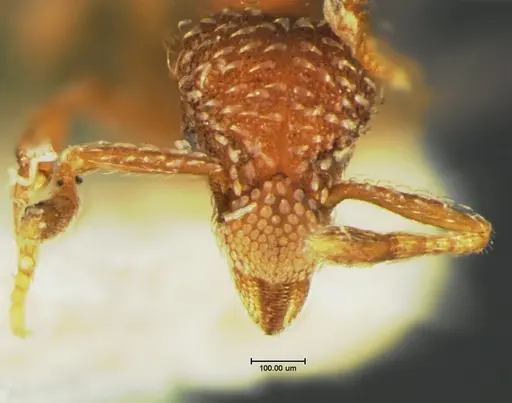
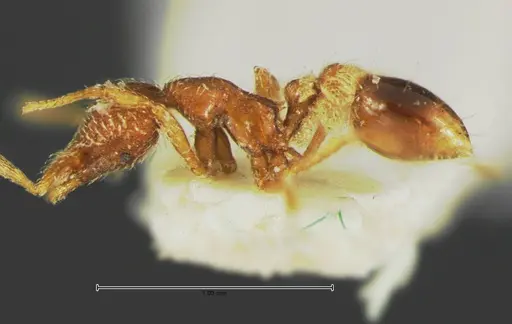
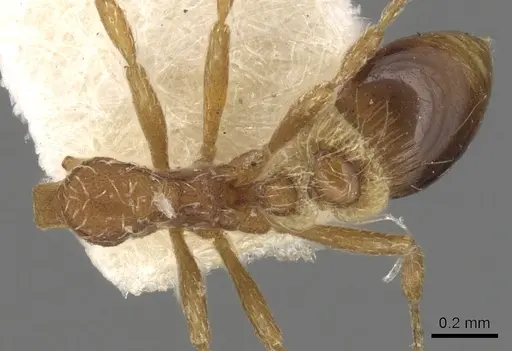
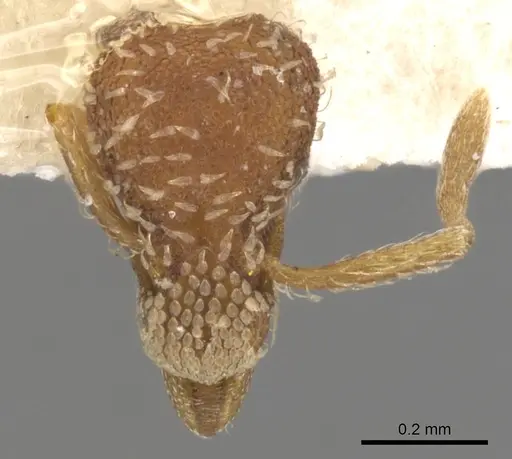
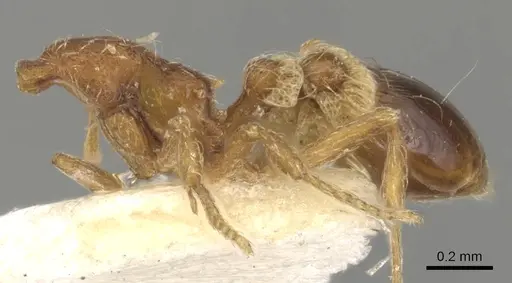
Strumigenys rohweri is an ant species of the genus Strumigenys. It is primarily documented in 1 countries , including United States of America. Detailed taxonomic data and occurrence records can be further explored via authoritative databases such as AntWeb or the Global Biodiversity Information Facility (GBIF).
Strumigenys rohweri
Strumigenys rohweri is a tiny predatory ant native to North America, belonging to the Nearctic lineage [1]. These ants are among the smallest in the ant-keeping hobby, with workers measuring just 2-3mm. They get their common name from their uniquely adapted mandibles, their jaws have snap-trap teeth that can close in milliseconds to catch small prey like springtails and other micro-arthropods. Their colonies are small, typically containing only a few dozen to perhaps a hundred workers. In the wild, they nest in soil, under stones, or in rotting wood in forested areas, preferring humid, shaded microhabitats.
Quick Summary
- Difficulty: Medium
- Origin & Habitat: North America (Nearctic region), found in forested areas with moist, shaded soil conditions
- Colony Type: Likely monogyne (single queen) based on typical Strumigenys colony structure
- Colony: Monogyne
- Size & Growth:
- Queen: Estimated 3-4mm based on genus Strumigenys patterns
- Worker: 2-3mm based on genus Strumigenys patterns
- Colony: Likely under 100 workers based on typical Strumigenys colony size
- Growth: Slow, estimated based on genus patterns
- Development: Estimated 6-10 weeks at optimal temperature based on related Strumigenys species (Development time is estimated from genus-level data as species-specific research is not available)
- Antkeeping:
- Temperature: Keep at 20-24°C, aim for stable room temperature or gentle gradient from heating cable on one side of nest
- Humidity: High humidity preferred, keep substrate consistently moist but not waterlogged. These forest-floor ants need damp conditions similar to their natural habitat.
- Diapause: Likely requires winter rest period (diapause) given their Nearctic distribution, reduce temperature to 10-15°C for 2-3 months
- Nesting: Prefers naturalistic setups with moist substrate, small test tubes with cotton or small acrylic/plaster nests work well. They need tight chambers scaled to their tiny size.
- Behavior: These ants are peaceful but specialized predators. They hunt using their trap-jaw mandibles to capture small live prey, primarily springtails and other micro-arthropods. They are not aggressive toward humans and rarely sting. Due to their very small size, escape prevention is critical, they can squeeze through tiny gaps. Workers are active foragers that search for prey individually.
- Common Issues: escape prevention is critical due to their tiny 2-3mm size, use fine mesh and tight-fitting lids, slow growth means colonies take time to develop, don't overfeed or disturb them, specialized diet requires live prey, they won't accept dead food or sugar sources, high humidity needs can lead to mold if ventilation is poor, wild-caught colonies may have parasites that can decimate the colony in captivity
Housing and Nest Setup
Strumigenys rohweri requires small-scale housing due to their tiny 2-3mm size. A small test tube setup with a water reservoir works well for founding colonies, use a small piece of cotton to separate the water from the nest chamber. For established colonies, a small acrylic nest or plaster nest with narrow chambers scaled to their size is ideal. Because they are escape artists, use fluon on nest edges and fine mesh (at least 0.5mm) on any ventilation holes. A naturalistic setup with moist soil and hiding spots like small stones or leaf litter also works well and mimics their natural forest-floor habitat.
Feeding and Diet
These ants are specialized predators that require live small prey. Their primary food should be live springtails, these are ideal because they are small enough for the ants to capture and provide the right size of nutrition. Other accepted prey includes small isopods (rolly pollies), booklice, and other tiny micro-arthropods. They will not accept dead prey or sugar sources, Strumigenys are obligate predators that rely entirely on hunting. Feed them small prey items every few days, removing any uneaten prey after 24 hours to prevent mold. A constant water source (like a small test tube water reservoir) is essential.
Temperature and Seasonal Care
Keep your colony at stable room temperature, ideally 20-24°C. They can tolerate slightly cooler conditions but growth will slow. Avoid temperature extremes, sudden changes can stress the colony. As a Nearctic species, they likely require a winter diapause period. In autumn, gradually reduce the temperature to 10-15°C and keep them there for 2-3 months. During this time, they will be less active and require little to no food. Return them to warmer conditions in spring to resume normal activity. This seasonal cycle helps maintain colony health and triggers reproductive behavior.
Behavior and Temperament
Strumigenys rohweri is a peaceful species that poses no threat to humans. Their primary defense is escaping rather than fighting, they will run and hide when disturbed. While they can sting, their small size and docile nature mean stings are rare and mild. Workers are active hunters that forage individually, using their specialized trap-jaw mandibles to snap shut on prey. They do not form raiding parties or display aggressive swarming behavior. The main keeper challenge is their small size making escape prevention critical and their specialized diet requiring live prey.
Frequently Asked Questions
How long does it take for Strumigenys rohweri to produce first workers?
Based on typical Strumigenys development, expect 6-10 weeks from egg to first worker at optimal temperature (around 22°C). Growth is slow, so patience is required during the founding stage.
Can I keep Strumigenys rohweri in a test tube?
Yes, a small test tube setup works well for founding colonies. Use a small water reservoir with cotton separation, and ensure the nest chamber is appropriately sized for their tiny 2-3mm workers.
What do Strumigenys rohweri eat?
They are specialized predators that require live small prey. Feed them live springtails as a primary food source. Other options include small isopods, booklice, and tiny micro-arthropods. They will not accept dead food or sugar.
Are Strumigenys rohweri good for beginners?
They are rated as medium difficulty. While not aggressive, their specialized diet (live prey only), small size requiring excellent escape prevention, and slow growth make them better suited for keepers with some experience.
How big do Strumigenys rohweri colonies get?
Colonies remain relatively small, likely under 100 workers at maturity. This is typical for the Strumigenys genus, they maintain compact colonies rather than large supercolonies.
Do Strumigenys rohweri need hibernation?
Yes, as a Nearctic species they likely require a winter rest period. Reduce temperature to 10-15°C for 2-3 months during winter. This helps maintain colony health and triggers reproductive cycles.
Why are my Strumigenys rohweri dying?
Common causes include: escape through tiny gaps (check all seals), mold from overwet conditions or poor ventilation, stress from temperature fluctuations, or starvation since they only eat live prey. Also check for parasites if the colony was wild-caught.
When should I move my colony to a formicarium?
Wait until the colony has at least 20-30 workers before moving. They do well in small acrylic or plaster nests with chambers scaled to their tiny size. A naturalistic setup with moist soil is also suitable.
Can I keep multiple queens together?
Strumigenys rohweri is likely monogyne (single queen). Combining unrelated queens is not recommended as they would likely fight. Single-queen colonies are the standard for this species.
References

This caresheet is licensed under CC BY-SA 4.0 .
Literature
Loading...Loading products...