

Strumigenys relahyla
- Scientific Name
- Strumigenys relahyla
- Tribe
- Attini
- Subfamily
- Myrmicinae
- Author
- Bolton, 1983
- Distribution
- Found in 1 countries
Strumigenys relahyla Overview
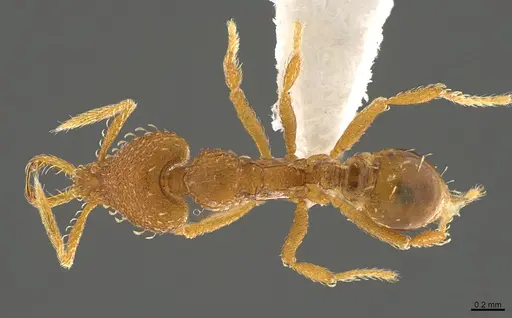
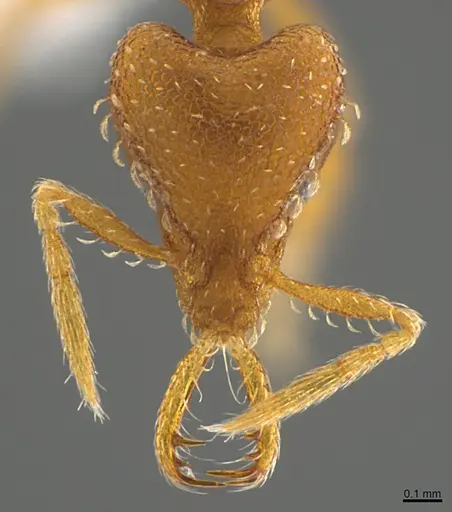
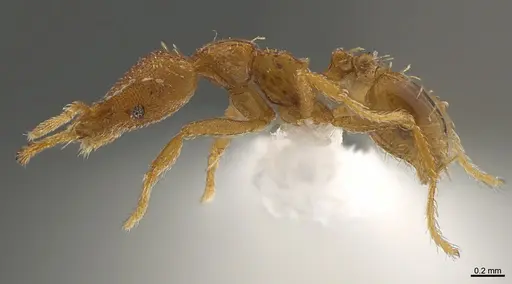
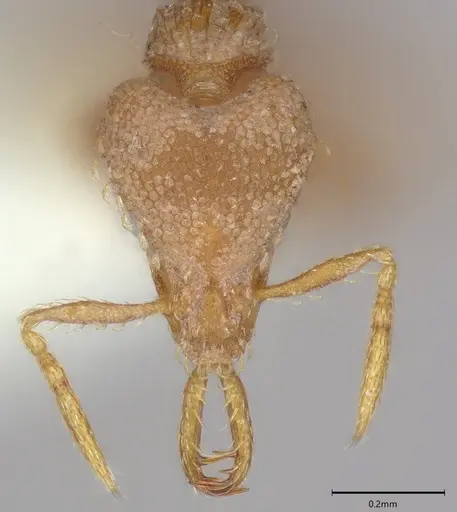
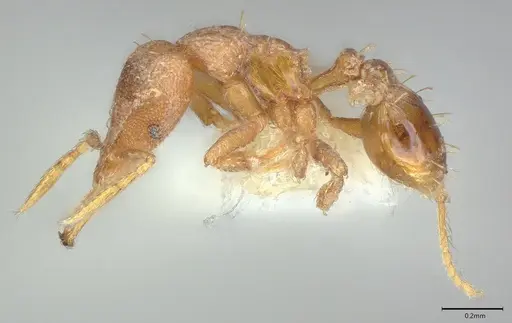
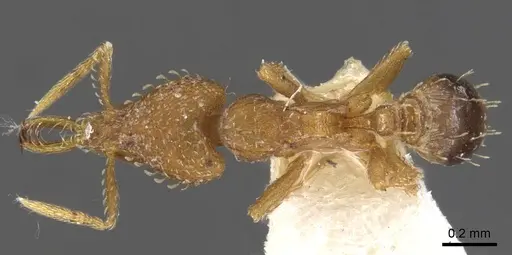
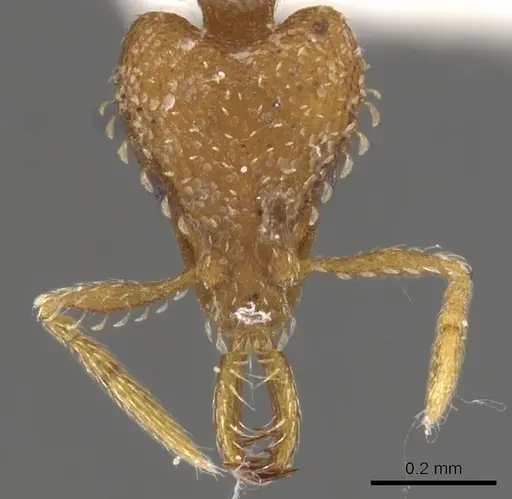
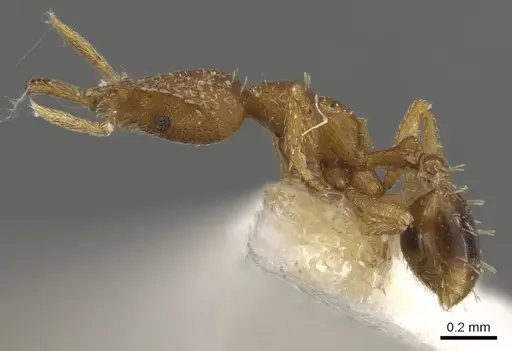
Strumigenys relahyla is an ant species of the genus Strumigenys. It is primarily documented in 1 countries , including Congo, Democratic Republic of the. Detailed taxonomic data and occurrence records can be further explored via authoritative databases such as AntWeb or the Global Biodiversity Information Facility (GBIF).
Strumigenys relahyla
Strumigenys relahyla is a small predatory ant species native to the Democratic Republic of Congo. These ants belong to the genus Strumigenys, famous for their extraordinary trap-jaw mandibles that can snap shut at incredible speeds, among the fastest movements in the animal kingdom. Workers are tiny, typically measuring 2-4mm, with distinctive elongated mandibles lined with teeth that allow them to capture prey with explosive speed. The genus is characterized by their specialized hunting mechanism: when triggered, the mandibles snap shut in milliseconds, either impaling prey or launching the ant away from danger [1].
These ants are specialized predators, primarily hunting small soft-bodied invertebrates like springtails and other micro-arthropods. In their natural Congo habitat, they inhabit leaf litter and rotting wood in forest environments, where they hunt among the decomposing material. Keeping Strumigenys in captivity is considered intermediate to advanced difficulty due to their specialized dietary needs and small size, which requires excellent escape prevention and careful humidity management.
Quick Summary
- Difficulty: Medium/Hard
- Origin & Habitat: Democratic Republic of Congo, found in central African forest habitats, typically in leaf litter and rotting wood [1]
- Colony Type: Likely monogyne (single queen colonies) based on typical Strumigenys colony structure, though specific data for this species is limited
- Colony: Monogyne
- Founding: Claustral
- Size & Growth:
- Queen: Estimated 4-5mm based on genus patterns for Strumigenys species
- Worker: 2-4mm based on genus descriptions
- Colony: Likely 100-500 workers at maturity based on typical Strumigenys colony sizes
- Growth: Slow, specialized predators typically develop more slowly than omnivorous species
- Development: Estimated 8-12 weeks at optimal temperature based on related Strumigenys species (Development is likely slower than typical Myrmicinae due to specialized predatory lifestyle and small colony sizes)
- Antkeeping:
- Temperature: Keep around 22-26°C, they prefer warm, stable conditions typical of tropical forest floor
- Humidity: High humidity required, aim for 70-85%. These ants come from humid forest environments and can desiccate quickly if conditions are too dry. Keep the nest substrate consistently moist but not waterlogged.
- Diapause: Likely minimal or no true diapause, being a tropical species, they probably do not require a hibernation period. However, activity may slow during cooler periods.
- Nesting: Prefers humid, enclosed nest spaces. Y-tong (AAC) nests or well-moistened naturalistic setups work well. They do well in test tube setups with moist cotton, but will need to be moved to more structured housing as the colony grows. Avoid dry conditions entirely.
- Behavior: Strumigenys relahyla is a specialized predatory ant with a docile temperament toward keepers, but their trap-jaw mechanism makes them effective hunters. Workers are not aggressive toward humans and cannot sting. They are escape artists due to their tiny size, even small gaps in enclosure seals will allow them to squeeze through. They are slow-moving compared to many ants but can exhibit sudden bursts of speed when hunting. Foraging is done individually or in small groups, hunting among the substrate. They are not known for creating supercolonies and typically maintain modest colony sizes.
- Common Issues: escape prevention is critical, their tiny size means they can squeeze through standard barrier setups that work for larger ants, specialized diet requirements make them difficult for beginners, they need live small prey and may not accept alternatives, slow growth can lead to keeper impatience and overfeeding, which causes mold and kills colonies, high humidity needs mean they can easily die if the nest dries out even briefly, wild-caught colonies may carry parasites that can devastate captive populations
Housing and Nest Setup
Strumigenys relahyla requires humid, enclosed housing that maintains moisture well. A Y-tong (AAC) nest works excellently for this species, as the porous clay material holds humidity while allowing some gas exchange. Alternatively, a well-moistened naturalistic setup with a dirt chamber and flat stone covering works well. Test tubes can work for founding colonies, use a water reservoir setup with moist cotton, but plan to move them to more structured housing once the colony reaches 20-30 workers. The key is maintaining high humidity without creating stagnant air. Avoid fully sealed setups that trap heat and moisture without any ventilation. Place the nest in a dark area, as these forest-floor ants prefer dim conditions. Outworld space can be simple, a small foraging area is sufficient since workers are tiny and colonies stay relatively small. [1]
Feeding and Diet
This species is a specialized predator that requires live small prey. Their primary diet in captivity should be live springtails, which are an ideal size and nutritional source. Other small soft-bodied prey like fruit fly larvae, tiny isopods, and newly hatched wax moth larvae can be offered as variety. Some colonies may accept pre-killed prey if moved with feeding forceps, but live prey is strongly preferred. Sugar sources are typically NOT accepted, Strumigenys are obligate predators and do not seek honeydew or sugar water. Feed small prey items every 2-3 days, removing any uneaten prey within 24 hours to prevent mold. A well-fed colony will have workers that appear plump and glossy. Do not overfeed, excess prey decays quickly in humid nest conditions and can cause fatal mold outbreaks.
Temperature and Humidity
Maintain temperatures between 22-26°C for optimal colony health and development. Strumigenys relahyla comes from tropical central Africa and does not tolerate cool conditions, temperatures below 20°C can slow activity and potentially harm brood development. A small heating cable on one side of the nest can create a gentle gradient, but ensure the entire enclosure doesn't overheat. Humidity is critical: aim for 70-85% relative humidity within the nest. The substrate should feel consistently damp but never waterlogged. Check moisture levels daily, especially in test tube setups where evaporation can dry things out quickly. A water reservoir connected to the nest helps maintain humidity. Mist the outworld occasionally but avoid letting water pool in the foraging area.
Colony Establishment and Growth
Starting a colony from a single queen requires patience. The queen will seal herself into a founding chamber and lay eggs, then raise the first brood (nanitic workers) entirely on her stored reserves. Do not disturb the founding queen during this period, checking too frequently can cause her to abandon or eat the brood. First workers typically emerge after 6-10 weeks, though this timeline varies based on temperature. Once nanitics appear, the colony can begin accepting small live prey. Growth is slow compared to many ant species, a well-established colony might take 6-12 months to reach 50 workers, and 1-2 years to reach maximum size. Resist the urge to feed heavily to speed growth, this typically causes more harm than good. Stable conditions and consistent, appropriate feeding matter more than abundant food.
Behavior and Handling
Strumigenys relahyla is not aggressive toward keepers and poses no stinging threat. Their trap-jaw mechanism is used exclusively for hunting prey, not for defense against larger threats. Workers are docile and can be observed closely without concern. However, their small size makes them challenging to handle and their escape abilities are excellent. When working with the colony, do so in a contained area over a white surface so any escaped ants are easily spotted. If workers escape, they are difficult to catch due to their speed and small size. These ants are not a display species that you'll handle frequently, they are more of an observation species where you watch their fascinating hunting behavior through the nest. Their trap-jaw snap is visible to the naked eye and makes for compelling viewing when they capture prey.
Frequently Asked Questions
How long does it take for Strumigenys relahyla to produce first workers?
Expect first workers (nanitics) to emerge around 6-10 weeks after the queen lays eggs, assuming temperatures are maintained at 22-26°C. This is slower than many common ant species, so patience is essential during the founding phase.
What do Strumigenys relahyla ants eat?
They are specialized predators that require live small prey. Feed live springtails as a primary food source, with occasional fruit fly larvae, tiny isopods, or newly hatched wax moth larvae for variety. They do not accept sugar sources or honeydew.
Can I keep Strumigenys relahyla in a test tube setup?
Yes, test tubes work well for founding colonies. Use a water reservoir setup with moist cotton to maintain humidity. Plan to move the colony to a Y-tong or naturalistic nest once it reaches 20-30 workers.
Are Strumigenys relahyla good for beginners?
No, they are not recommended for beginners. Their specialized dietary needs (live prey only), high humidity requirements, tiny size making escape prevention difficult, and slow growth all make them a species for intermediate to advanced antkeepers.
How big do Strumigenys relahyla colonies get?
Mature colonies typically reach 100-500 workers. This is smaller than many common ant species, but their small size and specialized hunting behavior make them fascinating to observe.
Do Strumigenys relahyla need hibernation or diapause?
Probably not. Being a tropical species from central Africa, they likely do not require a winter rest period. Activity may slow during cooler periods, but a true hibernation is not necessary.
Why are my Strumigenys relahyla dying?
Common causes include: drying out (they need high humidity), mold from overfeeding or poor ventilation, escape through tiny gaps, and not providing appropriate live prey. Review humidity levels, feeding amounts, and enclosure seals first.
When should I move my colony to a formicarium?
Move them when the colony reaches 20-30 workers and the test tube setup becomes cramped. A Y-tong or naturalistic nest with good moisture retention works well. Make the transition gradual if possible.
What temperature is ideal for Strumigenys relahyla?
Keep them at 22-26°C. They are tropical ants that do not tolerate cool conditions. A small heating cable on part of the nest can help maintain optimal temperatures, but avoid overheating.
References

This caresheet is licensed under CC BY-SA 4.0 .
Literature
Loading...Loading products...