

Strumigenys probatrix
- Scientific Name
- Strumigenys probatrix
- Tribe
- Attini
- Subfamily
- Myrmicinae
- Author
- Brown, 1964
- Distribution
- Found in 5 countries
Strumigenys probatrix Overview
Strumigenys probatrix is an ant species of the genus Strumigenys. It is primarily documented in 5 countries , including Costa Rica, Guatemala, Honduras. Detailed taxonomic data and occurrence records can be further explored via authoritative databases such as AntWeb or the Global Biodiversity Information Facility (GBIF).
Strumigenys probatrix - "Snappy Detritus Ant (Generic for Strumigenys)"
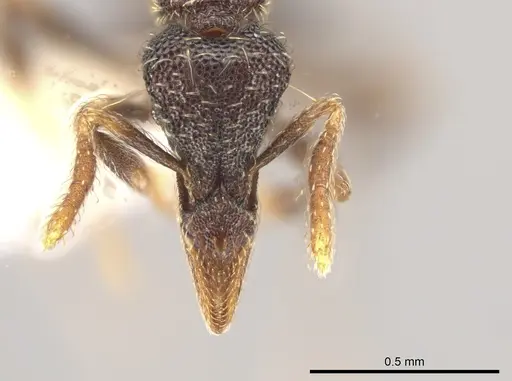
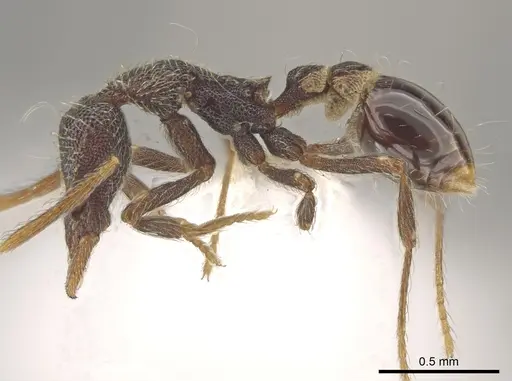
Strumigenys probatrix is a fascinating, small ant species known for its slender, long-legged appearance and notably elongated head and mandibles. These ants are generally a deep brownish-red, with the gaster often being the darkest part, and their mandibles and appendages slightly lighter and more yellowish. Workers are typically slow-moving and cryptic in coloration, often freezing when disturbed. They are specialized predators, primarily preying on springtails (Collembola) and other tiny soil arthropods using their unique trap-jaw mandibles. They are a part of the diverse Strumigenys genus, which is characterized by its wide range of mandible shapes and functions.
- Difficulty: Medium
- Origin & Habitat: Neotropical Region (Costa Rica, Guatemala, Honduras, Mexico, Panama) in Wet forest habitats, cloud forest habitats, forest floor leaf litter, decaying wood, soil cavities..
- Colony Type: Monogyne or Polygyne, generally small colonies., claustral, with queens likely foraging like workers as observed in some strumigenys species. founding.
- Size & Growth:
- Queen: Not specified
- Worker: 2.7-3.0mm
- Colony: Small (typically less than 100 individuals, but some species can reach many hundreds).. Slow growth.
- Antkeeping:
- Temperature: Maintaining a warm environment is preferred, typically around 24-28°C..
- Humidity: High humidity is crucial, ideally between 70-90%, as they prefer moist, warm micro-habitats..
- Diapause: Not required. Not specified at Not specified.
- Nesting: These ants prefer nesting in soil, leaf litter, and decaying wood. Artificial setups should mimic these conditions, such as Ytong or acrylic nests with ample substrate and high moisture..
- Behavior: Low (towards handler, primarily for defense; specialized predators towards prey) aggressiveness.
- Common Issues: Lack of appropriate live prey (springtails), Humidity fluctuations leading to desiccation, Mold in nest due to excessive humidity without proper ventilation, Mites, particularly if feeder insects are not properly sourced, Colony stalling due to inadequate diet or stress.
One of the most defining characteristics of Strumigenys probatrix, and indeed many species within the Strumigenys genus, is their specialized diet. These ants are highly adapted predators, primarily targeting springtails (Collembola) and other minute, soft-bodied soil arthropods. Their unique trap-jaw mandibles, which can snap shut at incredible speeds, are specifically designed for capturing such agile prey. This dietary specialization means that providing a consistent and appropriate food source for a Strumigenys probatrix colony is paramount for their long-term health and success in captivity. You'll need a reliable supply of live springtails.
Given their natural habitat in moist, warm forest leaf litter and soil, maintaining appropriate humidity levels is non-negotiable for Strumigenys probatrix. These ants are accustomed to consistently damp micro-environments, and any significant fluctuations or prolonged periods of dryness can quickly lead to stress and colony decline. Keepers should consider setups that excel at retaining moisture, such as naturalistic formicaria with deep substrate layers or specialized setups designed for high-humidity species. Regular misting or a constant water source within the nest is often necessary to replicate their preferred conditions.
Strumigenys probatrix ants are known for their cryptic and often slow-moving behavior when undisturbed. However, if startled, they can quickly 'freeze' and remain motionless, blending seamlessly into their environment. This behavior can make observation challenging, as they may remain still for extended periods after any disturbance to their setup. Patience is a virtue when keeping these ants, and minimizing sudden movements or vibrations around their nest will allow for more natural and observable behaviors.
Colony sizes for Strumigenys species, including S. probatrix, are typically quite small, often numbering less than a hundred workers. While some species can reach into the hundreds, they rarely form the massive supercolonies seen in other common ant species. This smaller colony size means they don't require vast living spaces, but it also means that each individual worker is more critical to the colony's overall health. Any significant losses can have a more pronounced impact, so careful husbandry to prevent casualties is especially important.
Frequently Asked Questions
What do Strumigenys probatrix ants eat?
Strumigenys probatrix are specialized predators. Their primary diet consists of springtails (Collembola) and other tiny, soft-bodied arthropods found in leaf litter. You’ll need a consistent source of these live feeder insects to keep them healthy.
How large do Strumigenys probatrix colonies get?
Colonies of Strumigenys probatrix are generally quite small, typically consisting of fewer than 100 individuals. While some Strumigenys species can grow to several hundreds, they won't reach the thousands like some other common ant species.
What kind of nest is best for Strumigenys probatrix?
These ants thrive in environments that mimic their natural forest floor habitat. Nests made from Ytong or acrylic with a deep, moist substrate layer (like coco fiber, sand, or a mix of leaf litter and soil) are ideal. High humidity is key, so look for setups that can maintain consistent moisture without becoming waterlogged.
Do Strumigenys probatrix need diapause (hibernation)?
Strumigenys probatrix primarily originates from tropical and subtropical regions, which typically do not experience cold winters. Therefore, a true diapause (hibernation) period is generally not required for this species in captivity. Maintaining stable warm temperatures year-round is usually best.
Are Strumigenys probatrix difficult to keep?
They are considered a 'Medium' difficulty species. While not overly aggressive or large, their specific dietary needs (live springtails) and strict humidity requirements make them a bit more challenging than beginner species. Consistency in their environment is crucial for success.
What is the typical size of Strumigenys probatrix workers and queens?
Workers of Strumigenys probatrix are quite small, ranging from about 2.7 to 3.0 mm in total length. Information on the exact queen size for this specific species isn't widely detailed, but generally, Strumigenys queens are similar in size or slightly larger than workers, reflecting their small colony sizes.
Do Strumigenys probatrix have a sting?
Yes, like many ant species, Strumigenys probatrix workers do possess a sting. However, due to their tiny size and specialized feeding habits, their sting is not a significant threat to humans. They are more likely to 'freeze' or attempt to escape when disturbed.
How fast do Strumigenys probatrix colonies grow?
Strumigenys probatrix colonies exhibit a slow growth rate. Given their small ultimate colony size and specialized predatory diet, their development is generally deliberate. Patience is required as you watch your colony slowly expand.
Can Strumigenys probatrix cohabit with other ant species?
No, Strumigenys probatrix should not be kept with other ant species. They are specialized predators and would either become prey themselves or prey on the brood of other, often larger, species. Keeping them in a single-species setup is essential for their safety and the integrity of your formicarium.
What is the best way to observe Strumigenys probatrix?
Observing these ants requires patience and a gentle touch. Since they tend to freeze when disturbed, it’s best to minimize vibrations and sudden movements around their nest. A formicarium designed with clear viewing areas and appropriate lighting (not too bright) will help you catch glimpses of their unique foraging and predatory behaviors. Using a magnifying glass or macro lens can also enhance your viewing experience.

This caresheet is licensed under CC BY-SA 4.0 .
CASENT0281993
View on AntWeb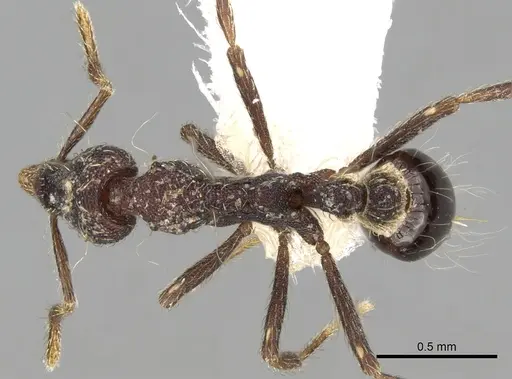
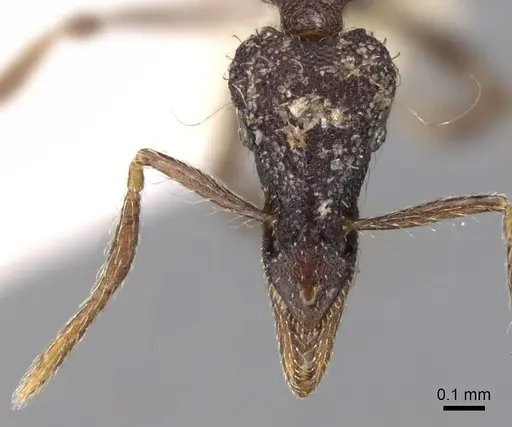
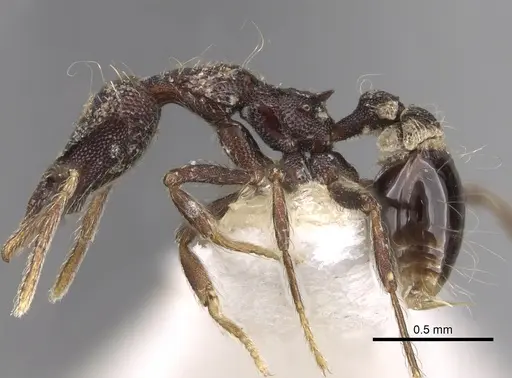
CASENT0640422
View on AntWeb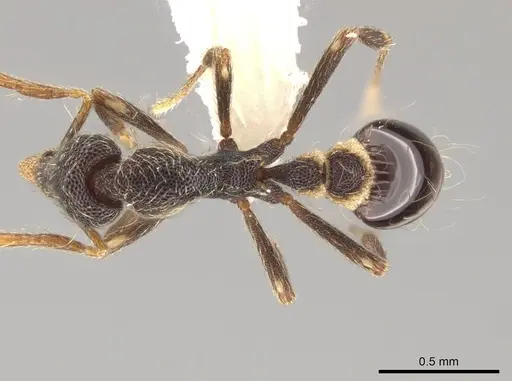
INBIOCRI002279052
View on AntWeb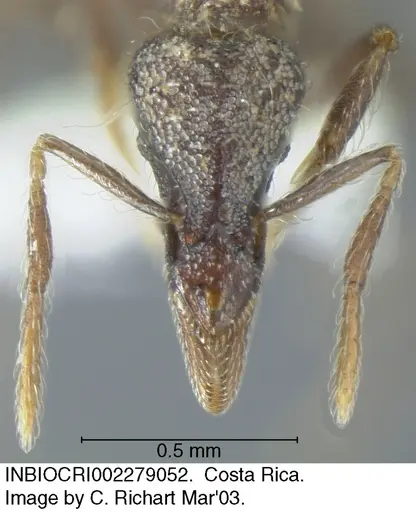
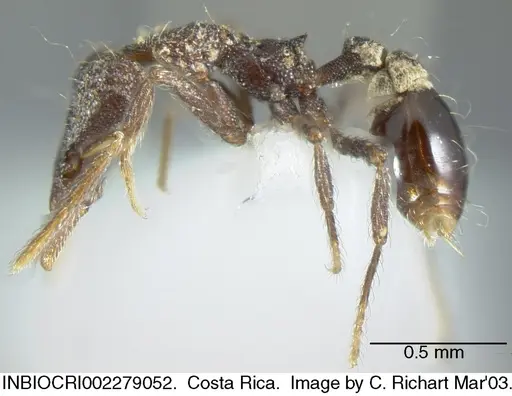
MZSPHYM0140223
View on AntWeb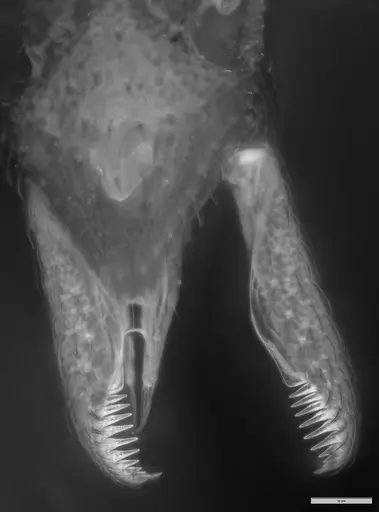
Literature
Loading...Loading products...